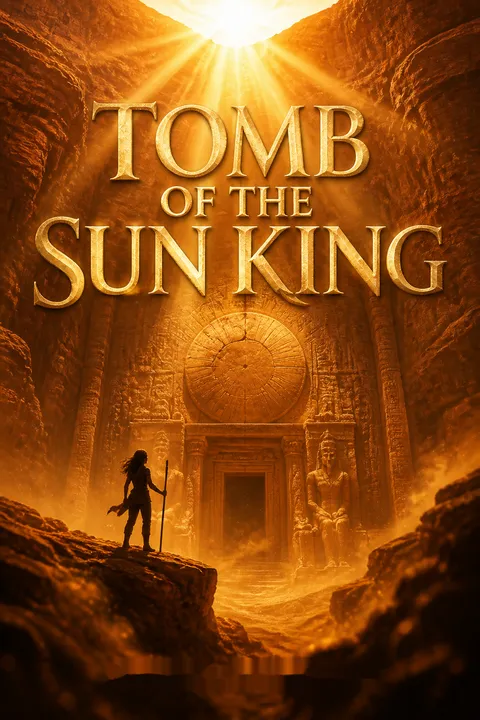

Plot Summary
Prologue: Legacy and Secrets
In the ancient past, Kaleb is entrusted with a powerful staff by his dying master, who warns it must be hidden from those who would misuse it. The staff's history is entwined with erased names and forbidden power, setting the stage for a secret that will echo through millennia. Kaleb's promise to protect the staff and restore a forgotten woman's legacy becomes the seed for a mystery that will draw seekers and villains alike, as the staff's miracles and dangers are whispered through generations. The prologue's emotional weight is one of duty, loss, and the burden of history.
Arrival in Cairo's Chaos
In 1898, Ellie Mallory arrives in Cairo, determined to stop the villainous Professor Dawson and his handler, Mr. Jacobs, from seizing another legendary artifact: the Staff of Moses. Still haunted by her previous adventure's losses, Ellie is joined by her loyal friend Constance and the rugged Adam Bates, whose presence stirs both her heart and her anxieties. The city's vibrant chaos mirrors Ellie's inner turmoil as she navigates colonial tensions, the theft of Egyptian heritage, and the looming threat of her adversaries. The chapter brims with anticipation, uncertainty, and the thrill of new beginnings.
Allies and Adversaries Gather
Ellie and Adam are welcomed into Constance's family home, where they meet the formidable Lady Sabita, the regal Kumari Padma, and the dashing but insufferable Julian Forster-Mowbray. Social rituals mask deeper currents: Constance's family pushes her toward an advantageous marriage, while Julian's interest in Constance is revealed to be both personal and professional. Adam and Ellie's unresolved feelings simmer beneath the surface, complicated by the expectations of family and society. The emotional arc is one of camaraderie, rivalry, and the first hints of betrayal.
Shadows of the Past
As the group settles in, Ellie and Adam struggle with the aftermath of their previous adventure and the boundaries of their relationship. Constance confides her own rebellious desires, while Neil, Ellie's brother, is introduced as a dedicated but oblivious archaeologist. The past's shadows—personal and historical—haunt each character, shaping their choices and fears. The chapter pulses with longing, regret, and the ache of things left unsaid, as well as the hope for redemption and connection.
Unspoken Desires
Ellie and Adam's unresolved passion erupts in a moment of vulnerability, but their attempt to define their relationship is derailed by miscommunication and the weight of social expectations. Both are left reeling—Ellie by Adam's apology and withdrawal, Adam by his own sense of inadequacy and fear of hurting her. The emotional tension is heightened by the knowledge that danger is drawing closer, and that their personal struggles may have consequences for the fate of the staff and those they love.
Saqqara's Hidden Dangers
The group travels to Neil's excavation at Saqqara, where the threat of Dawson and Jacobs looms. The dig site is a place of both wonder and peril, as ancient curses and modern ambitions collide. Neil's scholarly pride is tested by Ellie's expertise and the urgency of their mission. The chapter is charged with suspense, as the characters must navigate both the literal and figurative traps of the tomb, and the dangers posed by their enemies and their own divided loyalties.
The Tomb's First Secrets
Inside the tomb, Ellie and Neil uncover a hidden shaft and a mysterious ring inscribed with a name that echoes Moses. The discovery is both a triumph and a curse, as it draws the attention of Dawson and his men. The group is forced to make a desperate escape, relying on quick thinking and trust in one another. The emotional arc is one of exhilaration, fear, and the dawning realization that the past's secrets are more dangerous—and more personal—than they imagined.
Family and Betrayal
Neil's well-intentioned but disastrous decision to inform his employer of their actions leads to the group's capture and the loss of the crucial artifact. The betrayal cuts deeply, especially for Ellie, who must confront the pain of being let down by her brother. The chapter is fraught with guilt, anger, and the struggle to forgive, as the characters are forced to reckon with the consequences of their choices and the fragility of trust.
The Sun Chapel Clue
Ellie and Neil decipher a clue in the sun chapel of Hatshepsut's temple, revealing a cuneiform tablet that points to the lost tomb of Neferneferuaten. The discovery sets off a frantic pursuit, as Julian, Dawson, and Jacobs close in. The emotional tone is one of urgency and hope, as the group glimpses the possibility of solving the mystery and preventing catastrophe—but only if they can stay one step ahead of their enemies.
The Race for the Tablet
The group is ambushed by Julian's mercenaries, leading to a chaotic battle and a desperate flight. Constance's quick thinking and martial skills prove invaluable, while Adam's courage and Ellie's ingenuity keep them alive. The revolutionaries led by Zeinab Al-Ahmed intervene, revealing a network of Egyptian women determined to protect their heritage. The chapter is a whirlwind of action, fear, and the forging of new alliances in the face of overwhelming odds.
Ambush and Escape
In the aftermath of the ambush, the group regroups with Zeinab and her allies, sharing their discoveries and forming a plan to reach the tomb before Julian and his men. The emotional arc is one of solidarity and empowerment, as the characters draw strength from one another and from the revolutionary spirit of their Egyptian friends. The stakes are higher than ever, and the cost of failure is made clear.
The Revolutionaries' Oath
Zeinab reveals her secret life as a revolutionary, and the group is forced to confront the realities of colonialism, cultural theft, and the erasure of Egyptian voices. The emotional core is one of reckoning—with personal failings, with the injustices of the past, and with the responsibility to do better. The group's unity is tested and strengthened, as they vow to protect the tomb and the staff at any cost.
Night of Reckonings
As the group journeys toward the tomb, old wounds are aired and new bonds are forged. Neil and Sayyid confront the pain of exclusion and the hope for a more just future. Ellie and Adam find a fragile peace in their love, while Constance and Neil's dynamic shifts toward something deeper. The night is one of reckoning—with the past, with each other, and with themselves.
The Tablet's Translation
Neil and Dawson work to translate the cuneiform tablet, revealing precise directions to the lost tomb. The knowledge is both a blessing and a curse, as it puts the group in even greater danger. The emotional arc is one of dread and determination, as the characters realize that the fate of the staff—and perhaps the world—rests on their shoulders.
Journey to Luxor
The group travels to Luxor, navigating the complexities of colonial society, the threat of pursuit, and the awe-inspiring beauty of Egypt's ancient monuments. The city is a place of both danger and possibility, as the group prepares for the final stage of their quest. The emotional tone is one of anticipation, fear, and the bittersweet joy of discovery.
The Temple of Hatshepsut
In the sun chapel of Hatshepsut's temple, Ellie and Neil uncover the cuneiform tablet that will lead them to the tomb. The discovery is a triumph, but it also sets off a chain of events that will test their courage and their bonds. The chapter is charged with excitement, anxiety, and the sense that the past is reaching out to shape the present.
The True Pharaoh Revealed
In the tomb, the group discovers that Neferneferuaten—the lost pharaoh—was none other than Nefertiti, who ruled Egypt in her own right. The revelation is both a scholarly breakthrough and a deeply personal victory for Ellie, who sees in Nefertiti's story a reflection of her own struggles. The emotional arc is one of awe, vindication, and the recognition of women's erased histories.
The Royal Wadi
The group reaches the royal wadi, where Julian and his men are already digging in the wrong place. The tension is palpable as the group must decide whether to intervene, risk everything, or trust in their knowledge and the power of the staff. The emotional tone is one of suspense, fear, and the hope that they can still change the outcome.
The Wrong Dig
Julian's reliance on the wrong measurement leads his team to dig in the wrong place, buying the group precious time. The emotional arc is one of relief and anxiety, as the group knows their advantage is temporary and that the true entrance to the tomb remains hidden—if only they can find it first.
The Secret Entrance
Guided by intuition and the trail of scarabs, Neil discovers the true entrance to the tomb, hidden beneath a boulder and accessible only through a narrow fissure. The descent is perilous, but the group's trust in one another and their shared purpose carries them through. The emotional tone is one of fear, wonder, and the exhilaration of discovery.
The Painted Hall
Inside the tomb, the group finds a painted hall that tells the story of Nefertiti's rise from captive to queen to pharaoh. The murals reveal the intertwined fates of Nefertiti and Moses, the legacy of the Aten, and the power of women to shape history. The emotional arc is one of awe, empathy, and the recognition of the past's living presence.
The Sarcophagus Trap
The group discovers that the sarcophagus is surrounded by a lethal trap of hematite powder, designed to kill any who would disturb the tomb. The danger is real and immediate, forcing the group to confront the limits of their courage and the cost of their quest. The emotional tone is one of terror, determination, and the willingness to sacrifice for a greater good.
The Staff of Moses
Neil and Sayyid, guided by intuition and scholarship, discover the Staff of Moses hidden in a cubit box beneath the solar barque. The staff's power is palpable, and its potential for both miracles and destruction is clear. The emotional arc is one of awe, fear, and the burden of responsibility that comes with holding history—and the future—in their hands.
The Final Confrontation
Julian, Jacobs, and their mercenaries confront the group in the tomb, leading to a chaotic battle. The staff's power is unleashed, and the true cost of justice is revealed. Jacobs' own desires and limitations are exposed, and the group must rely on trust, courage, and the bonds they have forged to survive. The emotional tone is one of desperation, sacrifice, and the hope for redemption.
The Curse and the Sand
Sayyid invokes an ancient curse with the staff, burying the tomb beneath a river of sand and protecting its secrets for a future when they can be revealed on Egypt's own terms. The emotional arc is one of grief, triumph, and the bittersweet knowledge that some stories must wait to be told. The group's unity is sealed by their shared sacrifice and the promise of new adventures.
Aftermath and New Beginnings
In the aftermath, the group returns to Cairo, where old wounds are healed and new bonds are forged. Zeinab entrusts the staff's safekeeping to Umm Waseem, and the group learns of the true scope of the Order of Albion's ambitions. Padma calls in her favor, sending the group on a new quest to India to prevent another world-shattering disaster. Ellie and Adam, at last, find peace in their love, choosing to define their future on their own terms. The emotional arc is one of closure, hope, and the promise of more adventures to come.
Analysis
A modern adventure with a conscience, Tomb of the Sun King is both a rollicking archaeological thriller and a meditation on the power of history, agency, and love
Jacquelyn Benson's novel interrogates the legacy of colonialism, the erasure of women's voices, and the ways in which personal and political revolutions are intertwined. The story's heart lies in its ensemble cast—each character wrestling with their own limitations, desires, and the weight of the past. The plot's use of artifacts as both literal and symbolic prizes underscores the theme that history is not a static relic but a living force, shaped by those who dare to claim it. The novel's emotional arc is one of reckoning, forgiveness, and the courage to define one's own future, even in the face of overwhelming odds. In the end, Tomb of the Sun King is a celebration of solidarity, the reclamation of lost stories, and the belief that even the most daunting legacies can be rewritten by those who refuse to be erased.
Review Summary
Tomb of the Sun King receives overwhelmingly positive reviews, praised for its thrilling adventure, well-developed characters, and historical accuracy. Readers appreciate the balance of action, humor, and romance, comparing it favorably to "The Mummy" and Indiana Jones. The addition of new characters and expanded storylines is generally well-received, though some miss the focus on the original duo. The book's exploration of Egyptian history and commentary on colonialism are commended. Most reviewers eagerly anticipate the next installment in the series.
People Also Read

Characters
Ellie Mallory
Ellie is a determined, brilliant woman fighting for recognition in a world that routinely dismisses her intellect and ambition. Haunted by guilt over past losses and driven by a passion for history, she is both vulnerable and unyielding. Her relationship with Adam is a source of both strength and turmoil, as she struggles to reconcile her ideals with her desires. Ellie's journey is one of self-acceptance, the reclamation of erased histories, and the courage to love and lead on her own terms. Her bond with Neil is tested by betrayal but ultimately deepened by forgiveness and shared purpose.
Adam Bates
Adam is a rugged, resourceful surveyor with a complicated past and a heart full of longing. Disowned by his father, he wrestles with feelings of inadequacy and the fear of hurting those he loves. His impulsiveness is both his greatest flaw and his saving grace, allowing him to act decisively in moments of crisis. Adam's love for Ellie is transformative, pushing him to confront his own demons and embrace a future defined by choice rather than fear. His humor, physicality, and deep loyalty make him both a protector and a partner.
Constance Tyrrell
Constance is Ellie's childhood friend and a force of nature in her own right. Chafing against the constraints of her privileged upbringing, she seeks adventure, autonomy, and the right to define her own life. Her martial skills, quick wit, and willingness to break rules make her an invaluable ally. Constance's dynamic with Neil evolves from childhood rivalry to a deeper, more complex connection, as she challenges him to grow and accept his own worth. Her relationship with her formidable grandmother, Padma, is both a source of frustration and inspiration.
Neil Fairfax
Neil is Ellie's brother, a dedicated Egyptologist whose intuition borders on the supernatural. His desire for stability and recognition leads him to make disastrous choices, but his capacity for growth and self-reflection redeems him. Neil's friendship with Sayyid is a study in the complexities of privilege, partnership, and the longing for justice. His evolving relationship with Constance brings out both his vulnerabilities and his hidden strengths. Neil's journey is one of reckoning with his own limitations and learning to fight for what truly matters.
Sayyid Al-Ahmed
Sayyid is an Egyptian foreman and scholar whose expertise is routinely dismissed by colonial authorities. His partnership with Neil is both a source of joy and pain, as he navigates the realities of exclusion and the hope for a more just future. Sayyid's marriage to Zeinab is a model of mutual respect and shared struggle, complicated by secrets and the demands of revolution. His role as the wielder of the staff is both a burden and a vindication, as he claims agency over his own history and destiny.
Zeinab Al-Ahmed
Zeinab is a midwife, revolutionary, and the leader of a clandestine network of Egyptian women fighting for their country's heritage. Her marriage to Sayyid is a partnership of equals, tested by secrets and the demands of their respective causes. Zeinab's wisdom, courage, and strategic mind make her a force to be reckoned with. She is both a mentor and a challenger to Ellie, urging her to claim her own truth and live it without apology.
Julian Forster-Mowbray
Julian is the official representative of the British Athenaeum, driven by ambition, entitlement, and a desire to impress. His involvement in the Order of Albion is both a source of power and a liability, as he is manipulated by those more ruthless than himself. Julian's pursuit of Constance is both comic and menacing, and his eventual defeat is a testament to the power of solidarity and resistance.
Mr. Jacobs
Jacobs is a ruthless enforcer whose uncanny ability to sense lies makes him both a terrifying adversary and a tragic figure. His encounter with the Smoking Mirror has left him unable to kill Ellie and Adam, tying his fate to theirs in ways he cannot escape. Jacobs' desire for justice is twisted by violence and frustration, making him a wild card whose true role in the unfolding story remains uncertain.
Kumari Padma Devi
Padma is Constance's grandmother, a royal princess and the true power behind her family. Her influence extends across continents, and her ability to manipulate events is matched only by her commitment to justice and the protection of her own. Padma's call for help at the novel's end sets the stage for the next adventure, as she enlists the group to prevent another world-shattering disaster.
Jemmahor
Jemmahor is Zeinab's apprentice, a young woman drawn to revolution and the fight for Egypt's future. Her enthusiasm, resourcefulness, and willingness to learn make her both comic relief and a symbol of hope for the next generation. Her dynamic with the rest of the group is one of admiration, aspiration, and the joy of discovery.
Plot Devices
Dual Timelines and Historical Echoes
The novel uses a prologue set in the ancient world to establish the legacy of the staff and the erasure of women's histories. This thread is echoed in the present-day quest, as Ellie and her allies uncover secrets that have been hidden for millennia. The interplay of past and present deepens the emotional stakes and underscores the theme of reclaiming lost voices.
Ensemble Cast and Shifting POV
The story is told through the eyes of a diverse ensemble cast, allowing for rich psychological exploration and the weaving of personal and political arcs. The shifting points of view create a tapestry of motivations, fears, and desires, making the group's unity both hard-won and deeply meaningful.
Artifacts as Catalysts
The staff, the ring, the cuneiform tablet, and the sword Dyrnwyn are more than MacGuffins—they are embodiments of history, agency, and the struggle for control over narrative and destiny. Each artifact is tied to a character's journey, serving as both a prize and a test.
Foreshadowing and Mirroring
The novel is rich in foreshadowing, from the prologue's dying wish to the recurring motifs of mirrors, scarabs, and sand. Characters' choices are mirrored across timelines and relationships, reinforcing the idea that history repeats—and that it can be changed.
Revolution and Resistance
The plot is driven by acts of resistance—against colonialism, patriarchy, and the erasure of the marginalized. The revolutionaries' network, the reclaiming of Egyptian voices, and the refusal to accept the status quo are woven into every major turn, making the story both a personal and collective struggle.
The Power of Storytelling
The novel is self-aware about the act of storytelling—whose histories are preserved, whose are erased, and who gets to decide what is remembered. Ellie's journey is as much about reclaiming narrative as it is about finding the staff, and the book's structure and voice reinforce this meta-narrative.
Download PDF
Download EPUB
.epub digital book format is ideal for reading ebooks on phones, tablets, and e-readers.








































