
Plot Summary
Faha's Quiet Expectation
In the winter of 1962, the small Irish village of Faha sits on the edge of the River Shannon, a place so unremarkable that its only claim is that nothing ever happens there. The people are marked by endurance, shaped by rain and religion, and bound by rituals that repeat with comforting regularity. Yet beneath the surface, the parish is quietly expectant, its history and geography conspiring to keep change at bay. The villagers, having survived revolution and poverty, now face the slow erosion of time, their lives intertwined in a tapestry of small dramas and silent hopes. As Advent begins, the community gathers for Mass, unaware that the coming weeks will bring a story that will ripple through every heart and home—a story that will be remembered as the time of the child.
The Doctor's Melancholy
Doctor Jack Troy, Faha's indispensable physician, moves through life with a cloud of melancholy. Since the death of his beloved wife Regina and the missed chance at love with Annie Mooney, he has lost his faith in both God and the world. His days are filled with the endless care of the parish's ailments, his nights haunted by regret and the ache of unspoken love. He clings to routine for the sake of his daughter Ronnie, who remains at home while her sisters have left for marriage or distant lands. Jack's aloofness is both shield and wound, his sense of duty masking a heart that quietly despairs. Yet, as the village prepares for Christmas, Jack cannot shake the feeling that something is about to change, even as he doubts that miracles ever happen in places like Faha.
Advent's Interrupted Mass
On the first Sunday of Advent, the parish gathers for Mass, seeking solace in ritual. But when Canon Father Tom, the aging priest, falters mid-sermon, the congregation is suspended in a moment of collective uncertainty. The silence is thick with embarrassment and fear, as the priest's mind slips and the fabric of faith seems to unravel. Doctor Troy watches with a physician's eye, torn between compassion and the boundaries of privacy. The moment passes, but not without leaving a mark—a sense that the old certainties are crumbling, and that the parish stands on the threshold of something unknown. In the pews, eyes meet and questions linger, as the rain taps against the stained glass and the world outside waits for a sign.
The Parish Holds Its Breath
After Mass, the village resumes its slow rhythm, but the air is charged with unspoken worries. Doctor Troy is beset by requests from parishioners, each carrying their own burdens—illness, loneliness, the ache of unfulfilled lives. Ronnie, his eldest daughter, moves through her duties with quiet competence, her own desires hidden behind a writer's reserve. The village women, invisible to church and state, knit the community together with acts of care and whispered prayers. The doctor's rounds reveal the hidden sorrows of Faha: the old, the unchosen, the quietly suffering. Yet, in these small acts of endurance and kindness, the parish holds its breath, waiting for the story that will break the cycle of sameness and bring the extraordinary into the ordinary.
Jude's Fair Day Journey
Twelve-year-old Jude Quinlan rises before dawn to help his father drive cattle to the Christmas Fair. The day is charged with hope—his father believes it will be their lucky day, a chance to change their fortunes. Jude's journey through the fields and village is marked by the weight of family history, the memory of his brother's tragic death, and the unpredictable moods of his father. The fair itself is a swirl of commerce, gossip, and longing, where dreams are bartered and disappointments are routine. Jude's small acts of kindness and his silent prayers for luck are met with the harsh realities of debt and loss. As the day ends, Jude is left waiting in the cold, wrestling with questions of love, luck, and the meaning of being spared.
The Child in the Night
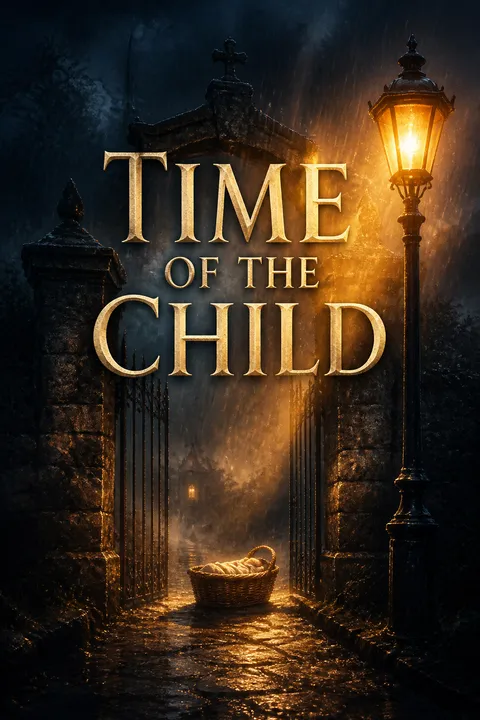
As darkness falls after the fair, Jude, weary and alone, discovers an abandoned infant near the church's back gate. The child appears lifeless, wrapped in a cloth, a silent plea left in the rain. Jude, joined by the Talty brothers, brings the baby to Doctor Troy's door, setting in motion a chain of events that will upend the lives of everyone in Faha. The doctor, his daughter Ronnie, and the brothers are drawn into a secret pact to protect the child, whose origins are unknown and whose presence is both a miracle and a challenge. In the hush of the night, as the baby is revived against all odds, the ordinary world is pierced by the extraordinary, and the time of the child truly begins.
Ronnie's Awakening
Ronnie Troy, long resigned to a life of service and solitude, finds herself transformed by the presence of the foundling. As she cares for the infant through the night—improvising feedings, soothing cries, and keeping vigil—Ronnie discovers a depth of love and purpose she had not known was possible. The baby, whom she names Noelle, becomes the center of her world, awakening in Ronnie a fierce protectiveness and a sense of destiny. The bond between woman and child grows in the quiet hours, even as Ronnie knows that their time together is threatened by the rules of church and state. In the warmth of the kitchen, under the watchful eyes of her father, Ronnie's heart opens, and she dares to hope for a future shaped by love rather than loss.
The Secret in Avalon
As the days pass, Doctor Troy and Ronnie struggle to keep the child's presence a secret. The doctor, torn between duty and love, concocts a desperate plan: if only his daughter could marry, perhaps she could keep the child. He writes to Noel Crowe, a young man once close to Ronnie, hoping to engineer a marriage that would satisfy the authorities. Meanwhile, the parish begins to whisper, and the walls of Avalon House seem to close in. The baby's needs draw father and daughter closer, even as the threat of discovery looms. The secret becomes a crucible, testing the limits of love, courage, and the willingness to defy the world for the sake of a child.
The Parish Whispers
The story of the foundling seeps into the village, carried on the currents of gossip and curiosity. The parishioners, expert in the art of knowing without being told, begin to piece together the truth. The curate, Father Coffey, is drawn into the web of secrecy, torn between compassion and the rules of his office. The doctor's reputation for aloofness is both shield and liability, as the community's attention turns toward Avalon House. The pressure mounts, and the fragile peace of the household is threatened by the inevitability of exposure. In the background, the old priest's decline continues, a reminder that time and change are relentless, and that every secret has its day.
The Doctor's Impossible Plan
With the authorities closing in and the parish abuzz, Doctor Troy's plan grows more desperate. He hopes that the death of Mrs. Crowe, Noel's grandmother, will bring the young man home from America, allowing for a marriage that could legitimize the child's place in the family. But fate intervenes: Noel cannot return, and the plan unravels. The doctor is left to confront the limits of his power, the pain of his daughter's heartbreak, and the reality that love cannot be engineered or contained. The household teeters on the edge of despair, as Ronnie faces the prospect of losing the child she has come to love as her own.
The Curate's Dilemma
Father Coffey, the young curate, is caught between the demands of the church, the needs of the parish, and his own conscience. Pressured to certify the old priest's incapacity and to uphold the rules regarding the foundling, he is drawn into a moral crisis. Late-night conversations with Doctor Troy reveal the deep ambiguities of faith, forgiveness, and the meaning of Christian love. The curate's struggle mirrors the larger tensions in the parish—a community bound by tradition, yet yearning for grace. In the end, it is not doctrine but compassion that prevails, as the curate chooses to support the doctor's efforts to keep the child safe, even as the future remains uncertain.
The Edge of Departure
As Christmas approaches, the pressure becomes unbearable. Ronnie, realizing that she cannot keep Noelle without a husband and fearing the child will be taken by the state, prepares to flee to England. Her decision is both an act of love and a surrender to the harsh realities of the world. She writes a farewell letter to her father, packs her suitcase, and slips out into the cold night with the baby in her arms. The doctor, waking to her absence, is overcome by grief and guilt, his heart breaking under the weight of all he could not save. The story seems poised for tragedy, as the roads of Faha stretch into darkness and the promise of home recedes.
The Crash and Return
In his anguish, Doctor Troy rushes out to find his daughter, only to crash his car on the icy road. As he lies injured, the parish rallies—Father Coffey finds him, and the community's care brings him back from the brink. Meanwhile, Ronnie, on the verge of leaving forever, is drawn back by a sudden realization: her place, and the child's, is in Faha, among her own people. She returns to Avalon House, bringing Noelle home just as her father awakens to hope. In the aftermath of crisis, father and daughter are reunited, their bond strengthened by suffering and forgiveness. The possibility of a future together, however uncertain, is restored.
The Parish Embraces
As word of the child's story spreads, the parish responds not with condemnation but with acceptance and quiet support. The Christmas boxes from the shops include gifts for the baby, and the women of the village offer help in small, meaningful ways. The curate, moved by the doctor's plea for mercy and the example of love he has witnessed, becomes an ally rather than an adversary. The old priest, in his innocence, blesses the child and the family. The village, once defined by sameness and silence, is transformed by the presence of the child—a living symbol of hope, renewal, and the enduring power of kindness.
Midnight Mass Miracle
On Christmas Eve, the parish gathers for Midnight Mass, the church aglow with candles and expectation. As the service begins, Noelle's cries echo through the pews, passing from arm to arm, mother to mother, until the entire congregation is drawn into her need. The old priest, Father Tom, rises from his seat and, with childlike joy, soothes the baby, his gesture a benediction that transcends words. In that moment, the boundaries between families, between past and present, between sorrow and joy, dissolve. The miracle is not in the suspension of natural law, but in the community's collective embrace of the child and all she represents—a new beginning, a shared hope, and the possibility of grace.
The Promise of Tomorrow
In the quiet after Midnight Mass, the doctor, Ronnie, and Noelle return home, their future uncertain but their hearts full. The parish, having witnessed the miracle of compassion, is changed—its old wounds eased, its divisions healed, if only for a time. The story of the child becomes legend, a reminder that even in the most ordinary places, love can break through, and that the smallest among us can bring about the greatest transformations. As the new day dawns, the promise of tomorrow lingers in the air, carried on the river and the wind, a testament to the enduring power of story, community, and the human heart.
Analysis
A modern parable of compassion, community, and the quiet revolution of loveTime of the Child is a luminous meditation on the power of ordinary people to enact extraordinary change through acts of care, courage, and forgiveness. Set in a rural Ireland poised between tradition and modernity, the novel explores the ways in which individuals and communities navigate the tensions between law and mercy, routine and transformation, isolation and belonging. At its heart is the foundling—a child who, by her very vulnerability, exposes the limits of custom and the possibilities of grace. Through the intertwined stories of Doctor Troy, Ronnie, Jude, and the parish, the novel asks what it means to be family, to be neighbor, to be human. It suggests that true miracles are not suspensions of natural law but eruptions of compassion in the face of fear and conformity. The lessons are timeless: that love, though often costly and fraught, is the only force capable of redeeming both the individual and the collective; that community is forged not by sameness but by the willingness to embrace the stranger; and that, even in the most unremarkable places, the ordinary can become holy when touched by kindness.
Review Summary
Characters
Doctor Jack Troy
Jack Troy is Faha's sole doctor, a man marked by loss, regret, and a deep sense of duty. Widowed and emotionally scarred by the death of his wife and a missed chance at late love, Jack moves through life with a stoic melancholy. His relationship with his daughter Ronnie is one of mutual care and unspoken longing, each shielding the other from further pain. Jack's psychological complexity lies in his struggle between professional detachment and personal vulnerability; he is indispensable to the parish yet feels isolated within it. The arrival of the foundling child forces Jack to confront his limitations, his capacity for love, and his willingness to defy convention for the sake of compassion. Through crisis, he evolves from a man resigned to sorrow to one who risks everything for hope.
Ronnie Troy
Ronnie, the eldest Troy daughter, is defined by her quiet competence, intelligence, and deep reserve. Living in the shadow of her father's grief and her sisters' departures, she finds solace in writing and in the routines of care. Ronnie's psychological journey is one of self-discovery: the foundling child awakens in her a fierce, transformative love that challenges her sense of duty and her willingness to accept a life of self-denial. Her relationship with her father is both tender and fraught, marked by mutual misunderstanding and eventual reconciliation. Ronnie's refusal to marry for convenience, her willingness to risk everything for the child, and her ultimate return to Faha mark her as a character of quiet but profound courage.
Jude Quinlan
Jude is a twelve-year-old boy shaped by tragedy—the death of his brother and the unpredictable love of his father. He is both an observer and a participant in the parish's dramas, his journey through the fair and his discovery of the child marking him as a catalyst for change. Jude's psychological depth lies in his capacity for empathy, his yearning for luck and meaning, and his struggle to reconcile survival with guilt. His connection to the foundling is both literal and symbolic: he is the one who finds her, and in doing so, finds a measure of redemption for himself and his family.
Father Tom (Canon)
Father Tom is the parish's long-serving priest, whose mind and memory are slipping away. His public faltering at Mass signals the end of an era and the vulnerability of old certainties. Psychologically, he embodies the tension between authority and frailty, faith and doubt. His moments of childlike innocence and his final blessing of the foundling serve as a bridge between the old world and the new, offering a benediction that is both poignant and redemptive.
Father Coffey
Father Coffey is the parish's earnest, conflicted curate, caught between the rules of the church, the needs of the community, and his own conscience. His psychological struggle is central to the novel's exploration of faith, mercy, and the limits of institutional authority. Through his interactions with Doctor Troy and his ultimate choice to support compassion over doctrine, Coffey evolves from a rule-bound functionary to a true shepherd of souls.
Mossie Crowe (Ganga)
Mossie is the grandfather of Noel Crowe and the husband of the dying Aine (Doady). His steadfastness, humor, and capacity for love anchor his family and provide a model of endurance for the parish. Mossie's relationship with his wife, his acceptance of loss, and his role in the community's rituals of care reveal a character shaped by both suffering and grace.
Aine Crowe (Doady)
Doady's slow decline and eventual death serve as a backdrop to the novel's central events. Though largely silent, her presence is felt in the love she inspires, the memories she holds, and the way her passing brings the community together. Her death is both an ending and a catalyst, prompting the return of family and the unfolding of the doctor's plan.
Noel Crowe
Noel is the grandson of Mossie and Doady, once close to Ronnie and the hoped-for solution to the foundling's predicament. His absence, and the doctor's desperate attempts to bring him home, symbolize the longing for connection and the limits of control. Noel's inability to return underscores the novel's themes of missed chances and the unpredictability of fate.
The Talty Brothers
The Talty brothers are bachelor farmers, indistinguishable to most, who represent the enduring, unchanging heart of the parish. Their role in bringing the foundling to the doctor and their quiet participation in the story's rituals highlight the strength of community and the power of silent witness.
The Foundling (Noelle)
The abandoned infant, named Noelle by Ronnie, is both a character and a symbol. Her presence disrupts the routines of Faha, exposes the limits of law and custom, and draws forth the best and worst in those around her. Psychologically, she represents vulnerability, possibility, and the redemptive power of love. Through her, the parish is transformed, and the boundaries between family, community, and stranger are redrawn.
Plot Devices
Interwoven Narratives and Shifting Perspectives
The novel employs a rich, interwoven narrative structure, shifting perspectives between Doctor Troy, Ronnie, Jude, and others to create a tapestry of voices and experiences. This polyphonic approach allows the reader to inhabit the inner worlds of characters across generations and social divides, deepening empathy and understanding. The narrative frequently stretches and compresses time, lingering on moments of crisis or revelation, and using memory and anticipation to blur the boundaries between past, present, and future. This structure mirrors the rhythms of rural life and the cyclical nature of tradition, while also highlighting the ways in which individual choices ripple through the community.
Foreshadowing and Symbolism
The novel is rich in foreshadowing, with early scenes—such as the priest's faltering at Mass, the doctor's melancholy, and the village's sense of waiting—hinting at the upheavals to come. Symbols abound: the river as a force of change and memory, the holly tree as a marker of tradition and vulnerability, the foundling as both miracle and challenge. Everyday objects—cakes, letters, soap dishes—take on heightened significance, embodying the emotional currents beneath the surface. The use of ritual (Mass, the fair, Christmas boxes) grounds the story in the familiar, even as these rituals are disrupted and reimagined.
Community as Character
Faha itself is more than a setting; it is a character shaped by collective memory, gossip, and the slow churn of history. The community's responses—to crisis, to change, to the presence of the child—are depicted as organic, evolving, and often contradictory. The interplay between individual agency and communal expectation is a central plot device, with the fate of the foundling hinging not only on the actions of the Troys but on the willingness of the parish to embrace or reject the extraordinary.
Moral and Emotional Dilemmas
The novel's central conflicts are not external but moral and emotional: the struggle between duty and compassion, the tension between institutional rules and the demands of the heart. Characters are repeatedly forced to choose between what is expected and what is right, between self-preservation and self-sacrifice. These dilemmas are dramatized through dialogue, internal monologue, and the slow unfolding of events, creating a sense of suspense that is as much ethical as narrative.
The Miraculous in the Everyday
The novel blurs the line between the mundane and the miraculous, suggesting that moments of grace, transformation, and redemption are found not in grand gestures but in small acts of kindness, courage, and connection. The foundling's survival, the parish's embrace, and the Midnight Mass miracle are all presented as both extraordinary and entirely possible within the fabric of ordinary life.








































