
Plot Summary
Shadows and Sparks Ignite
In a near-future America, a mysterious disease has killed most children and left the survivors with dangerous powers. The government responds with fear, rounding up the remaining kids and sending them to brutal camps. Among the chaos, we meet a cast of survivors—kids who have lost everything, adults who have lost hope, and a world teetering on the edge of collapse. The story opens with a desperate escape, a car chase, and the first sparks of rebellion. The darkness is everywhere, but so is the stubborn glimmer of hope, as the young protagonists realize that survival means more than just staying alive—it means finding something, or someone, worth fighting for.
The Price of Survival
Gabe, a young man broken by loss and poverty, becomes a skip tracer—hunting fugitive kids for bounty. His world is bleak, his motives selfish, but his journey is shaped by the people he meets and the choices he makes. When he captures Zu, a silent, resourceful girl with electric powers, he's forced to confront the humanity of those he's been taught to fear. Their uneasy alliance is tested by violence, betrayal, and the ever-present threat of the government. Gabe's struggle is not just for money, but for a sense of purpose and redemption in a world that has forgotten both.
Lost and Hunted
Zu and Gabe's journey is a desperate flight through a landscape of suspicion and violence. Every adult is a potential enemy, every stranger a threat. The camps loom as a fate worse than death, and the skip tracers are relentless. Along the way, they encounter other survivors—kids hiding in attics, families risking everything to protect them, and the ever-present shadow of betrayal. The lines between hunter and hunted blur, and Gabe's growing empathy for Zu forces him to question everything he thought he knew about right and wrong.
Unlikely Alliances
When Gabe and Zu rescue Bryson, a terrified Green, their small group becomes a fragile family. They navigate a world where kindness is rare and trust is dangerous. Della, a courageous adult, risks everything to help them, offering a glimpse of the world that could be. The group's journey is marked by small acts of defiance and moments of connection, as they learn that survival is not just about running, but about finding people to run with. The hope of sanctuary in California becomes a beacon, even as the dangers multiply.
The Girl in the Cage
Sam, a Green with perfect memory, endures the daily horrors of Thurmond, one of the government's most notorious camps. Abuse, deprivation, and the constant threat of violence are routine. When the Reds—kids with the most dangerous powers—are brought back as enforcers, Sam is forced to confront her past and her deepest fears. The arrival of Lucas, her childhood friend turned Red, brings both hope and heartbreak. Their reunion is fraught with pain, as the camp's cruelty threatens to destroy what little is left of their humanity.
Monsters in the Dark
Sam's struggle against her abuser, Tildon, is a battle for dignity and survival. The camp's system is designed to break spirits, but Sam's defiance inspires those around her. Lucas, trapped by his own conditioning, risks everything to protect her, even as he battles the monster the government has made him. Their bond, forged in childhood and tested by trauma, becomes a lifeline. The camp is a crucible, burning away weakness and forging a new kind of strength—one rooted in love, memory, and the refusal to surrender.
The Fire Within
Sam and Lucas's connection is a thread of light in the darkness. Their shared memories of Greenwood, their secret childhood world, become a weapon against the camp's attempts to erase their identities. As Lucas struggles to hold onto himself, Sam's love and determination anchor him. Their reunion is both a balm and a wound, as they face the reality of what they have lost and what they still might save. The fire within them is both literal and metaphorical—a force that can destroy, but also illuminate the path forward.
Escape and Betrayal
A daring escape from Thurmond is orchestrated with the help of allies inside and out. The plan is fraught with danger, and betrayal lurks at every turn. Sam and Lucas's flight is a desperate gamble, with the odds stacked against them. The outside world is no safer, as snatchers and bounty hunters prowl the ruins of society. The cost of freedom is high—pain, loss, and the constant threat of recapture. But the taste of hope is enough to keep them running, even as the past clings to their heels.
The Weight of Memory
The trauma of the camps lingers, shaping every choice and every relationship. Sam, Lucas, and Mia—Lucas's sister—struggle to build a new life in a world that doesn't want them. The scars of abuse, loss, and betrayal are slow to heal. The search for family, for a place to belong, becomes a quest for meaning. The past is both a burden and a guide, as the survivors learn that healing is not forgetting, but remembering with purpose.
Home Is Not Safe
The hope of finding safety in the old family home is quickly dashed. The world outside is as dangerous as the camps, with snatchers, soldiers, and neighbors all potential threats. The illusion of sanctuary is shattered by violence, forcing the group to confront the reality that home is not a place, but the people you fight for. The past cannot be reclaimed, but it can be honored—and the future must be built, one hard choice at a time.
The Cost of Hope
Every step toward freedom is paid for in pain and sacrifice. The group is forced to make impossible choices—who to trust, when to run, when to fight. The cost of hope is high, but the alternative is unthinkable. The bonds between Sam, Lucas, Mia, and their new allies are tested and strengthened. The fight is not just for survival, but for the right to define their own futures. The world is changing, and they are determined to shape it, no matter the cost.
Through the Ashes
The collapse of the camps and the fall of the old order leave a vacuum. The survivors must navigate a world in flux, where old enemies become new allies, and the lines between right and wrong are blurred. The process of healing is slow and painful, but the possibility of something better is real. The group's journey becomes a symbol of resilience, as they learn to trust, to forgive, and to hope again. The ashes of the past become the soil for new growth.
The Secret in Greenwood
The key to Lucas's recovery lies in the stories of Greenwood, the secret world he, Sam, and Mia created as children. The power of memory, of shared history, becomes a lifeline. As Ruby, a powerful Orange, helps unlock the trauma buried in Lucas's mind, the group discovers that healing is possible—but only if they face the pain together. Greenwood is more than a place; it is a symbol of the future they can build, if they dare.
The Power of Stories
Stories—personal, shared, and imagined—become the means by which the survivors reclaim their identities and their agency. Mia, inspired by her brother's tales, finds her own voice and purpose. The act of telling and listening becomes an act of resistance, a way to assert humanity in the face of dehumanization. The group learns that the stories they tell about themselves and each other can shape the world, and that hope is a story worth fighting for.
Reclaiming the Lost
The group's mission expands beyond their own survival. They become rescuers, seeking out other lost kids, fighting the snatchers and the remnants of the old regime. Lucas, now healed, is determined to help the other Reds, to break the cycle of trauma and violence. The process is fraught with setbacks and heartbreak, but the possibility of redemption is real. The lost are not beyond saving, and every life reclaimed is a victory against the darkness.
Healing and Reckoning
Healing is not linear, and the reckoning with the past is ongoing. The survivors must confront their own guilt, anger, and grief. Forgiveness—of themselves and each other—is hard-won. The process of building a new life is messy and uncertain, but the bonds forged in suffering are unbreakable. The group learns that healing is not about erasing the past, but about integrating it into a future they choose for themselves.
A New Kind of Family
Blood ties are not the only ones that matter. The group becomes a new kind of family, bound by choice, loyalty, and love. The old world is gone, but something better is possible. The survivors support each other, challenge each other, and refuse to let anyone be left behind. The future is uncertain, but they face it together, stronger for all they have endured.
Beyond the Night
The journey is not over, but the survivors have found a way through the darkness. The world is still dangerous, still broken, but hope endures. The secret in the woods, the stories they share, and the love they have for each other become the foundation for something new. The night is long, but the dawn is coming—and the way forward is lit by the sparks they carry within.
Analysis
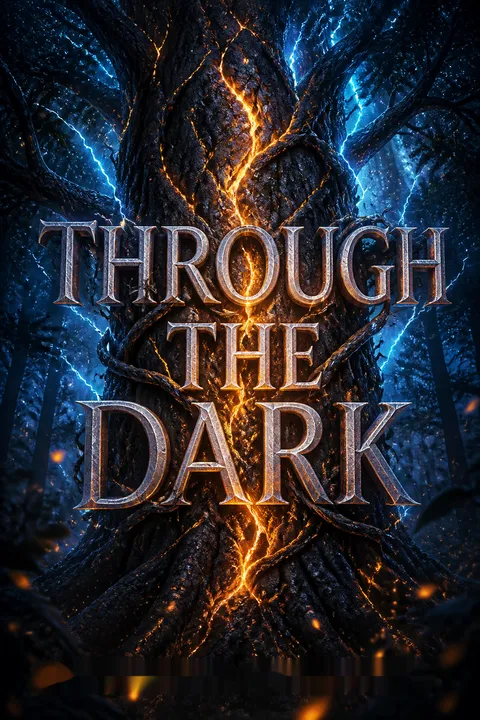
Through the Dark is a powerful meditation on trauma, survival, and the enduring power of hope. Alexandra Bracken's collection of novellas expands the world of The Darkest Minds, offering new perspectives and deeper emotional resonance. The book's greatest strength lies in its refusal to offer easy answers—healing is hard, redemption is costly, and the scars of the past are never fully erased. Yet, the story insists that even in the darkest times, there is a way forward—through memory, through connection, through the stories we tell and the families we choose. The narrative's focus on found family, the ethics of power, and the necessity of resistance is both timely and timeless. In a world that seeks to divide and dehumanize, Through the Dark is a testament to the resilience of the human spirit and the transformative power of love, memory, and hope. The lesson is clear: the way through the darkness is together, and the future belongs to those brave enough to imagine it.
Review Summary
Through the Dark is a collection of novellas from The Darkest Minds series that readers found emotionally powerful and satisfying. Many praised the author's ability to create compelling characters and expand the world. The novellas provided closure and answered lingering questions from the main trilogy. Readers particularly enjoyed seeing familiar characters return and exploring new perspectives. While some found certain stories weaker, overall the collection was highly rated for its engaging writing and ability to evoke strong emotions. Many fans considered it a must-read addition to the series.
Characters
Sam (Samantha Dahl)
Sam is a Green, gifted with perfect memory, but burdened by the trauma of life in Thurmond. Her journey is one of endurance, resistance, and ultimately, healing. She is fiercely protective of those she loves, especially Lucas and Mia, and her defiance in the face of abuse inspires those around her. Sam's relationship with Lucas is the emotional core of the story—a bond forged in childhood, tested by unimaginable cruelty, and ultimately redeemed by love and memory. Her struggle is not just to survive, but to reclaim her sense of self and to help others do the same. Through her, the story explores the power of memory, the cost of trauma, and the possibility of hope.
Lucas Orfeo
Lucas is a Red, one of the most feared and abused of the Psi kids. Conditioned by the government to be a weapon, he is both victim and survivor. His journey is one of loss—of family, of self, of innocence—but also of reclamation. The trauma he endures nearly destroys him, but the love and persistence of Sam and Mia help him find his way back. Lucas's struggle to hold onto his humanity, to resist the monster the world wants him to be, is a powerful exploration of identity and resilience. His decision to help other Reds, to break the cycle of violence, is an act of profound courage and redemption.
Mia Orfeo
Mia is Lucas's younger sister, a Blue with a fierce will and a sharp tongue. Her journey is one of longing—for family, for belonging, for a sense of purpose. Mia's love for Lucas drives much of the plot, and her refusal to give up on him is both her greatest strength and her deepest vulnerability. Through her, the story explores the power of stories to heal, to connect, and to inspire. Mia's growth from a frightened child to a young woman with a voice and a mission is a testament to the resilience of the human spirit.
Ruby Daly
Ruby is a survivor of the camps and a powerful Orange, able to manipulate minds and memories. Her journey is one of guilt, responsibility, and the search for redemption. Ruby's role as a rescuer and healer is complicated by the trauma she carries and the fear she inspires in others. Her relationship with Liam and her commitment to helping the other Reds highlight the complexities of power, trust, and forgiveness. Ruby is both a symbol of hope and a reminder of the cost of survival.
Liam Stewart
Liam is a Blue, a natural leader, and Ruby's partner. Haunted by the death of his brother, Cole, he is driven by a fierce sense of responsibility—to Ruby, to the group, and to the lost kids they try to save. Liam's struggle is to balance caution with courage, to protect those he loves without smothering them. His journey is one of learning to trust, to let go, and to believe in the possibility of a better future.
Vida Bautista
Vida is a Blue with a razor-sharp tongue and a heart of gold. Her bravado masks deep wounds, and her loyalty to her friends is absolute. Vida's role as protector and enforcer is balanced by her willingness to challenge authority and to push her friends to be their best selves. Her relationship with Charlie (Chubs) is a source of both humor and depth, and her courage in the face of danger is inspiring.
Charlie "Chubs"
Chubs is a Green, the group's strategist and moral center. His intelligence and caution often put him at odds with the more impulsive members of the group, but his loyalty is unwavering. Chubs's journey is one of learning to balance logic with empathy, to trust in the power of hope, and to fight for those he loves.
Zu (Suzume)
Zu is a Yellow, able to manipulate electricity, and one of the youngest survivors. Her silence is both a shield and a wound, a result of the trauma she has endured. Zu's journey is one of learning to trust, to communicate, and to reclaim her voice. Her resourcefulness and courage make her an invaluable ally, and her presence is a reminder of what is at stake.
Gabe
Gabe begins as a skip tracer, hunting kids for bounty, but his encounter with Zu forces him to confront his own humanity. His journey is one of transformation—from selfish survivor to reluctant protector to someone capable of sacrifice. Gabe's struggle is a mirror of the world's, and his redemption is hard-won.
Della
Della is one of the few adults willing to risk everything to help the Psi kids. Her courage, resourcefulness, and compassion offer a glimpse of the world that could be. Della's role as protector and guide is crucial, and her willingness to defy the system inspires those around her.
Plot Devices
Dual Narratives and Shifting Perspectives
The story is told through multiple perspectives—Gabe, Sam, Lucas, Mia, and others—each offering a unique lens on the world. This structure allows for a rich exploration of trauma, resilience, and hope, as each character's journey intersects and diverges. The shifting perspectives create a sense of urgency and intimacy, drawing the reader into the emotional core of the story. The use of first-person narration, interspersed with letters, memories, and stories, deepens the psychological complexity and highlights the interconnectedness of the characters.
Memory as Weapon and Sanctuary
Memory is both a source of pain and a tool for survival. The camps seek to erase identity, but the characters fight to hold onto their memories, using them as anchors and weapons. The stories of Greenwood, the secret world Sam, Lucas, and Mia created as children, become a lifeline—a way to resist dehumanization and reclaim agency. Ruby's ability to manipulate memory is both a blessing and a curse, raising questions about the ethics of healing and the cost of forgetting.
Trauma and Recovery
The story does not shy away from the realities of trauma—abuse, loss, betrayal—but it also insists on the possibility of recovery. Healing is portrayed as a messy, ongoing process, requiring courage, vulnerability, and the support of others. The group's journey is as much about learning to trust and forgive as it is about fighting external enemies. The narrative structure mirrors this process, with moments of hope and connection interspersed with setbacks and pain.
Found Family and Chosen Bonds
The traditional family is shattered, but new bonds are forged in the crucible of crisis. The group becomes a new kind of family, defined by choice, loyalty, and love. This theme is reinforced through recurring motifs of home, sanctuary, and belonging. The story challenges the idea that blood is thicker than water, insisting that the families we choose can be just as powerful—and sometimes more so—than those we are born into.
Resistance and Redemption
The story is driven by acts of resistance—some grand, some quiet. From Sam's refusal to be broken, to Gabe's decision to help Zu, to Ruby's fight to save the Reds, each act of defiance is a spark that lights the way forward. Redemption is a central motif, as characters seek to atone for past mistakes and to build something better from the ashes of the old world. The narrative structure uses foreshadowing, callbacks, and parallel arcs to reinforce the idea that change is possible, but never easy.
The Darkest Minds Series
About the Author
Other books by Alexandra Bracken
Download PDF
Download EPUB
.epub digital book format is ideal for reading ebooks on phones, tablets, and e-readers.








































