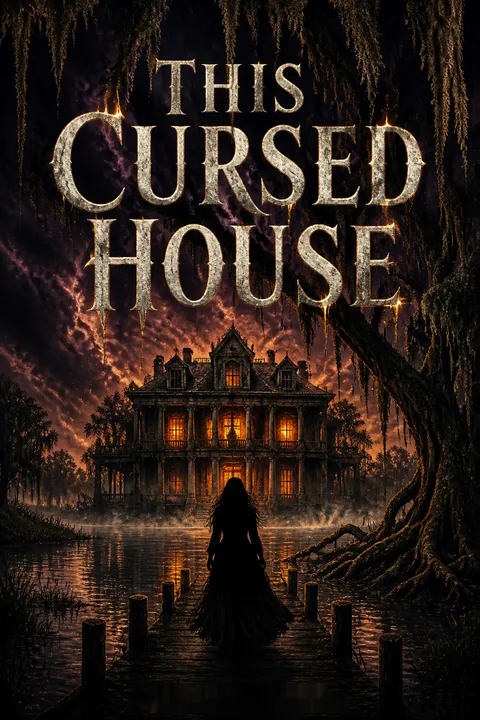

Plot Summary
Arrival in the South
Fleeing heartbreak and a failed life in Chicago, Jemma Barker boards a train to New Orleans in 1962, lured by a mysterious job offer from the wealthy Duchon family. The Southern heat is oppressive, and the city's racial tensions are palpable. Jemma, a Black woman, feels out of place and unwelcome, but the promise of a new start and generous pay outweighs her doubts. She meets locals who warn her against working for the Duchons, hinting at something sinister. Despite their unease, Jemma presses on, determined to escape her past and find purpose, even as she senses the presence of ghosts—both literal and metaphorical—following her into this new chapter of her life.
The Duchon Family's Secrets
At the grand but decaying Duchon estate, Jemma is introduced to a family whose pale skin and old-fashioned ways blur the lines between Black and white. The matriarch, Honorine, is imperious; her daughter Simone is cold and biting; grandchildren Fosette and Laurence are beautiful but strange. Jemma is unsettled by their insular world, their obsession with lineage, and the way they treat their Black maid, Agnes. The job she thought was tutoring is vague, and the family's interest in her seems to go beyond employment. Jemma feels both drawn in and alienated, sensing that the Duchons are hiding something that binds them—and now her—to the house.
Ghosts and Old Wounds
Jemma's ability to see spirits intensifies in the Duchon house. She glimpses ghostly figures and feels watched by unseen eyes. Memories of her troubled past—her abusive relationship, her suicide attempt, her adoptive father's coldness—surface, blending with the house's oppressive atmosphere. The family's history is full of loss and tragedy, with deaths occurring on the same date every seven years. Jemma's sense of self is shaken as she wonders if she belongs here, and if the ghosts she sees are warnings or pleas for help. The boundaries between the living and the dead, past and present, begin to blur.
A Job with No Name
After weeks of confusion, Jemma learns she was not hired as a tutor but as a potential savior. The Duchons are cursed: every seven years, on March 12th—Jemma's birthday—one of them dies a violent death. The family believes Jemma, a blood relative given away as a baby, is the only one who can break the curse. She is both horrified and strangely validated by her connection to them. The job is not just employment but a test of her identity, her power, and her willingness to confront the darkness that binds the Duchons—and herself—to this haunted place.
The Curse Revealed
Jemma discovers she is the daughter of Inès Duchon, the family's disgraced youngest, and that her birth coincided with the curse's beginning. Inès, now mute and known as Agnes the maid, was punished for cursing the family after her lover was murdered and her newborn (Jemma) was sent away for being too dark-skinned. The curse, meant to bind the Duchons to the house, has also doomed them to a cycle of death. Jemma's own trauma—her sense of not belonging, her struggles with forgiveness—mirrors the family's. The ghosts in the house are not just memories but victims of old crimes, demanding justice and release.
Boundaries and Bloodlines
Jemma tries to leave the property but finds herself mysteriously compelled to return, just as the Duchons are. She learns that only those present when the curse was cast are truly bound, but her blood ties make her vulnerable. The family's colorism and obsession with ancestry are exposed as both a source of pride and a prison. Jemma's relationship with her mother, her brother Laurence, and her cousin Fosette deepens, but the family's secrets—incest, betrayal, and violence—threaten to destroy them all. The ghosts grow more insistent, and Jemma realizes that breaking the curse will require confronting the full truth of the Duchons' past.
Haunted by the Past
Jemma seeks help from Magdalene, the midwife who saved her as a baby, and from the spirits themselves. She learns that the house is built on layers of trauma: not just the curse, but the unacknowledged suffering of enslaved people whose bones lie beneath the floor. The family's history of passing, colorism, and violence is revealed through old ledgers and ghostly visions. Jemma's own journey toward self-acceptance is mirrored in her quest to free the spirits and the living alike. The line between victim and perpetrator blurs, and Jemma must decide whether to run from or embrace her inheritance.
Seeking the Truth
Guided by visions and the ghosts' cryptic messages, Jemma discovers a hidden room beneath the house, sealed off after a fire. There, she finds the remains of seven enslaved people, murdered and entombed by an ancestor desperate to hide his own Blackness and maintain his status. The family's curse is not just supernatural but rooted in historical violence and denial. Jemma realizes that the only way to break the curse is to acknowledge the truth, give the dead a proper burial, and confront the family's complicity. The living and the dead are bound by secrets, and only honesty and atonement can set them free.
The Weight of Forgiveness
Jemma learns that breaking the curse requires more than rituals—it demands forgiveness. She must forgive her mother for giving her away, her family for their cruelty, and herself for her own pain. The Duchons, too, must ask forgiveness for the sins of their ancestors and their own. In a powerful ceremony, the family joins Jemma in naming and honoring the dead, seeking their pardon. The act of collective truth-telling and repentance lifts the curse, but not without cost. Some wounds cannot be healed, but the possibility of peace—both for the living and the dead—emerges.
Uncovering the Bones
With the help of Magdalene and the reluctant Duchons, Jemma oversees the exhumation and reburial of the bones beneath the house. The process is grueling and emotional, forcing each family member to confront their history and their own failings. The ghosts are finally able to rest, and the house is transformed from a place of secrets to one of remembrance. Jemma's role as both outsider and heir is solidified; she is the bridge between past and future, pain and healing. The family's survival depends on their willingness to change, but Jemma knows her own journey is not yet complete.
Breaking the Chains
On the eve of her twenty-eighth birthday, Jemma feels the weight of generations lift. The Duchons are free to leave the property, and the cycle of death ends. Some family members remain trapped by their own prejudices and regrets, but others—like Fosette—begin to seek new paths. Jemma's relationship with her mother is bittersweet; Inès chooses to leave, unable to remain in the place of her suffering. Jemma, too, must decide where to go and who she wants to become. The ghosts are gone, but their lessons remain, shaping the future of all who survived.
Freedom and Farewell
With the curse broken and her family's debts to the dead repaid, Jemma prepares to leave New Orleans. She is no longer running from her past but moving toward a future of her own making. She says goodbye to Magdalene, her truest friend, and to the Duchons, who thank her with money but not with love. Jemma's sense of self is transformed; she claims her birth name, Emmaline, and embraces her heritage—both the pain and the resilience. She sets out to find her mother and to build a life defined not by curses or colorism, but by her own choices.
A New Beginning
Boarding a train west, Emmaline leaves behind the haunted house and the ghosts of her family. She carries with her the lessons of forgiveness, the memory of those who suffered, and the hope of a new life. On the journey, she meets a spirit child and, instead of turning away, listens to her story. Emmaline introduces herself by her true name, signaling her acceptance of her past and her readiness to shape her own destiny. The story ends not with closure, but with the promise of freedom, healing, and the courage to face whatever comes next.
Analysis
Del Sandeen's This Cursed House is a powerful meditation on the legacy of trauma, the complexities of Black identity, and the necessity of truth and forgiveness. Through the lens of a Southern Gothic ghost story, the novel explores how families—and societies—are haunted by the violence and injustices of the past. The Duchon family's curse is both a supernatural affliction and a metaphor for the ways colorism, racism, and denial perpetuate suffering across generations. Jemma's journey from outsider to healer mirrors the process of self-acceptance and the courage required to confront painful histories. The novel insists that healing is possible, but only through collective acknowledgment, atonement, and the willingness to forgive—not to excuse, but to release oneself from the grip of anger and shame. In a modern context, the story resonates as a call to face the ghosts of history, to honor the forgotten, and to build a future rooted in honesty, compassion, and the freedom to define oneself.
Review Summary
Characters
Jemma Barker / Emmaline Duchon
Jemma is a young Black woman from Chicago, marked by trauma, abandonment, and a lifelong sense of not fitting in. Gifted (or cursed) with the ability to see ghosts, she is both an outsider and a potential savior when she arrives at the Duchon estate. Her journey is one of self-discovery, as she confronts her family's dark history, her own pain, and the demands of forgiveness. Jemma's psychological arc is defined by her struggle to claim her identity, to forgive those who hurt her, and to transform from a victim of circumstance into an agent of healing. Her relationships—with her mother, her brother, and the spirits—are fraught but ultimately redemptive.
Inès Duchon / Agnes
Inès is Jemma's birth mother, once the family's rebellious youngest daughter, now rendered mute and forced to serve as the family's maid. Her act of cursing the Duchons was born of grief, rage, and powerlessness after her lover's murder and her child's rejection. Inès's psychological journey is one of profound loss and endurance; her inability to speak is both literal and symbolic of her erasure. Her love for Jemma and Laurence is deep but complicated by guilt and trauma. Ultimately, her willingness to forgive and to let go is crucial to breaking the family's curse and freeing herself.
Honorine Duchon
Honorine is the formidable head of the Duchon family, clinging to the past and the illusion of respectability. Her pride in her ancestry is matched only by her capacity for cruelty and denial. She orchestrates the family's isolation and is complicit in the violence that sustains their privilege. Honorine's psychological rigidity masks deep fear and shame; she is both a victim and a perpetrator of generational trauma. Her relationship with Jemma is transactional, but she is forced to confront the truth of her family's sins and the limits of her control.
Simone Duchon Lemont
Simone is Honorine's daughter, mother to Fosette, and the family's most openly hostile member. She resents her sister Inès for being favored and for bringing shame to the family. Simone's psychological makeup is defined by jealousy, self-loathing, and a desperate need for validation. Her cruelty toward Jemma and Inès is a defense against her own pain. Simone's inability to change or to love freely leaves her isolated, even as the family's curse is lifted.
Fosette Duchon
Fosette is Jemma's cousin, beautiful and fragile, trapped by the family's expectations and her own longing for connection. Her relationship with her brother Laurence is both intimate and taboo, a symptom of the family's insularity. Fosette's inability to have children and her secret grief over a lost baby haunt her. She is both a victim and a participant in the family's dysfunction, but her apology to Jemma hints at the possibility of growth and change.
Laurence Duchon
Laurence is Jemma's brother, raised to believe Simone is his mother. Handsome and sensitive, he is both a product and a casualty of the family's secrets. His relationship with Fosette is fraught and ultimately destructive. Laurence's desire for freedom and connection is thwarted by the curse, and his death is a turning point for Jemma and Inès. He represents the cost of denial and the tragedy of unacknowledged love.
Russell Duchon
Russell is Honorine's son, a man who prefers comfort and denial to confrontation. He is complicit in the family's crimes, including the mutilation of Inès, but is also haunted by guilt and the ghosts he can see. Russell's journey is one of reluctant awakening; he is forced to face the consequences of his actions and to participate in the family's atonement.
Magdalene
Magdalene is the midwife who saved Jemma as a baby and serves as her guide and confidante. She is a survivor of her own losses, having lost a child and lived on the margins. Magdalene's wisdom, humor, and capacity for forgiveness are a counterpoint to the Duchons' dysfunction. She helps Jemma understand the power of truth, the necessity of forgiveness, and the importance of self-love. Her presence grounds the story in community and resilience.
Adam (Spirit)
Adam is the spirit of an enslaved man murdered by the Duchons' ancestor. His demand for justice and release drives the supernatural plot. Adam's presence is a reminder that the past cannot be buried; his interactions with Jemma force her and the family to confront the reality of their history. He is both a victim and a catalyst for change, embodying the need for acknowledgment and reparation.
Jane (Spirit)
Jane is another spirit trapped beneath the house, her pain and longing for rest palpable. She represents the innocent lives destroyed by the family's violence and the ongoing consequences of denial. Jane's interactions with Jemma are marked by fear and hope; her release is a sign that healing is possible, but only through truth and compassion.
Plot Devices
Generational Curse
The central plot device is the generational curse that binds the Duchon family to their estate and dooms them to periodic deaths. This curse is both literal and symbolic, representing the weight of historical trauma, colorism, and unacknowledged violence. The curse's mechanics—requiring a blood relative to break it, being tied to a specific date, and being rooted in an act of rage and grief—mirror the ways families pass down pain and secrets. The curse is ultimately revealed to be not just supernatural but a consequence of real crimes: murder, denial, and the refusal to honor the dead.
Ghosts and Hauntings
The ghosts in the story are not just scary apparitions but the literal embodiment of the past's unresolved injustices. They serve as both warnings and guides, pushing Jemma and the family to confront what has been buried—physically and emotionally. The ability to see ghosts is a hereditary gift/curse, symbolizing the burden of memory and the necessity of bearing witness. The spirits' demands for acknowledgment and proper burial drive the plot toward its climax.
Colorism and Passing
The Duchons' obsession with skin color, ancestry, and respectability is a recurring motif, shaping their relationships and their fate. The family's history of passing, their rejection of darker-skinned relatives, and their internalized racism are both a source of privilege and a prison. These dynamics are mirrored in the supernatural plot, as the curse is rooted in the denial of Blackness and the violence done to those deemed unworthy.
Forgiveness and Truth-Telling
The story's resolution hinges on the characters' willingness to tell the truth, to ask for and grant forgiveness, and to honor the dead. Rituals, séances, and exhumations are not enough without genuine repentance and the courage to face the past. The act of naming the dead, seeking their pardon, and forgiving oneself and others is the true magic that breaks the curse. This device underscores the novel's message that healing is possible only through collective acknowledgment and atonement.
Narrative Structure and Foreshadowing
The novel's structure is nonlinear, with past and present intertwining through memories, visions, and ghostly visitations. Foreshadowing is used to build suspense—Jemma's visions, the recurring smell of smoke, the repeated deaths on her birthday—all point to a deeper truth that is only gradually uncovered. The cyclical nature of the curse mirrors the cycles of trauma and the possibility of breaking them through conscious action.
Download PDF
Download EPUB
.epub digital book format is ideal for reading ebooks on phones, tablets, and e-readers.








































