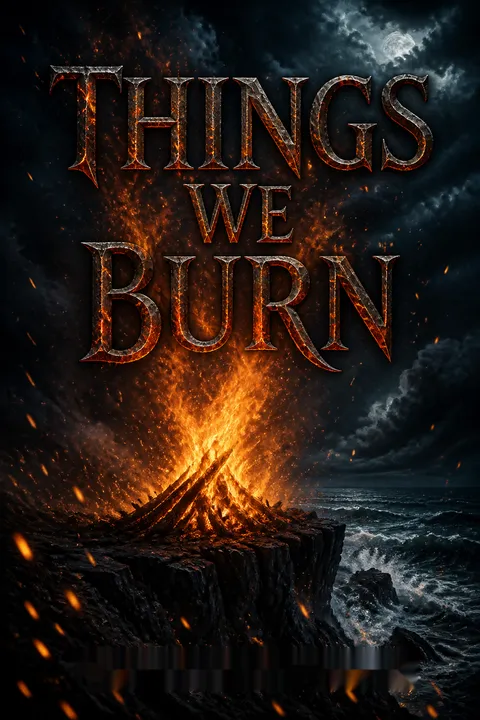

Plot Summary
Burnout and Beginnings
Avery Hart, a celebrated chef in New York, is burnt out and emotionally numb, her life consumed by her demanding kitchen. Dragged to a party by her best friend Kiera, Avery is desperate for something to break her routine. She's not looking for love—just a spark, a reminder that she's alive. At the party, she meets Kane "The Devil" Rhodes, a rugged, world-famous daredevil. Their chemistry is instant and electric, and for the first time in years, Avery feels seen. Kane's presence is a challenge to her carefully constructed walls, and she's both terrified and exhilarated by the possibility of something new.
The Devil's Invitation
Kane approaches Avery with a directness that disarms her. Their banter is sharp, playful, and charged with desire. Kane's reputation as a fearless athlete precedes him, but he's unexpectedly gentle, asking for consent at every turn. Avery, used to control and order, is drawn to his chaos. She agrees to leave the party with him, surrendering to a night of reckless abandon. On the back of his motorcycle, Avery feels alive, the city blurring around her as she clings to Kane, both of them hurtling toward something neither can name.
One Night, New Lives
In Kane's borrowed brownstone, Avery and Kane's connection deepens. Their night together is raw, passionate, and transformative—Avery discovers a side of herself she's long suppressed. Kane is attentive, worshipful, and unafraid of her strength. They talk, cook, and make love with abandon, each encounter peeling back layers of armor. For Avery, it's more than sex; it's a reclamation of her body and desires. By morning, both are changed, but neither knows what comes next. The city outside feels different, and the possibility of more lingers in the air.
Afterglow and Unraveling
The morning brings reality crashing in. Avery, fiercely independent, is unsettled by how much she wants Kane to stay. Kane, used to fleeting connections, is surprised by his own reluctance to let her go. They part ways, each pretending it was just a night, but both are haunted by what they shared. Avery throws herself back into her kitchen, but her focus is fractured. Kane, meanwhile, is determined to see her again, enlisting his publicist to secure a reservation at her restaurant. Their lives, once separate, are now on a collision course.
Kitchen Queen, City King
Kane appears at Avery's restaurant, breaking through her professional façade. Their chemistry is undeniable, and the kitchen—Avery's sanctuary—becomes the stage for their next encounter. Kane is captivated by Avery's command and brilliance, while Avery is shaken by how easily he unsettles her. After service, they give in to their desire, making love in the kitchen, blurring the lines between power and surrender. Their connection is no longer a secret, and both are forced to confront what it means to want—and be wanted—so deeply.
Collisions and Consequences
As Avery and Kane's relationship intensifies, so do the challenges. Avery's past trauma resurfaces when a famous chef who once assaulted her returns to her life, threatening her hard-won stability. Kane's own demons—his violent childhood, his time in prison—come to light. Both are forced to reckon with their histories, their vulnerabilities exposed. When Kane violently confronts Avery's abuser, he's arrested, and their world implodes. Avery is left to navigate the fallout, guilt-ridden and alone, while Kane faces the consequences of his actions.
The Guilt and the Gift
With Kane in prison, Avery is adrift. She discovers she's pregnant, a secret she tries to share with Kane but is thwarted by his manipulative manager, Brax. Isolated and overwhelmed, Avery flees New York for Jupiter, Maine, seeking anonymity and safety. She builds a new life, haunted by the loss of Kane and the uncertainty of motherhood. The pregnancy is both a gift and a burden, a reminder of what she's lost and what she must protect. Avery's world narrows to survival, her heart aching for the man she believes has abandoned her.
Family, Forgiveness, and Fear
Kane is released early and tracks Avery to Maine, discovering her heavily pregnant and alone. Their reunion is explosive—anger, betrayal, and longing collide. Both must confront the lies that kept them apart and the pain of their separation. Kane is furious at being robbed of time with Avery and their child, while Avery is terrified of letting herself hope again. Slowly, they begin to rebuild, constructing a home and a nursery, learning to trust each other anew. The specter of the past lingers, but the promise of family offers a fragile hope.
Jupiter, Maine: Escape
In Jupiter, Avery and Kane attempt to forge a new life. The small town offers peace, but also isolation. Avery's mother and sister arrive, bringing both comfort and the need to confront old wounds. Motherhood is overwhelming—Avery battles postpartum anxiety, guilt, and the loss of her former self. Kane, determined to be present, becomes a devoted partner and father, but struggles with his own trauma and the fear of failing his family. Together, they navigate sleepless nights, shifting identities, and the relentless demands of a newborn.
Reunion in the Rain
As Avery and Kane settle into parenthood, they are forced to face the truths they've avoided. Honest conversations about their pasts—Avery's estrangement from her family, Kane's violent upbringing—bring them closer. The arrival of Avery's mother and sister helps her heal old rifts, and the support of Jupiter's women offers a lifeline. Kane proposes, and they marry in a simple, heartfelt ceremony. The storm of their past begins to clear, replaced by the steady rhythm of family life and the hope of new dreams.
Building a New Home
With the help of Jupiter's close-knit community, Avery and Kane find their footing. The women of the town rally around Avery, offering practical support and hard-won wisdom. Kane bonds with other fathers, finding camaraderie and understanding. Avery opens her own restaurant, Tides, reclaiming her passion and identity beyond motherhood. Together, they build a home filled with love, laughter, and the chaos of real life. The village they never knew they needed becomes their anchor, proving that no one is meant to do this alone.
Motherhood's First Fires
The early months of motherhood are a crucible for Avery. Colic, sleep deprivation, and self-doubt threaten to consume her. She mourns her old life, battles anxiety, and fears she's failing her daughter. Kane, too, is tested—his patience, his masculinity, his sense of purpose. Their relationship is strained, but their love endures. With the support of friends and family, Avery learns to surrender control, to accept help, and to trust herself. The fires of motherhood burn away her old self, forging something stronger and more resilient.
The Village Arrives
The women of Jupiter become Avery's lifeline. They show up with food, advice, and a willingness to burn the parenting books that make her feel inadequate. Through laughter, tears, and shared experience, Avery finds solidarity and strength. The village saves her—not by fixing everything, but by reminding her she's not alone. Kane, too, finds his place, embracing the ordinary joys of fatherhood and partnership. Together, they learn that survival is a team effort, and that love—messy, imperfect, and hard-won—is enough.
Postpartum and Powerlessness
The trauma of Avery's past and the violence that touched their family linger. Both she and Kane struggle with anxiety, nightmares, and the fear of losing each other or their daughter. Therapy, honesty, and the unwavering support of their village help them heal. Avery learns to forgive herself, to accept that perfection is impossible, and that love is found in the trying. Kane confronts his own demons, determined to break the cycle of pain and be the father he never had. Together, they hold on, healing in the fires they've survived.
The Past Returns
Just as Avery and Kane begin to find peace, the past comes roaring back. Brax, Kane's former manager, desperate and unhinged, breaks into their home, threatening Avery and Mabel. Avery stands her ground, willing to die to protect her daughter. In a moment of violence and mercy, Kane's brother Knox intervenes, killing Brax and saving their family. The aftermath is messy—trauma, guilt, and the burden of secrets—but it cements the bonds between them. They are survivors, forged in fire, and nothing will break them now.
Blood on the Kitchen Floor
The violence in their home leaves scars—visible and invisible. Avery and Kane must navigate the aftermath, keeping Knox's involvement secret and grappling with the trauma of what happened. Avery's anxiety spikes, her need to protect Mabel overwhelming. Kane is haunted by his inability to prevent the danger, but together they find a way forward. The kitchen, once a place of solace, becomes a symbol of both pain and resilience. They learn that survival is not about erasing the past, but about living with it, together.
Healing, Hurting, Holding On
With time, therapy, and the unwavering support of their village, Avery and Kane begin to heal. Avery returns to her restaurant, finding joy and purpose in her work. Kane embraces his role as a stay-at-home dad, finding fulfillment in the ordinary moments. Their love, tested by fire, emerges stronger. They learn to forgive themselves and each other, to accept help, and to celebrate the messy, beautiful reality of their lives. Together, they hold on, knowing that love is not about perfection, but about persistence.
Tides: A New Dream
Avery's restaurant, Tides, becomes a symbol of her reclaimed identity. With Kane's support, she builds a business that reflects her values—community, creativity, and care. Kane finds new purpose, writing his memoir and mentoring young athletes. Together, they launch a meal service for new mothers, partnering with Avery's sister Maisie. Their family grows, their roots deepen, and their love story becomes a legacy. The fires they've survived become the foundation for something lasting, something worth burning for.
The Village That Saves
The women of Jupiter remain Avery's lifeline, their friendships a source of strength and joy. Together, they celebrate milestones, weather storms, and raise their children in a web of love and support. The village is not perfect, but it is enough. Avery learns that asking for help is not weakness, but wisdom. Kane, too, finds belonging, his past no longer a shadow but a story of survival. Together, they build a life that is messy, beautiful, and real.
Love, Loss, and Letting Go
The ghosts of the past linger—Avery's father, Kane's childhood, the violence that touched their family. But through honesty, therapy, and the daily work of love, they learn to let go. Avery forgives her father, reconnects with her mother and sister, and finds peace in the life she's built. Kane makes peace with his own demons, determined to be the father and partner he never had. Together, they honor the things they've lost and celebrate the things they've found.
The Devil's Daughter
Mabel, their daughter, becomes the center of their world—a living testament to their survival and love. Parenthood is hard, messy, and relentless, but it is also joyful and redemptive. Avery and Kane learn to be partners in every sense, supporting each other through sleepless nights, tantrums, and the endless demands of family life. Their love story is not a fairy tale, but a promise—to keep showing up, to keep holding on, to keep burning for each other and the life they've built.
Surrender and Survival
In the end, Avery and Kane learn that survival is not about control, but about surrender. They let go of perfection, embrace the mess, and find strength in vulnerability. Their love is not unscathed, but it is unbreakable. Together, they face whatever comes—knowing that they are stronger for the fires they've survived, and that the things they burn are the things that make them whole.
The Things We Burn
The story closes with Avery and Kane, side by side, watching their daughter sleep. The fires of their past have not destroyed them, but forged them into something new. Their love is imperfect, hard-won, and fiercely alive. They have burned for each other, for their family, for the life they've built. And in the ashes, they find not just survival, but joy. The things we burn are the things that make us—if we are brave enough to let them.
Analysis
"Things We Burn" is a raw, unflinching exploration of love, trauma, and the fires that forge us. Anne Malcom's novel is both a love story and a survival manual, a testament to the messy, relentless, and redemptive realities of motherhood and partnership. At its core, the book is about surrender—letting go of perfection, embracing vulnerability, and trusting in the power of community. Avery and Kane's journey is marked by pain, loss, and the constant threat of being undone by the past, but it is also a story of resilience, healing, and the courage to keep showing up. The novel challenges the myth of the "supermom," exposing the dangers of isolation and the necessity of help. It celebrates the village—the friends, family, and strangers who save us when we cannot save ourselves. Through its intimate, dual narration and its honest portrayal of postpartum struggles, "Things We Burn" offers a modern, feminist take on romance and family, reminding us that the things we burn are not lost, but transformed. The lesson is clear: survival is not about never breaking, but about finding the strength to rebuild, together.
Review Summary
Things We Burn receives mixed reviews, averaging 3.81/5. Many readers praise the intense chemistry between Avery and Kane, with Kane's protective, devoted nature being a standout highlight. The realistic portrayal of pregnancy and postpartum struggles resonates deeply, particularly with mothers. Common criticisms include pacing inconsistencies, insta-love execution, insufficient Kane POV, and the story feeling like multiple books combined. Several readers felt the romance diminished after the pregnancy storyline took over, while others found the emotional depth and raw authenticity made it a compelling, unforgettable read.
People Also Read





Characters
Avery Hart
Avery is a world-class chef whose life is defined by control, order, and relentless ambition. Scarred by past trauma and estrangement from her family, she's built walls to protect herself from vulnerability. Her relationship with Kane is both a challenge and a salvation—he awakens her desires, her capacity for surrender, and her longing for connection. Motherhood shatters her illusions of control, forcing her to confront her deepest fears and insecurities. Through love, loss, and the fires of postpartum, Avery learns to accept help, forgive herself, and embrace the messy, beautiful reality of her new life.
Kane "The Devil" Rhodes
Kane is a world-famous extreme sports star, known for his fearlessness and magnetic presence. Beneath the bravado lies a man scarred by a violent childhood, time in prison, and a desperate need to prove himself. His love for Avery is transformative—she is his anchor, his home, and his redemption. Fatherhood brings out his tenderness and devotion, but also his deepest fears of failure and loss. Kane's journey is one of surrender—learning to let go of the past, to accept love, and to find purpose in the ordinary joys of family life.
Kiera Graves
Kiera is Avery's opposite in many ways—outgoing, glamorous, and emotionally open. She pushes Avery out of her comfort zone, both socially and emotionally, and is a constant source of support and humor. Kiera's own struggles with burnout and identity mirror Avery's, and their friendship is a testament to the power of chosen family. She is the village Avery never knew she needed, always ready with advice, a shoulder to cry on, or a much-needed reality check.
Brax Smith
Brax is the embodiment of the dangers lurking in the shadows of fame and ambition. He manipulates, lies, and ultimately betrays both Kane and Avery, setting in motion the events that nearly destroy their family. His desperation and resentment lead him to violence, and his actions force Avery and Kane to confront the darkest parts of themselves. Brax's downfall is a cautionary tale about the corrosive power of envy and the importance of boundaries.
Knox Rhodes
Knox is Kane's older brother, a man shaped by trauma and a life lived in the margins. He is fiercely loyal, willing to do whatever it takes to protect his family—even if it means crossing moral lines. Knox's presence is both a comfort and a threat, a reminder of the violence that shaped Kane and the lengths to which love can drive us. His actions in the story's climax are both redemptive and haunting, leaving a legacy of both gratitude and guilt.
Judith Hart
Judith is a source of unconditional love and wisdom, even as her relationship with Avery is fraught with old wounds and misunderstandings. She represents the power of forgiveness, the importance of community, and the enduring strength of maternal love. Judith's presence in Jupiter is a turning point for Avery, helping her heal, reconnect, and accept the help she so desperately needs.
Maisie Hart
Maisie is Avery's opposite—open, emotional, and deeply connected to family. Her journey as a young mother offers both a mirror and a contrast to Avery's struggles. Through Maisie, Avery learns the value of vulnerability, the importance of asking for help, and the beauty of imperfection. Their partnership in business and motherhood is a testament to the healing power of sisterhood.
Fiona, Nora, Calliope, and the Jupiter Women
The women of Jupiter are the embodiment of community, solidarity, and the unspoken bonds between mothers. Each brings her own wisdom, humor, and hard-won experience to Avery's life, offering practical help and emotional support. They are the antidote to isolation, the proof that no one is meant to do this alone. Their presence transforms Avery's experience of motherhood from a solitary struggle to a shared journey.
Mabel Rhodes
Mabel is the living embodiment of Avery and Kane's love, the catalyst for their transformation, and the center of their world. Her arrival is both a gift and a challenge, forcing her parents to confront their deepest fears, insecurities, and hopes. Through Mabel, Avery and Kane learn the true meaning of surrender, resilience, and unconditional love.
Rowan, Kip, and the Jupiter Men
The men of Jupiter offer Kane a model of fatherhood and partnership that is grounded in vulnerability, presence, and care. Their friendships provide camaraderie, advice, and a sense of belonging. Together, they challenge traditional notions of masculinity, proving that strength is found in showing up, in loving fiercely, and in supporting each other through the fires of life.
Plot Devices
Dual Narration and Intimate Perspective
The novel employs a dual narrative structure, alternating between Avery and Kane's perspectives. This allows readers to experience the story's emotional highs and lows from both sides, deepening empathy and understanding. The intimate, first-person voice draws readers into the characters' inner worlds, exposing their vulnerabilities, desires, and fears. This device is crucial for exploring themes of trauma, healing, and the messy realities of love and parenthood.
Trauma and Healing as Narrative Engine
The story is driven by the characters' efforts to survive and heal from past trauma—Avery's assault and estrangement, Kane's violent childhood and incarceration. These wounds shape their choices, their relationship, and their approach to parenthood. The narrative uses flashbacks, confessions, and moments of crisis to reveal how the past lingers in the present, and how healing is a communal, ongoing process.
The Village as Salvation
The arrival of Jupiter's women—and the broader community—serves as a turning point in Avery's journey. The "village" is both literal and symbolic, representing the necessity of support, the wisdom of shared experience, and the courage to ask for help. This device challenges the myth of the "supermom" and underscores the story's central message: survival is a team effort.
Motherhood as Transformation
Motherhood is depicted as both a crucible and a rebirth. Avery's journey is one of surrender—letting go of control, perfectionism, and the illusion of self-sufficiency. The narrative uses the metaphor of fire—burnout, burning bridges, burning books—to illustrate how the things we let go of make space for new growth. The story is unflinching in its portrayal of postpartum struggles, anxiety, and the messy, beautiful reality of raising a child.
Foreshadowing and Cyclical Structure
The novel is rich with foreshadowing—Avery's early exhaustion, Kane's warnings about danger, the specter of past violence—all hint at the challenges to come. The cyclical structure—beginning and ending with moments of vulnerability, surrender, and hope—reinforces the idea that survival is not a destination, but a process. The fires that threaten to destroy are also the fires that forge.
Download PDF
Download EPUB
.epub digital book format is ideal for reading ebooks on phones, tablets, and e-readers.








































