
Plot Summary
Grave Digging in Darkness
In the bleak, stinking outskirts of a pig farm, a drunken man and a weary boy labor to bury something unspeakable. The boy, already numbed by loss and routine horror, is forced to take up the shovel as the man drinks and reminisces about his own brutal upbringing. The farm is a place of rot and violence, where the stench of pig shit and the threat of the man's unpredictable cruelty hang heavy. The boy's small act of mercy—saving a worm from the shovel—contrasts with the grim fate of whatever lies in the army bag beside them. This moment sets the tone: a world where innocence is crushed, and survival means hardening the heart.
Apartment Complex Despair
In a crumbling apartment building, Chuck, a middle-aged alcoholic, is drawn into the orbit of Leslie, a brash, self-destructive neighbor. Their lives are defined by poverty, addiction, and disappointment. Leslie's rage at her boyfriend's departure leads to a drunken, confessional night with Chuck, where they bond over shared failures and the bleakness of aging without hope. Their banter is laced with bitterness and dark humor, revealing scars both physical and emotional. The apartment is a microcosm of societal decay, where every neighbor is a broken soul, and every interaction is tinged with desperation.
Lost Boy, Found Monster
Years earlier, the boy—now on the farm—was a child lost in a shopping mall, searching for his mother. His vulnerability is exploited by a predatory security guard, who lures him away with false promises of safety. The boy's terror and confusion are palpable as he's drugged and taken to a remote, filthy farm. The abduction is swift and matter-of-fact, a chilling reminder of how quickly innocence can be stolen. The boy's fate is sealed not by a single act of violence, but by the slow, grinding machinery of cruelty and neglect.
Barflies and Conspiracies
In the local dive bar, Chuck and his neighbor Eugene debate the meaning of a rash of mysterious phone calls and the growing sense of unease in the city. Eugene's paranoia—blaming Satanists, Big Pharma, and government conspiracies—mirrors the larger societal anxiety. The bar is a haven for the lost and the damned: Barman, the gruff bartender; Shitty, a disabled vagrant; and a rotating cast of drunks and sex workers. Their conversations are laced with gallows humor and resignation, as news of a strange new epidemic—The Scream—begins to filter in, signaling that something is deeply wrong in the world.
The Scream Spreads
The Scream, a mysterious affliction causing uncontrollable screaming, insomnia, and eventual death or suicide, spreads rapidly. Chuck and his circle witness its effects firsthand: people in their building and neighborhood succumb, losing their minds and attacking others in fits of rage. The city descends into chaos as emergency services are overwhelmed, and the media speculates wildly about the cause—virus, environmental collapse, or something more sinister. The disease is both literal and metaphorical, a manifestation of the collective despair and rage simmering beneath the surface of society.
Pig Farm Prison
On the farm, the boy is forced into a life of servitude and complicity. The man, his captor, is both tormentor and twisted father figure, teaching him to care for pigs and process "veal"—young women kept in cages, starved and brutalized to tenderize their flesh. The boy's empathy is slowly eroded as he's made to participate in the daily horrors of the farm. The man's philosophy is simple: the world is cruel, and survival means embracing that cruelty. The boy's transformation from victim to accomplice is gradual, marked by small acts of resistance and eventual acceptance.
Leslie's Hunger
Leslie's need for fullness—sexual, emotional, and physical—drives her to ever more extreme acts. Her relationship with Chuck is transactional and raw, a way to stave off the void inside her. Their sexual encounters are messy, sometimes grotesque, blending food, violence, and longing. Leslie's backstory emerges: a failed marriage, the loss of her children, and a suicide attempt that left her scarred. Her pain is bottomless, and her pursuit of satisfaction is both tragic and darkly comic. She is both victim and survivor, her hunger a metaphor for the insatiable emptiness at the heart of modern life.
Veal in Chains
The man initiates the boy into the final ritual of the farm: slaughtering a captive woman. The act is both a test and a rite of passage, marking the boy's transition from child to "man." The woman's pleas are ignored; her humanity is erased as she becomes meat. The boy's initial reluctance gives way to a sense of power and belonging, as the man praises him for his brutality. The farm's logic is complete: empathy is weakness, and survival requires the destruction of conscience. The boy's soul is scarred, but he is now fully part of the man's world.
Screaming Pandemic
The city is overrun by screamers—people driven mad by the disease, attacking and killing in frenzies of violence. Chuck, Leslie, and a small group of survivors barricade themselves in the apartment, watching as civilization disintegrates outside. The media blames everything from climate change to ancient viruses released by melting permafrost. The group's attempts to maintain order and decency break down as the threat grows closer. Old grievances and secrets surface, and the line between victim and perpetrator blurs. The pandemic is both a literal plague and a metaphor for the rot at the heart of humanity.
Fullness and Emptiness
As the world ends, the survivors seek meaning and comfort in sex, violence, and confession. Leslie's quest for fullness culminates in a grotesque orgy, a final attempt to fill the void before death. Barman confesses to past crimes, seeking absolution. Chuck is torn between his desire for connection and his instinct for self-preservation. The group's fragile alliances dissolve as screamers breach their sanctuary, forcing them to confront the reality that there is no escape, no redemption, only the inevitability of death and the futility of desire.
Collapse of Decency
With law and order gone, the survivors are forced to make impossible choices: killing infected children, disposing of bodies, and turning on each other. The veneer of civilization is stripped away, revealing the primal instincts beneath. Chuck and Leslie's relationship is tested by jealousy, guilt, and the ever-present threat of violence. The group debates whether to show mercy or ruthlessness, but every decision is tainted by fear and self-interest. The apartment becomes a microcosm of a world where decency is a luxury no one can afford.
The Hunt Begins
On the farm, the boy is finally allowed to hunt for new "veal," completing his transformation into the man's heir. He stalks and abducts a girl from a mall, using the same tactics that were once used on him. The act is both triumphant and hollow, a victory that cements his place in the cycle of abuse. The man, now sick and dying, passes on his twisted legacy, urging the boy to continue the work. The farm's logic is self-perpetuating: victims become perpetrators, and the machinery of cruelty grinds on.
Blood and Mercy
As the pandemic reaches its peak, Chuck is left with a final, impossible task: caring for an infant survivor. The baby's cries are a reminder of innocence, but also of the futility of hope in a world gone mad. Chuck contemplates mercy killing, recognizing that survival is no longer possible, and that death may be the only kindness left. The cycle of violence and despair is complete; the last act of humanity is to end suffering, not to prolong it. The world is silent, save for the echoes of screams.
The End of the World
With Leslie dead and the city in ruins, Chuck wanders through the aftermath, haunted by memories of the farm, the people he's lost, and the choices he's made. The apocalypse is not a moment of revelation, but a slow, grinding descent into darkness. The survivors are gone, the streets are empty, and the only sound is the distant, fading wail of the last screamers. Chuck's final thoughts are of regret, longing, and the realization that the world was always broken, long before the end came.
Survivors and Confessions
In the final moments, survivors confess their sins and seek forgiveness. Barman admits to past rapes, seeking redemption before dying. Chuck reflects on his own complicity and the legacy of violence passed down from the man on the farm. The boundaries between victim and perpetrator blur, and the search for meaning becomes desperate. The last survivors are left with nothing but their memories and the knowledge that there is no absolution, only the end.
The Last Promise
Chuck makes a final promise to Leslie: to protect the surviving children. But as the world collapses, he realizes that mercy may mean ending their suffering rather than prolonging it. The promise is both a burden and a release, a final act of love in a world without hope. The cycle of violence is unbroken, but the possibility of kindness, however fleeting, remains.
The Final Veal
In the aftermath, the boy—now a young man—is rescued and returned to society, but he is irreparably damaged. The authorities see him as a victim, but he knows he is also a perpetrator, shaped by the man's teachings and the horrors of the farm. The world outside is no less cruel, and the cycle of abuse continues. The story ends not with redemption, but with the recognition that the machinery of violence is eternal, and that the line between innocence and guilt is forever blurred.
Analysis
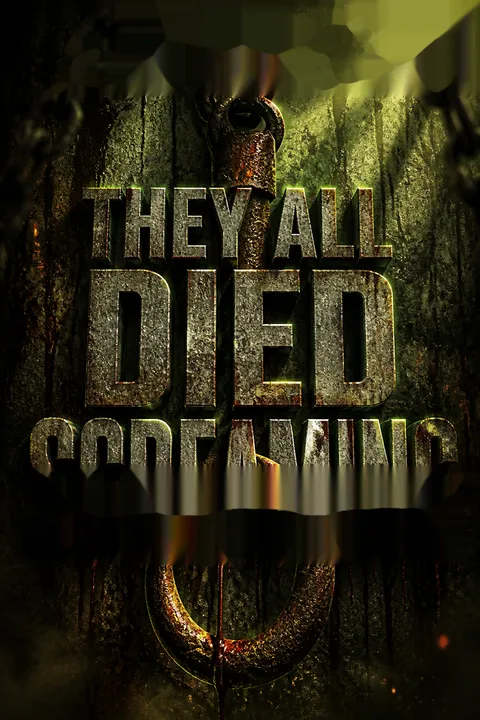
A brutal allegory of modern despair and the cycles of violenceThey All Died Screaming is a relentless exploration of the ways in which trauma, abuse, and societal decay perpetuate themselves across generations. Through its dual narrative of a boy's transformation from victim to accomplice on a pig farm and the collapse of a city under the weight of a mysterious pandemic, the novel exposes the thin veneer of civilization and the primal instincts that lurk beneath. The Scream is both a literal disease and a metaphor for the collective agony of a world that has lost its way—where empathy is weakness, and survival demands the destruction of conscience. The characters' quests for fullness, meaning, and connection are doomed by the emptiness at the heart of their lives, and the machinery of violence grinds on, unbroken. In the end, the novel offers no easy redemption or hope, only the possibility of small acts of mercy amid the ruins. It is a savage, unflinching indictment of a world that has forgotten how to care, and a warning that the true apocalypse is not an external event, but the slow, inexorable collapse of our own humanity.
Review Summary
Reviews for They All Died Screaming are largely positive, averaging 3.58/5. Many readers praise Triana's dual narrative structure — a pandemic storyline alongside a disturbing farm abduction tale — and the way both threads converge at the end. Fans of extreme horror appreciate the complex characters, intense violence, and depravity. Critics felt the two storylines would have worked better separately, found the explicit content excessive, or disliked the largely unlikeable cast. Overall, splatterpunk enthusiasts were mostly satisfied, while casual horror readers struggled with the book's extreme content.
Characters
Chuck
Chuck is a middle-aged alcoholic whose life is defined by failure, addiction, and regret. Once a victim of abduction and abuse, he has become numb to suffering, drifting through life in a haze of booze and self-loathing. His relationships—with Leslie, Eugene, and the other apartment dwellers—are transactional and fraught with unspoken pain. Chuck's psychological journey is one of reluctant self-awareness: he is both victim and perpetrator, shaped by the violence of his past and the collapse of the world around him. His final acts—caring for Leslie, protecting the children, and contemplating mercy killing—reveal a flicker of humanity amid the ruins.
Leslie
Leslie is a brash, scarred woman driven by an insatiable hunger for love, sex, and meaning. Her past is marked by trauma: a failed marriage, the loss of her children, and a suicide attempt. She masks her pain with humor, aggression, and addiction, using sex and food as temporary salves for her emptiness. Leslie's relationship with Chuck is both a lifeline and a battleground, as they oscillate between tenderness and cruelty. Her quest for fullness is ultimately tragic, a metaphor for the void at the heart of modern existence. In her final moments, she finds a measure of peace, accepting death as the only true release.
The Boy (Young Chuck)
Abducted as a child and raised on a pig farm by a sadistic captor, the boy is forced to participate in acts of brutality and dehumanization. His transformation from victim to accomplice is gradual and heartbreaking, as he learns to suppress empathy and embrace the farm's logic of survival through cruelty. The man becomes both tormentor and father figure, teaching the boy that the world is a place of predators and prey. The boy's psychological development is marked by small acts of resistance, eventual acceptance, and the ultimate loss of innocence.
The Man (Quaid Crews)
The man is a complex figure: both a monster and a mentor, he embodies the logic of cruelty that defines the farm. His philosophy is simple—empathy is weakness, and survival requires the destruction of conscience. He grooms the boy to become his heir, teaching him to process "veal" and care for the pigs. The man's own history of abuse and trauma is hinted at, but never excuses his actions. He is both a product and a perpetuator of violence, passing on his legacy to the next generation.
Eugene
Eugene is a neighbor of Chuck's, defined by his paranoia, germaphobia, and obsession with conspiracy theories. He is both comic relief and a tragic figure, living with his mother and unable to function in the world. Eugene's descent into madness mirrors the larger collapse of society, as his delusions become indistinguishable from reality. His final acts—attempted rape, desperate search for a cure—reveal the depths of his alienation and the dangers of unchecked fear.
Barman
Barman is the gruff, stoic bartender at Rudy's Place, serving as both witness and participant in the unfolding chaos. His nihilism masks a deep well of guilt and self-loathing, revealed in his final confession of past crimes. Barman's journey is one of reluctant redemption: he tries to protect the survivors, confesses his sins, and seeks absolution before dying. His character embodies the tension between cynicism and the longing for meaning in a world gone mad.
Shitty (Paulie)
Shitty is a homeless man with physical deformities and a crude sense of humor. He is both marginalized and oddly insightful, offering a perspective from the bottom of society. Shitty's interactions with Chuck and the others are laced with dark humor and resignation. His final moments—choosing to leave the apartment and face death on his own terms—are both pathetic and oddly noble, a small assertion of agency in a world that has stripped him of everything.
Brittany
Brittany is a teenage girl struggling with her gender identity, seeking acceptance and love in a hostile world. Her relationship with Chuck is tender and bittersweet, offering a glimpse of connection and understanding amid the chaos. Brittany's vulnerability is both a source of strength and a reminder of the fragility of innocence. Her survival is uncertain, but her presence is a testament to the possibility of kindness and acceptance, even at the end of the world.
Keisha
Keisha is a young mother trapped in the apartment complex, driven by the need to protect her children. Her journey is one of increasing desperation, as she risks everything to reach her babies. Keisha's fate is tragic, a reminder of the countless unseen victims of catastrophe. Her love for her children is both her strength and her undoing, as she is ultimately unable to save them or herself.
Angel
Angel is a prostitute who becomes entangled with the survivors in the apartment. Her presence exposes the group's hypocrisies and desires, and her eventual transformation into a screamer is both shocking and inevitable. Angel's character is a reminder of the vulnerability of those on the margins, and the ease with which society discards them when crisis comes.
Plot Devices
Dual Narrative Structure
The novel alternates between the boy's life on the pig farm and Chuck's present-day struggles in the city. This dual structure creates a sense of inevitability, as the horrors of the past bleed into the present. The farm is both a literal and metaphorical prison, mirroring the apartment complex where the survivors are trapped. The two narratives converge thematically, exploring the cyclical nature of violence and the impossibility of escape.
Foreshadowing and Symbolism
The imagery of meat—pigs, veal, slaughter—pervades the novel, symbolizing the dehumanization and commodification of bodies. Hunger, both literal and metaphorical, drives the characters' actions and desires. The void at the heart of Leslie's quest for fullness is echoed in the emptiness of the world as it collapses. The Scream itself is a manifestation of collective despair, a disease that strips away the veneer of civilization to reveal the raw, animalistic core.
Social Satire and Dark Humor
The novel uses satire and black comedy to expose the rot at the heart of society: addiction, poverty, sexual violence, and the failure of institutions. The characters' banter and confessions are laced with irony and self-awareness, highlighting the absurdity of their predicament. The collapse of decency is both horrifying and darkly funny, a reflection of the world's inability to confront its own failures.
Unreliable Narration and Psychological Realism
The narrative is filtered through the damaged psyches of its characters, particularly Chuck and the boy. Their perceptions are shaped by trauma, addiction, and self-deception, making it difficult to distinguish truth from rationalization. The novel refuses easy answers or redemption, instead presenting a world where guilt and innocence are forever intertwined.
Apocalyptic Allegory
The pandemic is both a literal disease and an allegory for the rage, despair, and alienation that define modern life. The collapse of society is not caused by an external threat, but by the internal rot of its people. The end of the world is not a sudden cataclysm, but a slow, grinding descent into madness and violence.
About the Author
Other books by Kristopher Triana

Download PDF
Download EPUB
.epub digital book format is ideal for reading ebooks on phones, tablets, and e-readers.








































