
Plot Summary
The Locked Room Mystery
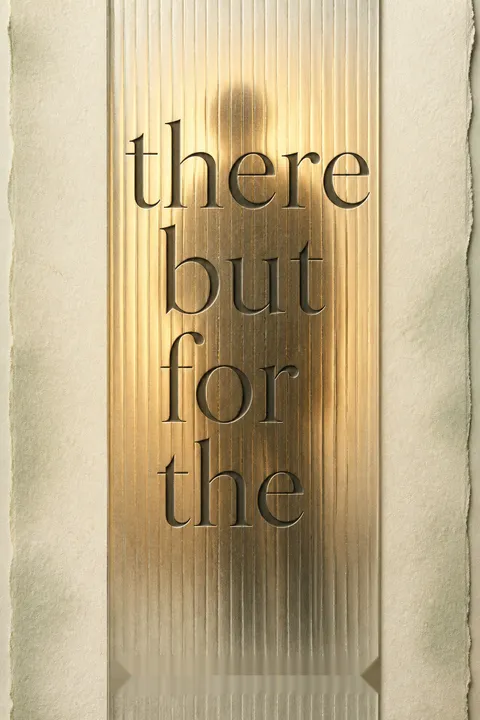
At a genteel dinner party in Greenwich, an unremarkable man named Miles Garth quietly excuses himself between courses, ascends the stairs, and locks himself in the Lees' spare bedroom. He refuses to come out, speak, or explain himself, communicating only through brief notes slipped under the door. The Lees, bewildered and increasingly desperate, try everything from gentle persuasion to police advice, but Miles remains silent and immovable. His inexplicable act becomes a local sensation, drawing attention from neighbors, the media, and eventually a crowd of onlookers. The locked room becomes a symbol—of protest, of withdrawal, of the unknowable in others. The Lees' home, once a place of hospitality, is transformed into a site of tension, spectacle, and mystery.
Anna's Forgotten Connection
Anna Hardie, a middle-aged woman adrift after quitting her job, receives an email from the Lees. They found her contact in Miles's phone and hope she can coax him out. Anna barely remembers Miles—just a brief friendship from a teenage European tour decades ago. Yet, she is drawn into the drama, traveling to Greenwich and confronting her own sense of dislocation. Anna's visit is awkward and fruitless; Miles does not respond to her voice or memories. The encounter forces Anna to reflect on her own past, her failures, and the strange ways people become entangled in each other's lives. The locked door becomes a mirror for Anna's own uncertainties and the limits of connection.
Dinner Party Disruption
The Lees' annual "alternative" dinner party, meant to foster new connections, is thrown into chaos by Miles's disappearance upstairs. The guests—an eclectic mix of friends, academics, and neighbors—speculate about his motives, backgrounds, and the meaning of his silence. Conversations spiral from the trivial to the profound, touching on art, politics, memory, and identity. The dinner table becomes a microcosm of contemporary anxieties: about belonging, surveillance, and the boundaries between public and private. The event, intended as a celebration of diversity and openness, instead exposes the fragility of social rituals and the discomfort of the unknown.
The Child Historian
Brooke Bayoude, a precocious and inquisitive ten-year-old neighbor, becomes fascinated by the unfolding drama. She befriends Anna and becomes a messenger between the adults and the locked room. Brooke's perspective is sharp, playful, and deeply curious—she collects facts, writes notes, and tries to make sense of the adult world's contradictions. Her "History Moleskine" becomes a living document of the event, blending observation, jokes, and philosophical questions. Through Brooke, the story explores how children process complexity, how history is made and remembered, and how the act of witnessing can itself be a form of participation.
The Past Revisited
Anna's attempts to reach Miles trigger a flood of memories from their shared youth: a European tour, awkward friendships, and formative moments. The narrative shifts between past and present, showing how small acts of kindness or exclusion echo across decades. Anna recalls Miles as a gentle, witty boy who once helped her feel less alone. These recollections are interwoven with her adult disappointments and the sense that the past is both irretrievable and ever-present. The chapter explores how identity is constructed from fragments, how nostalgia can both comfort and trap, and how the stories we tell about ourselves are always incomplete.
The Crowd Gathers
As news of Miles's self-imposed isolation spreads, a crowd assembles outside the Lees' house. The gathering becomes a media event, with journalists, activists, and curiosity-seekers vying for a glimpse or a statement. The crowd's motives are mixed: some are drawn by empathy, others by voyeurism, and many by the hope of witnessing something extraordinary. The Lees' private crisis becomes public property, and the boundaries between inside and outside, self and other, blur. The crowd's presence amplifies the sense of unreality, turning Miles into a symbol, a cause, and a mystery to be solved or consumed.
Mark's Haunted Memory
Mark Palmer, another dinner guest and a friend of Miles, is deeply affected by the event. Mark's narrative is shaped by grief—his mother's suicide, the loss of his partner, and the weight of memory. He converses with the voice of his dead mother in his head, reflecting on history, art, and the impossibility of truly knowing another person. Mark's story is one of survival, resilience, and the search for meaning in the face of absence. His memories of Miles are tinged with affection and regret, and he becomes a quiet witness to the unfolding drama, both participant and observer.
The Art of Not Belonging
The novel explores the experience of not fitting in—whether as a child, an immigrant, or simply a person out of step with the world. Anna, Mark, Brooke, and even Miles are all, in their ways, outsiders. The dinner party guests debate art, ethics, and identity, revealing their own insecurities and prejudices. The locked room becomes a metaphor for exclusion and the longing for connection. The narrative interrogates the idea of home, the meaning of community, and the ways in which people are both present and absent in each other's lives.
May's Final Days
Interwoven with the main narrative is the story of May Young, an elderly woman in a hospital bed, drifting in and out of lucidity. May's memories—of war, family, loss, and love—surface in fragments, shaped by the indignities of age and institutional care. Her story is one of endurance, humor, and the struggle to maintain dignity in the face of decline. May's connection to Miles is revealed through a simple act of remembrance: each year, Miles sends a card or a visitor to sit with her on the anniversary of her daughter's death. May's story becomes a meditation on mortality, memory, and the small acts of kindness that persist beyond understanding.
The Fact Is
Throughout the novel, characters—especially Brooke—collect and share "facts," both trivial and profound. These facts become a way of making sense of the world, asserting agency, and resisting the chaos of experience. The act of recording, listing, and narrating is shown to be both empowering and limited. Facts can be misleading, stories can be unreliable, and meaning is always provisional. The interplay between fact and fiction, history and imagination, is at the heart of the novel's exploration of truth and storytelling.
The Escape Unseen
After months of speculation, protest, and media frenzy, the locked room is found empty. Miles has vanished, leaving behind only a few notes and the memory of his presence. The crowd is left bewildered; the Lees are relieved and unsettled. The event's meaning is debated, commodified, and quickly begins to fade from public consciousness. For those closest to the story—Anna, Mark, Brooke—the disappearance is both an anticlimax and a liberation. The locked room, once a site of mystery and possibility, becomes just another empty space.
Brooke's History Book
In the aftermath, Brooke compiles her "History Moleskine," documenting the facts, jokes, and stories she has collected. Her account is playful, inventive, and deeply personal—a testament to the power of curiosity and the importance of bearing witness. Brooke's history is not definitive; it is open-ended, full of questions and alternative endings. Through her eyes, the novel affirms the value of storytelling, the necessity of imagination, and the possibility of hope even in the face of uncertainty.
The Empty Room
The Lees' spare room, once the center of attention, is now just a room again. The crowd disperses, the media moves on, and life resumes its ordinary rhythms. Yet, the event leaves traces—changed relationships, altered perceptions, and a lingering sense of possibility. The empty room becomes a symbol of both loss and freedom, a reminder that meaning is made in the spaces between people, in what is left unsaid and undone.
The Meaning of Stories
The novel reflects on the purpose of storytelling—how it helps us make sense of the world, connect with others, and endure the passage of time. Stories are shown to be both a refuge and a challenge, a way of preserving memory and imagining alternatives. The characters' stories—fragmented, overlapping, and sometimes contradictory—form a mosaic of experience. The act of telling and retelling becomes an assertion of presence, a way of saying "I was there."
The Cleverist
Brooke's journey culminates in her embrace of being not just the "cleverest" but the "cleverist"—someone who uses intelligence with empathy, humor, and generosity. The novel celebrates the value of curiosity, the courage to ask questions, and the importance of kindness in a world that often rewards conformity and silence. Brooke's voice, full of wit and wonder, offers a vision of hope and resilience.
The World Watches
The story interrogates the culture of spectacle—the ways in which private lives become public entertainment, and how surveillance shapes behavior and identity. The crowd outside the Lees' house, the media coverage, and the proliferation of "facts" and rumors all reflect a society hungry for meaning and connection, yet often complicit in the very alienation it seeks to overcome. The novel asks what it means to be seen, to be known, and to be remembered.
The End and the Beginning
The novel closes with a sense of openness—stories unfinished, questions unanswered, and possibilities still unfolding. The locked room is empty, but the act of telling, remembering, and imagining continues. The characters move forward, changed by what they have witnessed and endured. The end is not an ending, but a beginning—a call to pay attention, to care, and to keep asking what it means to be human.
Analysis
Ali Smith's There But For The is a dazzling meditation on connection, absence, and the stories we tell to make sense of our lives. Through the enigmatic act of Miles Garth locking himself away, Smith explores the boundaries between self and other, the hunger for meaning in a fragmented world, and the ways in which private acts become public spectacles. The novel's polyphonic structure—blending adult and child voices, past and present, fact and fiction—mirrors the complexity of contemporary experience, where truth is provisional and identity is always in flux. Smith interrogates the culture of surveillance, the commodification of suffering, and the longing for community in an age of isolation. Yet, she also affirms the power of curiosity, kindness, and imagination—embodied most vividly in the character of Brooke, whose "cleverist" approach to life offers hope and resilience. The novel suggests that meaning is not found in answers, but in the act of asking, witnessing, and caring. In a world obsessed with spectacle and certainty, There But For The invites us to embrace ambiguity, to honor the stories that connect us, and to recognize the humanity in ourselves and others—even, or especially, when it remains locked away.
Review Summary
Reviews for There But For The are mixed, averaging 3.5 stars. Many praise Ali Smith's inventive wordplay, structural cleverness, and memorable characters—particularly the precocious child Brooke. Admirers compare her to Virginia Woolf and celebrate her tender, humorous, and emotionally resonant prose. Critics, however, find the novel self-indulgent, overly experimental, and frustrating in its refusal to explain its central character, Miles. The dinner party sequence receives near-universal acclaim, while the final sections divide readers. Most agree Smith is a gifted writer, even when the novel itself fails to fully satisfy.
People Also Read

Characters
Miles Garth
Miles is the man who locks himself in the Lees' spare room, setting the entire narrative in motion. His motivations remain mysterious—he offers no explanation, refuses all communication, and becomes a blank canvas for others' projections. Miles is both absent and hyper-present, his silence provoking speculation, empathy, and frustration. Psychologically, he embodies withdrawal, protest, and the limits of understanding. His past, glimpsed through Anna's memories, reveals a gentle, witty, and kind young man, but as an adult, he becomes a symbol of resistance to the demands of society and the expectations of others. His disappearance is both a loss and a liberation, leaving those around him to grapple with the meaning of his absence.
Anna Hardie
Anna is a middle-aged woman adrift after leaving her job, summoned into the drama by her tenuous connection to Miles. Her role is that of reluctant investigator, emotional witness, and self-examiner. Anna's relationship to Miles is rooted in a brief, formative friendship from their youth—a time of awkwardness, exclusion, and small acts of kindness. Psychologically, Anna is marked by uncertainty, regret, and a longing for connection. Her journey through the novel is one of self-discovery, as she confronts her own failures, the limits of memory, and the possibility of change. Anna's development is subtle—she moves from passivity to engagement, from nostalgia to acceptance, and from isolation to a renewed sense of agency.
Brooke Bayoude
Brooke is a ten-year-old girl whose curiosity, intelligence, and playfulness infuse the novel with energy and insight. She becomes a chronicler of events, collecting facts, writing notes, and asking questions that adults cannot answer. Brooke's relationship to the other characters is both direct and symbolic—she bridges generations, translates complexity, and insists on the value of observation and imagination. Psychologically, Brooke is resilient, inventive, and empathetic. Her development is marked by a growing awareness of the world's ambiguities and injustices, but also by a refusal to be diminished by them. Brooke's "History Moleskine" becomes a testament to the power of storytelling and the importance of bearing witness.
Mark Palmer
Mark is a dinner guest and friend of Miles, whose narrative is shaped by loss—his mother's suicide, the death of his partner, and the weight of memory. Mark's relationship to Miles is affectionate and regretful; he is both participant and observer, drawn into the drama yet unable to resolve it. Psychologically, Mark is introspective, melancholic, and searching for meaning. He converses with the voice of his dead mother, reflecting on history, art, and the impossibility of truly knowing another person. Mark's development is one of endurance and quiet resilience, as he learns to live with absence and to find solace in small acts of connection.
Genevieve (Gen) Lee
Gen is the owner of the house where Miles locks himself away. Her role is that of beleaguered host, mediator, and reluctant participant in the unfolding spectacle. Gen's relationship to Miles is distant—she barely knows him—but his presence disrupts her sense of order and security. Psychologically, Gen is anxious, controlling, and increasingly desperate as the situation spirals beyond her grasp. Her development is marked by a gradual loss of composure, a confrontation with her own limitations, and a reluctant acceptance of uncertainty.
Eric Lee
Eric is Gen's husband, a quieter figure whose role is largely supportive. His relationship to Gen is one of partnership, but he is less emotionally invested in the drama. Psychologically, Eric is pragmatic, reserved, and somewhat detached. He represents the limits of rationality in the face of the inexplicable, and his development is subtle—he becomes more present as the crisis deepens, but remains a secondary figure.
May Young
May is an elderly woman in a hospital bed, her story interwoven with the main narrative. Her memories—of war, family, loss, and love—surface in fragments, shaped by the indignities of age and institutional care. May's connection to Miles is through his annual act of remembrance for her daughter. Psychologically, May is resilient, humorous, and determined to maintain dignity. Her development is a movement toward acceptance, as she confronts mortality and the persistence of memory.
Terence and Bernice Bayoude
Terence and Bernice are academics, loving and supportive parents to Brooke. Their relationship to the main narrative is through their daughter and their participation in the dinner party. Psychologically, they are thoughtful, engaged, and sometimes overwhelmed by the complexities of modern life. They provide a model of curiosity, debate, and care, and their development is seen in their efforts to nurture Brooke's intelligence and resilience.
Josie Lee
Josie is the Lees' teenage daughter, whose life is disrupted by Miles's presence. Her role is that of intermediary, reluctant participant, and observer. Psychologically, Josie is pragmatic, adaptable, and quietly rebellious. She represents the impact of adult crises on the young, and her development is marked by a growing independence and resourcefulness.
The Crowd
The crowd outside the Lees' house is a character in itself—a shifting, heterogeneous mass of curiosity, empathy, and spectacle. Its relationship to the main characters is both intimate and distant, reflecting the ways in which private lives become public property. Psychologically, the crowd embodies the hunger for meaning, the dangers of voyeurism, and the complexities of collective action. Its development is cyclical—growing, dispersing, and leaving behind only traces of its presence.
Plot Devices
Fragmented Narrative Structure
The novel employs a fragmented, polyphonic structure, moving between different characters' points of view, past and present, and various narrative forms (emails, notes, inner monologues, lists, and stories within stories). This structure mirrors the complexity of experience, the unreliability of memory, and the multiplicity of truth. The use of shifting perspectives allows the reader to see events from multiple angles, highlighting the subjectivity of interpretation and the impossibility of a single, authoritative account. The narrative's layering of voices—adult and child, living and dead, insider and outsider—creates a rich tapestry of meaning, inviting the reader to participate in the act of making sense.
The Locked Room as Metaphor
The locked room is both a literal space and a metaphor for isolation, protest, and the limits of understanding. It functions as a site of projection—characters and the public alike invest it with meaning, fear, and hope. The room's inaccessibility becomes a symbol of the barriers between people, the mysteries at the heart of identity, and the desire for escape or transformation. The eventual emptiness of the room underscores the provisional nature of meaning and the inevitability of change.
The Child's Perspective
Brooke's voice and her "History Moleskine" provide a counterpoint to the adult narratives, offering clarity, humor, and a refusal to accept easy answers. The child's perspective is used to question assumptions, expose contradictions, and affirm the value of wonder. Brooke's collection of facts, jokes, and stories becomes a plot device for exploring the construction of history, the importance of bearing witness, and the possibility of hope.
Intertextuality and Allusion
The novel is rich with allusions—to Shakespeare, song lyrics, historical events, and other works of fiction. These references serve to situate the story within a broader cultural context, to draw connections between past and present, and to invite the reader into a dialogue with tradition. The use of intertextuality underscores the novel's themes of memory, storytelling, and the search for meaning.
Foreshadowing and Irony
The narrative is full of foreshadowing—small details, jokes, and anecdotes that later acquire deeper significance. Irony is used to highlight the gap between intention and outcome, appearance and reality. The locked room, the crowd, and the media spectacle all become sites of irony, as the search for meaning is continually frustrated and redirected.


Download PDF
Download EPUB
.epub digital book format is ideal for reading ebooks on phones, tablets, and e-readers.








































