

Plot Summary
Shattered Night, Broken Dreams
Casey's world is upended in a single, shattering moment. A car accident claims her beloved brother Ben, leaving her physically scarred and emotionally adrift. The loss fractures her family and her sense of self, and the guilt of surviving when Ben did not becomes a wound that never quite heals. Her dreams of a future in music are dashed by her injured hand, and the boy she's always loved—Gray, her brother's best friend—becomes both a lifeline and a painful reminder of everything she's lost. In the aftermath, Casey is left to navigate a world that feels colder and emptier, haunted by memories and the ache of what might have been.
Grief's Unforgiving Silence
In the wake of Ben's death, Casey's home becomes a mausoleum of sorrow. Her mother is consumed by grief, and Casey is left to mourn alone, her pain unspoken and unseen. The silence is suffocating, and the world's indifference to her loss only deepens her isolation. Even her passion for the piano becomes a source of anguish, as her injured hand refuses to cooperate, severing her last connection to joy. The only solace comes from Gray, whose presence is both comforting and complicated. Their shared grief draws them together, but the boundaries between friendship and something more blur, leaving Casey uncertain of her place in the world and in Gray's heart.
Campus of Second Chances
Desperate for escape, Casey enrolls at the University of Tennessee, following in Ben's footsteps. The campus is alive with possibility, a stark contrast to the stifling grief of home. Here, she hopes to reinvent herself, to find healing and maybe even happiness. Her roommate, Nat, is a whirlwind of energy and optimism, pulling Casey into the current of college life. Yet, the past lingers—Gray is here too, and their unresolved feelings simmer beneath the surface. As Casey tries to carve out a new identity, she is drawn into the orbit of Parker Davis, the enigmatic star quarterback whose intense gaze promises both danger and salvation.
Obsession in Blue Eyes
From the moment Parker lays eyes on Casey, something primal awakens in him. His obsession is immediate and all-consuming, a hunger that borders on predatory. He orchestrates chance encounters, inserts himself into her life, and studies her every move. For Casey, Parker is both magnetic and terrifying—a man whose attention feels like both a blessing and a curse. His confidence is overwhelming, his pursuit relentless. As their paths intertwine, Casey is caught between the comfort of the familiar with Gray and the electric pull of Parker's dangerous devotion. The line between love and obsession blurs, and Casey must decide if Parker is her salvation or her undoing.
Rival Hearts Collide
The campus becomes a battleground as Gray and Parker vie for Casey's heart. Gray, haunted by guilt and longing, finally confesses his feelings, offering Casey the safety of shared history. Parker, meanwhile, is undeterred by obstacles—his pursuit is strategic, manipulative, and unwavering. The rivalry escalates, with each man exposing the other's flaws and secrets. Casey is torn, her loyalties divided between the boy she's always loved and the man who sees her in ways no one else ever has. The tension reaches a breaking point at a party, where betrayal and jealousy ignite a chain of events that will change everything.
The Sphinx's Shadow
Parker's world is not just football and fame—it's also shadowed by the Sphinx, an elite secret society that demands loyalty and secrecy. Initiation trials test his limits, forcing him into morally gray territory. Grave robbing, staged interrogations, and clandestine rituals become part of his reality, mirroring the manipulations he employs in his pursuit of Casey. The Sphinx's influence is pervasive, offering both protection and peril. As Parker navigates these trials, he becomes increasingly adept at bending rules and orchestrating outcomes, skills he applies ruthlessly in his quest to win Casey. The society's shadow looms over every choice, blurring the line between ambition and obsession.
Game Day Temptations
Game days are electric, the stadium a crucible where legends are made and hearts are broken. Parker thrives under the spotlight, his every move scrutinized by fans and rivals alike. For Casey, the spectacle is both thrilling and alienating—a world where she is both invisible and the object of envy. The pressure mounts as Parker's fame grows, and the temptations of college life threaten to derail fragile relationships. Parties become minefields, where jealousy and insecurity fester. Amidst the chaos, Parker's possessiveness intensifies, and Casey is forced to confront the reality of what it means to be loved by a man who refuses to share.
Lines Crossed at Midnight
A single night shatters the fragile trust between Casey and Gray. Under the influence of drugs he never meant to take, Gray betrays Casey in a haze, orchestrated by Parker's unseen hand. The fallout is immediate and devastating—Casey's faith in Gray is destroyed, and Parker seizes the opportunity to step in as her protector and confidant. Yet, the revelation of Parker's manipulations lingers beneath the surface, a poison that threatens to unravel everything. As Casey grapples with heartbreak and confusion, she is drawn deeper into Parker's web, unable to distinguish between genuine care and calculated control.
Calculated Encounters
Parker's pursuit of Casey becomes increasingly strategic. He arranges tutoring sessions under false pretenses, sabotages her car to ensure she relies on him, and even orchestrates her eviction from the dorms so she has no choice but to move in with him. Each act is cloaked in concern, but the underlying motive is clear—he will have her, no matter the cost. Casey, still reeling from betrayal and loss, finds comfort in Parker's unwavering attention, mistaking obsession for devotion. The boundaries of consent and agency blur, and Casey's world narrows until Parker is at its center, both her jailer and her sanctuary.
The Stalker's Playbook
When Casey's doubts resurface, Parker's response is swift and uncompromising. He locks her in his basement, determined to keep her from running. The captivity is both literal and psychological—a test of wills where love and control become indistinguishable. Parker's methods are extreme, but his conviction is absolute: Casey is his, and he will do whatever it takes to make her see it. As days pass, Casey's resistance erodes, worn down by isolation, longing, and the twisted comfort of Parker's presence. The power dynamic shifts, and what began as captivity becomes a dark, co-dependent intimacy.
Haunted by the Past
The ghosts of the past refuse to be exorcised. Casey is haunted by memories of Ben, by the weight of her mother's grief, and by the unresolved pain of her relationship with Gray. Parker, too, is burdened—by a mother who has given up on life, by the legacy of a father lost too soon, and by the fear that love is always one tragedy away from ruin. Together, they confront these specters, visiting graves and making promises to the dead. Healing is slow and uneven, but in each other, they find the strength to let go of what cannot be changed and to build something new from the ashes.
Love, Lies, and Betrayal
The truth of Parker's manipulations comes to light, forcing Casey to confront the reality of their relationship. The revelation is both devastating and liberating—she sees Parker for who he truly is, a man capable of both great love and great harm. Yet, in the darkness, she also recognizes her own complicity, her own need to be needed, to be seen. The choice before her is stark: to run from the man who has orchestrated her life, or to embrace the twisted, all-consuming love he offers. In the end, it is not forgiveness that binds them, but a mutual recognition of brokenness and the desire to be whole together.
The Basement Ultimatum
Locked in Parker's basement, Casey is forced to confront the reality of her situation. The captivity is both punishment and protection, a space where Parker's love is both suffocating and sustaining. Over time, resistance gives way to resignation, and resignation to acceptance. The lines between captor and lover blur, and Casey finds herself craving the very presence that confines her. The outside world fades, and the basement becomes both prison and haven—a place where the rules are rewritten, and love is measured not by freedom, but by surrender.
Surrender and Survival
In the end, Casey chooses Parker—not because she is forced, but because she cannot imagine life without him. Their love is not gentle or easy; it is fierce, possessive, and at times, terrifying. Yet, in each other, they find a kind of salvation—a way to survive the wounds of the past and to build a future that is theirs alone. The world may judge, but for Casey and Parker, love is not about right or wrong, but about belonging. Together, they forge a new path, one that embraces both the darkness and the light.
Endgame on the Field
Parker's triumph on the football field mirrors his victory in love. The championship game is a crucible, testing his resolve and his ability to lead. With Casey watching from the stands, he delivers a performance for the ages, sealing his legacy and his future. In the aftermath, he proposes to Casey on the field, their love story broadcast for all to see. The public spectacle is both a culmination and a new beginning—a declaration that their love, however unconventional, is unbreakable. For Casey, the proposal is not just an answer to Parker's obsession, but a choice to claim her own happiness, on her own terms.
Forgiveness and Forever
Time brings healing, if not forgetfulness. Parker's mother finds the will to live again, Casey's music returns, and the wounds of the past begin to scar over. Together, they build a life filled with laughter, passion, and the quiet comfort of belonging. The shadows of grief and obsession remain, but they are no longer insurmountable. Surrounded by friends and family, Casey and Parker step into a future that is both hard-won and deeply cherished—a testament to the power of love to redeem even the darkest of hearts.
Epilogue: New Beginnings
A year later, Parker is drafted into the NFL, his dreams realized with Casey by his side. Their love has weathered storms and survived the unthinkable, emerging stronger and more resilient. The scars remain, but they are reminders of battles fought and won. Together, they face the future with hope and determination, secure in the knowledge that whatever comes, they will face it together. Their story is not one of perfect love, but of imperfect people choosing each other, again and again, in a world that rarely offers second chances.
Analysis
A modern dark romance exploring obsession, trauma, and the blurred lines between love and controlThe Wrong Quarterback is a provocative exploration of the ways grief, trauma, and longing can warp the boundaries of love. Through the lens of Casey and Parker's tumultuous relationship, the novel interrogates the ethics of obsession, the allure of possessive devotion, and the dangers of conflating control with care. The story refuses easy answers, instead inviting readers to grapple with the discomfort of rooting for a couple whose love is as destructive as it is redemptive. The use of secret societies, manipulation, and captivity as plot devices forces a confrontation with the darker aspects of desire and the human need for connection. Ultimately, the novel suggests that healing is possible, but only when both partners are willing to confront their own brokenness and choose each other—again and again—in the face of judgment and doubt. The lesson is not that love conquers all, but that true intimacy requires both surrender and survival, and that sometimes, the wrong quarterback is exactly the right choice.
Review Summary
The Wrong Quarterback receives mixed reviews, averaging 3.97/5. Fans adore the intensely obsessive, possessive hero Parker Davis and his insta-love devotion to heroine Casey. Many praise the entertaining chemistry, funny group chats, and emotional depth. Critics find Casey bland and personality-lacking, while others take issue with Parker's morally questionable actions—particularly drugging and arranging the sexual assault of Casey's boyfriend Gray. Several note the book mirrors C.R. Jane's Pucking Wrong series formula closely.
People Also Read








Characters
Casey Larsen
Casey is a young woman marked by loss and longing. The death of her brother Ben leaves her adrift, her dreams of a musical future shattered by injury. Grief isolates her, and she struggles to find her place in a world that seems indifferent to her pain. Her relationship with her mother is strained, and her connection to Gray, her brother's best friend, is fraught with unresolved feelings. On campus, Casey is both invisible and the object of obsession, caught between the comfort of the familiar and the danger of the unknown. Her journey is one of survival, resilience, and ultimately, the courage to choose love—even when it comes wrapped in darkness. Over time, Casey transforms from a passive victim of circumstance to an active participant in her own story, embracing both her vulnerability and her strength.
Parker Davis
Parker is the embodiment of charisma and control—a star quarterback whose confidence masks a deep well of pain and longing. Haunted by a mother lost to grief and a father gone too soon, Parker is desperate for connection, for something—or someone—to anchor him. His fixation on Casey is immediate and absolute, driving him to manipulate, orchestrate, and even imprison her to ensure she never leaves. Parker's love is possessive, bordering on pathological, but it is also fiercely loyal and unwavering. He is both hero and villain, capable of great tenderness and great harm. Through his relationship with Casey, Parker confronts his own darkness, learning that true love is not about possession, but about trust and surrender. His arc is one of self-awareness, as he moves from obsession to a more balanced, if still intense, devotion.
Gray Andrews
Gray is the boy next door, the safe harbor Casey has always longed for. As Ben's best friend, he is both a reminder of the past and a symbol of what might have been. Gray's inability to move on from Ben's death leaves him emotionally stunted, and his relationship with Casey is marked by hesitation and missed opportunities. When he finally confesses his feelings, it is too late—his betrayal, whether intentional or manipulated, severs the last thread of trust between them. Gray's arc is one of loss and self-destruction, as he grapples with guilt, addiction, and the realization that love cannot be forced or reclaimed. In the end, he is a tragic figure, left behind as Casey chooses a future without him.
Natalie "Nat"
Nat is Casey's roommate and the antithesis of her quiet, reserved nature. Outgoing, brash, and fiercely loyal, Nat pulls Casey out of her shell and into the chaos of college life. She is both confidante and protector, offering support and tough love in equal measure. Nat's own romantic misadventures provide levity, but her unwavering belief in Casey's worth is a source of strength. She is the friend who stays when others leave, a reminder that family can be chosen as well as inherited. Nat's presence grounds Casey, offering a safe space to heal and grow.
Ben Larsen
Ben is the ghost at the heart of Casey's story—a brother whose death fractures the family and leaves a void that cannot be filled. In life, Ben was a protector, a source of light and laughter. In death, he becomes both a wound and a guide, his memory shaping Casey's choices and her understanding of love and loss. Ben's absence is a constant ache, but his influence endures, pushing Casey to seek happiness and to honor his legacy by living fully, even in the face of pain.
Brenda Larsen (Casey's Mother)
Brenda is a woman undone by loss. Ben's death leaves her hollow, unable to connect with the daughter who remains. Her grief is both a barrier and a mirror, reflecting Casey's own struggle to move forward. Brenda's emotional absence forces Casey to seek connection elsewhere, but her eventual journey toward healing offers hope that even the deepest wounds can begin to mend. Brenda's arc is one of slow, painful recovery, as she learns to let go of the past and to embrace the possibility of life after loss.
Jace Thatcher
Jace is Parker's best friend and teammate, a source of humor and levity in a world often weighed down by darkness. His irreverence masks a deep loyalty, and his willingness to support Parker—even in morally questionable endeavors—speaks to the strength of their bond. Jace's own romantic escapades and penchant for bad jokes provide comic relief, but he is also a grounding force, reminding Parker of the importance of friendship and trust. Jace's presence highlights the complexities of loyalty, especially when it comes into conflict with morality.
Matty Adler
Matty is the steady hand in Parker's inner circle, offering pragmatism and support without judgment. His own struggles with family and poverty add depth to his character, and his loyalty to Parker is unwavering. Matty serves as a moral compass, questioning Parker's choices but standing by him nonetheless. His presence underscores the importance of chosen family and the ways in which friendship can be both a lifeline and a challenge.
The Sphinx Leader
The leader of the Sphinx secret society is an enigmatic figure, orchestrating trials and demanding loyalty from its members. He represents the seductive allure of power and the dangers of unchecked ambition. His influence over Parker mirrors the manipulations Parker employs in his own life, creating a parallel between personal and institutional control. The Sphinx leader is both mentor and adversary, a reminder that the pursuit of greatness often comes at a cost.
Brenda Davis (Parker's Mother)
Parker's mother is a shadow of her former self, undone by the death of her husband. Her withdrawal from life shapes Parker's understanding of love, loss, and responsibility. Her eventual decision to seek help and begin healing offers a glimmer of hope, suggesting that even the most profound grief can be survived. Brenda's journey is a quiet counterpoint to the drama of Parker and Casey's relationship, grounding the story in the realities of mental health and the long road to recovery.
Plot Devices
Dual Narration and Shifting Perspectives
The novel employs a dual narrative structure, alternating between Casey and Parker's points of view. This device allows readers to inhabit both the victim and the obsessive lover, creating a complex emotional landscape where sympathy and discomfort coexist. The shifting perspectives reveal the inner workings of obsession, grief, and desire, making the reader complicit in the unfolding drama. The dual narration also heightens tension, as secrets and motivations are revealed piecemeal, keeping the reader off-balance and engaged.
Manipulation and Orchestrated Coincidence
Parker's pursuit of Casey is marked by calculated manipulation—arranging tutoring sessions, sabotaging her car, orchestrating her eviction, and even drugging Gray to eliminate competition. These plot devices blur the line between fate and design, raising questions about agency, consent, and the ethics of love. The repeated use of orchestrated coincidence creates a sense of inevitability, as if the universe itself is conspiring to bring Parker and Casey together, when in reality, it is Parker's relentless will that shapes their story.
Secret Societies and Initiation Trials
The Sphinx secret society serves as both a literal and metaphorical backdrop, its initiation trials paralleling Parker's own manipulations. The society's demands for secrecy, loyalty, and moral compromise reflect the broader themes of power and control. The trials—grave robbing, staged interrogations, forced tattoos—test Parker's willingness to bend or break rules, mirroring his approach to love and relationships. The Sphinx's shadow looms over the narrative, a constant reminder that ambition and obsession are often two sides of the same coin.
Captivity and Co-Dependence
The most controversial plot device is Parker's decision to imprison Casey in his basement when she tries to leave. This act of captivity is both literal and symbolic, representing the ultimate expression of his need for control. The narrative explores the psychological dynamics of Stockholm syndrome, as Casey's resistance gives way to acceptance and even desire. The captivity becomes a crucible, forging a bond that is as much about survival as it is about love. The device forces readers to confront uncomfortable questions about agency, consent, and the nature of devotion.
Public Declarations and Performative Love
Parker's love for Casey is not just private—it is performative, broadcast on the football field, in interviews, and in public proposals. These grand gestures serve to both legitimize and complicate their relationship, turning private obsession into public spectacle. The performative nature of their love raises questions about authenticity, vulnerability, and the ways in which love is both claimed and contested in the public eye.
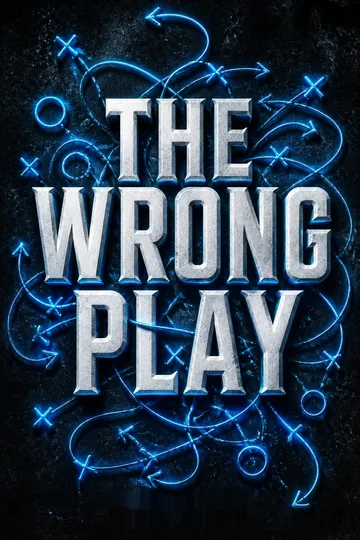
The Wrong Player Series

About the Author







Download PDF
Download EPUB
.epub digital book format is ideal for reading ebooks on phones, tablets, and e-readers.








































