
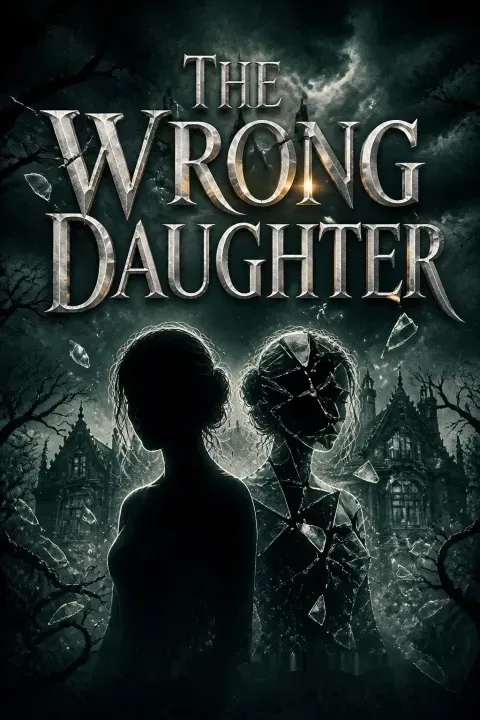


Plot Summary
Prologue
Sisters Olivia,2 thirteen, and Caitlin,1 ten, spend their last perfect afternoon picnicking in a wildflower meadow near their Somerset home, Blossom Hill House. Olivia2 shows Caitlin1 a green velvet journal with a gold bee, a gift from a mysterious boy on the bus.5 That night, while their parents are out, a masked man3 enters through the unlocked French doors.
Caitlin1 wakes, sees the man3 with a Venetian mask pressing a knife to Olivia's2 throat on the landing. Olivia2 mouths a silent plea for Caitlin1 to stay hidden. Paralyzed, Caitlin1 watches her sister2 led away into the dark. When their parents return hours later, they find only Caitlin,1 shaking and alone. Olivia2 is gone.
The prologue establishes the novel's central trauma: the abduction witnessed but not prevented. Caitlin's frozen inaction becomes the guilt that defines her life, while the mask erases the perpetrator's humanity, turning him into a nightmarish symbol. The journal, a romantic token from a secret admirer, foreshadows how gifts can be tools of manipulation. The meadow, with its sunflowers and daisies, will become a recurring image of lost innocence.
The Lost Daughter Returns
Caitlin,1 now twenty-six and teaching under her fiancé's5 name to avoid notoriety, is reminded of her missing sister2 when a pupil's mother recognizes her from the old news coverage. That night, her father7 calls with impossible news: Olivia2 has come home.
Caitlin1 races to Blossom Hill House to find her parents embracing a tall, gaunt blonde woman in a man's oversized checked shirt. The woman's2 eyes are the same forget-me-not blue Caitlin1 remembers, but her gaze holds something wild and assessing. Olivia2 sips tea and deflects every question about where she has been, changing the subject to crème brûlée.
Their parents refuse to call the police, wanting to ease her in. Caitlin's1 unease sharpens when Olivia2 showers before being examined, washing away potential evidence. The reunion feels like a stage play where Caitlin1 alone has no script.
The returned daughter trope is immediately subverted by Caitlin's visceral distrust. Olivia's performance of normalcy—discussing desserts while her family reels—is the first hint of a fractured psyche. The parents' denial serves as emotional armor, while Caitlin's insistence on police intervention signals her refusal to accept the surface story, setting up the central conflict between comfort and truth.
Suspicion Takes Root
Ignoring her father's7 fury, Caitlin1 calls the police from Florence's6 phone. Officers arrive, and a media circus descends. Olivia2 is interviewed but reveals nothing about her captor. At the house, Caitlin1 discovers Olivia2 has been reading her childhood diaries, memorizing details of their past. She sets a trap, deliberately misnaming their cousin Edward as Edmund; Olivia2 fails to correct her.
Another test: Olivia2 claims to know a shed in the woods behind the house that Caitlin's mother8 later says was built after the abduction. Her father Myles7 accuses Caitlin1 of attention-seeking, dredging up the old wound from childhood when he called her selfish for not calling police that night. The rift between them widens into a chasm.
Caitlin's detective work is an attempt to reclaim agency in a situation that infantilizes her. The memory tests, small but damning, exploit the ambiguity of trauma—are the gaps evidence of imposture or psychological damage? The father's cruelty reveals a family system where blame has replaced grief, making Olivia's return a pressure cooker rather than a healing.
The Ledbury Gilded Cage
At Ledbury Hall, a vast Georgian manor, seventeen-year-old Elinor9 relies entirely on her older brother Heath.3 Their uncle Robert Brent,10 trustee of their deceased parents' fortune, demands they perform as a happy family during his weekend visits.
When Heath3 leaves for hours without explanation, Elinor9 panics; she has no friends, no school, no connection to the outside world. She discovers a floral perfume on Heath's3 skin and, defying him, ventures into town, where a kind stranger named Flynn11 lifts her.
She sees Heath3 with a dark-haired girl named Sofia through a shop window, and the betrayal shatters her sense of security. Back at Ledbury Hall, Uncle Robert's10 palpable menace and Heath's3 simmering insubordination charge every interaction with the threat of violence.
This chapter excavates the roots of Heath's pathology. The enmeshed sibling bond, forged in shared trauma under Robert's abuse, becomes the blueprint for future captor-captive relationships. Elinor's absolute dependency mirrors what Olivia will experience, while Heath's lies about Sofia reveal a pattern of compartmentalizing affection—one woman to worship, another to use. The remote manor functions as both sanctuary and prison, isolating them from any corrective influence.
The Shopping Trip
Olivia2 manipulates their mother8 into driving across town for a specific cheesecake, then drags Caitlin1 on a clandestine shopping spree in Bath. In a bridal boutique, Olivia2 admires a silk gown and whispers, 'Just like mine.'
Stunned, Caitlin1 presses her, and Olivia2 reluctantly admits to a non-legal 'wedding' ceremony with her captor3 at age sixteen, a condition he imposed before touching her. She makes Caitlin1 swear to keep it secret from their parents.
As they leave the shop, Caitlin1 spots a tall, broad figure3 all in black with a hood, wearing the same Venetian mask from that night, following them through the crowds near the weir. She grabs Olivia2 and races back to the car, terrified but without proof. At home, her father's7 rage at their unauthorized outing further isolates her.
The bridal shop confession is devastating: it reveals that Olivia's captivity included coerced pseudo-marriage, framing sexual abuse as a perversion of romance. The trip also demonstrates Olivia's skill at manipulation—managing her mother, Caitlin, and the logistics of escape. The masked stalker's appearance, witnessed only by Caitlin, plants seeds for the gaslighting narrative that will later be used against her.
Oscar's Betrayal Exposed
Caitlin1 comes home to a thick manila envelope on the hallway floor. Inside is a manuscript: Oscar5 has written a book about Olivia's2 abduction, drawn entirely from Caitlin's1 private confessions over their five-year relationship. She reads it in a daze of fury. When Oscar5 returns, she confronts him.
He admits he knew Olivia2 before — he was the teenage boy5 who gave her the gold-bee journal on the bus. After the abduction, he tracked down Caitlin1 to build a book that would launch his writing career. He claims he fell in love with her for real, but the words ring hollow. She tells him to pack a bag and leave. He walks out, and their engagement, along with her trust, is shattered.
Oscar's betrayal reframes the entire romance as predatory extraction. The manuscript is a metaphorical violation—her memories harvested without consent. His role as the Boy on the Bus connects him tangentially to the abduction itself, suggesting a parasitic relationship with the family's tragedy. The anonymous delivery, later revealed as Olivia's doing, is a deliberate move to isolate Caitlin further, severing her last intimate support.
Blood in the Study
Uncle Robert10 returns to Ledbury Hall drunk, ranting that he should have married the Ledburys' mother and that his career is ruined because of the party incident where Elinor9 accidentally started a fire. He grabs Elinor's9 hair, and before he can escalate, Heath3 appears with a hunting rifle. The shot blasts open Robert's10 chest.
Heath3 and Elinor9 wrap the body in a rug, drag it into the woods, and bury it in frozen ground. Afterwards, Heath's3 drinking intensifies; he smashes things, his moods darken. Elinor,9 who once worshiped him, now feels as though she lives with a rabid dog. She is trapped, complicit in the murder, and increasingly certain that her brother's3 love has become a death sentence.
The murder of Uncle Robert marks Heath's irreversible crossing into homicidal violence. Though the uncle was abusive, Heath's act is not heroic but a release of years of festering rage, and Elinor's forced participation—digging the grave, lying to authorities—binds her to him with a secret that prefigures how he will later control his captives. The scene also mirrors Caitlin's eventual killing of Heath, closing a generational loop of bloodshed.
The Therapist's Couch
Reeling from Oscar's5 departure and her family's hostility, Caitlin1 agrees to see Dr. Gideon Temple,3 the therapist Olivia2 recommended. He is handsome, Irish, and disarmingly empathetic. In sessions, he validates Caitlin's1 suspicion that the returned Olivia2 might be an imposter, encouraging her to investigate. He shares that his wife left him, creating a false sense of shared vulnerability.
Their professional boundary blurs when they meet in a park; he saves her from an oncoming car, and she feels a charged attraction. Caitlin1 doesn't know that Gideon is Heath Ledbury,3 the man3 who abducted Olivia,2 using a real therapist's identity while the doctor housesits abroad. Every gentle prompt is manipulation, every intimate confession ammunition.
The therapist as perpetrator is a profound betrayal of the therapeutic contract. Heath's skill at mirroring and validating Caitlin exploits the very tools meant to heal. The car 'rescue' is a manufactured crisis designed to foster dependency, a technique common in cult indoctrination. The romantic tension introduces an eroticized threat, positioning Caitlin as the next target of Heath's possessive obsession.
Maid of Dishonor
Florence,6 once Olivia's2 best friend and later Caitlin's1 anchor, asks Olivia2 to be joint maid of honor. The night before the ceremony, Olivia2 approaches Caitlin1 in the hotel foyer and hisses a warning about a man3 watching her, then tells her to run. Caitlin,1 sleep-deprived and barely eating, arrives late.
During the vows, Olivia2 leans in and whispers a threat: stop digging or she will bury Caitlin1 next to her sister. Caitlin1 erupts, screaming accusations, slapping Olivia,2 and tackling her to the floor among scattered sunflower petals. Florence,6 in tears, has her removed. Outside, her father7 finally tells Caitlin1 he never blamed her, but the damage is done — she has become the unstable woman Olivia's2 scheme required.
The wedding scene is the apex of Olivia's gaslighting campaign. Every element—sleeplessness, lateness, the provocation—is choreographed to produce a public meltdown that discredits Caitlin completely. The irony is that within this disaster, a genuine moment of reconciliation with her father occurs, but it is overshadowed by the spectacle. The broken sunflower symbolizes the destruction of innocence and sisterhood.
Beneath the Icy Pond
After months of living in fear, Elinor9 secretly packs valuables and Heath's3 savings, planning to escape. Heath3 catches her at the front door. She tells him that being loved by him is like being slowly crushed to death. Enraged, he chases her across the frozen grounds to the large pond.
He catches her, forces her head beneath the black, icy water, and holds her there until her struggles cease. He lays her body on the bank and sits with her through the night. In the morning, he buries her near the statue of two stone lovers on the pond's island. Elinor's9 journals, left behind, document her brief taste of freedom with Flynn11 and her terror of her brother.3
Elinor's murder is the psychological key to the entire novel. Heath destroys the thing he loves most because he cannot tolerate its independence. The drowning, like the later push from the roof, links water and falling as fatal forces. By burying her near the lovers' statue, Heath perversely memorializes their bond as eternal, while his subsequent abductions become attempts to resurrect Elinor in women who share her coloring and compliance.
The Wrong Daughter Taken
Olivia2 calls Caitlin,1 promising answers and a chance to see her 'real' sister if she comes alone to the abandoned shed in the woods behind Blossom Hill House. Desperate, Caitlin1 agrees and alerts Gideon3 to follow as backup.
In the moonlit clearing, Olivia2 confesses: she is the real Olivia,2 and she deliberately acted strangely to make everyone believe Caitlin1 was insane, clearing the path for Heath3 to abduct her without suspicion. Before she can react, the masked figure3 appears behind Caitlin.1 A chloroform-soaked cloth smothers her. She wakes handcuffed to a brass bed in a grand, dark-green bedroom, the latest captive of Ledbury Hall.
The abduction is a devastating inversion of the rescue fantasy. Olivia's confession reframes every prior interaction as intentional cruelty, revealing the depth of her indoctrination. The woods, site of the original abduction, become a recurring landscape of trauma. Caitlin's reliance on Gideon as backup is the ultimate irony—she led her predator directly to her.
Captives of Ledbury Hall
Bryony Danvers,4 a pale, thin blonde in a floral dress, brings Caitlin1 food and unlocks her cuffs. She explains she was abducted at fourteen, years before Olivia,2 and is now thirty-one. Heath3 murdered his sister Elinor9 and chose subsequent victims who resembled her. Olivia2 arrived a year after Bryony;4 they were each 'married' in illegal ceremonies.
Sensing an opportunity, Bryony agrees to help Caitlin1 escape, revealing that Heath3 wears a master key around his neck and a brass tin of spare keys is kept in his bedroom. She cautions that Olivia,2 brainwashed and fiercely loyal to Heath,3 will sound the alarm if she suspects. Caitlin1 must keep the plan secret from her own sister.2
Ledbury Hall is a house of mirrors where identity is replaced by role. Bryony's long captivity has calcified into a survival strategy of compliance mixed with seething resentment toward Olivia, whose favored status afforded privileges Bryony was denied. The house's grandeur contrasts grotesquely with its function as a prison, and Heath's 'marriages' reveal his need to legitimize his control through ritualized domesticity.
Blood in the Library
Olivia2 agrees to give Caitlin1 a tour of the manor. While they are in the wine cellar, Caitlin1 deliberately drops a bottle, then snatches the brass key tin while Olivia2 kneels to pick up the glass. She sprints up the stairs, locks the cellar door, and races to Bryony's4 room, but the keys are numbered, not labeled.
Panicked, she pushes the entire tin under the door for Bryony4 to try from inside. Olivia's2 screams summon Heath,3 who bursts into the library. He grabs Caitlin1 by the throat. Her hand finds a marble bust of Aphrodite on a shelf. She swings, caving in his skull. Blood pools across the rug as his body crumples.
The killing is both self-defense and narrative justice. The bust—Aphrodite, goddess of love—becomes an instrument of death, symbolizing the perversion of love that Heath embodied. Caitlin's resourcefulness under extreme duress contrasts with her childhood paralysis; she finally acts instead of freezing. Yet the violence creates a new trauma, and her immediate vomiting underscores that survival is not clean.
Falling Like a Sunflower
Caitlin1 unlocks the cellar, but Olivia2 sees Heath's3 body and attacks, chasing Caitlin1 up a staircase to the roof terrace. In the lashing rain, Olivia2 straddles Caitlin1 and tightens her hands around her throat. As their eyes lock, Olivia's2 rage flickers into painful recognition — just for a moment.
Before she can release her grip, Bryony4 appears and shoves her over the stone balustrade. Olivia2 plummets to the gravel driveway below. Caitlin1 crawls down, finds her sister's2 broken body haloed in blood, the golden hair she loved spread like fallen petals. She cradles Olivia,2 begging her to stay, but those blue eyes are already sightless. Olivia2 dies in her arms.
Olivia's death completes the tragedy set in motion when Heath first saw her in a York museum. Her brief return to herself—the sister Caitlin mourned for sixteen years—makes the loss doubly cruel. Bryony's push, whether protective or vengeful, seals the fate Olivia's choices set in motion. The rooftop fall mirrors Elinor's drowning: both sisters die at the hands of those who claimed to love them, yet Caitlin survives.
Surviving the Wreckage
Using the skeleton key, Caitlin1 opens the front door and flags down a neighbor. Police swarm Ledbury Hall, freeing Bryony,4 who has not seen her family in seventeen years. Investigators dig up the grounds and find the remains of Uncle Robert10 and Elinor Ledbury.9 Bryony's4 sister Lucy, now twenty, is located.
Caitlin1 returns to her parents, and the slow work of rebuilding begins. Her father,7 breaking years of silence, tells her he blamed himself for Olivia's2 abduction — not Caitlin1 — and they reconcile. Caitlin1 sells her house, ends her teaching job, and finally books a flight. A year later, she writes to Olivia2 from an airport lounge, ready to travel and paint the world.
The aftermath subverts expectations of a tidy happy ending. Justice is imperfect—Bryony receives leniency for her role in Olivia's death due to her victimization. Caitlin's healing is not about forgetting but integrating loss, transforming guilt into purpose. The graves of Elinor and Robert reveal the generational rot that produced Heath, while the reunion of Bryony with Lucy offers a counterpoint of hope.
Epilogue
Caitlin1 writes a letter to Olivia2 from an airport departure lounge, a year after the events at Ledbury Hall. She describes learning to live with grief: the soot of loss settling as glitter, reminders of her sister2 everywhere. She recounts her father's7 tearful apology for the years he pushed her away, and her mother's8 quiet strength.
She has left teaching to travel and grow her art business, Wanderlust Illustrations. Before flying, she visited the wildflower meadow, where she saw Olivia2 as a girl, cartwheeling in the evening light. She said goodbye to that version of her sister,2 the one before Heath,3 before the years of captivity twisted her. She boards the plane carrying her sister2 in her blood, no longer alone.
The letter serves as both elegy and declaration of independence. By addressing Olivia directly, Caitlin transforms their relationship from a source of guilt into a source of ongoing connection. The meadow vision refuses the image of Olivia as broken captive, instead preserving her as the thirteen-year-old who pressed a finger to her lips to save her little sister. The epilogue asserts that healing is not moving on but moving with—carrying the dead into a life finally lived on one's own terms.
Analysis
The Wrong Daughter examines how trauma begets trauma, tracing the ways violence replicates across generations and relationships. Heath Ledbury3 is not born a monster; he is forged by abuse, isolation, and the warping of love into possession. His murder of Elinor9 — the sister he could not bear to lose — creates a template he repeats with Bryony,4 Olivia,2 and finally Caitlin:1 abduct, control, marry, and ultimately destroy when the illusion of willing devotion cracks. The novel refuses easy villainy; Olivia's2 participation in Caitlin's1 abduction is the story's darkest shade, forcing the reader to confront how captivity can corrupt the captive into becoming an instrument of the captor. Her whispered provocation at the wedding and tearful confession in the woods are not contradictions but symptoms of a psyche shattered and reassembled by Heath's3 design. Caitlin's1 arc is one of reclaiming agency — from the frozen child who watched her sister taken, to the woman who picks up a marble bust and ends the monster. Her eventual choice to travel, paint, and live on her own terms is an act of profound self-authorship after years of living as a character in others' stories. The novel also indicts the true-crime industry through Oscar,5 who commodifies suffering without consent, and through the media swarm that treats the Arden family as public property. Ultimately, the book argues that closure is a myth; healing is not the absence of grief but the integration of loss into a life that is finally, authentically one's own.
Review Summary
The Wrong Daughter receives mixed reviews, with an average rating of 4.05 out of 5. Many readers praise its suspenseful plot, unexpected twists, and compelling premise. The dual storylines intrigue some but frustrate others. Several reviewers appreciate the author's skill in creating tension and unreliable characters. Common criticisms include a slow middle section, far-fetched plot elements, and an unsatisfying ending. Some readers find the book too dark or disturbing, while others commend its ability to keep them guessing until the end.
People Also Read

Characters
Caitlin Arden
Guilt-ridden survivor, teacher, artistCaitlin was ten when her sister Olivia2 was abducted; she watched from her bedroom doorway, too terrified to act. That moment of paralysis defines her: she grows up trying to be the perfect daughter to compensate, suppressing her own dream of becoming an artist to please her grieving parents. By twenty-six, she is an engaged primary school teacher who uses her fiancé's5 surname to avoid the notoriety of the 'Arden girl' case. Her internal world is structured by guilt, loneliness, and a longing for the sister2 she lost. She is observant, resourceful, and emotionally intelligent, but her need to be believed often isolates her. Over the course of the novel, she transforms from someone who molds herself to others' expectations into a woman who fights for her own survival and ultimately reclaims her future.
Olivia Arden
Abducted sister, returned captiveAt thirteen, Olivia was the golden child: beautiful, confident, and deeply protective of her younger sister1. After sixteen years in captivity, she returns as a woman whose psyche has been systematically dismantled and rebuilt by her abductor, Heath Ledbury3. She genuinely believes she loves him and participates willingly in his scheme to abduct Caitlin1, viewing it as a way to reunite her family. Her behavior alternates between genuine sisterly affection and calculated cruelty—she manipulates memories, plants false evidence, and gaslights Caitlin1 into appearing unstable. Underneath the control, glimmers of the real Olivia surface in moments of shared laughter or panic, suggesting the original girl is not entirely erased. Her tragic arc ends with her death, caused by another captive4 she had betrayed.
Heath Ledbury
Abductor, murderer, master manipulatorHeath is a charismatic, intelligent sociopath whose pathology was forged in childhood. After his parents drowned and his abusive uncle Robert10 became guardian, Heath developed an obsessive, possessive love for his sister Elinor9, whom he ultimately murdered when she tried to leave. Unable to tolerate the loss, he began abducting girls who physically resembled her—Bryony4 first, then Olivia2, and eventually Caitlin1, Olivia's sister2. He maintains a veneer of cultured refinement at Ledbury Hall, complete with formal dinners and 'wedding ceremonies,' while enforcing absolute control through isolation, violence, and psychological conditioning. He poses as a therapist named Gideon Temple to infiltrate Caitlin's1 life, exploiting her vulnerabilities. His death at her hands closes the cycle of violence he initiated.
Bryony Danvers
Longest captive, reluctant allyBryony was abducted by Heath3 at fourteen and has spent seventeen years as his prisoner, longer than anyone. She endured Heath's3 violence and conditioning, eventually cooperating outwardly to survive while nursing a deep resentment toward Olivia2, whom Heath3 favored. She attempted escape once but was caught because Olivia2 raised the alarm, and Heath3 retaliated by threatening her younger sister Lucy. This betrayal hardened her hatred. When Caitlin1 arrives, Bryony sees a new chance to get out. She provides intelligence about the house's layout and keys, aiding the escape plan, but her final act—pushing Olivia2 from the roof—straddles the line between saving Caitlin1 and exacting revenge. After rescue, she reunites with Lucy, her survival a testament to endurance.
Oscar Fairview
Deceitful fiancé, true-crime authorOscar is a web designer with literary ambitions who met Olivia2 briefly on a bus when they were teenagers—he is the 'Boy on the Bus' who gave her the gold-bee journal. After her abduction, he tracked down Caitlin1 with the express purpose of gathering material for a non-fiction book. His five-year relationship with her was built on extracting intimate details of her trauma. When his manuscript is anonymously delivered to Caitlin1, he shows remorse but refuses to pull the book, choosing his career over her. He is not physically dangerous but represents a different kind of predation: emotional and narrative exploitation. His parents pressure him about marriage and grandchildren, contributing to his need for financial and professional success.
Florence
Best friend torn between sistersFlorence was Olivia's2 closest friend as a child and, after the abduction, became a surrogate sister to Caitlin1. An actress and audiobook narrator, she is organized, sharp-witted, and values loyalty. When Olivia2 returns, Florence immediately gravitates back to her, making Olivia2 joint maid of honor and relegating Caitlin1 to the margins. She dismisses Caitlin's1 suspicions about Olivia's2 identity, viewing them as attention-seeking. Caitlin's1 violent outburst at the wedding destroys their friendship. Florence embodies the painful truth that some relationships are situational, forged in shared loss but unable to survive the return of the person who originally bonded them.
Myles Arden
Distant father carrying secret guiltCaitlin's1 father is a stoic, emotionally withdrawn man who buried his grief after Olivia's2 abduction under anger and blame. He became cold toward Caitlin1, who overheard him call her selfish as a child, cementing her belief that he wished she had been taken instead. In truth, he blamed himself for insisting they leave the girls alone that night against his wife's8 wishes. His reconciliation with Caitlin1, admitting his own culpability, is a turning point in both their healing arcs. His love for Olivia2 blinds him to the troubling signs upon her return, but he eventually stands by Caitlin1 after the second loss.
Clara Arden
Anxious, smothering motherAfter Olivia's2 disappearance, Clara's anxiety became the gravitational center of the household. She monitors Caitlin1 obsessively with daily check-in texts, projects her own unlived ambitions onto her daughter, and clings to the returned Olivia2 with desperate, almost infantile need. Her overprotectiveness is born from terror that fate will take her remaining child. While loving, she inadvertently erases Caitlin's1 individuality by treating her as a replacement for Olivia2. Her handling of Olivia's2 return—refusing to call police, ignoring red flags—stems from her overpowering need to believe in the miraculous restoration of her family.
Elinor Ledbury
Heath's doomed sisterElinor was Heath's3 younger sister, raised with him in seclusion at Ledbury Hall under their uncle's10 abusive guardianship. Sheltered, intelligent, and entirely dependent on her brother3, she formed an enmeshed bond with him that blurred boundaries of sibling love. She briefly tasted freedom through a romance with Flynn Healy11, which Heath3 violently ended. After witnessing Heath3 murder their uncle10, she tried to escape, but he drowned her in the estate pond. Her journals and her physical resemblance became the template for the women Heath3 later abducted. She is both victim and unwitting architect of future crimes.
Uncle Robert Brent
Abusive guardian and trusteeRobert was the brother of Heath3 and Elinor's9 father. After their parents drowned, he became trustee of the Ledbury fortune and guardian of the children. A bitter, controlling man who resented his brother's beauty and wealth, he physically abused Heath3 and psychologically tormented both children while maintaining a facade of the benevolent uncle. His murder at Heath's3 hands sets the siblings on a path of no return.
Flynn Healy
Elinor's brief love interestA warm Irish medical student who met Elinor9 as a child and later reconnected with her after she ventured beyond the manor gates. He represented escape and normalcy—ice skating, coffee shops, a planned trip to South Africa. Heath3 threatened to kill him if he saw Elinor9 again, and Flynn, unaware of the full danger but heeding the menace, stayed away.
Simon Briggs
Dead scapegoat, tragic pawnA former deputy headteacher who lost his career after an inappropriate relationship with a student. Heath3 befriended him at an AA meeting and manipulated him into writing a suicide note, then poisoned him with thallium-laced whisky. His isolated cabin, where Olivia's2 DNA was planted, served as the perfect narrative to close the police investigation.
Plot Devices
Venetian Mask
Instrument of terror and anonymityA midnight-blue mask with a long nose and furrowed brow, worn by Heath3 during the original abduction and subsequent appearances to Caitlin1. It obscures his identity while creating a recurring nightmare image. The mask allows Heath3 to operate as a symbol rather than a man, making it easier for Olivia2 to later deny ever seeing one, further undermining Caitlin's1 credibility.
Gold-Bee Journal
Identity token and narrative threadA velvet green diary with an embroidered gold bee, given to Olivia2 by Oscar5 (the Boy on the Bus) the summer she was taken. Heath3 stole it the night of the abduction, and it remained at Ledbury Hall. When Olivia2 returned, its absence from her memory became a clue, while its rediscovery by police after Heath's3 death physically linked the two locations and timelines.
Oscar's Manuscript
Betrayal catalyst and isolation toolThe unpublished true-crime book Oscar5 wrote about Olivia's2 abduction, using Caitlin's1 confessions as raw material. Anonymously delivered to Caitlin1 by Olivia2 (acting on Heath's3 orders), its discovery destroys Caitlin's1 engagement and leaves her with no intimate support, making her more vulnerable to Heath's3 grooming as 'Gideon.'
Master Key Tin
Escape tool and ticking clockA brass tin kept in Heath's3 bedroom containing spare keys to every room in Ledbury Hall, each labeled with a number rather than a room name. Olivia2 uses it to give Caitlin1 the house tour; Caitlin1 steals it during the cellar diversion. The unlabeled keys create a frantic delay when she tries to free Bryony4, heightening tension as Heath3 returns.
Lock of Olivia's Hair
Memento and silent connectorA blonde lock tied with green ribbon, kept by Oscar5 in a silver tin from his brief encounter with Olivia2 years before. Caitlin1 discovers it and initially suspects it belongs to a mistress, but it ultimately serves as proof that Oscar5 knew Olivia2 first, confirming his predatory research agenda.
FAQ
Synopsis & Basic Details
What is The Wrong Daughter about?
- Sisters, Secrets, and Survival: The Wrong Daughter explores the complex relationship between two sisters, Caitlin and Olivia, after Olivia's mysterious return following a sixteen-year abduction. It delves into themes of identity, betrayal, and the lasting impact of trauma, as Caitlin grapples with her sister's reappearance and the unsettling secrets that come with it.
- Unraveling a Twisted Past: The story follows Caitlin as she navigates a web of lies and deceit, questioning her sister's true identity and the motives of those around her. It's a suspenseful journey into the dark corners of family secrets and the lengths people will go to protect themselves.
- Psychological Thriller with Twists: The narrative is a psychological thriller that keeps readers guessing, with unexpected twists and turns that challenge perceptions of reality and identity. It explores the emotional toll of trauma and the complexities of human relationships.
Why should I read The Wrong Daughter?
- Intriguing Mystery and Suspense: The Wrong Daughter offers a compelling mystery that will keep you guessing until the very end. The plot is full of twists and turns, making it a page-turner that will leave you on the edge of your seat.
- Complex Characters and Relationships: The novel delves into the intricate dynamics between sisters, lovers, and family members, exploring themes of loyalty, betrayal, and the lasting impact of trauma. The characters are well-developed, with hidden motivations and complex emotions that add depth to the story.
- Exploration of Identity and Truth: The Wrong Daughter raises thought-provoking questions about identity, truth, and the nature of reality. It challenges readers to question what they believe and to consider the different perspectives of those involved in the story.
What is the background of The Wrong Daughter?
- Contemporary Setting with Rural Roots: The story is set in the present day, primarily in the small town of Stonemill and the city of Bath, England. The rural setting of Stonemill, with its close-knit community and surrounding woods, contrasts with the urban environment of Bath, creating a sense of isolation and unease.
- Psychological and Emotional Landscape: The background is less about historical or political events and more about the psychological and emotional states of the characters. The story explores the impact of trauma, the complexities of family relationships, and the struggle to find one's identity in the face of adversity.
- Focus on Personal Relationships: The narrative is driven by the personal relationships between the characters, rather than external events. The focus is on the emotional and psychological impact of the events on the characters, rather than the broader social or political context.
What are the most memorable quotes in The Wrong Daughter?
- "She's happy, safe in the shadow of her sister.": This quote from the prologue highlights the initial dynamic between Caitlin and Olivia, foreshadowing the shift in their relationship and the loss of innocence. It also speaks to the theme of identity and the struggle to step out of someone else's shadow.
- "Experience is more.": This quote, spoken by Caitlin, emphasizes the limitations of words in conveying the depth of trauma and the importance of lived experience. It speaks to the theme of isolation and the difficulty of connecting with others who haven't shared similar experiences.
- "You need to learn to be alone sometimes. To make decisions by yourself.": This quote, spoken by Heath to Elinor, reveals his controlling nature and his desire to keep her dependent on him. It also speaks to the theme of freedom and the struggle to break free from controlling relationships.
What writing style, narrative choices, and literary techniques does Dandy Smith use?
- Alternating Perspectives and Timelines: Dandy Smith employs alternating perspectives, shifting between Caitlin's, Elinor's, and occasionally Olivia's points of view. This technique allows readers to see the story from multiple angles, creating suspense and revealing different layers of the characters' motivations. The use of flashbacks and present-day narratives also adds to the complexity of the story.
- Foreshadowing and Symbolism: The author uses subtle foreshadowing and symbolism to create a sense of unease and anticipation. Recurring motifs, such as the gold-bee journal, the color aureolin, and the image of the masked man, add depth to the narrative and hint at future events.
- Psychological Depth and Emotional Intensity: Dandy Smith's writing style is characterized by its psychological depth and emotional intensity. The author delves into the characters' inner thoughts and feelings, creating a sense of intimacy and allowing readers to connect with their struggles. The use of vivid imagery and sensory details also enhances the emotional impact of the story.
Hidden Details & Subtle Connections
What are some minor details that add significant meaning?
- The Gold-Bee Journal: The journal, initially a symbol of Olivia's secret life, becomes a recurring motif that represents the hidden truths and deceptions within the story. Its appearance and disappearance are linked to Olivia's abduction and her return, highlighting the mystery surrounding her.
- The Color Aureolin: The specific shade of yellow, aureolin, is mentioned multiple times, often in connection with Olivia. This color becomes a symbol of her beauty, her allure, and the deceptive nature of her return. It also connects to the sunflowers, a symbol of hope and joy, which are juxtaposed with the darkness of the story.
- The Stone Lovers Statue: The statue in the Ledbury Hall garden, depicting a man kissing a woman's throat, foreshadows the controlling and possessive nature of Heath's relationships. It also mirrors the power dynamics between Heath and Elinor, and later, Heath and Olivia.
What are some subtle foreshadowing and callbacks?
- The Boy on the Bus: The mention of "The Boy on the Bus" in the prologue foreshadows the mystery surrounding Olivia's disappearance and the possibility of a secret relationship. This detail is later revealed to be connected to Oscar, adding a layer of betrayal and deceit to his character.
- The Broken Mirror: The image of a broken mirror, which appears in Caitlin's thoughts, foreshadows the fractured nature of her relationships and her own sense of self. It also symbolizes the distorted reality she is forced to confront as she uncovers the truth about Olivia.
- The Recurring Phrase "You need to learn to be alone": This phrase, spoken by both Heath and Oscar, foreshadows the isolation and betrayal that Caitlin and Elinor experience. It also highlights the controlling nature of their relationships and the struggle to break free from them.
What are some unexpected character connections?
- Oscar and Olivia's Past: The revelation that Oscar was "The Boy on the Bus" and had a connection with Olivia before her abduction is a major twist that recontextualizes their relationship with Caitlin. It reveals a hidden layer of deceit and manipulation, making Oscar's betrayal even more profound.
- Flynn and the Ledburys: Flynn's childhood encounter with Elinor at the gate of Ledbury Hall and his later connection to Heath through his cousin, Sofia, create a web of unexpected connections. This highlights the small world in which the characters live and the way their lives are intertwined.
- Gideon and the Masked Man: The subtle hints that Gideon and the masked man might be the same person create a sense of unease and paranoia. This connection is ultimately revealed to be a misdirection, but it adds to the suspense and uncertainty of the story.
Who are the most significant supporting characters?
- Bryony: Bryony's character is significant as she is a victim of Heath's manipulation, just like Olivia. Her experiences provide a parallel to Olivia's and highlight the dangers of Heath's controlling nature. Her eventual alliance with Caitlin is crucial to the climax of the story.
- Florence: Florence is a significant supporting character as she represents the bond of sisterhood and friendship that Caitlin craves. Her betrayal of Caitlin by siding with Olivia highlights the complexities of relationships and the pain of being excluded.
- Oscar: Oscar is a significant supporting character as his betrayal of Caitlin is a major turning point in the story. His actions reveal the depths of his deceit and the lengths he will go to achieve his goals.
Psychological, Emotional, & Relational Analysis
What are some unspoken motivations of the characters?
- Heath's Need for Control: Heath's unspoken motivation is his need for control over those around him. He manipulates and isolates Elinor and Olivia, seeking to maintain power over their lives. His actions are driven by a deep-seated insecurity and a desire to recreate the family dynamic he lost.
- Olivia's Desire for Connection: Olivia's unspoken motivation is her desire for connection and belonging. She seeks to recreate the bond she had with Caitlin before her abduction, but her methods are often manipulative and destructive. Her actions are driven by a longing for the past and a fear of being alone.
- Caitlin's Yearning for Acceptance: Caitlin's unspoken motivation is her yearning for acceptance and validation from her parents. She seeks to please them, even at the expense of her own happiness, and her actions are driven by a deep-seated need for their approval.
What psychological complexities do the characters exhibit?
- Caitlin's Guilt and Paranoia: Caitlin exhibits a complex mix of guilt, paranoia, and self-doubt. She blames herself for Olivia's abduction and struggles to trust her own instincts. Her paranoia is fueled by the mysterious events surrounding Olivia's return and the deceitful actions of those around her.
- Olivia's Stockholm Syndrome and Manipulation: Olivia exhibits signs of Stockholm syndrome, developing a twisted loyalty to her captor, Heath. She is also manipulative, using her charm and vulnerability to control those around her. Her psychological complexities make her a compelling and unpredictable character.
- Heath's Narcissism and Control: Heath exhibits a narcissistic personality, characterized by a need for control, a lack of empathy, and a sense of entitlement. His actions are driven by a desire to maintain power and to manipulate those around him to serve his own needs.
What are the major emotional turning points?
- Caitlin's Realization of Oscar's Betrayal: The moment Caitlin discovers Oscar's book and his deceitful intentions is a major emotional turning point. This betrayal shatters her trust and forces her to confront the reality of her relationship.
- Elinor's Discovery of Heath's Deception: Elinor's discovery of Heath's secret relationship with Sofia and his lies about their parents' death is a major emotional turning point. This betrayal shatters her trust in her brother and forces her to confront the reality of her isolated existence.
- Caitlin's Confrontation with Olivia: The confrontation between Caitlin and Olivia, where Caitlin accuses Olivia of being an imposter, is a major emotional turning point. This moment forces both sisters to confront the truth about their relationship and the secrets that have been hidden for so long.
How do relationship dynamics evolve?
- Caitlin and Olivia's Shifting Dynamic: The relationship between Caitlin and Olivia evolves from a close bond to one marked by suspicion and betrayal. Caitlin's initial joy at Olivia's return is replaced by doubt and fear as she uncovers the truth about her sister's identity and motives.
- Elinor and Heath's Codependency: The relationship between Elinor and Heath is marked by codependency and control. Elinor is dependent on Heath for her sense of self, while Heath manipulates and isolates her to maintain power. Their relationship is ultimately destroyed by Heath's violence and Elinor's desire for freedom.
- Caitlin and Oscar's Betrayal: The relationship between Caitlin and Oscar is built on lies and deceit. Oscar's betrayal of Caitlin's trust shatters their bond and forces her to confront the reality of their relationship. Their relationship ultimately ends in heartbreak and disillusionment.
Interpretation & Debate
Which parts of the story remain ambiguous or open-ended?
- The True Nature of Olivia's Feelings: The extent to which Olivia is a victim or a perpetrator remains ambiguous. While she is clearly a victim of Heath's manipulation, her actions and motivations are often unclear, leaving readers to question her true feelings and intentions.
- The Masked Man's Identity: The identity of the masked man is never fully resolved, leaving readers to wonder if he was a real person or a figment of Caitlin's imagination. The ambiguity surrounding his identity adds to the sense of unease and paranoia that permeates the story.
- The Possibility of Redemption: The possibility of redemption for the characters, particularly Heath and Oscar, is left open-ended. While their actions are clearly reprehensible, the story does not offer a clear resolution, leaving readers to ponder the complexities of human nature and the possibility of change.
What are some debatable, controversial scenes or moments in The Wrong Daughter?
- The Nature of Olivia's Relationship with Heath: The nature of Olivia's relationship with Heath is a controversial topic, as it raises questions about Stockholm syndrome, manipulation, and the complexities of trauma. Some readers may view Olivia as a victim, while others may see her as a willing participant in Heath's schemes.
- Caitlin's Actions at the Wedding: Caitlin's outburst at Florence's wedding is a controversial moment, as it highlights the destructive nature of her obsession with the truth. Some readers may sympathize with her pain and frustration, while others may view her actions as selfish and unforgivable.
- The Ending and the Fate of the Characters: The ending of the story, with its ambiguous resolution and the uncertain fate of the characters, is likely to be a source of debate. Some readers may find the open-ended nature of the conclusion unsatisfying, while others may appreciate the way it challenges traditional notions of closure.
The Wrong Daughter Ending Explained: How It Ends & What It Means
- Caitlin's Escape and Self-Discovery: The ending sees Caitlin escaping from Ledbury Hall, leaving behind the controlling influence of Heath and the manipulative presence of Olivia. This escape marks the beginning of her journey towards self-discovery and healing, as she seeks to create a life that is free from the shadows of her past.
- Olivia's Tragic Fate: Olivia's death is a tragic culmination of her twisted relationship with Heath and her inability to break free from his control. Her death serves as a reminder of the destructive power of manipulation and the lasting impact of trauma.
- Ambiguous Future and Open-Ended Questions: The ending leaves many questions unanswered, particularly regarding the true nature of Olivia's feelings and the possibility of redemption for the characters. This ambiguity forces readers to confront the complexities of human nature and the limitations of easy answers. The ending is not a neat resolution, but rather a starting point for further reflection and interpretation.
Download PDF
Download EPUB
.epub digital book format is ideal for reading ebooks on phones, tablets, and e-readers.








































