
Summary Temporarily Unavailable
This summary is temporarily unavailable and is currently being updated. You can still explore the FAQs and other metadata below.
Plot Summary
Body on Camilla's Beach
Deputy Tessa Black and park ranger Logan Wilde, both recently returned to their childhood home of Widow's Island, are called to Camilla's Island after kayakers find a man's body on the beach. The dead man, Jason McCoy, is a local contractor with a reputation for being difficult. Initial examination reveals suspicious head wounds and inconsistencies in the body's lividity, suggesting he was killed elsewhere and dumped. The discovery stirs up old memories for Tessa and Logan, especially the unsolved disappearance of their childhood friend, Sam. The island's close-knit community is shaken, and Tessa's investigative instincts are immediately engaged, setting the stage for a murder mystery that will test loyalties and unearth secrets.
Tides of Suspicion
Tessa and Logan deliver the death notification to Jason's estranged wife, Sarah, who is staying with her mother. Sarah's reaction is ambiguous—she's shocked but not devastated, and her answers raise more questions than they resolve. The couple's financial situation is murky, with a prenup and significant assets at stake. Tessa and Logan's own relationship deepens as they navigate the emotional toll of the case, both haunted by their pasts—Tessa by her mother's dementia and Logan by his military trauma. The investigation quickly reveals that Jason's life was full of conflict, and the list of potential suspects grows.
Flames and Bleach
Arriving at the McCoy residence to execute a search warrant, Tessa and Logan find the house on fire. They risk their safety to extinguish the flames, suspecting arson meant to destroy evidence. Inside, they discover signs of a hasty cleanup—bleach and attempted removal of blood. The kitchen, the likely crime scene, yields cast-off blood spatter and other forensic clues, despite the fire and cleaning attempts. The forensic evidence is preserved enough for Tessa to call in forensic experts from the mainland. The fire underscores the killer's desperation and willingness to escalate, raising the stakes for everyone involved.
Blood in the Kitchen
Forensic analysis confirms the kitchen as the primary crime scene. Luminol reveals a large pool of blood and a drag trail leading outside, suggesting Jason was killed there and his body moved. A wheelbarrow and the family boat are tested for traces of blood. The evidence points to a violent, premeditated act, not an accident. Tessa and Logan, exhausted but determined, continue to piece together the timeline. The investigation's emotional weight is heavy, especially for Logan, whose PTSD is triggered by the violence and chaos. The case becomes a test of endurance and resilience for both detectives.
The List of Enemies
Interviews with Jason's secretary, Marybeth, and others reveal that Jason was widely disliked. He was a bully, unfaithful, and embroiled in disputes with employees and clients. His ex-wife Heather and current wife Sarah both had motives, as did Peter Evans, a fired crew leader with a violent past. Roger Duvall, a client, had ongoing conflicts with Jason over renovation delays and payments. Each suspect has opportunity and motive, but alibis are shaky or unverifiable. The investigation becomes a web of grudges, betrayals, and financial desperation, with Tessa and Logan struggling to separate truth from island gossip.
Ex-Wives and Alibis
Tessa interviews Heather, Jason's first wife, who is candid about her hatred for him but claims no involvement in his death. Heather's alibi is supported by her brother, but the timeline is suspicious. Both ex-wives had financial and emotional reasons to want Jason gone, and both are skilled enough with boats to have disposed of the body. The medical examiner narrows the time of death, aligning it with the lunch Heather served Jason. The investigation into the women's alibis highlights the complexity of relationships on the island, where everyone's lives are intertwined and secrets are hard to keep.
The Contractor's Crew
Peter Evans, the fired crew leader, is interviewed. He's angry, physically imposing, and has a history of violence, but denies involvement. He claims Jason falsely accused him of theft to avoid paying him. Peter's alibi is weak, and his resentment is palpable. The investigation into Jason's business dealings uncovers more potential motives, including financial disputes and blackmail. The sense of danger escalates as Tessa and Logan realize the killer may be someone desperate and capable of further violence. The island's isolation intensifies the pressure, as suspects and investigators alike feel the walls closing in.
Nightmares and Confessions
Logan's PTSD intensifies, triggered by the violence and the threat to children. His nightmares of war and loss bleed into his waking life, affecting his relationship with Tessa. Meanwhile, Tessa juggles the demands of the case with caring for her mother and sister, feeling the strain of responsibility and impending loss. Their growing intimacy is both a comfort and a vulnerability. The emotional stakes are as high as the professional ones, with both detectives forced to confront their own fears and limitations as they pursue the truth.
The Secretary Attacked
Marybeth, Jason's secretary, is brutally attacked while out walking, just as she's close to uncovering something in Jason's files. The assault is a clear attempt to silence her and prevent the discovery of crucial evidence. Tessa and Logan, enraged and alarmed, redouble their efforts, searching Jason's office for hidden clues. Their persistence pays off when Logan finds a hidden envelope containing conflicting environmental reports for a property Jason was renovating. The attack on Marybeth marks a turning point, revealing the killer's willingness to harm anyone who gets too close to the truth.
Purple Clues
The hidden envelope contains two soil reports for Roger Duvall's property—one real, showing toxic contamination, and one fake. The evidence suggests Jason was blackmailing Roger. A scrape of purple paint on a boulder at Jason's house matches Roger's rare purple Porsche, placing him at the scene. Tessa and Logan realize Roger lied about never visiting Jason's house. The forensic link between the car and the crime scene gives them the leverage needed to confront Roger, but they still lack the murder weapon and direct evidence. The net tightens as they prepare to bring Roger in.
Hostage in the Boathouse
When Tessa and Logan move to arrest Roger, he panics, taking young Abby, the inn's housekeeper's daughter, hostage with a knife. A tense standoff ensues in the boathouse, echoing Logan's worst nightmares of children in danger. Tessa and Logan work together to rescue Abby, with Logan disabling Roger's boat and subduing him after a brief struggle. The ordeal is harrowing, but Abby is saved, and Roger is arrested. The incident cements the emotional bond between Tessa and Logan, who finally acknowledge their need for each other's support and healing.
Truth in the Pump House
A search warrant allows Tessa and Logan to comb Roger's property. In a pump house, they find a bag containing bloody clothes, boots, and a piece of rebar—the murder weapon. Forensic evidence ties Roger to the crime, and the purple paint on his car matches the scrape at Jason's house. The motive is clear: Jason was blackmailing Roger with the threat of exposing environmental contamination that would ruin the inn. With the physical evidence secured, Tessa is able to charge Roger with murder, bringing the case to a close and restoring a measure of peace to the island.
A Christmas of Lasts
With the case resolved, Tessa and Logan turn their attention to family and healing. Tessa decorates her home for what may be her mother's last Christmas at home, cherishing moments with her sister and mother. Logan, inspired by Tessa's strength, commits to seeking help for his PTSD. Their relationship deepens, offering hope for the future. The island community begins to recover, but the scars of loss and trauma linger. The holiday season becomes a time of reflection, gratitude, and cautious optimism for what lies ahead.
The Heart-Shaped Clue
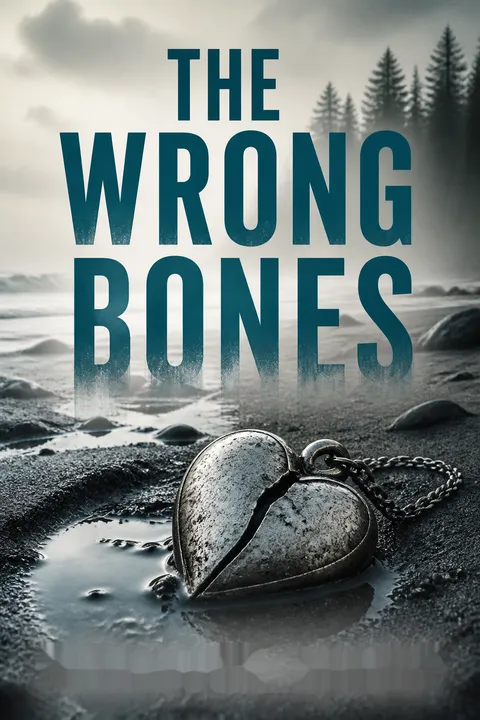
While searching Roger's property, Tessa finds a broken heart-shaped pendant—part of a necklace she, Cate, and their missing friend Sam once shared. The discovery reignites the decades-old mystery of Sam's disappearance, hinting that answers may still be out there. The pendant is both a symbol of unresolved grief and a promise to keep searching for the truth. As Tessa and Cate vow to pursue Sam's case, the story closes on a note of hope and determination, with the past and present intertwined in the ongoing quest for justice and closure.
Analysis
Melinda Leigh's The Wrong Bones is a masterclass in blending procedural mystery with deep emotional storytelling. Set against the atmospheric backdrop of a Pacific Northwest island, the novel explores the corrosive effects of secrets, the complexity of human relationships, and the resilience required to face both external threats and internal demons. The murder investigation is meticulously plotted, with forensic detail and psychological insight driving the narrative. Leigh's characters are richly drawn—flawed, relatable, and shaped by their histories. The story's heart lies in the interplay between justice and compassion, as Tessa and Logan navigate the demands of their roles while grappling with personal loss and trauma. The island setting amplifies the sense of claustrophobia and interconnectedness, making every revelation feel both intimate and consequential. Ultimately, the novel is a meditation on the costs of truth, the necessity of community, and the hope that persists even in the face of grief and uncertainty. The unresolved mystery of Sam's disappearance ensures that the search for closure—and healing—continues, inviting readers to return to Widow's Island for more.
Last updated:
Report IssueReview Summary
The Wrong Bones receives mostly positive reviews (4.39/5) as the tenth and final novella in the Widow's Island series by Melinda Leigh and Kendra Elliot. Readers praise the fast-paced mystery following Deputy Tessa Black investigating human bones found in a cemetery. The story blends suspense with character development, exploring themes like dementia and PTSD. While some found the short format limiting for character depth and backstory, most appreciated the engaging plot, surprising twists, and satisfying conclusion with a happy ending for Tessa and fiancé Logan Wilde.
People Also Read






Characters
Tessa Black
Tessa is a deputy sheriff who returned to Widow's Island to care for her ailing mother and teenage sister. Her sense of duty is matched by deep empathy, but she's haunted by the unsolved disappearance of her childhood friend, Sam, and the slow loss of her mother to dementia. Tessa's investigative skills are sharp, honed by years as a Seattle detective, but her emotional resilience is tested by the demands of family and the darkness of her work. Her relationship with Logan offers both solace and challenge, as she learns to accept help and vulnerability. Tessa's journey is one of balancing justice, love, and the pain of inevitable loss.
Logan Wilde
Logan, a former Army Ranger turned park ranger, is Tessa's childhood friend and new romantic partner. He's physically capable and emotionally scarred, suffering from PTSD after witnessing atrocities in Afghanistan. Logan's desire for peace is constantly undermined by his nightmares and the violence that follows him home. His connection with Tessa is a lifeline, grounding him in the present and offering hope for healing. Logan's protective instincts are strong, especially toward children, and his willingness to confront his trauma marks his growth. He embodies the struggle to reconcile past wounds with the possibility of a better future.
Sarah McCoy
Sarah, Jason's second wife, is a complex figure—outwardly grieving but inwardly calculating. Her marriage to Jason was transactional, marked by material desires and emotional distance. The prenup and inheritance structure give her a financial motive for Jason's death, and her alibi is shaky. Sarah's relationship with her mother is fraught, and her interactions with Tessa are guarded. She represents the ambiguity of grief and the ways in which self-interest can cloud truth. Ultimately, she is a red herring—suspicious but not guilty.
Heather McCoy
Heather, Jason's first wife, is open about her resentment and the pain of betrayal. She's financially struggling but emotionally resilient, having rebuilt her life after divorce. Heather's alibi is supported by her brother, but her proximity to Jason at the time of death makes her a suspect. Her relationship with her sons is loving, and she refuses to let bitterness define her. Heather's candor and wit provide both comic relief and insight into Jason's character, highlighting the long-term consequences of toxic relationships.
Roger Duvall
Roger is a retired lawyer who moved to the island to renovate an inn, hiring Jason for the job. When Jason discovers toxic contamination on Roger's property and begins blackmailing him, Roger's desperation mounts. His financial dreams and reputation are at stake, leading him to murder. Roger's actions escalate from calculated to reckless, culminating in the kidnapping of a child. His unraveling under pressure exposes the dangers of pride, fear, and the lengths people will go to protect their secrets. Roger's downfall is both tragic and just.
Marybeth Springer
Marybeth, Jason's longtime secretary, is sharp, organized, and unafraid to speak her mind. She's one of the few who could tolerate Jason, thanks to her boundaries and wit. Her discovery of hidden evidence makes her a target, and her subsequent attack underscores the killer's ruthlessness. Marybeth's survival and resilience are a testament to the strength of ordinary people caught in extraordinary circumstances. She serves as a moral compass and a reminder of the collateral damage of violence.
Peter Evans
Peter, a fired crew leader, is physically imposing and emotionally volatile. His history of assault and recent conflict with Jason make him a prime suspect. Peter's bitterness is rooted in economic hardship and a sense of injustice, but he ultimately proves to be a red herring. His character explores themes of class, reputation, and the ways in which anger can both protect and destroy.
Cate Wilde
Cate, Logan's sister and Tessa's best friend, is an FBI agent on medical leave. She provides emotional and investigative support, especially regarding the cold case of Sam's disappearance. Cate's loyalty and intelligence are invaluable, and her presence highlights the importance of friendship and community in the face of adversity. Her own experiences with trauma and loss mirror Tessa's, deepening their bond.
Patience Black
Patience, Tessa's younger half-sister, is navigating adolescence while dealing with their mother's dementia and the instability it brings. She's resilient but vulnerable, seeking normalcy and connection. Patience's relationship with Tessa is both a source of strength and a reminder of the sacrifices required by family. Her character embodies the impact of adult problems on children and the need for compassion and understanding.
Bonnie Black
Bonnie, Tessa and Patience's mother, is in the grip of early-onset dementia. Her decline is a source of grief and stress for her daughters, shaping Tessa's decisions and emotional landscape. Bonnie's moments of clarity and joy, especially during the holidays, are bittersweet. She represents the inexorable passage of time and the pain of watching a loved one slip away, grounding the story's themes of loss and endurance.
Plot Devices
Closed Community, Open Secrets
Widow's Island, with its small population and insular culture, creates a pressure-cooker environment where everyone knows each other's business, but secrets still fester. The isolation heightens the stakes—suspects can't easily leave, and rumors spread quickly. This setting allows for a classic whodunit structure, with a limited pool of suspects and a web of interconnected relationships. The island's geography also serves as a physical barrier, complicating escape and investigation.
Forensic Detail and Procedural Realism
The investigation relies heavily on forensic science—lividity, blood spatter, luminol, and environmental reports. These details ground the story in realism and provide crucial turning points. The procedural elements—search warrants, evidence collection, and chain of custody—add authenticity and tension, as the detectives race against time and the killer's attempts to destroy evidence.
Red Herrings and Misdirection
The narrative employs classic mystery misdirection, presenting several plausible suspects with motives and opportunity. Each is explored in depth, with alibis, grudges, and secrets that muddy the waters. The true killer's identity is concealed until the evidence—both physical and psychological—converges, delivering a satisfying twist.
Parallel Personal and Professional Arcs
Tessa and Logan's personal struggles—her mother's decline, his PTSD—run parallel to the murder investigation. Their vulnerabilities and growth are intertwined with the case, making the resolution both a professional triumph and a step toward healing. The story's emotional resonance is heightened by the interplay between public duty and private pain.
Foreshadowing and Unresolved Mysteries
The unsolved disappearance of Sam, symbolized by the heart-shaped pendant, is woven throughout the narrative, foreshadowing future investigations and adding depth to the characters' motivations. The story ends with this thread unresolved, promising further exploration and continuity in the series.
Widow's Island Series Series

About the Author
Melinda Leigh is a #1 Wall Street Journal and Amazon bestselling author who transitioned from banking to writing fiction. Her debut novel, SHE CAN RUN, earned a Best First Novel nomination from International Thriller Writers. She has received multiple writing honors, including two RITA Award nominations and induction into the NJ Romance Writers Hall of Fame. Her books have sold over 15 million copies worldwide. Leigh writes across multiple genres and has created several successful series. She is passionate about martial arts, rescue dogs, and sea turtles, bringing diverse interests to her creative work.






Download PDF
Download EPUB
.epub digital book format is ideal for reading ebooks on phones, tablets, and e-readers.








































