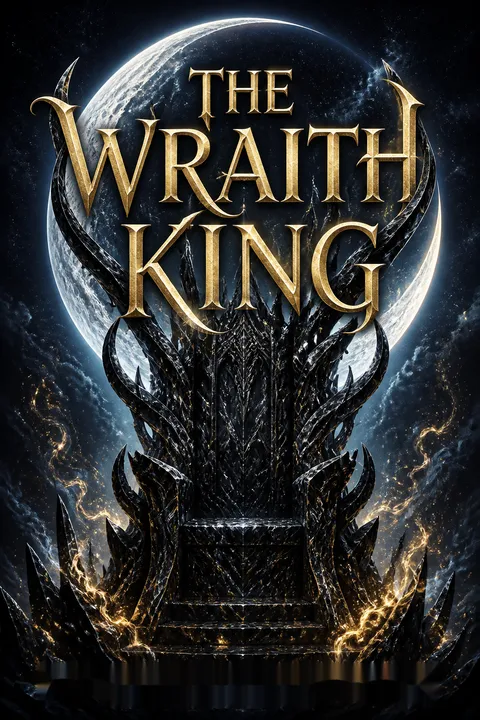

Plot Summary
An Old Demon Myth
The story opens with a mythic prologue: Näkt, god of night, falls for the fae maiden Zarrah, but is tricked by the moon goddess Lumera. Zarrah, betrayed, dies in agony, birthing Mizrah, a child of night and sorrow. Mizrah is comforted by Vix, god of earth, and together they birth the demon races—fire, earth, shadow, and beast. Vix promises that one day, Lumera's descendants will fall and Mizrah's will rise, ushering in an era of night. This myth, told to dark fae children, sets the stage for a world divided by ancient wounds, divine intervention, and the hope of a new order.
Dungeon Shadows and Prophecy
Princess Una of Issos, a moon fae, awakens in a dungeon, her wings brutally severed, her magick gone. Tortured by wraith fae, she is comforted by a dying oracle who marks her with blood and prophecy: "You are the destiny. You are the dark lady. You are for him." In the neighboring cell, Goll, the wraith prince, is held captive by his own father, King Xakiel, due to a prophecy that Goll will usurp him. Both Una and Goll are prisoners of fate and cruelty, their lives entwined by suffering and a destiny neither yet understands.
The Wraith Prince's Rescue
When Una is lowered into a pit of ravenous wights, Goll's magick surges, breaking his chains. He incinerates the wights, rescues Una, and flees the dungeon. Their escape is fraught with peril, culminating in an ambush by Una's brother, Baelynn, and the Issosian guard. Goll is wounded but lets Una go, recognizing her as the princess of Issos. The encounter leaves both changed—Una marked by trauma and prophecy, Goll by a new sense of purpose and the first stirrings of hope.
War, Plague, and Loss
Five years pass. Lumeria is ravaged by the Parviana Plague, a mysterious illness that has claimed Una's father and now threatens her brother. Una, stripped of her healing magick, devotes herself to tending the sick. The war with Northgall, led by the cruel King Xakiel, grinds on. Una's compassion and stubbornness lead her into danger as she seeks a cure, while Goll, plotting rebellion, gathers allies to overthrow his father and end the cycle of violence.
A Kingdom in Chains
Una is abducted by wraith fae, her handmaiden Min murdered before her eyes. She is taken deep into Northgall, intended as a bargaining chip and war prize for King Xakiel. Goll, now leading a rebellion, learns of her capture and resolves to act. The kingdoms are locked in a brutal stalemate, with Una's life and the fate of Lumeria hanging in the balance. The cost of war is measured in blood, sacrifice, and the slow erosion of hope.
The Demon King Falls
Goll infiltrates the palace, slays his father in a dramatic coup, and claims the throne of Northgall. The act is both liberation and trauma—Goll is haunted by the violence but empowered by destiny. He spares Una, recognizing her as the catalyst for his magick and the fulfillment of prophecy. The court kneels, the wights are destroyed, and the old order is swept away. Yet, the wounds of the past linger, and the future is uncertain.
The New Wraith King
Gollaya Verbane, now king, consolidates power, quelling rebellion and forging uneasy alliances. Una is kept in luxurious captivity, her fate uncertain. The new king is both protector and captor, torn between duty, prophecy, and a growing, dangerous attraction to Una. The court is wary of their moon fae "guest," and the scars of war run deep. Both Una and Goll are forced to confront their roles as pawns and players in a game set by gods and kings.
Terms of Surrender
Goll presents Una with terms: she will bear his heir, uniting Northgall and Lumeria, or see her people destroyed. Una, pragmatic and selfless, agrees to the union to save her kingdom. The arrangement is fraught with tension, desire, and resentment. Goll is both ruthless and vulnerable, haunted by prophecy and the need to prove himself a better king than his father. Their uneasy alliance is sealed by a moon-binding ceremony, witnessed by both courts.
Bound by Fire and Moon
The moon-binding is a spectacle—Una recites vows, Goll refuses, and the ceremony is marred by violence as Goll maims Una's former betrothed, Gael, to assert his claim. The act cements his reputation as a brutal king but also reveals his possessiveness and fear of loss. Una is torn between revulsion and a strange, growing connection to her captor. Their marriage is both a political alliance and a personal crucible, forging them in fire and blood.
The Rite of Servium
To become Goll's mizrah, Una must undergo the Rite of Servium: a ritual bath in the god-touched lake, a public display, and a consummation before the court. The ceremony is harrowing, but Una survives, marked by new magick and the gods' blessing. She is transformed—her wings restored, her power awakened, her destiny sealed. Goll, both awed and terrified by her strength, claims her as his mate, but the scars of violence and betrayal linger.
A Reluctant Alliance
With the kingdoms united, Una and Goll embark on a quest to find the god-touched texts that may cure the plague. Their journey takes them through hostile lands, ancient prophecies, and personal trials. Along the way, they confront their own demons, the legacy of war, and the possibility of love. Allies are gained and lost, and the line between light and dark, enemy and lover, blurs. The fate of both realms depends on their success.
The God-Touched Quest
Guided by visions and aided by magical creatures, Una seeks the three god-touched texts hidden across the realms. Each trial tests her courage, compassion, and resolve. She drinks from enchanted vials, communes with sprites and dryads, and faces the pain of transformation. Goll, ever her protector, is forced to trust in her strength and the will of the gods. Together, they gather the power needed to heal the world, but at great personal cost.
Betrayal in the Blood
The greatest threat comes from within: Ferryn, Goll's half-brother and trusted guard, is revealed as a traitor, driven mad by dark magick. He kidnaps Una, intending to claim her and the throne. Meck, his twin, dies trying to stop him. Dalya, the soul-seer, is caught in the web of betrayal and love, ultimately killed by Ferryn. The camp is attacked by wights, and Una is forced to use her newfound magick to escape, barely surviving until Goll arrives.
The Madness Unleashed
Goll, consumed by rage and divine power, incinerates the wights and confronts Ferryn in a final, brutal showdown. He slays his brother, saving Una and reclaiming his place as king and mate. The ordeal leaves both scarred but unbroken. The gods' prophecy is fulfilled in blood and fire, and the path to healing—of both kingdoms and hearts—lies open. The cost of peace is measured in sacrifice, forgiveness, and the willingness to embrace both darkness and light.
The Queen Ascends
With the final god-touched text claimed, Una is transformed, ascending in a blaze of magick and crowned as Queen of Northgall. Her healing power is restored, greater than before, and she sets out to cure the plague ravaging both realms. The court, once divided, kneels to their new queen. Goll, humbled and devoted, stands at her side. Their union is no longer one of necessity but of love, respect, and shared destiny.
Healing the Divide
Una returns to Issos, healing her brother Baelynn and the people of Lumeria. She mourns her father, reconciles with her past, and embraces her role as queen and healer. Goll supports her, forging a new alliance between light and dark. Together, they rebuild what was lost, offering hope to a world scarred by war and hatred. The gods' promise is fulfilled—not through vengeance, but through compassion, sacrifice, and the courage to choose a different path.
Homecoming and Farewell
In the epilogue, Una and Goll welcome their son, Malcus, at Windolek, the castle of Goll's childhood. Surrounded by loyal friends and a blended court of light and dark fae, they look to the future with hope. The wounds of the past are not forgotten, but they are healed by love, forgiveness, and the promise of a new dawn. The era of night has come—not as a curse, but as a time of unity, healing, and the birth of a new world.
Analysis
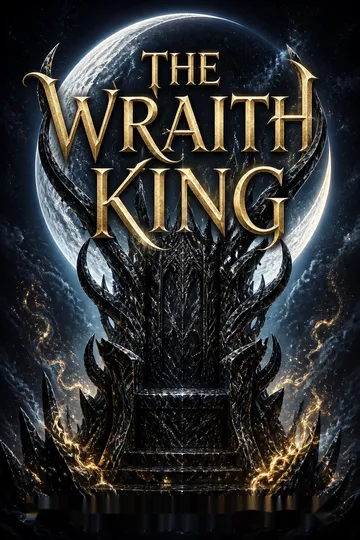
The Wraith King is a sweeping fantasy romance that reimagines the classic "enemy to lover" and "chosen one" tropes through the lens of trauma, prophecy, and the struggle for unity in a divided world. At its core, the novel is about the cost of peace—personal, political, and spiritual. Juliette Cross crafts a world where the wounds of the past are literal and mythic, and where healing requires both the courage to confront darkness and the humility to accept love. The relationship between Una and Goll is the heart of the story, evolving from mutual suspicion and resentment to a partnership forged in fire, loss, and shared purpose. The book interrogates the nature of power, the legacy of violence, and the possibility of redemption, offering no easy answers but insisting on the necessity of compassion and sacrifice. In a modern context, The Wraith King resonates as a meditation on the dangers of inherited hatred, the transformative power of empathy, and the hope that even the most broken worlds can be remade through love and courage.
Review Summary
People Also Read
Characters
Una Hartstone
Una is the daughter of the King of Issos, a moon fae princess marked by compassion, stubbornness, and a deep sense of duty. Her journey is one of suffering and transformation: from a healer stripped of her magick and wings, to a prisoner, to the reluctant bride of her enemy, and finally to a queen and savior. Una's psyche is shaped by trauma, loss, and the burden of prophecy, but she never loses her empathy or resolve. Her relationship with Goll is fraught with tension, desire, and eventual love, as she learns to wield both light and darkness. Her arc is one of self-discovery, sacrifice, and the courage to heal a broken world.
Gollaya Verbane (Goll)
Goll is the son of the tyrannical King Xakiel, raised in violence and imprisoned by his own father due to a prophecy of usurpation. He is a study in contrasts: brutal yet vulnerable, ruthless yet capable of deep love. Goll's psyche is scarred by betrayal, loss, and the weight of destiny. His relationship with Una is transformative, forcing him to confront his own darkness and the possibility of redemption. As king, he is both feared and respected, determined to break the cycle of cruelty and forge a new path. His arc is one of self-mastery, the struggle between fate and free will, and the search for meaning beyond power.
King Xakiel
Xakiel is the Demon King of Northgall, a figure of terror and paranoia. His rule is marked by cruelty, suspicion, and the relentless pursuit of power. He imprisons his own son, murders his wife, and wages war without mercy. Xakiel is driven by the fear of prophecy and the need to control his fate, but his actions only hasten his downfall. He is both a product and perpetuator of generational trauma, embodying the dangers of unchecked power and the inability to change.
Baelynn Hartstone
Baelynn is Una's brother, heir to Issos, and a figure of loyalty and sacrifice. He is pragmatic, fiercely protective of his sister, and burdened by the responsibilities of leadership during war and plague. Baelynn's arc is one of loss and resilience, as he navigates the collapse of his world and the rise of a new order. His relationship with Una is central to his identity, and his willingness to accept peace marks a turning point for both kingdoms.
Dalya
Dalya is a distant cousin of Goll, a priestess and oracle whose visions shape the course of events. She is both guide and victim, caught between her duty to the gods, her love for Ferryn, and her loyalty to Goll. Dalya's psyche is marked by isolation, longing, and the burden of knowledge. Her tragic end is a testament to the dangers of divided loyalties and the cost of prophecy.
Ferryn
Ferryn, Goll's half-brother, is a trusted guard whose descent into madness and betrayal is driven by dark magick and a sense of entitlement. He is both victim and villain, manipulated by forces beyond his control but responsible for his actions. Ferryn's psyche is fractured, torn between love, jealousy, and the hunger for power. His arc is a cautionary tale of the dangers of unchecked ambition and the corrosive power of evil.
Meck
Meck, Ferryn's twin, is a figure of loyalty and quiet strength. He is devoted to his brother but ultimately pays the price for Ferryn's betrayal. Meck's arc is one of sacrifice and sorrow, embodying the collateral damage of war and the tragedy of divided families.
Hava
Hava is Una's handmaiden and confidante, a half-blood fae with a gift for feyfire and a history of marginalization. She is resourceful, loyal, and compassionate, serving as both protector and friend. Hava's arc is one of self-acceptance and the search for belonging, as she navigates the complexities of identity and loyalty in a divided world.
Keffa
Keffa is Goll's mentor and a survivor of Xakiel's cruelty. Scarred but unbroken, he is a source of wisdom, music, and emotional grounding. Keffa's psyche is shaped by loss and endurance, and his relationship with Vayla, the oracle, is a thread of hope and tragedy. He represents the power of art, memory, and resilience in the face of suffering.
Soryn
Soryn is Goll's second-in-command, a pragmatic and skeptical warrior who grounds the more impulsive characters. He is fiercely loyal, unafraid to challenge authority, and a stabilizing force in times of crisis. Soryn's arc is one of steadfastness and the importance of questioning, even in the face of destiny.
Plot Devices
Prophecy and Divine Intervention
The story is structured around ancient prophecies, visions, and the direct intervention of gods and magical creatures. The mythic prologue foreshadows the rise of the dark fae and the union of light and dark through Una and Goll. Oracles, omens, and god-touched texts shape the characters' choices, blurring the line between free will and destiny. The use of prophecy creates tension, irony, and a sense of inevitability, while also allowing for subversion and personal agency.
Duality and Transformation
The narrative is built on dualities: Una and Goll, Issos and Northgall, healer and destroyer, prisoner and queen. Characters are forced to confront and integrate their own darkness and light, leading to profound transformation. The motif of wings—lost, blackened, and restored—mirrors Una's journey from victim to savior. The union of opposites is both a personal and political act, healing the wounds of the past and forging a new future.
Public Ritual and Private Emotion
Key plot points hinge on public rituals: the moon-binding, the Rite of Servium, the coronation, and the healing of the plague. These ceremonies are both political theater and deeply personal crucibles, exposing the characters' vulnerabilities and desires. The tension between public duty and private emotion drives the characters to moments of crisis and revelation, forcing them to choose between self and other, love and power.
Betrayal, Madness, and Redemption
The narrative is laced with foreshadowing—prophecies of betrayal, warnings of madness, and the ever-present threat of rebellion. The revelation of Ferryn's betrayal and Dalya's divided loyalties are set up through subtle hints and emotional undercurrents. The cost of trust is high, and redemption is hard-won, achieved only through sacrifice, forgiveness, and the willingness to break old patterns.
Healing and Sacrifice
The search for the god-touched texts and the cure for the plague is both literal and symbolic—a journey toward healing, reconciliation, and the restoration of balance. Sacrifice is a recurring theme: Una's willingness to give up her freedom, Goll's struggle to overcome his legacy, and the deaths of friends and kin. Healing is not just the restoration of health, but the mending of hearts, families, and kingdoms.
The Rise of Northgall Series
About the Author
Other books by Juliette Cross

Download PDF
Download EPUB
.epub digital book format is ideal for reading ebooks on phones, tablets, and e-readers.








































