
Plot Summary
Whistle Stop's Last Wave
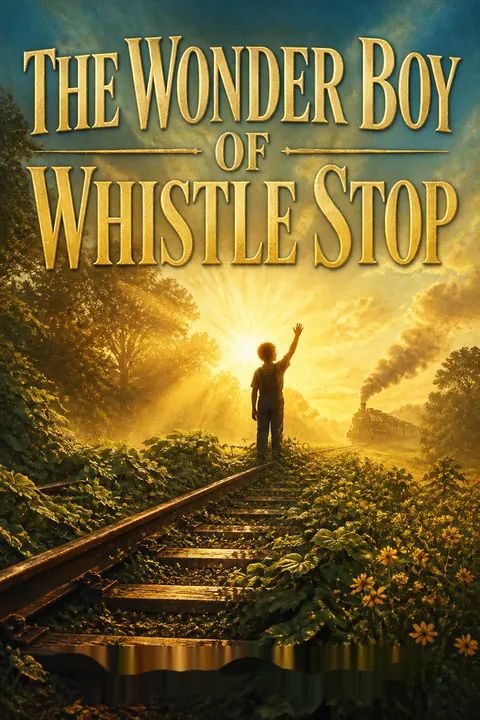
On a crisp 1938 morning, a passing train reveals a little blond boy with one arm, waving joyfully at strangers. This brief encounter lingers in the mind of a traveler, symbolizing the innocence and resilience of Whistle Stop, Alabama. The town, once bustling with life and laughter, is already beginning to fade, but the image of the boy—Buddy Threadgoode Jr.—becomes a touchstone for the story's enduring spirit. The moment encapsulates the bittersweet nostalgia that will echo through generations, as Whistle Stop's legacy is carried forward by those who remember and those who wonder what became of its people.
Echoes of the Cafe
Decades later, Sheriff Grady Kilgore returns to a Whistle Stop overtaken by kudzu and decay. The once-vibrant cafe, post office, and church are abandoned, their windows broken and their stories nearly lost. Grady's memories of Idgie Threadgoode, Ruth Jamison, and the warmth of the cafe's Christmases are tinged with sorrow for what's been lost. Yet, even in the ruins, he hears phantom laughter and music, suggesting that the spirit of Whistle Stop endures. The town's decline mirrors the passage of time, but the bonds formed there remain unbroken in the hearts of those who loved it.
The Wonder Boy Grows
Buddy Threadgoode Jr., the "wonder boy," is raised by his mother Ruth and her best friend Idgie in the back of the Whistle Stop Cafe. Despite losing his arm in a childhood accident, Buddy's inquisitiveness and resilience shine. Idgie, ever the tomboy and mischief-maker, encourages his sense of adventure and self-worth. The community rallies around him, and his story becomes one of overcoming adversity with humor and love. Buddy's journey from a wounded child to a beloved figure is marked by the support of his unconventional family and the quirky, close-knit town.
Ruth and Idgie's Legacy
Ruth Jamison and Idgie Threadgoode's partnership is the heart of Whistle Stop. Their cafe is a haven for all, especially during hard times. Ruth's gentle strength and Idgie's wild spirit complement each other, creating a family not just by blood but by choice. Their love—unspoken but deeply felt—anchors Buddy and the town. When Ruth dies young, Idgie is left adrift, but her promise to care for Buddy and keep the cafe running sustains her. Their legacy is one of acceptance, generosity, and the courage to live authentically, even in the face of loss.
The Threadgoode Family Expands
As Buddy grows, he marries Peggy and becomes a father to Ruthie. The family moves north, and Buddy becomes a successful veterinarian despite his disability. Letters and Christmas updates from Dot Weems keep the far-flung Whistle Stop community connected. The family's story is one of adaptation—embracing change while holding onto cherished traditions. Ruthie, bright and beautiful, inherits her family's curiosity and kindness, but also faces the pressures of living up to their legacy in a changing world.
Loss, Love, and Letting Go
The deaths of Ruth, Idgie, and other beloved figures mark the end of an era. Each loss is deeply felt, but the survivors find ways to honor their memories—through stories, recipes, and acts of kindness. Buddy's humor and humility help him navigate the challenges of aging and loss, while Ruthie struggles to find her place after her husband Brooks's sudden death. The family's ability to let go, while still cherishing the past, becomes a source of strength as they face new uncertainties.
The World Moves On
The decline of the railroad and the rise of highways leave Whistle Stop isolated and forgotten. Businesses close, families move away, and the town's landmarks fall into disrepair. Yet, the spirit of the place persists in the memories and annual letters of its former residents. Dot Weems's newsletters become a lifeline, preserving the town's stories and keeping its people connected across time and distance. The world moves on, but Whistle Stop's influence lingers in the lives it shaped.
Ruthie's New Beginnings
Ruthie Threadgoode, now an adult, navigates love, career, and family expectations. Her romance with Brooks Caldwell, a scion of Atlanta's elite, brings her into conflict with his formidable mother, Martha Lee. The tension between old money and humble origins tests Ruthie's confidence, but her father's unwavering support grounds her. As she becomes a mother herself, Ruthie grapples with the challenges of balancing tradition and modernity, forging her own identity while honoring her roots.
Brooks and the Caldwells
Brooks Caldwell's marriage to Ruthie bridges two very different families. Martha Lee's obsession with pedigree and social standing creates friction, but Brooks and Ruthie's love endures. Their children, Carolyn and Richard, embody the blending of backgrounds and the promise of new beginnings. The family's struggles with loss, ambition, and belonging reflect the broader changes in Southern society, as old hierarchies give way to new possibilities.
Generations in Transition
As Buddy and Peggy grow older, health challenges and the realities of aging force difficult decisions. Peggy's battle with Alzheimer's and eventual move to a care facility test the family's resilience. Buddy's reflections on his life—his triumphs, regrets, and the people who shaped him—offer wisdom to the next generation. Ruthie, now caring for her aging father, confronts her own fears about the future and the meaning of home.
The Search for Home
After Peggy's death, Buddy feels unmoored in a retirement home, missing the freedom and connection of his earlier life. Ruthie, too, feels adrift after her children leave and her marriage ends. Both father and daughter yearn for a sense of home and purpose. Their search leads them back to Whistle Stop, now a ghost town, but still alive in their memories. The question of whether home is a place, a person, or a feeling becomes central to their journey.
The Great Escape
Feeling stifled by the routines of senior living, Buddy orchestrates a secret escape, boarding a train to Birmingham in search of Whistle Stop. His adventure, both comic and poignant, captures the longing for freedom and the pull of the past. Along the way, he befriends a young man, Billy, sharing stories and wisdom across generations. Buddy's disappearance sparks a frantic search, but ultimately leads to reconnection and new friendships.
Lost and Found in Birmingham
Buddy's misadventure ends in a hospital, where Ruthie rushes to his side. Their reunion is filled with relief, laughter, and the realization that life's greatest gifts are often unexpected. They meet Evelyn Couch, a kindred spirit whose own life was transformed by the stories of Whistle Stop. The encounter brings together old and new friends, weaving a tapestry of connection that spans time and circumstance.
Old Friends, New Sisters
Ruthie and Evelyn's friendship blossoms, offering each woman the support and companionship she needs. They become "sisters by choice," finding joy in shared memories and new adventures. Their bond echoes the deep connections that sustained Whistle Stop in its heyday, proving that family is not just about blood, but about love, loyalty, and laughter.
The Past Reclaimed
Inspired by their shared history, Evelyn and Ruthie embark on an ambitious project to restore Whistle Stop and reopen the cafe. The process is filled with challenges—legal hurdles, financial setbacks, and the ghosts of the past—but also with moments of discovery and delight. Old friends and descendants return, bringing new life to the town. The restoration becomes a symbol of healing, resilience, and the enduring power of community.
The Cafe Reborn
The Whistle Stop Cafe reopens to fanfare, drawing crowds from near and far. The menu features beloved recipes, and the walls are adorned with photos and memorabilia from the town's golden days. Buddy, now in his nineties, is honored as the "wonder boy" who inspired generations. The cafe becomes a gathering place once more, a testament to the magic of second chances and the importance of preserving the stories that shape us.
Full Circle Homecoming
As Whistle Stop thrives again, the Threadgoode family finds healing and renewal. Ruthie's children return, bringing their own joys and sorrows. Martha Lee, humbled by life's twists, seeks refuge in the town she once scorned. The community embraces her, proving that forgiveness and acceptance are at the heart of Whistle Stop's legacy. The past and present merge, creating a future filled with hope and possibility.
The Wonder Endures
In the end, Whistle Stop is more than a place—it is a spirit of kindness, courage, and connection that endures through generations. Buddy's story, from a one-armed boy waving at a train to a beloved patriarch, embodies the resilience of the human heart. The cafe, the town, and the people who loved them remind us that even as the world changes, the wonder of Whistle Stop lives on in every act of love, every shared meal, and every story told.
Analysis
A celebration of resilience, community, and the enduring power of love"The Wonder Boy of Whistle Stop" is a poignant meditation on the passage of time, the meaning of home, and the importance of connection across generations. Fannie Flagg's narrative invites readers to reflect on the ways in which ordinary lives are shaped by extraordinary acts of kindness, courage, and forgiveness. The novel's humor and warmth are balanced by its honest portrayal of loss, aging, and the challenges of change. At its heart, the story affirms that family is not just about blood, but about the people who choose to love and support one another. The restoration of Whistle Stop and the reopening of the cafe symbolize the possibility of renewal, even after great loss. The novel encourages readers to cherish their memories, embrace new beginnings, and find joy in the simple pleasures of life—a good meal, a shared story, a loyal friend. In a world that often feels fragmented and uncertain, "The Wonder Boy of Whistle Stop" offers a hopeful vision of community, continuity, and the wonder that endures in every act of love.
Review Summary
The Wonder Boy of Whistle Stop is a sequel to Fried Green Tomatoes that revisits beloved characters decades later, focusing on Bud Threadgoode and his daughter Ruthie. Reviews are mixed: fans appreciate the cozy reunion with familiar characters and Flagg's southern charm, praising the heartwarming connections and nostalgic feel. Critics cite scattered pacing, excessive jumping between timelines, shallow writing, and an unrealistically perfect ending. Most agree it's primarily for devoted fans of the original, requiring prior knowledge to fully appreciate. Common praise includes comfort and warmth; common complaints mention it lacks the substance and magic of its predecessor.
Characters
Buddy Threadgoode Jr.
Buddy, known as "Stump" after losing his arm as a child, is the emotional core of the novel. Raised by his mother Ruth and her best friend Idgie in the Whistle Stop Cafe, Buddy's life is shaped by love, loss, and the unwavering support of his unconventional family. His journey from a curious, wounded boy to a successful veterinarian and beloved father is marked by humor, humility, and resilience. Buddy's relationships—with his wife Peggy, daughter Ruthie, and the wider Whistle Stop community—reflect his capacity for kindness and forgiveness. Even in old age, Buddy's adventurous spirit and longing for home drive the story's central quest, making him a symbol of hope and endurance.
Idgie Threadgoode
Idgie is the irrepressible tomboy whose love for Ruth and devotion to Buddy define her life. Fearless, mischievous, and fiercely independent, she challenges social norms and creates a haven for outsiders at the Whistle Stop Cafe. Idgie's humor and tall tales mask deep wounds, especially after Ruth's death. Her struggles with grief and addiction reveal her vulnerability, but her commitment to family and community never wavers. Idgie's legacy endures through the lives she touched, the secrets she kept, and the land she preserved for future generations.
Ruth Jamison
Ruth is the moral anchor of the story, whose kindness and faith sustain those around her. Her relationship with Idgie is the heart of Whistle Stop, providing stability and love for Buddy and the community. Ruth's early death leaves a void, but her influence persists in the values she instilled—compassion, generosity, and the belief that everyone deserves a second chance. Ruth's memory guides Idgie, Buddy, and Ruthie through life's challenges, reminding them of the power of love to heal and transform.
Ruthie Threadgoode Caldwell
Ruthie, Buddy's daughter, inherits her family's curiosity and warmth but faces the pressures of modern life and societal expectations. Her marriage to Brooks Caldwell brings her into conflict with his aristocratic mother, Martha Lee, forcing Ruthie to navigate issues of class, belonging, and self-worth. As a mother, widow, and daughter, Ruthie's journey is one of self-discovery and resilience. Her friendship with Evelyn Couch and her role in restoring Whistle Stop reflect her desire to honor the past while forging her own path.
Peggy Threadgoode
Peggy is Buddy's devoted wife, supporting him through the challenges of disability, career, and family life. Her practical wisdom and gentle humor anchor the Threadgoode family as they adapt to new places and changing times. Peggy's battle with Alzheimer's and eventual decline are handled with grace and dignity, highlighting the importance of love and loyalty in the face of loss. Her influence endures in Ruthie's compassion and Buddy's resilience.
Evelyn Couch
Evelyn's transformation from a depressed, overlooked housewife to a successful businesswoman and beloved friend is one of the novel's most inspiring arcs. Her friendship with Ninny Threadgoode and later with Ruthie provides the emotional support both women need. Evelyn's decision to invest in Whistle Stop's restoration is an act of gratitude and hope, demonstrating the power of kindness and the importance of community. Her humor, resourcefulness, and generosity make her a catalyst for change and a symbol of second chances.
Martha Lee Caldwell
Martha Lee embodies the old Southern aristocracy, obsessed with lineage and appearances. Her initial disapproval of Ruthie and the Threadgoode family creates tension, but life's hardships—financial loss, changing social norms, and personal setbacks—force her to reevaluate her values. Martha Lee's journey from snobbery to acceptance is both comic and poignant, illustrating the necessity of adaptation and the possibility of redemption.
Dot Weems
Dot's newsletters and Christmas letters serve as the narrative glue, preserving the stories and relationships that define Whistle Stop. Her wit, warmth, and attention to detail make her the town's unofficial historian. Dot's ability to find humor and hope in everyday life inspires those around her, and her letters become a lifeline for the dispersed Whistle Stop community.
Brooks Caldwell
Brooks's love for Ruthie and his struggle to balance family expectations with personal happiness reflect the complexities of modern relationships. His sudden death leaves Ruthie adrift, but his memory continues to guide her. Brooks's kindness, humor, and loyalty make him a beloved figure, even as he grapples with the pressures of tradition and change.
Lois
Lois enters Buddy's life in his later years, offering companionship, understanding, and a second chance at love. Her acceptance of Buddy's quirks and her willingness to share her life with him (and his cat, Virgil) bring joy and comfort to his final years. Lois's presence underscores the novel's message that it's never too late for happiness and that love can be found at any age.
Plot Devices
Interwoven Timelines and Epistolary Fragments
The novel employs a non-linear narrative, moving fluidly between decades and generations. Letters, newsletters, and personal memoirs provide multiple perspectives, allowing the reader to piece together the history of Whistle Stop and its people. This structure mirrors the way memory works—fragmented, selective, and deeply personal. The use of epistolary elements (Dot's letters, Buddy's memoir, Ruthie's reflections) creates intimacy and authenticity, drawing the reader into the characters' inner lives. Foreshadowing is used subtly, with early scenes (the boy waving at the train) resonating throughout the story. The restoration of Whistle Stop serves as both a literal and metaphorical reclamation of the past, while the discovery of the hidden deed in a mason jar provides a satisfying resolution that ties together the novel's themes of legacy, luck, and the enduring power of love.
Whistle Stop, AL Series
Download PDF
Download EPUB
.epub digital book format is ideal for reading ebooks on phones, tablets, and e-readers.








































