
Plot Summary
Tea Instead of Gin
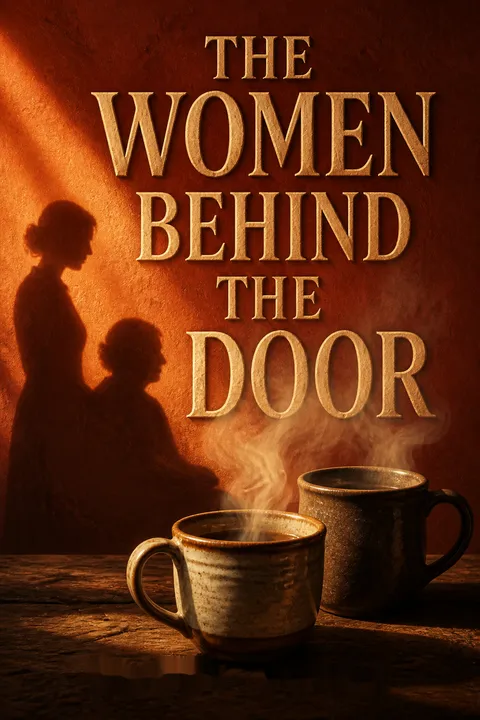
Paula Spencer, a sixty-six-year-old Dublin woman, has replaced her old drinking habits with endless cups of tea, a ritual that keeps her hands and mind busy. Her life is marked by careful routines, a legacy of years spent recovering from alcoholism and domestic abuse. She finds comfort in her children's successes, especially her eldest, Nicola, and in the small, ordinary moments of her day. The pandemic's restrictions feel familiar to Paula, who has long lived with self-imposed boundaries. Her home is a place of both solace and memory, haunted by the ghosts of her violent husband, Charlo, and the echoes of her own past mistakes. Yet, she finds pride in her survival, in the simple act of making tea instead of pouring a drink.
Vaccination Day Euphoria
Paula's vaccination day becomes a rare celebration. She joins her friends Mary and Mandy for the trip to the Helix Theatre, their banter and laughter reminiscent of schoolgirls on a day out. The process is both mundane and momentous, filled with small anxieties and unexpected joy. Paula feels a sense of accomplishment for navigating the digital world to register, and a giddy elation after receiving her jab. The camaraderie with her friends, the shared jokes, and the relief of being part of something hopeful lift her spirits. For a moment, she feels young and invincible, floating on the afterglow of a day that promises safety and a return to life.
Pandemic Friendships and Memories
The pandemic intensifies Paula's reliance on her friends, especially Mary. Their friendship is a source of laughter, support, and sometimes brutal honesty. They reminisce about past adventures, share stories of family struggles, and find comfort in each other's company. The isolation of lockdown is softened by these connections, but also brings old wounds to the surface. Paula's memories of abuse, addiction, and motherhood are never far away, and her friends serve as both witnesses and co-conspirators in her ongoing battle for self-acceptance. The bonds between women—fraught, forgiving, and fierce—are her true sanctuary.
The Daughter's Arrival
Nicola, Paula's eldest daughter, arrives unexpectedly at her mother's door, seeking escape from her own unraveling life. The roles between mother and daughter blur as Nicola, usually the competent and controlled one, collapses into exhaustion and despair. Paula is both thrilled and terrified to be needed, struggling to balance her desire to help with her fear of failing again. The house becomes a place of uneasy truce, where old patterns threaten to reassert themselves. Nicola's presence forces Paula to confront her own inadequacies as a mother and the unresolved traumas that linger between them.
The Women Behind the Door
Behind the closed doors of Paula's home, mother and daughter circle each other warily. Nicola's pain is palpable but unspoken, her insomnia and agitation hinting at deeper wounds. Paula tries to comfort her, but their conversations are fraught with misunderstanding and defensiveness. The legacy of Charlo's abuse hangs over them, shaping their interactions and fueling their mutual guilt. Paula is haunted by the times she failed to protect her children, while Nicola struggles with her own sense of inadequacy as a mother. The door becomes a symbol of both safety and imprisonment, a barrier to the outside world and to each other.
Motherhood's Guilt and Rage
Paula and Nicola's relationship is defined by cycles of guilt, anger, and longing. Paula is tormented by memories of her own mother's silence and complicity, and by her inability to break the cycle of violence and neglect. Nicola, in turn, is consumed by rage at her mother's failures and her own inability to protect her daughters. Their conversations are raw and unfiltered, oscillating between accusation and apology. The weight of motherhood—its expectations, disappointments, and sacrifices—presses down on both women, threatening to crush them or drive them apart.
Nicola's Confession
In a moment of vulnerability, Nicola confesses to Paula that she witnessed her uncle looking at her daughter Lily in a predatory way, triggering memories of Charlo's abuse. Nicola admits she feels she has failed to protect her own children, just as Paula once failed her. The confession is devastating, forcing both women to confront the reality of generational trauma and the limits of their ability to shield those they love. Paula is wracked with guilt, but also with a fierce determination to be present for Nicola in a way she never was before. The moment is both a rupture and a beginning.
The Weight of the Past
Paula's life is a tapestry of memories—some cherished, many painful. She is constantly reminded of her failures as a mother, wife, and woman. The past intrudes in unexpected ways: in the routines of daily life, in the faces of her children, in the silence of her empty house. Paula's attempts to move forward are hampered by the weight of what she cannot forget or forgive. Yet, there is also resilience in her refusal to be defined solely by her mistakes. The struggle to reconcile past and present is ongoing, a daily act of survival.
Walking Away, Walking Home
Both Paula and Nicola experience moments of wanting to walk away from their lives. Paula takes a long walk into the city, reflecting on her history and the ways she has both escaped and been trapped by her circumstances. Nicola's decision to leave her family is an act of desperation, but also of self-preservation. The act of walking—away from pain, toward uncertain futures—becomes a metaphor for their attempts to reclaim agency. Yet, home exerts its own gravitational pull, drawing them back to the place where healing might be possible, if only they can face what waits behind the door.
Deliveroo and Dead Seagulls
On her walk, Paula is nearly knocked down by a Deliveroo cyclist, leading to an unexpected moment of connection with a young Brazilian man. The incident, and the sight of a dead seagull on the street, prompt reflections on vulnerability, mortality, and the randomness of kindness. Paula's empathy for the cyclist, her impulse to mother him, and her recognition of her own loneliness highlight the ways in which small acts of care can be redemptive. The city, with its mix of hardship and hope, mirrors Paula's internal landscape.
Isolation and Illness
When Paula contracts Covid, she is forced into isolation, with Nicola as her reluctant caretaker. The illness strips away distractions, leaving both women alone with their thoughts and each other. The boundaries between them blur further, as roles reverse and old wounds resurface. The enforced proximity is both a curse and a blessing, providing an opportunity for honesty and, perhaps, reconciliation. The experience of illness becomes a metaphor for the emotional contagion of trauma, and for the possibility of recovery.
The Long Game
Paula adopts a strategy of patience, the "long game," as she waits for Nicola to find her own way through pain. She resists the urge to fix or rescue, recognizing that healing cannot be rushed or imposed. The days pass in a haze of small routines, tentative conversations, and moments of connection. Paula learns to accept uncertainty, to sit with discomfort, and to trust that love can endure even when it cannot cure. The long game is an act of faith in the possibility of change.
The End of Dependence
As Nicola prepares to leave, Paula is confronted with the reality of her own independence. The end of Nicola's dependence on her is both liberating and terrifying. Paula must learn to live alone, to manage her finances, her health, and her emotions without the safety net of her daughter's support. The transition is fraught with anxiety, but also with a sense of accomplishment. Paula discovers that she is capable of surviving—and even thriving—on her own terms.
The Mother's Reckoning
Paula and Nicola's final reckoning is marked by brutal honesty and mutual recognition. They acknowledge the ways they have hurt and failed each other, and the impossibility of undoing the past. Paula admits her hatred for her own mother, and her fear of being hated in turn. Nicola confesses her ambivalence about motherhood, her desire to escape, and her guilt for not loving her children as she thinks she should. The conversation is painful, but also cathartic, opening the door to a new kind of relationship—one based on acceptance rather than expectation.
Bananas and Satsumas
The exchange of food—bananas, satsumas, toasties—becomes a language of care between Paula and Nicola. These small acts of nurturing carry the weight of unspoken apologies and declarations of love. The rituals of eating together, of sharing and refusing, mirror the complexities of their bond. Food is both comfort and battleground, a way to express need and to assert independence. In these moments, the possibility of healing is made tangible.
The Scream and the Silence
Nicola's anguish finally erupts in a scream, a raw expression of pain that words cannot contain. Paula's response is to stay, to witness, to offer presence rather than solutions. The silence that follows is heavy with meaning, a space where both women can begin to process what has been revealed. The scream is both an ending and a beginning, a rupture that makes room for something new to grow.
Sanctuary and Survival
Despite everything, Paula and Nicola find a measure of sanctuary in each other's company. The house, once a site of trauma, becomes a place of refuge. They learn to coexist with their pain, to offer comfort without demanding change. Survival is not triumph, but endurance—the ability to keep going, to find moments of peace amid chaos. The women behind the door are not healed, but they are together, and that is enough.
Letting Go, Holding On
As Nicola moves out and Paula faces the prospect of living alone, both women come to terms with the limits of what they can give and receive. Letting go is an act of love, as is holding on to the memories and connections that matter. Paula's final reflections are tinged with sadness, but also with hope. She knows she will never be free of guilt or regret, but she is determined to keep living, to keep loving, and to keep making tea instead of gin.
Analysis
Roddy Doyle's The Women Behind the Door is a masterful exploration of generational trauma, motherhood, and the messy, ongoing work of survival. Set against the backdrop of the Covid-19 pandemic, the novel uses the enforced intimacy of lockdown to peel back the layers of its characters' lives, revealing the scars left by violence, addiction, and silence. At its core, the book is about the ways women care for—and fail—each other, and the impossibility of ever fully escaping the past. Doyle's prose is spare, direct, and often laced with humor, capturing the rhythms of Dublin speech and the complexities of female relationships. The novel refuses easy redemption: healing is slow, partial, and always shadowed by regret. Yet, there is hope in the small acts of kindness, in the willingness to listen, and in the acceptance of imperfection. The Women Behind the Door is a testament to endurance, to the power of friendship, and to the possibility of finding sanctuary—even, or especially, in the places where we have been most hurt.
Review Summary
The Women Behind the Door receives mixed reviews, averaging 3.47/5. Many praise Roddy Doyle's authentic portrayal of women, particularly the charged mother-daughter conversations between Paula and Nicola. Readers commend his handling of domestic abuse, addiction, and generational trauma with wit and sensitivity. Critics note pacing issues, excessive repetitive detail, and a meandering plot. Several readers were unaware it was the third in a series, which affected their connection to the characters. The COVID setting divides opinion, with some finding it relevant and others wishing it had been avoided entirely.
People Also Read




Characters
Paula Spencer
Paula is the novel's beating heart—a woman shaped by decades of domestic violence, addiction, and poverty, yet also by resilience, humor, and a fierce love for her children. Her relationship with alcohol is a constant battle, replaced by rituals like endless cups of tea. Paula's psyche is marked by guilt over her failures as a mother, especially her inability to protect her children from their father, Charlo. She is both proud and ashamed of her survival, oscillating between self-loathing and self-acceptance. Paula's development is a slow journey toward forgiveness—of herself, her mother, and, tentatively, her daughter. Her relationships are complex: she is both dependent on and resented by her children, especially Nicola, and finds solace in friendships with women like Mary. Paula's voice is wry, self-deprecating, and deeply empathetic, making her both relatable and unforgettable.
Nicola Spencer
Nicola is Paula's eldest, the child who became the parent during Paula's years of addiction. She is competent, organized, and outwardly successful, but beneath the surface lies a well of unresolved trauma and rage. Nicola's arrival at her mother's door signals a crisis—she is fleeing her own family, unable to cope with the pressures of motherhood and the resurgence of childhood wounds. Her confession about witnessing predatory behavior toward her daughter Lily, and her subsequent breakdown, reveal the generational transmission of trauma. Nicola's relationship with Paula is fraught with blame, resentment, and longing for comfort. She is both the caretaker and the child, struggling to reconcile her need for independence with her desire for sanctuary. Nicola's journey is one of painful honesty, as she confronts the limits of her own strength and the inevitability of imperfection.
Mary
Mary is Paula's closest friend, a source of laughter, support, and sometimes brutal truth. She represents the sustaining power of female friendship, offering both practical help and emotional refuge. Mary's humor masks her own struggles, but she is unwavering in her loyalty to Paula. Their banter is a lifeline, a way to keep despair at bay. Mary's presence highlights the importance of chosen family and the ways in which women care for each other when traditional supports fail.
Charlo Spencer
Charlo, Paula's late husband, is both a memory and a ghost, haunting the narrative with his violence and charm. He is the source of much of Paula's trauma, yet she cannot entirely hate him—her memories of their early love and his moments of gentleness complicate her feelings. Charlo's legacy is the cycle of abuse and guilt that Paula struggles to break. His presence lingers in the house, in Paula's body, and in the fears she has for her children.
Tony
Tony is a background figure, representing the stability and ordinariness that Nicola both craves and resents. He is caring and dependable, but unable to reach Nicola in her crisis. His attempts to help—dropping off groceries, checking in—are well-meaning but ultimately insufficient. Tony's relationship with Nicola is strained by her withdrawal and by the unspoken tensions in their marriage.
Lily
Lily is the catalyst for Nicola's breakdown, the child whose vulnerability triggers memories of Nicola's own abuse. She is both a symbol of innocence and a reminder of the dangers that persist across generations. Lily's presence in the narrative is mostly indirect, filtered through her mother's fears and guilt.
Jack
Jack lives in Chicago, physically removed from the family's daily dramas. He represents both Paula's pride and her sense of loss—the child she feels she "got right," yet who is now out of reach. Jack's absence is a source of both comfort and sorrow for Paula, highlighting the complexities of maternal love.
Leanne
Leanne is marked by her own struggles with addiction and mental health. She is both a source of guilt for Paula and a testament to the family's resilience. Leanne's presence in the narrative is a reminder of the long-term effects of trauma and the possibility of recovery.
John Paul
John Paul's journey mirrors Paula's in many ways—he is a survivor of addiction, estranged at times but ultimately seeking reconciliation. His acts of care, like bringing soup during Paula's illness, are small but significant gestures of love and healing.
Joe
Joe is Paula's later-in-life companion, offering stability and affection without the volatility of her marriage to Charlo. Their relationship is marked by mutual respect, quiet intimacy, and the challenges of aging. Joe's presence is a reminder that love and connection are possible, even after great loss.
Plot Devices
Nonlinear Narrative and Memory
The novel's structure mirrors the workings of memory—jumping between past and present, between moments of crisis and mundane routine. This nonlinear approach allows the reader to experience Paula's internal landscape, where the past is never truly past and every present moment is colored by what came before. The use of flashbacks, dreams, and associative thinking blurs the boundaries between then and now, emphasizing the persistence of trauma and the difficulty of moving on.
Dialogue as Emotional Battleground
Much of the novel's emotional weight is carried through dialogue—often sharp, elliptical, and laden with subtext. The exchanges between Paula and Nicola, in particular, are sites of both conflict and connection. Words are weapons, shields, and sometimes bridges. The inability to communicate directly is both a source of pain and a reflection of the characters' psychological defenses.
Symbolism of Domestic Objects
Objects like tea mugs, duvets, cardigans, and food become symbols of care, neglect, and memory. The act of making tea, sharing a meal, or cleaning the house is imbued with meaning, reflecting the characters' attempts to nurture, control, or escape. The house itself is a character—a repository of history, pain, and the possibility of sanctuary.
Foreshadowing and Repetition
The novel uses repetition—of phrases, actions, and motifs—to underscore the cyclical nature of trauma and recovery. Foreshadowing is subtle, often embedded in offhand remarks or recurring images (like the door, the seagulls, or the act of walking away). These devices create a sense of inevitability, but also of the potential for breaking free.
Humor and Irony
Despite its heavy themes, the novel is laced with humor—often dark, sometimes slapstick, always deeply human. The characters use wit and irony to deflect pain, to bond, and to assert agency in the face of suffering. Humor becomes a form of resistance, a way to claim dignity and joy amid hardship.
Paula Spencer Series


Download PDF
Download EPUB
.epub digital book format is ideal for reading ebooks on phones, tablets, and e-readers.








































