
Plot Summary
Stolen Names, Stolen Fates
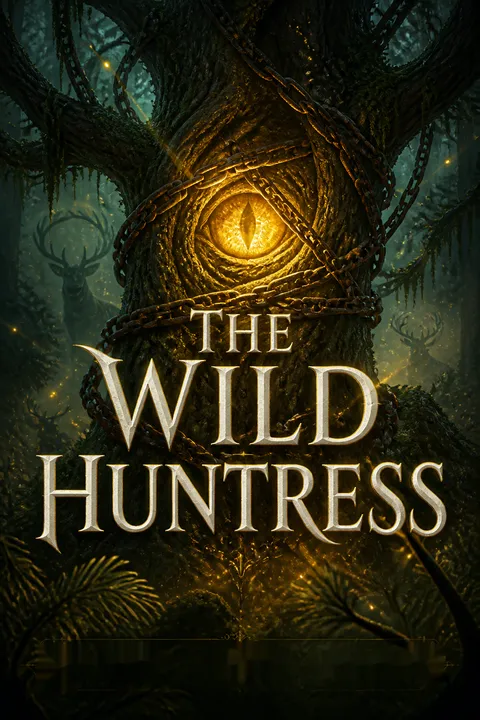
On the edge of the magical Annwvyn, a midwife is summoned by the otherfolk to save a dying mother. In the process, her infant daughter is accidentally marked with magic, granting her a golden eye that sees the truth of the magical world. The midwife, fearing for her child's safety, binds her daughter's eye with iron and raises her in secrecy. The girl, Branwen, grows up wary and watchful, learning that names and bargains hold power, and that the world is divided between those who see and those who are seen. Her fate is set in motion by a single, accidental touch of magic—a fate that will entwine her with monsters, mortals, and the Wild Hunt itself.
The Huntress and Her Eye
Branwen, now a young woman, is a huntress for hire, using her magical sight to track and slay monsters that threaten her village. Her right eye, when unbound, reveals the true forms of the otherfolk and the dangers lurking in the wilds. She is both feared and needed by her neighbors, but her life is one of isolation and vigilance. Her mother's mind is slipping, and Branwen's only solace is in the clarity of the hunt. When a noble's son goes missing near Annwvyn, Branwen is hired to find him, leading her into a deadly encounter with a cyhyraeth—a harbinger of death—and deeper into the tangled politics of mortals and the otherfolk.
Trickster's Games Begin
Gwydion, the youngest nephew of King Math, is a diviner whose magic calls to plants and trees. Overlooked and underestimated, he has built a network of spies and informants, wielding secrets as deftly as any blade. When his uncle hints that the next ruler of Gwynedd will be decided by the outcome of the Wild Hunt, Gwydion sees an opportunity. He seeks out Branwen, recognizing her unique power, and proposes an alliance: together, they will infiltrate the Hunt, win the Otherking's boon, and change the fate of their kingdom. But Gwydion's plans are layered with deception, and his true intentions remain hidden even from those closest to him.
The Prince Among Monsters
Pryderi, the lost prince of Dyfed, was raised by a monster and reclaimed by his royal family only to find himself an outsider in his own court. Invited to the Wild Hunt after a violent duel, Pryderi is both eager and afraid—desperate to prove he is more than the monster he fears he has become. In the magical camp of Annwvyn, he befriends Cigfa, the Otherking's champion, and crosses paths with Gwydion and Branwen. As the Hunt approaches, Pryderi's struggle with his identity and his place in the world becomes a crucible that will test his loyalty, his courage, and his very soul.
Oaths, Iron, and Blood
As the Wild Hunt draws near, Branwen's world unravels. Her mother's illness worsens, and the village turns against her after a noble's wrath. Gwydion offers her a bargain: join him in the Hunt, and he will ensure her safety and her mother's care. Desperate, Branwen agrees, and together they set out for Annwvyn, leaving behind the only home she has ever known. Their journey is marked by danger, old wounds, and the uneasy trust between a huntress who sees too much and a trickster who reveals too little. The price of power, and the cost of survival, become ever more apparent.
The Wild Hunt Summoned
On the night of Nos Calan Gaeaf, the Wild Hunt is called. Hunters from mortal and immortal realms gather, each binding their signet ring to an animal as a token of fealty. The rules are simple and cruel: hunt the animals, claim the rings, and the victors will win a boon from the Otherking. Branwen, Gwydion, and Pryderi form an uneasy alliance, each driven by their own hopes and fears. But the Hunt is more than a game—it is a test of loyalty, a contest of power, and a trap for the unwary. As the forest comes alive with magic and violence, the true nature of the Hunt is revealed: it is not only animals that are hunted, but people, and the cost of losing is servitude for a year and a day.
Alliances Forged in Shadows
The trio navigates the deadly Hunt, evading monsters, rival hunters, and the ever-present threat of the otherfolk. Branwen's sight saves them from magical traps, Gwydion's power shapes the very forest, and Pryderi's strength and kindness hold them together. They rescue a hunted man, confront the champion Cigfa, and begin to unravel the true purpose of the Hunt: the collection of fealty, not just rings. Each victory comes at a cost, and the bonds between them are tested by secrets, jealousy, and the looming specter of betrayal. In the heart of Annwvyn, love and loyalty become weapons as sharp as any blade.
The Price of Power
As the Hunt nears its end, the trio faces the guardians of the Otherking's ring—three women who demand their true names as the price for passage. Each is forced to confront their deepest fears and desires: Gwydion's hunger for power, Pryderi's struggle with his monstrous past, and Branwen's terror of helplessness. Prophecies are spoken: one will never be king, one will break a throne, and one will hunt what she loves. The cost of victory is revealed to be higher than any of them imagined, and the choices they make will echo far beyond the boundaries of the Hunt.
Monsters, Mortals, and Memory
The aftermath of the Hunt is marked by blood and heartbreak. Pryderi is slain in a moment of chaos and misunderstanding, fulfilling the prophecy that he will never be king. Branwen, bound by magic, is forced to hunt Gwydion, the man she has come to love. Gwydion, in turn, is driven to desperate measures, unleashing the full fury of the forest to escape. The lines between monster and mortal blur, and the survivors are left to reckon with the consequences of their choices. Memory, both a blessing and a curse, haunts them all.
Betrayal at Dawn's Edge
Gwydion's true plan is exposed: he never intended to win the Hunt for the boon, but to steal the fealty of two kingdoms and deliver them to his sister, ensuring her ascension to the throne. Branwen and Pryderi, betrayed and heartbroken, confront him in a final, violent clash. The cost of ambition is laid bare, and the fragile trust that once bound them is shattered. In the end, it is not strength or cunning that determines the outcome, but the willingness to sacrifice for those they love—and the willingness to forgive.
The Huntress Breaks
Branwen, compelled by the magic of the Hunt, is forced to hunt Gwydion. Their final confrontation is brutal and intimate, a battle between love and duty, freedom and fate. Gwydion, unable to harm her, surrenders the rings and bargains for her freedom, even as he loses everything he fought for. The Hunt ends not with triumph, but with exhaustion, grief, and the knowledge that some wounds may never heal. The magic of Annwvyn fades, and the otherfolk begin to leave the mortal world, taking their secrets with them.
The Trickster's True Plan
Gwydion returns to Gwynedd, wielding the power he has stolen to force his uncle to name Arianrhod as heir. He breaks the throne—literally and figuratively—using his magic to reshape the kingdom and ensure a future free from tyranny. But the cost is exile, and the loss of those he loves. The age of magic ends, and the world turns inexorably toward iron and mortality. Gwydion, once a trickster and a prince, becomes a legend—a cautionary tale of ambition, sacrifice, and the price of power.
The Prince's Last Stand
Pryderi, in his final moments, chooses not to become the monster he fears. He spares Gwydion, even as the world demands blood. His death is both a tragedy and a release, freeing him from the burdens of kingship and the expectations of others. In his memory, Branwen and Gwydion are forced to confront the consequences of their actions and the true meaning of loyalty, love, and forgiveness.
The Forest Goes to War
In a desperate bid for escape, Gwydion unleashes the full power of the forest, turning Annwvyn itself into a weapon. The Wild Hunt becomes a true battle, with trees and roots attacking hunters and monsters alike. The cost of such magic is immense, and the world is forever changed. The otherfolk, recognizing the danger, agree to leave the mortal lands, taking their magic with them. The age of legends ends, and a new era begins.
The Huntress Hunts Love
Branwen, freed from Arawn's control by Gwydion's sacrifice, returns home. She is changed—scarred, wiser, and haunted by loss. Gwydion, exiled and alone, seeks forgiveness and a place in the world he helped reshape. Their reunion is tentative, marked by pain and hope. The wounds of the Hunt may never fully heal, but together, they begin to build something new—a life forged from the ashes of magic and the memory of love.
The Rings and the Bargain
Gwydion bargains with Arawn, trading the fealty of kings for Branwen's freedom. The Otherking, bound by his own rules, accepts the bargain and prepares to leave the mortal world. Gwydion's final command is simple: protect your people, and let the age of iron begin. The rings, once symbols of power and control, become relics of a vanished era. The world moves on, but the memory of the Wild Hunt lingers in story and song.
The End of Magic
With the departure of the otherfolk, the world grows quieter, more ordinary. Magic fades, and the boundaries between mortal and immortal dissolve. Branwen and Gwydion, both marked by their experiences, find solace in the rhythms of daily life—tending farms, caring for family, and seeking forgiveness. The legends of the Wild Hunt become stories told by the fire, reminders of a time when anything was possible and the price of power was always paid in blood.
Homecoming and Forgiveness
Branwen returns home, her mother's memory preserved by Gwydion's final act of magic. Gwydion, exiled and changed, seeks a place in the world he helped save and nearly destroyed. Their reunion is quiet, marked by the scars of the past and the hope of the future. For a year and a day, Gwydion leaves flowers at Branwen's door, and in time, she opens it. The story ends not with triumph or tragedy, but with the promise of healing, forgiveness, and the enduring power of love.
Analysis
Emily Lloyd-Jones's The Wild Huntress is a masterful reimagining of Welsh myth, blending folklore, fantasy, and psychological depth into a story that interrogates the nature of power, loyalty, and love. At its heart, the novel is about the cost of survival in a world where every gift is a curse and every choice is a gamble. The Wild Hunt, with its shifting rules and hidden purposes, serves as a metaphor for the struggle between fate and agency, forcing each character to confront the limits of their power and the consequences of their desires. Branwen's journey from isolated huntress to reluctant champion is a study in resilience and vulnerability, while Gwydion's transformation from trickster to kingmaker—and ultimately, exile—explores the dangers of ambition and the possibility of redemption. The novel's use of dual sight, names, and oaths as plot devices reinforces its central themes: that truth is both weapon and wound, that love and loyalty are as dangerous as any magic, and that forgiveness is the hardest—and most necessary—victory of all. In a modern context, The Wild Huntress resonates as a meditation on trauma, agency, and the search for belonging, offering readers both the thrill of mythic adventure and the solace of hard-won hope.
Review Summary
The Wild Huntress received mixed reviews, with an average rating of 3.99 out of 5. Many readers praised the Welsh folklore elements, compelling characters, and immersive storytelling. The book was compared to popular fantasy series like Throne of Glass and The Cruel Prince. Some enjoyed the unexpected twists and found family dynamics. However, others criticized pacing issues, particularly in the second half, and felt dissatisfied with character development and the ending. The audiobook was highly recommended for its Welsh accents and engaging narration.
People Also Read
Characters
Branwen
Branwen is the daughter of a midwife, accidentally gifted with a magical eye that sees the truth of the world. Raised in secrecy and fear, she becomes a huntress, using her power to protect her village from monsters both mortal and magical. Fiercely independent, loyal, and haunted by loss, Branwen's greatest fear is helplessness—her mother's illness and her own vulnerability drive her to desperate bargains. Her journey through the Wild Hunt is one of self-discovery, heartbreak, and resilience. She is both a weapon and a healer, a survivor who learns that love and forgiveness are as powerful as any magic.
Gwydion
Gwydion is the youngest nephew of King Math, a diviner whose magic calls to plants and trees. Overlooked and underestimated, he becomes a master of secrets, building a network of spies and wielding information as his greatest weapon. Driven by a desire to protect his family and reshape his kingdom, Gwydion's ambitions lead him to deception, betrayal, and ultimately, exile. His relationship with Branwen is complex—marked by genuine affection, manipulation, and regret. Gwydion's arc is one of transformation: from trickster to kingmaker, from liar to penitent, from legend to man.
Pryderi
Pryderi, the lost prince of Dyfed, is haunted by his monstrous upbringing and his struggle to belong. Kind, strong, and deeply empathetic, he seeks to prove himself in the Wild Hunt, only to be undone by the very forces he hoped to master. His death is both a tragedy and a release, freeing him from the burdens of expectation and allowing him to choose mercy over monstrosity. Pryderi's legacy is one of quiet heroism, a reminder that true strength lies in compassion and self-acceptance.
The Otherking (Arawn)
Arawn is the enigmatic and powerful king of Annwvyn, a being of ancient magic and inscrutable motives. He is both gracious and terrifying, bound by his own rules and the bargains he makes. Arawn's role in the Wild Hunt is that of judge, manipulator, and, ultimately, exile. His interactions with mortals are marked by a cold pragmatism, but he is not without a sense of honor. Arawn's departure signals the end of an era—the fading of magic and the rise of the mortal world.
Cigfa
Cigfa is the Otherking's champion, a formidable hunter and enforcer of the Hunt's rules. She is both charming and ruthless, embodying the amoral nature of the otherfolk. Her relationship with Pryderi is one of mentorship and challenge, and her defeat by Branwen marks a turning point in the Hunt. Cigfa's loyalty is to her king, but she is not without a sense of fairness. She serves as a mirror to Branwen, showing what it means to be both hunter and hunted.
Branwen's Mother
The midwife who risked everything to protect her daughter, Branwen's mother is a figure of strength, love, and vulnerability. Her illness is a constant source of pain for Branwen, driving many of her choices. The preservation of her memory, achieved through Gwydion's final act of magic, is a quiet victory—a reminder that some battles are fought not with swords, but with care and sacrifice.
Amaethon
Amaethon, Gwydion's brother, is a fire diviner and the chosen heir to Gwynedd's throne. He is ruthless, charismatic, and dangerous—a symbol of the destructive potential of unchecked ambition. His rivalry with Gwydion and Arianrhod shapes much of the political intrigue, and his eventual defeat is both a personal and political turning point.
Arianrhod
Arianrhod, Gwydion's sister, is a metal diviner and the true heart of Gwynedd. Wise, compassionate, and strong, she is the ruler the kingdom needs. Her relationship with Gwydion is one of mutual respect and deep affection, and her ascension to the throne is the fulfillment of both their hopes. Arianrhod represents the possibility of a better world—one built on justice, mercy, and love.
Palug
Palug is Branwen's black-and-white cat, a creature of ambiguous origin and surprising power. Feared by the otherfolk and beloved by Branwen, Palug is both a protector and a symbol of the wild magic that lingers at the edges of the world. His presence is a comfort and a warning—a reminder that not all monsters are enemies, and not all friends are safe.
King Math
King Math is the ruler of Gwynedd, a diviner of flesh and a master of manipulation. His games and tests shape the destinies of his niece and nephews, and his refusal to heal Dôn is a source of lasting pain. Math's eventual defeat at Gwydion's hands is both a personal reckoning and a metaphor for the end of an era. He is a symbol of the old order—powerful, cunning, and ultimately, replaceable.
Plot Devices
The Wild Hunt
The Wild Hunt is the central plot device—a magical tournament held every five years, where mortals and immortals alike compete for a boon from the Otherking. Ostensibly a hunt for animals, the true purpose is the collection of fealty: the winners claim the loyalty of those whose rings they capture, binding them to service for a year and a day. The Hunt is a crucible for character, testing loyalty, love, and ambition. It is also a metaphor for the struggle between fate and free will, as each participant is forced to confront the cost of their choices.
Dual Sight and Iron
Branwen's magical eye allows her to see through illusions, revealing the true nature of monsters and magic. Her iron-stitched blindfold is both a shield and a prison, protecting her from the dangers of her own power. This device serves as a metaphor for knowledge and ignorance, the burden of seeing too much, and the price of survival in a world where truth is both weapon and wound.
Names and Oaths
Names hold power in Annwvyn—knowing a true name grants control, and bargains are binding. The demand for true names at the threshold of the Otherking's ring is a test of identity and vulnerability, forcing each character to confront who they are and what they fear. Oaths, bargains, and the breaking of both drive the plot, shaping alliances and betrayals.
Prophecy and Foreshadowing
Prophecies spoken by the guardians of the Otherking's ring foreshadow the fates of the main characters: one will never be king, one will break a throne, and one will hunt what she loves. These predictions shape the characters' actions, creating tension between destiny and agency. The narrative structure weaves these prophecies throughout, building suspense and emotional resonance.
The Cost of Magic
Magic in this world is never free—each act of divining drains the user, exacting a physical or emotional toll. Gwydion's use of his power, especially in the climactic battle, leaves him weakened and changed. The cost of magic is a recurring theme, reinforcing the idea that every choice, every act of power, comes with consequences.
Betrayal and Forgiveness
The story's emotional arc is driven by betrayal—Gwydion's deception, Branwen's forced hunt, Pryderi's death—and the possibility of forgiveness. The narrative structure allows for moments of reconciliation and healing, but never without acknowledging the pain and loss that precede them. The final chapters focus on the slow, difficult process of rebuilding trust and finding peace.
Download PDF
Download EPUB
.epub digital book format is ideal for reading ebooks on phones, tablets, and e-readers.








































