Plot Summary
Sibling Bonds and Betrayals
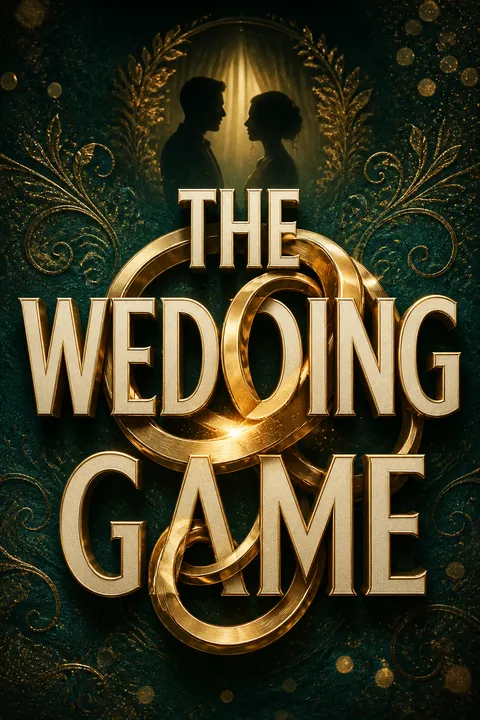
Alec and Thad Baxter, brothers scarred by their parents' toxic marriage, have drifted apart as adults. Thad, the sensitive younger brother, idolizes Alec, a hardened divorce lawyer. When Thad's fiancée Naomi becomes pregnant, financial pressures force him to seek unconventional solutions for their wedding. The answer appears in the form of a reality TV competition, The Wedding Game, where the grand prize is a Manhattan penthouse. But the show requires a family member's participation, and Thad's only choice is Alec. Alec's reluctance and emotional distance threaten to fracture their already fragile bond, setting the stage for a story about family, loyalty, and the wounds that never fully heal.
Craft Queen's Ambition
Luna Rossi, a celebrated crafter and social media star, is fiercely devoted to her brother Cohen and his fiancé Declan. When she learns about The Wedding Game, she sees an opportunity to give Cohen the wedding he deserves and a shot at a dream home. Despite Cohen's aversion to the spotlight, Luna's determination—and a little subterfuge—lands them a spot on the show. Luna's passion for crafting and her desire to help her brother are matched only by her competitive spirit. Her actions, though well-intentioned, set off a chain of events that will test her relationships and force her to confront the limits of her control.
The Wedding Game Begins
The show brings together three teams: the flamboyant Baxters, the meticulous Rossis, and the lovable Hernandez family. Each team must plan a wedding on a tight budget, facing weekly challenges that test their creativity, teamwork, and patience. Alec, out of his element, clashes with Luna, whose confidence and skill threaten his composure. The competition's structure—requiring family collaboration—forces the characters to confront old wounds and new rivalries. As the cameras roll, alliances form and tensions simmer, with every glitter bomb and glue gun mishap revealing deeper truths about love, ambition, and the meaning of family.
Rivalries and First Sparks
Alec and Luna's initial encounters are fraught with misunderstanding and mutual disdain. Alec's brusque, entitled demeanor grates on Luna, while her relentless optimism and talent challenge his cynicism. Their banter is sharp, their insults creative, but beneath the surface, a grudging respect—and attraction—begins to grow. As they navigate the chaos of the competition, their rivalry becomes a catalyst for self-discovery. Both are forced to question their assumptions about each other and themselves, setting the stage for a slow-burning romance that neither expected.
Family Secrets Unveiled
The stress of the competition exposes the cracks in every relationship. Alec's unresolved issues with his mother and his guilt over abandoning Thad come to the fore. Luna's need to control and fix everything strains her bond with Cohen, who resents her interference. Secrets—like Luna's covert application to the show and Alec's emotional withdrawal—threaten to unravel the teams from within. The challenges become more than just crafting tasks; they are crucibles that force each character to confront their deepest fears and desires.
Sabotage, Secrets, and Cake
As the competition intensifies, so do the stakes. Alec, desperate to help Thad, resorts to subterfuge—catfishing Luna online for baking tips. Luna, meanwhile, struggles with guilt over her own secrets and the growing attraction she feels for Alec. Their clandestine collaboration on a wedding cake becomes a turning point, blending vulnerability with humor and desire. The lines between competition and connection blur, and both must decide what they're willing to risk for family—and for love.
Unexpected Alliances Form
Alec and Luna's relationship shifts from antagonism to alliance as they begin to trust—and confide in—each other. Their late-night baking sessions and honest conversations reveal the pain and longing beneath their facades. Alec opens up about his fractured family, while Luna admits her fears of losing control. Their intimacy grows, both emotionally and physically, but secrecy remains: they agree to keep their budding romance hidden to avoid jeopardizing their teams. The secrecy, however, becomes a ticking time bomb.
Hearts and Hands Collide
The romance between Alec and Luna deepens, but so do the complications. Their secret relationship is a source of joy and solace, yet it also breeds anxiety and guilt. Both struggle to balance their loyalty to family with their feelings for each other. The competition's challenges—centerpieces, decorations, and final picks—become metaphors for the choices they must make. As the wedding dates approach, the pressure mounts, and the risk of exposure grows ever greater.
Love and Lies Unravel
The truth comes out in a dramatic, public confrontation. Mary DIY, the show's icy host, exposes Alec and Luna's relationship on set, igniting accusations of cheating and betrayal. Thad feels abandoned, Cohen feels deceived, and Luna and Alec are forced to face the consequences of their choices. The fallout is immediate and devastating: friendships fracture, trust is shattered, and both Alec and Luna are left questioning whether love is worth the cost. The competition, once a backdrop for personal growth, now threatens to destroy the very relationships it was meant to celebrate.
Meltdowns and Making Amends
In the aftermath, Alec and Luna are both isolated—estranged from their families and each other. Alec seeks therapy and attempts to repair his relationship with Thad, realizing that true connection requires vulnerability and effort. Luna, devastated by the loss of her brother's trust and Alec's absence, is forced to confront her own need for control and her fear of being alone. Both must learn to forgive themselves before they can seek forgiveness from others. Through honest conversations and small acts of kindness, the path to healing begins.
The Fallout of Truth
Alec's heartfelt gestures—scrapbooks, family heirlooms, and honest apologies—help thaw Thad's resentment. Luna and Cohen reconcile, acknowledging the ways they've both hurt and helped each other. The families, once fractured, begin to mend. Alec and Luna's love, though tested, proves resilient. They realize that honesty, vulnerability, and mutual support are the foundations of lasting relationships. The competition's outcome becomes secondary to the personal victories won through forgiveness and growth.
Healing, Hope, and Forgiveness
The weddings unfold with joy and celebration, each reflecting the unique personalities and journeys of the couples. Alec and Luna, reunited, share a dance that symbolizes their renewed commitment. Thad and Naomi, Cohen and Declan, and even the eccentric Helen find closure and happiness in their own ways. The show's results—who wins the penthouse—matter less than the sense of family and belonging that has been restored. The characters emerge stronger, wiser, and more open to love in all its messy, beautiful forms.
Happily Ever After, Redefined
In the aftermath, Alec and Luna move in together, blending their lives and dreams. Thad and Naomi prepare for parenthood, Cohen and Declan embark on a new adventure, and Luna's career flourishes. The extended family gathers for regular brunches, celebrating the bonds that have been reforged. The Wedding Game, once a source of stress and conflict, becomes a cherished memory—a testament to the power of love, forgiveness, and the courage to start anew. The story ends not with a perfect wedding, but with the promise of a perfectly imperfect future, built on honesty, laughter, and the willingness to try again.
Analysis
Meghan Quinn's The Wedding Game is a vibrant, heartfelt exploration of family, love, and the messy process of healing old wounds. By setting the story within the high-stakes, performative world of reality TV, Quinn amplifies the pressures that shape—and sometimes break—relationships. The novel's greatest strength lies in its willingness to embrace imperfection: characters are allowed to be flawed, to make mistakes, and to hurt each other, but also to grow, forgive, and try again. The enemies-to-lovers romance between Alec and Luna is both entertaining and emotionally resonant, using humor and vulnerability to peel back layers of cynicism and fear. The story's modern relevance is clear: it interrogates the costs of secrecy, the dangers of control, and the necessity of honest communication in a world obsessed with appearances. Ultimately, The Wedding Game argues that true happiness is found not in winning or perfection, but in the courage to be seen, to risk love, and to build something beautiful—together, and from scratch.
Review Summary
People Also Read







Characters
Alec Baxter
Alec is a top New York divorce lawyer, shaped by a childhood spent shielding his younger brother Thad from their parents' toxic marriage. His emotional armor is thick—cynical, guarded, and convinced that love is a losing game. Alec's journey is one of reluctant vulnerability: forced into The Wedding Game by Thad, he's initially resentful and dismissive, but the competition—and his growing connection with Luna—force him to confront his own pain and capacity for love. Alec's arc is about learning to let go of control, accept help, and risk his heart, ultimately finding healing through honesty, family, and romance.
Luna Rossi
Luna is a crafting prodigy and social media influencer, defined by her devotion to her brother Cohen and her need to make things right. Her optimism and resourcefulness mask a deep fear of losing control and being left behind. Luna's compulsion to "fix" others—especially Cohen—leads her to overstep boundaries, but her intentions are always rooted in love. Her rivalry-turned-romance with Alec challenges her to relinquish control, embrace vulnerability, and accept that not everything can be mended with glue and glitter. Luna's growth lies in learning to trust, forgive, and let herself be loved.
Thad Baxter
Thad is Alec's younger brother, a corporate event planner with a flair for the dramatic and a heart on his sleeve. Scarred by his parents' neglect, Thad idolizes Alec and longs for a close, supportive family. His emotional intensity is both his strength and his weakness—he's quick to feel hurt and slower to forgive. Thad's journey is about learning to assert his needs, accept imperfection, and recognize that love sometimes means letting go of old wounds. His relationship with Alec is the emotional core of the story, embodying the pain and hope of sibling bonds.
Cohen Rossi
Cohen, Luna's brother, is a skilled carpenter and a gentle soul. His coming out was met with love by his family, but he still struggles with public displays of affection and the fear of judgment. Cohen's relationship with Luna is both supportive and strained—he appreciates her loyalty but resents her tendency to take over. His arc is about finding his own voice, setting boundaries, and embracing vulnerability with Declan. Cohen's wedding becomes a symbol of self-acceptance and the courage to live authentically.
Naomi
Naomi, Thad's fiancée, is practical, compassionate, and quietly strong. Her pregnancy adds urgency to the couple's quest for stability, but she remains a calming influence amid the chaos. Naomi's role is often that of mediator—between Thad and Alec, and within the competition. She encourages Alec to reconcile with Thad and supports Thad's emotional needs without enabling his dramatics. Naomi's presence anchors the story, reminding the characters of what truly matters.
Declan
Declan, Cohen's fiancé, is a schoolteacher with a calm, analytical mind. He balances Cohen's reticence and Luna's exuberance, offering quiet support and gentle humor. Declan's relationship with Cohen is a model of mutual respect and patience, and his acceptance by the Rossi family is a testament to the power of chosen family. Declan's arc is less about personal transformation and more about facilitating growth in those around him.
Helen
Helen, the mother-in-law on Team Hernandez, is loud, meddling, and unfiltered. Her constant commentary and competitive streak provide comic relief and occasional chaos. While often a source of frustration for the other contestants, Helen's presence also highlights the complexities of family dynamics and the challenge of balancing tradition with change.
Farrah
Farrah, Luna's best friend and roommate, is brash, supportive, and unafraid to call out nonsense. Her fashion sense and quick wit provide levity, while her unwavering loyalty helps Luna navigate the emotional rollercoaster of the competition. Farrah's role is to ground Luna, offering perspective and the occasional reality check.
Mary DIY
Mary DIY, the show's host and crafting celebrity, is admired by Luna but ultimately revealed to be aloof and self-absorbed. Her presence serves as a mirror for Luna's own ambitions and the dangers of idolizing perfection. Mary's coldness is a reminder that success does not always equate to fulfillment or kindness.
Lucas
Lucas, Alec's friend and colleague, provides much-needed perspective and humor. His own experiences with loss and regret help Alec see the importance of reconciliation and vulnerability. Lucas's advice, though sometimes irreverent, is instrumental in pushing Alec toward growth and healing.
Plot Devices
Reality TV as Emotional Crucible
The Wedding Game's format—weekly challenges, family teams, and public voting—serves as both a literal and metaphorical crucible. The artificial pressure cooker of reality TV amplifies existing tensions, forcing characters to confront their flaws, secrets, and desires. The competition's constraints (budget, time, teamwork) mirror the real-life challenges of relationships, making every crafting disaster and victory a stand-in for deeper emotional stakes.
Enemies-to-Lovers Romance
Alec and Luna's journey from adversaries to lovers is driven by sharp banter, mutual challenge, and reluctant admiration. Their initial antagonism masks vulnerability and longing, and their eventual alliance is built on honesty and shared struggle. The trope is used not just for romantic tension, but as a vehicle for character growth—each must let go of pride and fear to find connection.
Secrets and Revelations
Secrecy is a recurring motif: Luna's covert application, Alec's emotional withdrawal, their hidden romance. The eventual exposure of these secrets is explosive, leading to public confrontations and private reckonings. The fallout forces characters to reckon with the consequences of dishonesty and the necessity of vulnerability for true intimacy.
Family as Both Wound and Healing
The story's emotional core is the interplay between family trauma and the longing for connection. Alec and Thad's relationship is haunted by their parents' failures, while Luna and Cohen's bond is tested by overprotection and resentment. Healing comes not from erasing the past, but from acknowledging pain, seeking forgiveness, and choosing to show up for each other.
Humor and Banter as Coping Mechanisms
Witty dialogue, running jokes (ugly shoes, barking, crafting disasters), and comic side characters (Farrah, Helen) provide relief from the story's heavier themes. Humor is not just entertainment—it's a way for characters to connect, deflect, and ultimately heal.
Symbolic Crafting
The act of crafting—cakes, centerpieces, invitations—serves as a metaphor for the characters' attempts to build, repair, and beautify their relationships. Successes and failures in crafting parallel emotional breakthroughs and setbacks, reinforcing the theme that love, like art, is messy, imperfect, and worth the effort.
About the Author
Other books by Meghan Quinn









Download PDF
Download EPUB
.epub digital book format is ideal for reading ebooks on phones, tablets, and e-readers.








































