
Key Takeaways
1. Stories Shape Our Understanding of the World
The truth about stories is that that’s all we are.
Stories define reality. Stories are not merely entertainment; they are the very fabric of our understanding. They shape our perceptions, beliefs, and values, influencing how we interpret the world and our place within it. Cultures are built and sustained through the stories they tell themselves.
Creation stories. Creation stories, in particular, are powerful because they establish the fundamental relationships and values of a culture. Thomas King contrasts the Christian creation story of Genesis with a Native creation story, highlighting how each narrative promotes different values:
- Genesis: Emphasizes hierarchy, law, and order.
- Native Story: Celebrates cooperation, equality, and balance.
Be mindful of stories. The stories we consume and perpetuate have real-world consequences. We must be aware of the narratives that dominate our society and critically examine their impact on our understanding of ourselves and others.
2. Native Identity is a Complex and Contested Terrain
You’re not the Indian I had in mind.
Visual expectations. The idea of "the Indian" is often a romanticized or stereotypical construct, shaped by literature, film, and popular culture. This creates a narrow and often inaccurate expectation of what Native people should look and act like.
Authenticity tests. Native people are often subjected to authenticity tests, based on factors such as:
- Appearance
- Language fluency
- Tribal enrollment
- Participation in ceremonies
Internalized racism. These tests can be particularly damaging, as they can lead to internalized racism and a sense of not being "Indian enough." The pressure to conform to external expectations can create a disjunction between reality and imagination, making it difficult for Native people to define their own identities.
3. The Performance of "Indianness"
What were we, I wanted to know, entertainment?
Commodification of culture. Native people are often relegated to the role of entertainers, expected to perform a certain version of "Indianness" for the consumption of non-Native audiences. This can be a way to gain recognition or even make a living, but it also reinforces stereotypes and limits the complexity of Native identity.
The "Apple" Dilemma. When Native people adopt non-Native ways of dressing or behaving, they are often accused of being "apples" – red on the outside, white on the inside. This creates a double bind, where Native people are either seen as inauthentic if they don't conform to stereotypes or as sellouts if they do.
Reclaiming agency. Despite these challenges, Native people are finding ways to reclaim agency and define their own identities on their own terms. This involves challenging stereotypes, celebrating cultural traditions, and creating new forms of artistic expression.
4. Historical Narratives Perpetuate Harmful Stereotypes
Stupid as garden poles.
Dehumanization. Historical narratives have often portrayed Native people as savage, uncivilized, and inferior to Europeans. These stereotypes have been used to justify the colonization, displacement, and even extermination of Native populations.
The "Dying Indian" trope. The idea of the "dying Indian" was a popular trope in 19th-century literature and art. This trope served to romanticize Native people while simultaneously erasing their presence and agency.
The power of counter-narratives. It is crucial to challenge these harmful stereotypes by telling counter-narratives that center Native voices and experiences. By reclaiming their own stories, Native people can begin to heal from the wounds of the past and create a more just and equitable future.
5. Legislation as a Tool of Cultural Erasure
Our object is to continue until there is not a single Indian in Canada that has not been absorbed into the body politic and there is no Indian question, and no Indian department.
Legal assimilation. Legislation has been used as a tool to assimilate Native people into mainstream society, often with the goal of eliminating their distinct cultural identities. This has included policies such as the General Allotment Act in the United States and the Indian Act in Canada.
The Indian Act. The Indian Act in Canada has been particularly damaging, as it has defined who is and is not an Indian, controlled band governance, and restricted Native people's rights and freedoms. Amendments to the act, such as Bill C-31, have attempted to address some of the discriminatory aspects of the law, but have also created new challenges.
Two-generation cut-off clause. The two-generation cut-off clause in Bill C-31 threatens to erase status Indians within a few generations. This clause states that if a status Indian marries a non-status person for two generations, their descendants will lose their status.
6. The Power of Native Literature to Reclaim Identity
They are all we have, you see/All we have to fight off/Illness and death. You don’t have anything/If you don’t have the stories.
Resisting erasure. Native literature provides a powerful means of resisting cultural erasure and reclaiming Native identities. By telling their own stories, Native writers can challenge dominant narratives, celebrate their cultures, and create a sense of belonging and community.
Cosmology and culture. The magic of Native literature lies in the way meaning is refracted through cosmology and understanding is shaped by cultural paradigms. Native writers offer unique perspectives on universal themes such as identity, loss, and community.
Writing for a Native audience. Some Native writers are choosing to write primarily for Native audiences, creating stories that resonate with their own experiences and perspectives. This can be a way to resist the pressure to conform to non-Native expectations and to create a space for authentic self-expression.
7. Stories as a Means of Survival and Resistance
Maybe entertainment is the story of survival.
Coping mechanism. Stories can be a means of coping with trauma, loss, and injustice. By sharing their experiences, Native people can find healing, build resilience, and create a sense of hope for the future.
Maintaining culture. Stories can also be a form of resistance, preserving cultural traditions and values in the face of assimilation and oppression. By passing down their stories from generation to generation, Native people can ensure that their cultures continue to thrive.
The power of laughter. Humor is an important element of Native storytelling, providing a way to cope with difficult realities and to challenge authority. By laughing at themselves and their circumstances, Native people can reclaim their power and agency.
8. The Dichotomy of Oral vs. Written Stories
We need to awaken in him wants.
Quantifiable vs. unquantifiable. Written literature is often valued over oral literature because it is seen as more quantifiable and permanent. However, oral stories are just as important, as they are often deeply connected to community, ceremony, and the land.
Dependability. The idea that written stories are more dependable is challenged by the fact that both written and oral stories can be lost or destroyed. Neglect is as powerful an agent as war and fire.
Public vs. private. Oral stories are often public, performed for an audience, while written stories are often private, read by individuals. However, this distinction is not always clear-cut, as written stories can be performed orally and oral stories can be written down.
9. The Importance of Context in Storytelling
There are stories that take seven days to tell. There are other stories that take you all your life.
Proper place and time. Native stories are often told in specific contexts, at particular times of year, or by certain individuals or families. This context is crucial to understanding the meaning and significance of the story.
Compromised stories. When Native stories are taken out of their original context and put into print, they can be compromised. The printed word has no master, no voice, no sense of time or place.
Maintaining integrity. It is important to be respectful of the cultural protocols surrounding Native storytelling and to avoid appropriating or misrepresenting Native stories. When sharing Native stories, it is crucial to acknowledge their source and to provide appropriate context.
10. The Danger of a Single Story
These Human Beings, said the Ducks, what is it about us that they don’t like?
Limited perspectives. When we only hear one story about a group of people, we risk developing a limited and inaccurate understanding of their lives and experiences. This can lead to prejudice, discrimination, and even violence.
Power dynamics. The power to tell stories is not equally distributed. Dominant groups often have the power to shape the narratives that circulate in society, while marginalized groups are often silenced or misrepresented.
Multiple narratives. It is crucial to seek out multiple narratives and perspectives in order to gain a more complete and nuanced understanding of the world. By listening to the stories of those who have been historically marginalized, we can begin to challenge dominant narratives and create a more just and equitable society.
Review Summary
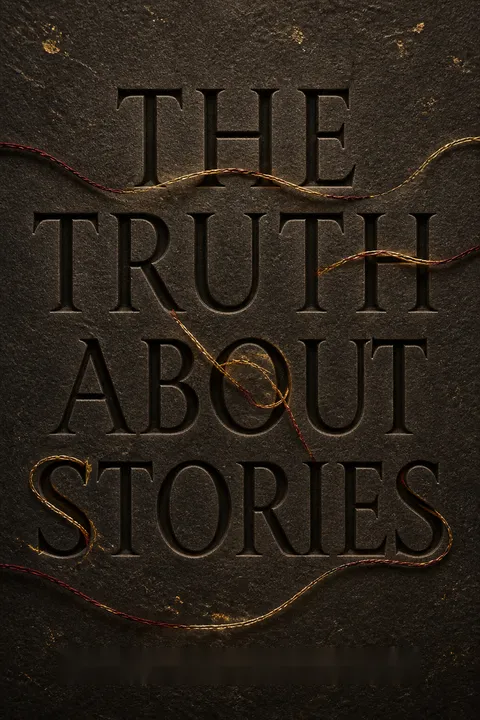
The Truth About Stories is praised as a profound exploration of storytelling, Native identity, and the power of narratives. Readers appreciate King's wit, sarcasm, and ability to weave personal anecdotes with broader cultural and historical contexts. The book's structure, mirroring oral tradition, resonates strongly. Many found it thought-provoking, particularly in its examination of Indigenous perspectives and critiques of colonialism. Reviewers consistently recommend it as an important, accessible work that challenges readers to reconsider their understanding of stories and their impact on society.
People Also Read


FAQ
What’s "The Truth About Stories: A Native Narrative" by Thomas King about?
- Exploration of Storytelling: The book examines the power and function of stories in shaping individual and collective identities, particularly within Native and non-Native contexts.
- Personal and Cultural Narratives: King weaves together personal anecdotes, Native creation stories, and critical analysis to illustrate how stories influence perceptions of Indigenous peoples.
- Challenging Stereotypes: The narrative interrogates the construction of "the Indian" in North American imagination and the consequences of these stories for real Indigenous people.
- Story as Agency and Danger: King argues that stories are both wondrous and dangerous, capable of healing or harming, and that once told, they cannot be taken back.
Why should I read "The Truth About Stories" by Thomas King?
- Insight into Indigenous Perspectives: The book offers a nuanced understanding of Indigenous storytelling traditions and their significance in contemporary society.
- Critical Examination of Identity: King challenges readers to reconsider assumptions about race, authenticity, and the power dynamics embedded in cultural narratives.
- Engaging Storytelling Style: The book is accessible, witty, and deeply personal, making complex ideas relatable and memorable.
- Relevance to Modern Issues: It addresses ongoing issues of representation, legislation, and reconciliation, making it essential reading for those interested in social justice and cultural studies.
What are the key takeaways from "The Truth About Stories" by Thomas King?
- Stories Shape Reality: The stories we tell and believe define our identities, relationships, and societies.
- Multiplicity and Change: Stories are not static; they change with each telling and are influenced by the storyteller and audience.
- Danger and Responsibility: Stories can perpetuate stereotypes and injustices, so we must be mindful of the narratives we create and share.
- Legislation and Identity: Laws and policies have been used to define and often erase Indigenous identities, with lasting impacts on communities.
- Possibility of Change: By changing the stories we live by, we can change our lives and societies.
How does Thomas King define the power and danger of stories in "The Truth About Stories"?
- Stories as Identity: King asserts that "the truth about stories is that that’s all we are," emphasizing their foundational role in shaping who we are.
- Irreversible Impact: Once a story is told, it cannot be called back; it enters the world and influences thought and action.
- Healing and Harm: Stories can be medicine, offering healing and connection, but they can also injure, perpetuating harmful stereotypes or justifying injustice.
- Responsibility of Storytellers: King urges storytellers and listeners alike to be careful with the stories they tell and accept, recognizing their potential consequences.
What is the significance of the recurring "turtle" creation story in "The Truth About Stories" by Thomas King?
- Metaphor for Storytelling: The turtle story, which changes with each telling but always features the world on the turtle’s back, symbolizes the fluidity and persistence of stories.
- Cultural Comparison: King contrasts the Native creation story (turtle) with the Christian Genesis narrative to highlight differing worldviews—cooperation and balance versus hierarchy and competition.
- Foundation of Worldview: The story illustrates how foundational narratives shape cultural values, relationships, and understandings of the universe.
- Invitation to Reflection: By repeating and varying the story, King invites readers to question which stories they privilege and why.
How does "The Truth About Stories" by Thomas King address the concept of "authenticity" and Indigenous identity?
- Constructed Authenticity: King critiques the idea that "real" Indians must look or act a certain way, exposing how authenticity is often defined by outsiders.
- Personal Experience: He shares his own struggles with identity, including being mistaken for other ethnicities and feeling pressure to "perform" Indianness.
- Visual and Legal Markers: The book discusses how race, blood quantum, language, and legal status are used as touchstones for authenticity, often to the detriment of Indigenous people.
- Exclusion and Rarity: Authenticity tests are used to exclude, making "real" Indians rare and reinforcing stereotypes.
What does Thomas King say about the role of legislation in shaping Indigenous identity in "The Truth About Stories"?
- Erasure Through Law: King details how laws like the U.S. Dawes Act, Canadian Indian Act, and Bill C-31 have been used to define, limit, or erase Indigenous identities.
- Two-Generation Cut-Off: He explains how Canadian legislation can legally eliminate status Indians within a few generations through marriage rules.
- Legislation as Assimilation: These laws often aim to assimilate Indigenous people by breaking up land, communities, and legal recognition.
- Ongoing Impact: King shows that legal definitions continue to affect who is considered Indigenous and who has access to rights and resources.
How does "The Truth About Stories" by Thomas King critique the representation of Indigenous peoples in literature and media?
- Stereotypes and Fantasies: King examines how the "Indian" is a construct in the North American imagination, perpetuated by literature, photography, and popular culture.
- Romanticization and Erasure: He discusses the shift from seeing Indigenous people as inferior to romanticizing them as noble but doomed, which still erases real, living people.
- Performance and Entertainment: The book explores how Indigenous people have been made into performers for non-Native audiences, both historically and today.
- Resistance and Reclamation: King highlights Indigenous writers and artists who challenge these representations and create space for authentic voices.
What is the relationship between oral and written storytelling in "The Truth About Stories" by Thomas King?
- Oral as Public, Written as Private: King distinguishes oral stories as communal and dynamic, while written stories are private and fixed.
- Context and Meaning: He notes that oral stories are tied to specific times, places, and audiences, which can be lost in print.
- Coexistence and Dialogue: Despite differences, oral and written traditions coexist and can inform each other, enriching Indigenous literature.
- Preservation and Loss: King acknowledges the efforts to preserve oral stories in writing but warns that context and vitality can be diminished.
How does Thomas King use personal stories and humor in "The Truth About Stories"?
- Personal Anecdotes: King shares stories from his own life—about his family, travels, and experiences with racism—to ground abstract ideas in lived reality.
- Humor as Strategy: He uses wit and irony to engage readers, defuse tension, and expose the absurdities of stereotypes and bureaucracy.
- Vulnerability and Honesty: By revealing his own struggles and failures, King builds trust and invites readers to reflect on their own stories.
- Story as Connection: Personal stories serve as bridges between cultures and individuals, fostering empathy and understanding.
What are the best quotes from "The Truth About Stories" by Thomas King and what do they mean?
- "The truth about stories is that that’s all we are." This encapsulates King’s central thesis: stories are the foundation of identity and reality.
- "Once a story is told, it cannot be called back." This highlights the irreversible impact of stories and the responsibility that comes with telling them.
- "You’ll never believe what happened is always a great way to start." King emphasizes the power of storytelling to captivate and connect people.
- "Want a different ethic? Tell a different story." He suggests that societal change begins with changing the narratives we live by.
How does "The Truth About Stories" by Thomas King suggest we can change our lives and societies through stories?
- Stories as Tools for Change: King argues that by changing the stories we tell and believe, we can reshape our identities, relationships, and societies.
- Critical Reflection: He encourages readers to question dominant narratives and consider whose interests they serve.
- Empowerment Through Story: Telling new stories can empower marginalized voices and challenge systems of oppression.
- Ongoing Process: Change is not immediate; it requires sustained effort to create, share, and live by new stories that reflect justice, balance, and cooperation.
Download PDF
Download EPUB
.epub digital book format is ideal for reading ebooks on phones, tablets, and e-readers.








































