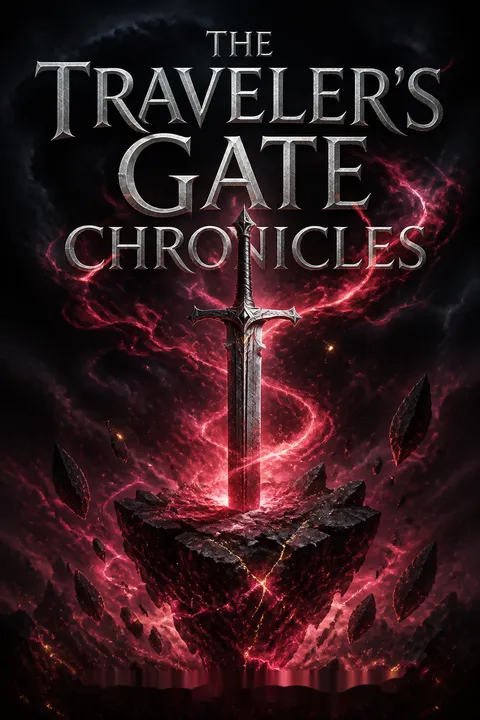

Summary Unavailable
This book is not suitable for a summary (it may be a textbook, workbook, cookbook, reference book, or collection). However, you can still explore the FAQs, about author, and other metadata below!
Plot Summary
Mist's Unforgiving Embrace
The Gardens of Mist are a place where survival depends on emotional discipline. The narrator, a lifelong resident, explains the rules: keep your mind clear, never trust your senses, and never let the Mist feed on your feelings. The Mist is a living force, eager to consume those who falter. This world is shaped by constant vigilance, where even a moment's weakness can lead to disappearance or madness. The narrator's stoic approach is a shield, but it also isolates him, hinting at the tragedy of a community forced to suppress its humanity for survival. The Mist is both a literal and metaphorical threat, representing the dangers of unchecked emotion and the cost of self-preservation.
Adrian's Descent Begins
Adrian Corydon, a seasoned worker in the Midnight Fields, is known for his temper and struggles with stress. Rumors swirl about his home life and his wife, Phelia. Despite his experience, Adrian is increasingly haunted by the Mist, feeling it move around him, feeding on his suppressed emotions. His growing paranoia and fear are dismissed by others as the result of too much time in the Mist or too much drink. The narrator, though sympathetic, remains detached, reflecting the community's tendency to ignore warning signs in favor of self-preservation. Adrian's vulnerability foreshadows the tragedy to come, as the Mist's influence grows ever stronger.
Night Visit and Confession
One night, Adrian arrives at the narrator's home, desperate and sweating, confessing his fear that the Mist is actively consuming his emotions. He describes a sense of being hollowed out, his anger and fear rising uncontrollably. The narrator listens but offers only practical advice: stay calm, talk to your wife, and keep control. Adrian leaves, still haunted, and the narrator is left uneasy, sensing the Mist's presence but doing nothing more. This encounter is a missed opportunity for compassion, highlighting the isolation and emotional suppression that define life in Asphodel. The seeds of disaster are sown in this moment of inaction.
The Mist Claims a Mind
The next morning, the narrator is summoned by the foreman—Phelia Corydon is dead, and Adrian is missing. The search party finds Adrian, blood-soaked and broken, beside his wife's corpse. He claims the Mist set a trap for him, insisting he is not to blame. The community, trained to fear emotional outbursts, responds with cold efficiency. Adrian's breakdown is seen as a threat to all, and the Mist, drawn by his panic, becomes a silent accomplice. The line between victim and perpetrator blurs, as the Mist's influence is both cause and excuse for violence.
Mob Justice in Asphodel
The community, led by the foreman, executes Adrian without hesitation. Their actions are methodical, driven by the need to protect themselves from the Mist's predations. The narrator, numb and detached, does nothing to intervene, focusing only on maintaining his own composure. The aftermath is chillingly routine—everyone returns to their daily work, burying the trauma deep within. The cost of survival in Asphodel is the loss of empathy and the normalization of violence. The Mist is not the only thing that consumes; so does fear and the culture it breeds.
Phelia's Unyielding Grief
The next day, Phelia, alive and searching for her husband, confronts the narrator. He tells her the truth, risking censure from the foreman. Phelia's response is stoic—she masks her pain, spits at the narrator's feet, and leaves to reclaim Adrian's body and seek justice from the Overlord. Her strength in the face of overwhelming loss is a testament to the resilience required to survive in Asphodel. Yet, her isolation mirrors that of the narrator and Adrian, underscoring the tragedy of a society where grief must be hidden to avoid destruction.
Lessons of Compassion
The narrator reflects on the events, recognizing too late the cost of emotional suppression. In trying to protect themselves from the Mist, the people of Asphodel have lost their capacity for compassion and connection. The tragedy of Adrian and Phelia is not just a personal failing but a systemic one, born of a culture that values survival over empathy. The narrator vows to bury the memory, continuing the cycle of repression. The lesson is clear: in seeking to preserve themselves, the people have sacrificed the very qualities that make life meaningful.
Stones in Endless Motion
In the Maelstrom of Stone, Chloe lives among floating mountains and rivers of iridian sand. Her world is defined by patience, tradition, and the constant movement of stone. Chloe, an apprentice to her Grandmaster grandfather, chafes against the slow, deliberate pace of life in Ornheim. She is creative and restless, eager to act rather than wait. The Cycle of the Maelstrom is both a literal and philosophical force, teaching endurance and observation. Chloe's impatience sets her apart, foreshadowing the challenge she will face when action, not waiting, becomes necessary.
Chloe's Impatient Heart
Chloe completes her work on a golem's heartstone, eager to join her friends in the City Beneath. Her grandfather insists she observe the Cycle, reinforcing the lesson of patience. Chloe's frustration is palpable—she respects her grandfather but feels stifled by tradition. When she spots a girl stranded on a floating island, threatened by a looming collision, Chloe's instincts override her training. She risks everything, using her limited control over iridian sand to attempt a daring rescue. Chloe's impulsiveness is both her weakness and her strength, challenging the values of her world.
Rescue in the Maelstrom
Chloe's attempt to save the girl, Deborah, is fraught with danger. She barely manages to reach the island, exhausted and vulnerable. The two girls, strangers from different worlds, must work together to survive. The looming threat of the crashing rose quartz star forces them to act quickly. Chloe's creativity and Deborah's calm pragmatism combine as they devise a plan to use the island's skystone veins to escape. Their cooperation, born of necessity, contrasts with the rigid patience of Ornheim, demonstrating the power of decisive action in the face of crisis.
Deborah's Calm Amid Chaos
Deborah, daughter of the Overlord, is unflappable even in mortal danger. Her mother's teachings have instilled in her a stoic acceptance of fate, but she is also practical and resourceful. Together with Chloe, she activates the skystone, steering the island to safety. Their partnership is marked by mutual respect and a shared willingness to act when needed. Deborah's calm complements Chloe's impulsiveness, and their survival is a testament to the value of both patience and courage. The experience forges a bond between them, bridging the gap between their worlds.
Skystone and Survival
The girls' combined efforts lift the island and narrowly avoid disaster. Their escape is a triumph of ingenuity and cooperation, challenging the notion that patience alone is the highest virtue. When Grandmaster Ornheim arrives, he recognizes the lesson Chloe has taught him: sometimes, action is necessary, even in a world built on waiting. The rescue becomes a parable for balancing tradition with adaptability, and Chloe's defiance is reframed as wisdom. The Maelstrom's endless motion is not just a backdrop but a metaphor for the need to adapt and seize opportunities.
Grandmaster's Lesson Learned
Grandmaster Ornheim, initially the embodiment of patience and tradition, acknowledges that Chloe's actions have value. He delivers a speech to the Overlord and her entourage, praising Chloe's willingness to act in a crisis. The lesson is clear: while patience and observation are vital, there are moments when decisive action is required. The old ways must evolve to meet new challenges, and wisdom lies in knowing when to wait and when to act. Chloe's growth is mirrored by her grandfather's, as both learn from each other and from the events in the Maelstrom.
Swords and Shifting Steel
In the Steel Labyrinth, Valin, the Wanderer, arrives amid suspicion and danger. The labyrinth is a deadly maze of shifting steel, where Travelers must work together to survive. Valin's unorthodox methods and irreverent attitude set him apart from the disciplined Tartarus soldiers. He quickly proves his skill in combat, earning a grudging respect. The labyrinth itself is a character—unpredictable, dangerous, and ever-changing. The culture of Tartarus values humility and teamwork, in stark contrast to Valin's individualism. The stage is set for a confrontation with a hidden threat.
Valin's Unorthodox Arrival
Valin's arrival is marked by banter, bravado, and a willingness to challenge authority. He is not a Traveler, but his experience and confidence make him a valuable ally. The Tartarus soldiers, led by Lieutenant Roshan, are investigating a series of mysterious deaths. Valin's outsider perspective and unconventional tactics offer new possibilities. His quest for dragons is both a personal obsession and a symbol of his restless spirit. The tension between Valin's independence and the collective ethos of Tartarus drives the narrative, as they confront a threat that preys on isolation.
The Strugle's Deadly Hunt
The true enemy is revealed: a Strugle, a predator that hunts those who are alone and vulnerable. The Strugle is a creature of nightmare, feeding on fear and isolation. Valin and the Tartarus team set a trap, using Roshan as bait. The labyrinth's shifting walls complicate their plan, separating allies and heightening the danger. The battle with the Strugle is intense and chaotic, testing the limits of teamwork and individual courage. The monster's defeat requires trust, sacrifice, and quick thinking, reinforcing the lesson that survival depends on unity.
Honor and Sacrifice
The victory over the Strugle is bittersweet. Roshan's willingness to risk herself, Valin's improvisation, and the soldiers' support all contribute to their success. Yet, the culture of honor in Tartarus means that individual recognition is secondary to collective achievement. Roshan's humility and Valin's irreverence clash, but both are changed by the experience. The labyrinth remains dangerous, and the threat of betrayal lingers—someone summoned the Strugle, and the mystery is unresolved. The story ends with a sense of unfinished business and the enduring need for vigilance and cooperation.
The Wanderer Seeks Dragons
With the immediate threat vanquished, Valin prepares to leave, still searching for the mythical dragons that symbolize his quest for meaning and wonder. The Tartarus soldiers return to their duties, changed by the encounter. The labyrinth, with its endless twists and dangers, is both a prison and a proving ground. Valin's parting is marked by mutual respect and the promise of future adventures. The story closes on a note of possibility, as the Wanderer moves deeper into the unknown, driven by curiosity and the hope of discovery.
Analysis
Will Wight's "The Traveler's Gate Chronicles" uses the lens of fantasy to explore the costs and consequences of survival in hostile environments. Each story examines a different Territory, each with its own culture and existential threat, but all are united by the struggle to balance self-preservation with the virtues that make life meaningful: compassion, patience, and humility. The Mist of Asphodel externalizes the dangers of emotional repression, while the Maelstrom of Ornheim challenges the value of tradition in the face of crisis. The Steel Labyrinth of Tartarus tests the limits of teamwork and honor. Through vivid settings, flawed but relatable characters, and inventive plot devices, Wight interrogates the ways in which societies adapt to danger—and the human cost of those adaptations. The stories caution against the loss of empathy, the dangers of rigid tradition, and the perils of pride, ultimately suggesting that true strength lies in adaptability, connection, and the courage to act when it matters most.
Last updated:
Report IssueReview Summary
Characters
The Narrator (Gardens of Mist)
The narrator is a lifelong resident of Asphodel, shaped by the necessity of emotional suppression. His role is that of observer and reluctant participant, chronicling the tragedy of Adrian and Phelia. He is deeply introspective, aware of the cost of survival in a world where feelings are dangerous. His detachment is both a strength and a flaw, allowing him to endure but also isolating him from others. The events force him to confront his own complicity and the emptiness that comes from burying pain. His arc is one of painful self-awareness, recognizing too late the value of compassion.
Adrian Corydon
Adrian is a hardworking, troubled man whose emotional volatility makes him vulnerable to Asphodel's Mist. His struggles with anger, stress, and substance abuse are well-known, and his growing paranoia signals his unraveling. Adrian's descent is both personal and symbolic, illustrating the dangers of suppressed emotion in a hostile environment. His plea for help is met with indifference, and his ultimate fate—driven to madness and violence by the Mist—serves as a cautionary tale. Adrian's tragedy is compounded by the community's failure to intervene, making him both a victim and a warning.
Phelia Corydon
Phelia is Adrian's wife, a figure of strength and dignity. Though rumors swirl about her safety, she remains largely unseen until tragedy strikes. Her response to Adrian's death is measured and controlled, reflecting the harsh demands of Asphodel. Phelia's ability to mask her grief and seek justice demonstrates both her resilience and the cost of emotional repression. She is a mirror to the narrator, embodying the struggle to maintain humanity in an inhuman world. Her actions challenge the community's norms, hinting at the possibility of change.
Chloe
Chloe is a young Ornheim Traveler, creative and restless in a world that values patience above all. Her relationship with her Grandmaster grandfather is affectionate but strained by generational differences. Chloe's impulsiveness leads her to risk everything to save Deborah, defying the expectations of her culture. Her journey is one of self-discovery, learning to balance action with observation. Chloe's growth is mirrored by her grandfather's, as both learn the value of adaptability. She represents the potential for change in a society bound by tradition.
Grandmaster Ornheim
Grandmaster Ornheim is the embodiment of Ornheim's values: patience, tradition, and meticulous observation. He is a loving but stern teacher, guiding Chloe with a steady hand. His initial rigidity is challenged by Chloe's actions, forcing him to reconsider the limits of tradition. The rescue of Deborah becomes a turning point, as he acknowledges the need for decisive action in certain moments. Grandmaster Ornheim's arc is one of humility and openness, demonstrating that true wisdom includes the ability to learn from others, regardless of age.
Deborah
Deborah, daughter of the Overlord, is composed and resourceful even in the face of mortal danger. Her upbringing has instilled in her a stoic acceptance of fate, but she is also quick-thinking and adaptable. Deborah's partnership with Chloe is marked by mutual respect and effective collaboration. She is a stabilizing presence, balancing Chloe's impulsiveness with her own calm. Deborah's experience in the Maelstrom is transformative, revealing the strength that comes from cooperation and the willingness to act when necessary.
Valin (The Wanderer)
Valin is a non-Traveler who moves between Territories, seeking adventure and meaning. His irreverence, wit, and unorthodox methods set him apart from the disciplined cultures he encounters. Valin's quest for dragons is both literal and symbolic, representing his search for wonder in a dangerous world. He is skilled, adaptable, and unafraid to challenge authority. Valin's presence disrupts the status quo, forcing others to reconsider their assumptions. His arc is one of perpetual motion, always seeking the next challenge and refusing to be bound by convention.
Lieutenant Roshan
Roshan is a Tartarus Traveler and lieutenant, responsible for her unit's safety in the Steel Labyrinth. She is disciplined, humble, and deeply committed to her role. The deaths under her watch weigh heavily on her, and her sense of honor drives her actions. Roshan's willingness to risk herself as bait for the Strugle demonstrates her courage and selflessness. Her interactions with Valin challenge her understanding of leadership, blending humility with adaptability. Roshan's arc is one of growth, learning to balance personal honor with the greater good.
The Strugle
The Strugle is a monster that preys on loneliness and vulnerability, embodying the dangers of isolation. Its presence in the Steel Labyrinth is both a literal and symbolic threat, forcing the characters to confront their fears and rely on each other. The Strugle's defeat requires trust, cooperation, and sacrifice, reinforcing the story's themes of unity and humility. As a plot device, the Strugle exposes the weaknesses of individuals and the strength of collective action.
The Mist (Asphodel)
The Mist is both a setting and a character, shaping the lives and fates of those who dwell in Asphodel. It is a metaphor for the dangers of suppressed emotion and the cost of survival in a hostile world. The Mist's influence is insidious, eroding compassion and connection. Its role in the narrative is to test the characters' resilience and reveal the consequences of emotional repression.
Plot Devices
The Mist as Living Threat
The Mist in Asphodel is a unique plot device, serving as both a literal danger and a metaphor for emotional repression. It feeds on strong feelings, forcing inhabitants to suppress their emotions to survive. This creates a culture of isolation and stoicism, where compassion becomes a liability. The Mist's influence drives the plot, leading to tragedy and highlighting the cost of self-preservation. Its presence is a constant source of tension, shaping character decisions and the community's response to crisis.
The Maelstrom and the Cycle
Ornheim's Maelstrom of Stone is a dynamic setting that reflects the themes of patience, tradition, and adaptability. The Cycle of floating stones and shifting landscapes requires careful observation and endurance. Chloe's defiance of tradition, risking action over waiting, challenges the established order. The Maelstrom serves as both obstacle and teacher, illustrating the need to balance caution with courage. The narrative structure mirrors this tension, with moments of stillness punctuated by bursts of decisive action.
The Steel Labyrinth's Shifting Maze
The Steel Labyrinth of Tartarus is a constantly changing maze, filled with deadly traps and shifting walls. It is a crucible that tests the characters' ability to work together and suppress individual pride. The labyrinth's unpredictability heightens suspense and forces the characters to adapt. The presence of the Strugle, a monster that preys on isolation, reinforces the importance of unity. The narrative uses the labyrinth's structure to explore themes of humility, honor, and the dangers of going it alone.
Interconnected Short Stories
The collection's structure—three distinct but thematically linked stories—allows for exploration of different Territories, cultures, and virtues. Each story focuses on a different aspect of the Traveler's Gate universe: compassion, patience, and humility. The use of different narrators and settings provides a multifaceted view of the world, while recurring motifs (emotional suppression, tradition vs. change, teamwork) create cohesion. The stories are united by the Elysian Book of Virtues, which frames each narrative and reinforces the overarching themes.
About the Author
Other books by Will Wight







Download PDF
Download EPUB
.epub digital book format is ideal for reading ebooks on phones, tablets, and e-readers.








































