
Plot Summary
Winter Whispers, London Shadows
In the heart of 1891 London, India Glass and her found family—Matt, Cyclops, Duke, Willie, and Aunt Letitia—gather for a rare quiet night. The warmth of the fire and playful banter mask deeper undercurrents: Cyclops's struggle for acceptance, Willie's restlessness, and Matt's curiosity about the future of magic and technology. The group's dynamic is tested by romantic entanglements, social expectations, and the ever-present threat of secrets. When news arrives of Oscar's intent to confront Sir Charles Whittaker, India is drawn into a web of intrigue. The chapter sets the tone: beneath the veneer of Victorian civility, magic and ambition churn, and the bonds of friendship are both a comfort and a source of vulnerability.
Secrets, Spies, and Soirees
India, Matt, and their friends are swept into a series of confrontations—Oscar's accusations against Sir Charles, Louisa's anxious pleas, and the simmering tensions at a magical collectors' club soiree. The arrival of a toymaker magician as guest of honor stirs India's curiosity about the nature of magic and its boundaries. Social maneuvering, romantic jealousy, and the threat of exposure for magicians create a charged atmosphere. The club's members, each with their own agendas, circle one another warily. India's role as both observer and participant grows, as she navigates the expectations of her peers and the dangers posed by those who would exploit magic for personal gain.
The Stolen Spell
Fabian Charbonneau, India's former magical collaborator, arrives in distress: their jointly created flying spell has been stolen from his home. The theft is a violation not just of property, but of trust and creative partnership. Suspicions fall on rivals and acquaintances alike, including the enigmatic toymaker magician, Mr. Trentham. The group's investigation reveals the vulnerability of magical secrets in a world where ambition and greed are never far away. The possibility that the spell could be used—or misused—by another magician raises the stakes, and India is forced to confront the limits of her own power and the dangers of sharing it.
Curses and Clockwork
India and Matt's search for the thief leads them through the labyrinthine world of London's magical artisans. They encounter Mr. Trentham, whose magic is rumored to be cursed, and his rival, Nicholas Mirnov, a Romany toymaker with a tragic past. The investigation uncovers layers of prejudice, ambition, and the legacy of curses—real or imagined. The boundaries between magic and craft, fate and choice, blur as India learns that the past's wounds can shape the present's dangers. The threat of a curse, whether true or not, becomes a metaphor for the ways in which fear and suspicion can poison even the most innocent of creations.
Tensions, Threats, and Toymakers
As the investigation intensifies, India and her friends navigate a web of personal and professional tensions. Romantic entanglements—Willie's jealousy, Louisa's ambitions, and the shifting loyalties of the group—complicate the search for the truth. The toymaker's guild, the Romany camp, and the shadowy figure of Lord Coyle all become focal points for suspicion. The theft of the spell is revealed to be more than a simple crime; it is a symptom of a world where power, lineage, and the desire for control intersect. The group's unity is tested as they confront the possibility that one of their own could be complicit in the unfolding drama.
Murder in the Workshop
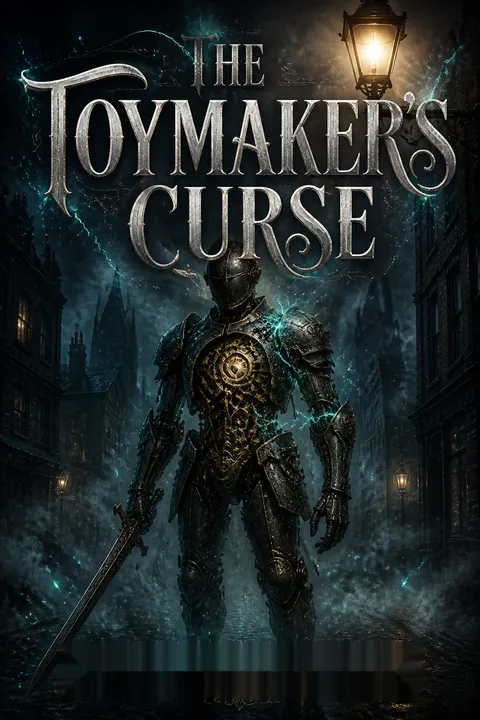
The investigation takes a deadly turn when Mr. Trentham is found murdered in his workshop, strangled by unknown hands. The brutality of the crime shocks India and her friends, and the focus shifts from theft to murder. The automaton knight, a seemingly innocuous toy, becomes a symbol of the dangers lurking beneath the surface of magical innovation. The group's search for the killer is complicated by the presence of multiple suspects, each with their own motives and secrets. The boundaries between victim and perpetrator, innocence and guilt, become increasingly blurred as the investigation deepens.
Romany Truths Unveiled
India, Matt, and their allies seek answers among the Romany Shaws, uncovering a tangled web of curses, family feuds, and old wounds. The Shaws believe Mirnov killed his wife, Albina, but the truth is more complex: curses, jealousy, and the desire for magical children have left scars on all involved. The Romany perspective on magic and justice challenges India's assumptions, and the group is forced to confront the ways in which prejudice and tradition can perpetuate cycles of violence. The revelation that curses may affect not just magic but fertility and lineage adds a new layer of urgency to the investigation.
Automaton Unleashed
The automaton knight, infused with stolen magic, breaks free and wreaks havoc, both in the toyshop and later at Scotland Yard. Its mindless violence is a chilling reminder of the dangers of unchecked magical power. Mrs. Trentham, the toymaker's widow, becomes the prime suspect, but her guilt is complicated by her own ambitions and the manipulations of others. The automaton's rampage becomes a public spectacle, drawing the attention of the press and the authorities. The group's efforts to contain the fallout are hampered by the growing fear and suspicion surrounding magic in London.
The Watch's Magic
Matt is shot in a brazen attack outside the toyshop, and only the magic of his enchanted watch—infused with India's spell—saves his life. The incident brings the dangers facing the group into sharp relief, and India is forced to confront the possibility of losing the man she loves. The attack is a turning point, galvanizing the group's resolve but also exposing the limits of magical protection. The emotional toll of the violence, and the knowledge that their enemies are willing to kill, weighs heavily on India and her friends.
The Tin Magician's Puzzle
The investigation into Trentham's murder reveals a complex web of motives: the desire for magical children, the legacy of curses, and the manipulations of powerful men like Lord Coyle. Mrs. Trentham's infertility, her connection to Coyle, and her rivalry with Mirnov all come to light. The group uncovers evidence of a broader conspiracy, in which magic, lineage, and ambition are inextricably linked. The automaton's role as both weapon and scapegoat becomes clear, and the true cost of magical innovation is revealed.
Lineage, Lies, and Loss
The truth behind the murders is laid bare: Mrs. Trentham, manipulated by Coyle and driven by her own desire for magical offspring, has killed to secure her future. The revelation that curses can affect fertility, and that the pursuit of magical lineage can lead to tragedy, forces India and her friends to confront the darker side of their world. The authorities, eager to suppress the truth about magic, manipulate the narrative to suit their own ends. The cost of ambition—measured in lives lost and innocence destroyed—becomes painfully clear.
The Price of Power
With Mrs. Trentham dead—murdered to silence her before she can testify—the authorities and Lord Coyle move quickly to cover up the true nature of the crimes. The government's desire to suppress knowledge of magic collides with the public's growing curiosity, fueled by sensationalist journalism and Oscar's newly published Book of Magic. India and Matt are forced to navigate a world where truth is malleable, justice is elusive, and power is wielded by those willing to do whatever it takes to maintain control. The group's unity is tested as they grapple with the consequences of their actions and the limits of their influence.
Magic in the Headlines
The automaton's rampage and the revelations about magic spark a media firestorm. Newspapers debate the ethics of magic, the dangers of faulty spells, and the need for regulation. Public opinion is divided, and magicians find themselves both celebrated and vilified. Oscar's book becomes a bestseller, further fueling the debate. India and Matt realize that the genie cannot be put back in the bottle: magic is now a public concern, and the future is uncertain. The group must decide how to respond to the new reality, balancing the need for secrecy with the desire for acceptance.
The List and the Book
In the aftermath of the scandal, India proposes a compromise: a secret list of magicians, to be kept by the community and consulted only in times of crisis. The government, represented by Sir Charles Whittaker, tacitly agrees, recognizing the need for cooperation. The publication of Oscar's book cements magic's place in the public consciousness, for better or worse. Relationships are tested—Louisa and Oscar's engagement falters, Catherine and Cyclops's future remains uncertain, and Willie's romantic prospects are as unpredictable as ever. The group finds solace in one another, even as the world around them changes.
The Enduring Spell
As the dust settles, India and Matt reflect on the journey they have taken—through danger, betrayal, and heartbreak, but also through love, friendship, and hope. The world is changed, and the future of magic is uncertain, but the bonds they have forged endure. The lessons of the past—about the dangers of unchecked ambition, the importance of trust, and the power of love—guide them as they look to what comes next. The story ends not with a final resolution, but with the promise of new adventures, new challenges, and the enduring magic of found family.
Analysis
The Toymaker's Curse is a deftly woven tale of magic, ambition, and the costs of innovation in a world on the cusp of change. At its heart, the novel is a meditation on the dangers of unchecked power—whether magical or mundane—and the ways in which ambition, prejudice, and the desire for control can corrupt even the noblest of intentions. Through the intertwined stories of India, Matt, and their found family, the book explores the psychological toll of secrecy, the fragility of trust, and the enduring power of love and loyalty. The narrative's use of theft, murder, and public scandal as plot devices serves to expose the fault lines in both the magical and non-magical communities, forcing the characters to confront the consequences of their actions and the limits of their influence. The resolution—marked by compromise, the creation of a secret list, and the publication of Oscar's book—signals a new era, one in which the boundaries between magic and society are forever altered. The novel's enduring lesson is that true power lies not in domination or secrecy, but in the willingness to adapt, to trust, and to forge connections in the face of uncertainty. In a world where the future of magic is uncertain, it is the bonds of found family, the courage to face the unknown, and the humility to accept one's limitations that offer the greatest hope.
Review Summary
The Toymaker's Curse receives mixed reviews (4.09/5), with many readers noting the series has become formulaic by book 11. Critics cite plot holes, repetitive writing, inconsistent character behavior, and poor investigative techniques by protagonists India and Matt. Several reviewers express disappointment with India's character development post-marriage and find the mysteries predictable. However, fans praise the engaging characters, magical world-building, plot twists, and entertaining mysteries. Some appreciate the ancillary characters more than the main duo. Most agree the series maintains readability despite declining momentum.
People Also Read
Characters
India Glass
India is the heart and conscience of the group, a watchmaker magician whose unique ability to create new spells places her at the center of the unfolding drama. Her relationships—with Matt, her found family, and her magical peers—are marked by loyalty, empathy, and a deep sense of responsibility. India's journey is one of self-discovery: she must navigate the dangers of sharing her power, the temptations of ambition, and the costs of secrecy. Her psychological complexity is revealed in her struggles with guilt, her desire for acceptance, and her determination to protect those she loves. India's growth is measured not just in magical prowess, but in her willingness to confront the consequences of her actions and to seek compromise in a changing world.
Matthew Glass
Matt is India's husband and steadfast partner, a man whose artlessness (lack of magic) is both a source of vulnerability and strength. His role as protector is complicated by his own insecurities and the dangers posed by those who covet India's power. Matt's skepticism about magic, his strategic mind, and his deep love for India make him both a grounding force and a catalyst for change. He struggles with the limitations of his own abilities, the threat of violence, and the shifting dynamics of power in a magical world. Matt's development is marked by his willingness to trust, to adapt, and to fight for justice—even when the odds are against him.
Fabian Charbonneau
Fabian is India's former magical partner, a French iron magician whose intellect and creativity are matched by his emotional vulnerability. His relationship with India is complex—marked by admiration, disappointment, and a lingering sense of loss after their collaboration ends. Fabian's desire to push the boundaries of magic is both his greatest strength and his Achilles' heel. He is haunted by the theft of their spell, the dangers of innovation, and the realization that not all magicians can be trusted. Fabian's arc is one of acceptance: he must learn to let go of the past, to find purpose beyond creation, and to accept the limits of his own power.
Willemina "Willie" Glass
Willie is the group's wild card—a brash, American gunslinger with a penchant for trouble and a heart of gold. Her irreverence masks deep insecurities about belonging, love, and the future. Willie's relationships—with Matt, Duke, Brockwell, and Lord Farnsworth—are marked by flirtation, rivalry, and genuine affection. She resists the constraints of society, chafes at the prospect of settling down, and fears losing her friends to marriage and responsibility. Willie's psychological journey is one of self-acceptance: she must reconcile her desire for freedom with her need for connection, and learn that vulnerability is not weakness.
Cyclops (Nate)
Cyclops is a former circus strongman and aspiring detective, whose imposing appearance belies a gentle, introspective nature. His love for Catherine Mason is complicated by class differences, prejudice, and his own doubts about worthiness. Cyclops's journey is one of integration: he must find his place in a world that fears difference, prove himself as a detective, and fight for the right to love and be loved. His loyalty to the group, his moral clarity, and his willingness to sacrifice for others make him a pillar of strength.
Duke
Duke is the group's everyman—a former criminal with a quick wit, a big heart, and a knack for getting into (and out of) trouble. His relationships—with Willie, Cyclops, and the rest—are marked by banter, rivalry, and genuine affection. Duke's psychological complexity is revealed in his struggle to move beyond his past, his desire for stability, and his fear of being left behind as his friends grow and change. He is both comic relief and emotional ballast, reminding the group of the importance of laughter and loyalty.
Lord Coyle
Lord Coyle is the story's primary antagonist—a powerful, ruthless collector of magical objects whose desire for control knows no bounds. His relationships—with Hope, Mrs. Trentham, and the group—are marked by manipulation, coercion, and a chilling lack of empathy. Coyle's psychological profile is that of a narcissist: he values power above all, sees people as means to an end, and is willing to commit (or orchestrate) murder to achieve his goals. His obsession with magical lineage, his willingness to exploit others, and his ability to evade justice make him a formidable foe.
Mrs. Trentham
Mrs. Trentham is both victim and perpetrator—a woman driven by the desire for magical children, manipulated by Coyle, and ultimately destroyed by her own ambitions. Her relationships—with her husband, Mirnov, and the group—are marked by secrecy, longing, and a willingness to cross moral boundaries. Mrs. Trentham's psychological arc is one of descent: her initial hope curdles into desperation, leading her to murder and, ultimately, to her own death. She embodies the dangers of unchecked ambition and the costs of living in a world where lineage is everything.
Nicholas Mirnov
Mirnov is a Romany toymaker magician whose life is shaped by prejudice, loss, and the legacy of curses. His relationships—with his late wife, the Shaws, and the group—are marked by suspicion, grief, and a longing for acceptance. Mirnov's psychological complexity is revealed in his struggle to reconcile his heritage with his ambitions, his guilt over his wife's death, and his fear of retribution. He is both a suspect and a victim, a reminder of the ways in which society's fears can destroy lives.
Oscar Barratt
Oscar is a magician-journalist whose pursuit of truth and justice is complicated by ambition, love, and the shifting tides of public opinion. His relationship with Louisa is marked by mutual benefit, manipulation, and the hope for magical offspring. Oscar's decision to publish The Book of Magic is both courageous and reckless, sparking a public debate that cannot be contained. His psychological journey is one of disillusionment: he must confront the costs of his choices, the limits of his influence, and the reality that change is never without sacrifice.
Plot Devices
The Stolen Spell
The theft of India and Fabian's flying spell is the inciting incident that drives the plot. It represents the dangers of unchecked innovation, the vulnerability of secrets, and the ways in which ambition can corrupt. The spell's journey—from creation to theft, misuse, and eventual loss—mirrors the arc of the story itself: the promise of magic, the threat of its abuse, and the need for responsible stewardship. The spell is both MacGuffin and metaphor, a device that exposes the fault lines in the magical community and forces the characters to confront the consequences of their actions.
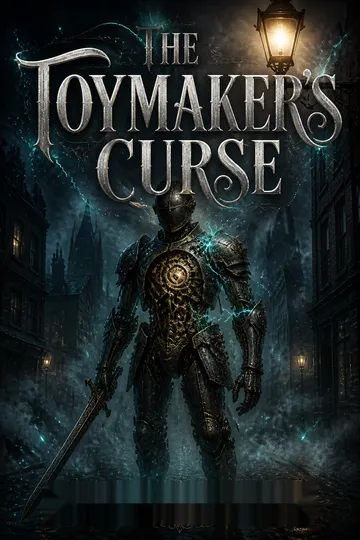
The Automaton Knight
The automaton, infused with stolen magic, becomes a symbol of the dangers of magical innovation. Its mindless violence, public rampage, and role in Trentham's murder are a chilling reminder that power without control is a threat to all. The automaton's journey—from toyshop to evidence room to public spectacle—mirrors the trajectory of magic itself: from private wonder to public fear. Its presence drives the plot, exposes the limits of magical protection, and forces the characters to confront the ethical dilemmas of their world.
Curses and Lineage
The legacy of curses—real or imagined—serves as both foreshadowing and motivation for the characters' actions. The belief that curses can affect magic, fertility, and lineage drives the ambitions of Mrs. Trentham, the Shaws, and others. The theme of lineage—who can have magical children, and at what cost—runs throughout the story, shaping relationships, fueling conflict, and exposing the dark side of ambition. The interplay of fate and choice, tradition and innovation, is embodied in the motif of the curse.
The List and the Book
The creation of a secret list of magicians, and the publication of Oscar's Book of Magic, serve as the story's resolution. The list represents a fragile compromise between secrecy and transparency, control and freedom. The book, meanwhile, is both a catalyst for public debate and a symbol of the irrepressible nature of truth. Together, these devices signal a new era for the magical community—one marked by uncertainty, but also by hope.
Narrative Structure and Foreshadowing
The story's structure is that of a classic mystery, with interwoven plotlines, shifting perspectives, and a gradual unveiling of secrets. Foreshadowing is used to build tension—hints of curses, threats of violence, and the ever-present danger of exposure. The emotional arcs of the characters are tightly bound to the plot devices: the theft of the spell, the automaton's rampage, and the revelations about lineage all serve to deepen the characters' psychological journeys and to raise the stakes for the group as a whole.
Glass and Steele Series
About the Author
Other books by C.J. Archer
Download PDF
Download EPUB
.epub digital book format is ideal for reading ebooks on phones, tablets, and e-readers.








































