
Plot Summary
Prophecy of the One
In the distant past, a prophecy emerges during the reign of Pharaoh Akhenaton, predicting the rise of a singular being—the One—who will awaken humanity and restore balance to the universe. This prophecy, rooted in the evolution of consciousness, promises that when the One is reborn, the people will awaken from spiritual slumber. The narrative sets the stage for a cosmic struggle between light and darkness, with the fate of Earth and the universe hanging in the balance. The prophecy's echo shapes the destinies of gods, aliens, and humans alike, establishing the central theme: only through spiritual evolution can humanity transcend the cycles of destruction and rebirth.
Fall of Morning Star
On the luminous planet Arr, Morning Star, once a radiant and beloved alien, succumbs to the desire for power. His transformation into a being of darkness disrupts the harmony of Arr, leading to his banishment to Earth. Morning Star's arrival brings a wave of negative energy, corrupting Earth's civilizations and setting the stage for millennia of strife. He establishes a regime of deceit and materialism, manipulating humanity through technology and greed. Yet, a prophecy haunts him: a hybrid child will be born, destined to end his reign. Morning Star's fear of this prophecy drives his every action, as he seeks to prevent its fulfillment and maintain his dominion.
The Pyramid Regime
As Morning Star consolidates power, Earth's societies collapse into chaos. A new world order arises, structured like a pyramid, with Morning Star, the Rothfellers (a cabal of corporations and banks), and the last president, Sam Emen, at its apex. The masses are subjugated through technology, economic manipulation, and the eradication of spiritual values. The Dome, a fortified city, becomes the center of this regime, where only those bearing the trilateral laser mark can participate in society. Resistance simmers beneath the surface, fueled by the memory of the prophecy and the hope for liberation through the coming of the One.
Birth of the Hybrid Child
I-Ceus, a woman of royal descent, encounters a mysterious stranger and conceives a child under extraordinary circumstances. This child, I-Khan, is born amid cosmic upheaval—earthquakes, darkness, and celestial signs—signaling his unique destiny. Morning Star, aware of the prophecy, attempts to destroy the child, but divine intervention ensures I-Khan's survival. Raised in secrecy by the Seven Heads, a resistance group, I-Khan's identity is hidden even from himself. His upbringing is marked by constant danger, as Morning Star's agents relentlessly search for the prophesied savior.
The Hidden Rebellion
As I-Khan matures, he is educated and trained within the very heart of the Rothfellers' organization, guided by the wise Vashta and the warrior Karacus. Unbeknownst to Morning Star, the seeds of rebellion are sown within his own ranks. The Seven Heads and other dissidents work covertly to undermine the regime, awaiting the moment when I-Khan will fulfill his destiny. The narrative explores themes of identity, loyalty, and the struggle to maintain hope under oppression, as the resistance prepares for the coming revolution.
I-Khan's Awakening
Approaching adulthood, I-Khan experiences profound spiritual happenings—visions of a great Eye—signaling his awakening to a higher purpose. These mystical encounters unsettle him, prompting introspection and doubt about his role in the regime's military machine. When rebels among his crew reveal the true nature of the Rothfellers' plans and the existence of the Third Eye's power on Obe III, I-Khan faces a pivotal choice. His internal struggle mirrors the broader conflict between spiritual enlightenment and technological domination.
The Spacestar's Flight
I-Khan, now commander of the Spacestar—a pyramid-shaped warship—leads his crew in a daring escape from Earth's orbit. Using alien abilities, he deceives Morning Star's forces and evades capture. The Spacestar becomes both a symbol of hope and a target, as Earth's fleets and pirates pursue it across the galaxy. The journey is fraught with peril, loss, and the forging of unbreakable bonds among the crew. Their flight transforms from mere survival to a quest for the Third Eye, as they embrace their roles in the prophesied rebellion.
Queen Janee's Betrayal
Forced to land on the enigmatic planet Sorr, I-Khan and his crew encounter Queen Janee, a ruler whose emotions manifest in her changing skin color. Initially an agent of the Rothfellers, Janee is transformed by her love for I-Khan and his spiritual energy. Torn between duty and passion, she ultimately aids the rebels' escape, betraying the regime. Her sacrifice costs her freedom, as she is captured and held hostage. Janee's arc embodies the power of love to transcend programming and the tragic costs of defiance.
The Journey to Obe III
With Janee's help, the Spacestar reaches Obe III, the fabled location of the Third Eye. The journey is marked by cosmic storms, battles, and the gradual awakening of I-Khan's alien heritage. The crew learns that only one pure of spirit can withstand the Eye's power, and that their collective faith in I-Khan is essential. The narrative builds toward a climactic test of sacrifice and belief, as the crew prepares to face the ultimate trial on the plains of Obe III.
Sacrifice on the Plains
On Obe III, I-Khan and his followers confront the Third Eye amid apocalyptic phenomena—fire, lightning, and thunder. The crew willingly sacrifices their lives, believing in I-Khan's purity and destiny. Alone and blinded by the Eye's brilliance, I-Khan is stripped of his humanity and left in despair. His anguish and humility reach their zenith as he pleads for the return of his companions, rejecting power gained at such a cost. This moment crystallizes the story's central message: true enlightenment requires selflessness and surrender.
The Third Eye Opens
As I-Khan kneels in solitude, the sound of "OM" resonates from the heavens. Miraculously, the fallen crew members are resurrected, emerging from I-Khan's own being. He is transformed, his eyes replaced by golden beams of light, symbolizing the union of spiritual and material realms. The resurrected multitude represents all races and beings, unified in purpose and free from shame or division. The opening of the Third Eye marks the dawn of a new consciousness, fulfilling the ancient prophecy.
Resurrection of the Super-Race
The reborn crew and I-Khan, now embodying the power of the Third Eye, become the Super-Race—a collective of enlightened beings immune to death and suffering. Their transformation signifies the triumph of spiritual evolution over technological tyranny. United, they resolve to return to Earth, not as conquerors, but as liberators, determined to end the Rothfellers' reign and restore harmony. The narrative celebrates the potential for collective transcendence and the birth of a new era.
Return to Earth
The Super-Race boards the Spacestar and journeys back to Earth, their arrival heralded by celestial phenomena and the awakening of the masses. Their presence inspires hope and courage among the oppressed, igniting a final uprising against the regime. The return is both a literal and symbolic homecoming, as the enlightened beings reclaim their place in the world and fulfill their destiny as agents of transformation.
Defeat of the Rothfellers
In a climactic confrontation, the Super-Race overcomes the armies of the Rothfellers in space and on land. The regime's technological might is rendered powerless before the unity and enlightenment of I-Khan's followers. Morning Star's defeat triggers a reversal of the negative energy that had engulfed the universe, restoring balance and harmony. The victory is not merely military, but metaphysical—a triumph of consciousness over materialism.
Restoration of Light
With the fall of the Rothfellers, positive energy floods the universe, dispelling the darkness that had reigned since Morning Star's descent. Earth and the cosmos are renewed, and the prophecy is fulfilled: in the beginning, there was light, and now, light returns. The narrative closes the cycle of destruction and rebirth, affirming the enduring power of spiritual truth and the possibility of redemption for all beings.
The Cycle of Consciousness
The story reflects on the cyclical nature of existence—how ignorance, greed, and oppression give rise to suffering, but also to the seeds of awakening. The evolution of consciousness is portrayed as an ongoing journey, with each generation tasked to remember and embody the law of the One. The narrative warns against the dangers of forgetting spiritual truths and succumbing to material distractions, urging vigilance and self-awareness.
The Soul-Less Plague
In a distant future, humanity's pursuit of immortality through technology leads to the creation of soulless beings—clones and artificial bodies devoid of the divine spark. A plague of flesh-eaters ravages the Earth, threatening the survival of those with souls. Only through the rediscovery of spiritual knowledge and the intervention of heroes like Trexx can the balance be restored. This subplot serves as a cautionary tale about the perils of unchecked scientific ambition and the loss of spiritual connection.
The Law of the One
The narrative concludes by reaffirming the law of the One—a spiritual principle that transcends time, culture, and dimension. This law, brought to Earth by ancient beings and embodied by figures like Akhenaton/Moses, teaches that all is unity, and that only through truth, love, and self-realization can humanity fulfill its destiny. The story ends with a call to awaken, to seek the hidden knowledge within, and to live in harmony with the universal order.
Analysis
Sophia Stewart's The Third Eye is a sweeping science fiction epic that fuses myth, prophecy, and speculative futurism to interrogate the evolution of human consciousness. At its core, the narrative is a spiritual allegory: the struggle between light and darkness, embodied by I-Khan and Morning Star, mirrors the internal battle within every individual and society. Stewart critiques the dangers of materialism, technological hubris, and the loss of spiritual values, warning that without self-awareness and unity, humanity is doomed to repeat cycles of oppression and destruction. The story's use of prophecy, reincarnation, and allegory situates it within a tradition of visionary literature, while its focus on collective awakening and the law of the One offers a hopeful vision for the future. Ultimately, The Third Eye challenges readers to seek the hidden knowledge within, to resist the seductions of power and greed, and to participate in the ongoing evolution of consciousness—a message as urgent today as when it was first conceived.
Characters
I-Khan
I-Khan is the central figure of the narrative, born of both human and alien lineage to fulfill an ancient prophecy. Raised in secrecy and trained within the enemy's ranks, he embodies the tension between spiritual purity and worldly power. I-Khan's journey is one of self-discovery, sacrifice, and transformation. His visions of the Third Eye awaken his latent abilities and sense of purpose, culminating in his ultimate test on Obe III. Blinded and reborn, he becomes the vessel for a new consciousness, leading the Super-Race in the liberation of Earth. I-Khan's arc explores themes of destiny, humility, and the redemptive power of selfless love.
Morning Star
Once a being of light, Morning Star's descent into darkness is driven by insatiable ambition and envy. His banishment to Earth marks the beginning of humanity's long night, as he manipulates societies through deceit, technology, and materialism. Morning Star's fear of the prophecy shapes his every move, leading him to establish the pyramid regime and hunt the prophesied child. He is both a literal and symbolic adversary, representing the shadow side of consciousness—the ego's drive for control and separation. His eventual defeat signals the restoration of balance and the triumph of spiritual truth.
I-Ceus
I-Ceus is a woman of noble descent whose encounter with a mysterious stranger leads to the miraculous birth of I-Khan. Her journey is marked by hardship, sacrifice, and divine protection, as she flees Morning Star's wrath and ensures her son's survival. I-Ceus embodies the archetype of the sacred mother, her lineage and faith anchoring the prophecy's fulfillment. Her story highlights the importance of lineage, memory, and the feminine principle in the evolution of consciousness.
Vashta
Vashta is a key member of the Seven Heads, serving as I-Khan's guardian and spiritual guide. His strength of character, wisdom, and strategic acumen make him indispensable to the resistance. Vashta's dual role as a spy within the Rothfellers and a protector of the prophecy underscores the complexity of loyalty and the necessity of subterfuge in the face of tyranny. He represents the archetype of the wise elder, guiding the hero through trials and awakening.
Queen Janee
Ruler of the machine-governed planet Sorr, Queen Janee is initially an agent of the Rothfellers, her emotions literally written on her skin. Her encounter with I-Khan awakens her latent spirituality, leading her to betray her masters and aid the rebels. Janee's love for I-Khan is both her salvation and her undoing, as she is captured and punished for her defiance. Her arc explores the transformative power of love and the costs of choosing conscience over conformity.
Karacus
Karacus is a formidable fighter and I-Khan's instructor within the Rothfellers' military. Unbeknownst to the regime, he is loyal to the Seven Heads and instrumental in I-Khan's development. Karacus's guidance shapes I-Khan's physical and strategic abilities, preparing him for leadership. His character embodies the theme of hidden resistance and the importance of mentorship in the hero's journey.
Megus
Megus is Morning Star's right hand, tasked with executing the regime's most ruthless policies and hunting the prophesied child. His actions drive much of the conflict, serving as a constant threat to the protagonists. Megus represents the machinery of oppression and the dangers of blind obedience to corrupt power.
The Rothfellers
The Rothfellers are a secretive alliance of corporations and banks that, alongside Morning Star, control Earth's resources and populations. Their manipulation of technology, media, and economics enforces the pyramid regime. As faceless antagonists, they symbolize the dehumanizing effects of unchecked capitalism and the loss of spiritual values in pursuit of profit.
The Seven Heads
The Seven Heads are a clandestine organization dedicated to preserving the prophecy and opposing the Rothfellers. Comprised of individuals with unique abilities and backgrounds, they operate in the shadows, orchestrating the rebellion and protecting I-Khan. Their unity and diversity reflect the potential for collective action and the importance of faith in the face of overwhelming odds.
Trexx
In the Soul-Less subplot, Trexx is a brilliant scientist tasked with combating a plague of soulless, cloned beings in the distant future. His journey involves time travel, moral dilemmas, and the creation of a device to distinguish humans from monsters. Trexx's story parallels I-Khan's, emphasizing the enduring need for spiritual knowledge and the dangers of technological hubris.
Plot Devices
Prophecy and Reincarnation
The story is anchored by an ancient prophecy that foretells the coming of the One, whose birth, trials, and triumphs are preordained. This device creates a sense of inevitability and destiny, shaping the motivations of both heroes and villains. Reincarnation and cyclical time reinforce the theme that history repeats until consciousness evolves, and that each generation must rediscover spiritual truths.
Duality and Transformation
The narrative is structured around the tension between opposing forces—Morning Star and I-Khan, technology and spirituality, oppression and liberation. Characters undergo profound transformations, often triggered by love, sacrifice, or spiritual awakening. This duality is mirrored in the structure of the universe itself, with cycles of destruction and rebirth.
Allegory and Symbolism
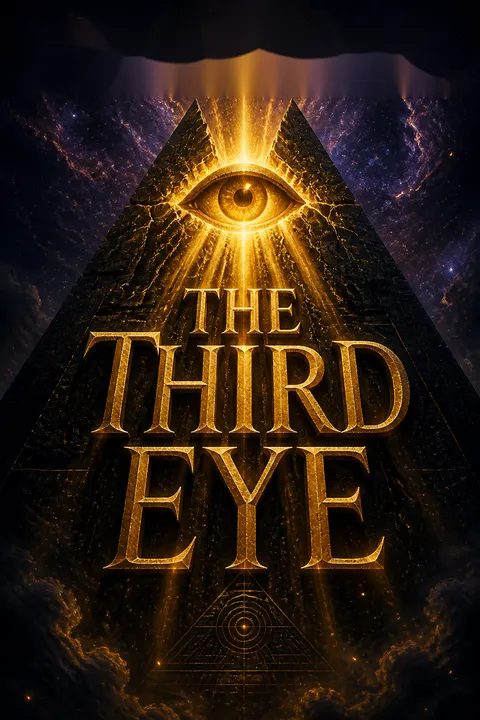
The Third Eye, the pyramid, and the law of the One are recurring symbols that encode deeper meanings about enlightenment, power, and unity. The story draws on biblical, Egyptian, and esoteric traditions, using allegory to explore the evolution of consciousness and the dangers of forgetting spiritual origins.
Sacrifice and Resurrection
The willingness of I-Khan's followers to die for his purity, and their subsequent resurrection, dramatize the principle that true power is gained through self-sacrifice and humility. This device reinforces the story's spiritual message and provides an emotional climax that unites the characters and the audience in catharsis.
Foreshadowing and Parallelism
The narrative employs foreshadowing through prophecy, visions, and recurring motifs. Parallel storylines—such as the Soul-Less plague—serve as cautionary tales and reinforce the central themes. The structure invites readers to draw connections between past, present, and future, emphasizing the universality of the story's lessons.
Download PDF
Download EPUB
.epub digital book format is ideal for reading ebooks on phones, tablets, and e-readers.








































