
Plot Summary
Innocence Before the Storm
Alina Dziak grows up in rural Poland, her world defined by family, tradition, and her childhood love, Tomasz. Their future seems certain: marriage, a life together, and the simple joys of home. The looming threat of war is distant, almost unreal, as Alina clings to the hope that love and routine will shield her from the world's darkness. Her family's warmth and the promise of Tomasz's return from university in Warsaw are her anchors. This chapter is filled with the innocence of youth, the comfort of routine, and the belief that love can outlast any storm. Yet, beneath the surface, the first tremors of change begin to unsettle the ground, hinting at the upheaval to come.
War's Shadow Descends
The Nazi invasion of Poland brings terror and chaos to Alina's village. The community is torn apart by violence, suspicion, and the brutal realities of occupation. Alina's family is forced to make impossible choices as neighbors turn on each other and the Jewish community is targeted. The loss of her brothers to forced labor, the execution of local leaders, and the constant threat of violence erode the innocence of her earlier years. Alina's world contracts, her dreams replaced by daily survival. The war's shadow stretches over every aspect of life, and hope becomes a fragile, precious thing.
Love and Separation
Alina and Tomasz's love is tested by separation and uncertainty. Letters become their lifeline, but as the war intensifies, communication falters. Tomasz's absence is a constant ache, and rumors of his fate torment Alina. Their engagement, once a source of joy, becomes a symbol of endurance. Alina clings to memories and the hope of reunion, even as the world around her crumbles. The pain of waiting, the fear of loss, and the resilience of love define this period, shaping Alina into someone both stronger and more vulnerable than she ever imagined.
Survival and Secrets
Survival under occupation demands secrecy and courage. Alina's family risks everything to hide food from the Nazis, and later, to shelter those in greater danger. The lines between right and wrong blur as the cost of compassion rises. Alina learns that silence can be both a weapon and a shield. The cellar beneath their home becomes a symbol of both safety and suffocation. The secrets kept—about food, about resistance, about love—are heavy, shaping the family's fate and Alina's understanding of herself.
The Weight of Silence
Decades later, in Florida, Alice, Alina's granddaughter, navigates her own challenges: a nonverbal autistic son, a strained marriage, and the impending loss of her beloved Babcia (grandmother). The silence of the past echoes in the present, as Alice struggles to understand her family's history and her own place within it. Babcia's stroke robs her of speech, but not of determination. Through an iPad and a series of cryptic messages, she urges Alice to uncover the truths long buried. The weight of what is unsaid—between generations, between spouses, within oneself—becomes a central force.
Hidden in Plain Sight
Alina's courage is revealed not in grand gestures, but in daily acts of defiance and care. She risks her life to help Tomasz, to feed hidden Jews, to protect her family. The boundaries between victim and hero blur. Identities are forged and concealed: false papers, new names, and the constant threat of discovery. The cost of resistance is high, and the consequences ripple outward, shaping destinies in ways no one can foresee. Alina's choices, made in the shadows, become the foundation of her family's future.
The Cost of Resistance
Tomasz's involvement with the resistance and his efforts to save Jewish friends place him and Alina in mortal danger. Betrayal by neighbors, the murder of innocents, and the ever-present threat of Nazi retribution force Alina to confront the limits of her own bravery. The decision to help others, even at the risk of her own life, defines her. The cost is steep: separation from Tomasz, the loss of her parents, and the burden of survivor's guilt. Yet, in these darkest moments, the seeds of hope and redemption are sown.
Family Fractures
War fractures families, but it also forges new bonds. Alina's care for her fiancé's little sister, her alliance with Saul, and her eventual partnership with those she once barely knew, reveal the resilience of the human spirit. In the present, Alice's family is similarly fractured by stress, misunderstanding, and the challenges of raising a special-needs child. Yet, both women find strength in unexpected places: in friendship, in chosen family, in the willingness to adapt and forgive. The fractures, though painful, allow for new growth.
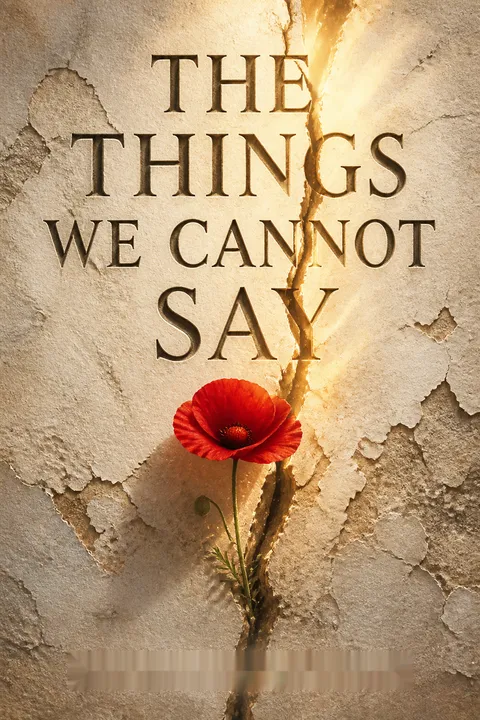
The Things We Cannot Say
The central motif of silence—what is left unsaid, what cannot be spoken—reverberates through both timelines. Alina's secrets, born of necessity and fear, become the mysteries Alice must solve. The inability to communicate, whether due to trauma, disability, or pride, shapes relationships and destinies. Yet, through technology, persistence, and love, the barriers begin to fall. The things that could not be said become, finally, the things that must be heard.
A Granddaughter's Quest
Prompted by Babcia's urgent, wordless pleas, Alice travels to Poland to uncover her family's past. The journey is both literal and emotional: she navigates foreign landscapes, bureaucratic obstacles, and her own doubts. Along the way, she discovers the truth about her grandmother's identity, the sacrifices made by her ancestors, and the meaning of courage. The quest is as much about self-discovery as it is about history. Alice learns that understanding the past is essential to healing the present.
Unraveling the Past
In Poland, Alice pieces together the fragments of her family's story. She learns that her grandmother was once Alina, that her grandfather was not who she thought, and that the legacy of war is both more tragic and more heroic than she imagined. The revelation that her grandfather was a Jewish doctor saved by Alina and Tomasz, and that identities were exchanged to ensure survival, reframes everything. The past, once shrouded in silence, is brought into the light, allowing for reconciliation and understanding.
The Fire That Remains
At the heart of the story is the enduring love between Alina and Tomasz—a love that survives war, separation, and even death. The "fire" Babcia refers to is both literal and metaphorical: the passion that sustained her, the ashes that remain, and the hope that love outlasts all suffering. Alice's own marriage is rekindled as she learns to share burdens and accept imperfection. The fire of love, passed down through generations, becomes a source of strength and healing.
Truths Unearthed
Alice's persistence leads to a reunion between her family and the descendants of those left behind in Poland. Old wounds are acknowledged, forgiveness is offered, and the circle of family expands. The truth, once hidden, brings peace to the living and honors the dead. Babcia's final wish—to have her ashes returned to rest with Tomasz—is fulfilled, closing a chapter of history and opening a new one for those who remain.
Reunion and Farewell
The story culminates in a return to Poland, where Alice, her family, and their Polish relatives gather to lay Babcia and her beloved to rest. The ceremony is both a farewell and a celebration—a recognition of the pain endured and the love that survived. The mosaic of family, fractured and reassembled, stands as a testament to resilience. In letting go, Alice and her family find the freedom to move forward, carrying the lessons and love of the past with them.
Legacies of Love
In the aftermath, Alice reflects on the journey—her own and her ancestors'. The lessons of courage, sacrifice, and love become the foundation for a new way of living. The family, once divided by silence and pain, is united by understanding and hope. The story ends not with loss, but with the promise of new beginnings, as Alice, her husband, and their children embrace the future, honoring the legacies of those who came before.
Analysis
The Things We Cannot Say is a powerful meditation on the enduring impact of war, trauma, and love across generations. By weaving together the stories of Alina, a young woman forced to make impossible choices in Nazi-occupied Poland, and Alice, her granddaughter grappling with the complexities of modern motherhood and family, Kelly Rimmer explores how silence—whether born of necessity, pain, or pride—shapes lives and legacies. The novel's dual timeline structure allows for a nuanced exploration of how the past informs the present, and how healing requires both the courage to confront painful truths and the grace to forgive. Through its richly drawn characters and emotionally charged plot, the book examines the costs of survival, the moral ambiguities of resistance, and the ways in which love—imperfect, enduring, and transformative—can bridge even the deepest divides. Ultimately, The Things We Cannot Say is a testament to the resilience of the human spirit, the importance of bearing witness, and the necessity of finding one's voice, even when words fail. It reminds us that the stories we inherit, and the ones we choose to tell, are the threads that bind us to one another and to history itself.
Review Summary
The Things We Cannot Say receives overwhelmingly positive reviews, averaging 4.54 stars. Readers praise this dual-timeline story alternating between Alina, a young Polish woman during WWII Nazi occupation, and Alice, a modern-day mother caring for her autistic son Eddie. Most reviewers found both timelines compelling, with Alina's heartbreaking wartime romance with Tomasz particularly moving. Many appreciated the representation of autism and family dynamics. The emotional impact left readers in tears, praising Rimmer's powerful writing. Some critics felt the book was too long, predictable, or found Alice's character frustrating. A few noted repetitive moments and occasional historical inaccuracies. Overall, readers highly recommend this heartbreaking, hopeful family saga.
People Also Read









Characters
Alina Dziak / Hanna Slaski
Alina is the heart of the historical narrative—a gentle, sheltered Polish girl whose life is upended by the Nazi invasion. Her journey from innocence to resilience is marked by loss, love, and impossible choices. Her devotion to Tomasz, her courage in the face of danger, and her willingness to risk everything for others define her. Forced to assume a new identity to survive, Alina's silence about her past becomes both a shield and a burden. Her legacy is one of quiet heroism, generational sacrifice, and the enduring power of love.
Tomasz Slaski
Tomasz is Alina's childhood sweetheart, a young man of intelligence and idealism. His desire to heal as a doctor is complicated by the war, which forces him into moral compromise and resistance. His involvement with the underground and his efforts to save Jewish friends place him in mortal danger. Tomasz's love for Alina is unwavering, but his sense of duty and guilt lead to ultimate sacrifice. His memory becomes the "fire" that sustains Alina and shapes the destinies of those who follow.
Saul Weiss
A Jewish doctor saved by Tomasz and Alina, Saul's journey is one of profound loss and reinvention. Forced to assume Tomasz's identity to escape, he becomes Alina's partner in exile and the father figure to her child. Haunted by the deaths of his wife and child, Saul finds purpose in healing others and in the unconventional family he forms with Alina. His story is one of survival, gratitude, and the complexities of love and identity forged in crisis.
Alice Michaels
Alina's granddaughter, Alice, is a contemporary mother struggling with the demands of raising a nonverbal autistic son, maintaining a marriage, and caring for her aging grandmother. Her journey mirrors Alina's in its search for meaning, resilience, and connection. Driven by love and a need for answers, Alice's quest to uncover her family's past becomes a path to healing her own wounds. Her growth is marked by increased empathy, self-acceptance, and the courage to embrace imperfection.
Wade Michaels
Alice's husband, Wade, is a brilliant scientist whose inability to connect with their autistic son creates tension and distance in the marriage. His journey is one of gradual awakening, as he learns to communicate on his son's terms and to share the burdens of family life. Wade's transformation is subtle but profound, reflecting the challenges and rewards of partnership, vulnerability, and growth.
Eddie Michaels
Alice's son, Eddie, is nonverbal and autistic, his world defined by routine, sensory experiences, and the struggle to communicate. Through technology and the patience of those who love him, Eddie becomes a symbol of the things that cannot be said—and the possibility of connection beyond words. His presence challenges and ultimately strengthens his family, teaching lessons of acceptance, patience, and unconditional love.
Julita Slaski-Davis
Alice's mother, Julita, is a formidable judge whose strength and ambition are both a source of pride and tension in the family. Raised by Alina (Hanna) and Saul (as Tomasz), Julita embodies the complexities of generational trauma, ambition, and the struggle to balance career and family. Her relationship with Alice is fraught but loving, marked by misunderstandings and the unspoken weight of the past.
Emilia Slaski / Gorka
Tomasz's younger sister, Emilia, is saved by Alina and adopted by relatives after the war. Her life is shaped by loss, gratitude, and the search for connection. As an artist, she channels her experiences into creativity, and her eventual reunion with Alice brings closure and healing to both families. Emilia represents the enduring bonds of family and the possibility of reconciliation across time and distance.
Mrs. Konczal
A minor but memorable character, Mrs. Konczal is an opera singer turned orphan caretaker in the refugee camp. Her kindness, strength, and music provide comfort to Alina and the children in their darkest hours. She embodies the resilience and generosity that persist even in the bleakest circumstances.
Henry Adamcwiz
Henry is the American journalist who helps smuggle evidence of Nazi atrocities out of Poland. His role as a courier organizer is pivotal in Alina and Saul's escape. Henry's actions highlight the importance of bearing witness, the risks taken by outsiders, and the interconnectedness of personal and historical narratives.
Plot Devices
Dual Timeline Structure
The novel's structure alternates between Alina's experiences in WWII Poland and Alice's contemporary life in Florida. This device allows for a gradual revelation of secrets, the mirroring of emotional arcs, and the exploration of how trauma and love echo across generations. The interplay between timelines creates suspense, deepens character development, and underscores the universality of certain struggles—loss, resilience, and the search for meaning.
Epistolary and Symbolic Communication
Communication—its absence, its limitations, and its breakthroughs—is central. Letters lost and found, the use of an iPad for nonverbal communication, and the symbolic weight of objects (a ring, a shoe, a photograph) all serve as plot devices. These elements highlight the barriers imposed by trauma, disability, and history, while also offering hope for connection and understanding.
Foreshadowing and Mystery
The narrative is driven by mysteries: What happened to Tomasz? Who is Alice's true grandfather? Why did Babcia keep her past hidden? Foreshadowing is used to build tension, with small details (a photograph, a name, a phrase) gaining significance as the story unfolds. The gradual unraveling of secrets keeps the reader engaged and mirrors the characters' emotional journeys.
Sacrifice and Identity
The use of false identities, both as a means of survival and as a source of later confusion, is a key device. The moral ambiguity of choices made under duress—helping others at great personal risk, assuming another's name, remaining silent—raises questions about guilt, redemption, and the cost of survival. These devices force characters and readers alike to grapple with the complexities of history and humanity.
Generational Echoes
The challenges faced by Alina and Alice—separation, caregiving, the burden of silence—are echoed across time. The narrative structure and character arcs reinforce the idea that the past is never truly past; its lessons, wounds, and strengths are carried forward. This device deepens the emotional resonance and invites reflection on the reader's own family history.
About the Author
Other books by Kelly Rimmer

Download PDF
Download EPUB
.epub digital book format is ideal for reading ebooks on phones, tablets, and e-readers.








































