
Plot Summary
Cast Out and Alone
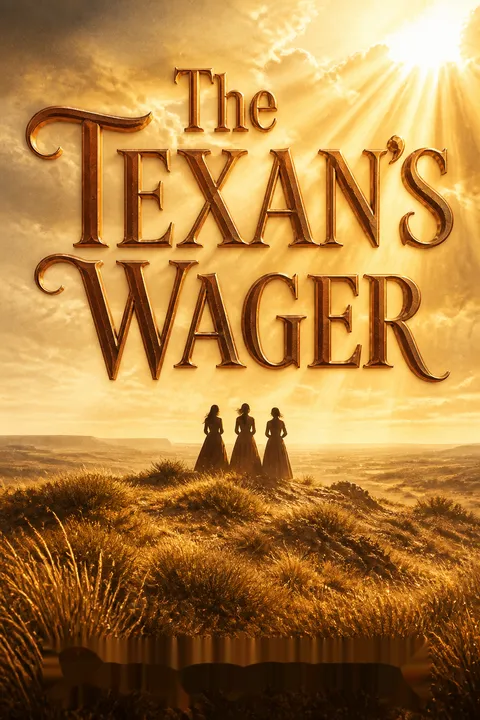
Bailee, Lacy, and Sarah are cast out from their wagon train, left to fend for themselves on the harsh plains. Each woman carries her own wounds: Bailee, practical and shamed by her past; Lacy, young and accused of witchcraft; Sarah, frail and grieving. Their banishment is both a death sentence and a strange liberation, forcing them to rely on each other for survival. The vast emptiness around them mirrors their isolation, but also the possibility of forging new bonds. As night falls, fear and hope mingle in the flickering firelight, and Bailee's resolve to lead them to Texas—rumored to be a land of outcasts—becomes their only hope.
The Road to Texas
The women set out for Texas, rationing food and water, their spirits battered by hunger and exhaustion. The land is unforgiving, and Sarah's health wanes. Bailee's practicality keeps them moving, but the journey strips them of illusions. When a menacing stranger, Zeb Whitaker, appears, their vulnerability is laid bare. The encounter with Zeb is a test of their unity and will, and the threat he poses foreshadows the violence and lawlessness that will haunt their future. Yet, even as they fear for their lives, the women's determination to survive grows stronger.
A Deadly Encounter
Zeb Whitaker's demand for their wagon and his predatory intentions toward Lacy force Bailee into action. In a moment of terror and clarity, Bailee strikes Zeb with a board, believing she has killed him. The act is both self-defense and a crossing of a moral line. The three women share the guilt and trauma, each taking a turn with the weapon to claim responsibility. Their unity is sealed by blood, and the shadow of their crime will follow them. The rain washes away evidence, but not the memory. They flee toward the nearest town, Cedar Point, to confess.
Confession in Cedar Point
In Cedar Point, the women confess to Sheriff Riley, expecting punishment. Instead, they find a community that is both amused and bewildered by their story. Riley, a pragmatic lawman, recognizes the women's desperation and the town's shortage of wives. He proposes an unorthodox solution: a wife lottery. The women's fate is no longer in their own hands, but in the luck of a draw. The absurdity of their situation is matched by the kindness and roughness of frontier justice. The prospect of marriage to a stranger is both a reprieve and a new kind of sentence.
The Wife Lottery
The town's men line up, each hoping to win a wife. Bailee, the last to draw, finds herself matched with Carter McKoy, a silent, reclusive farmer. The marriage is swift and transactional, sealed with a simple note: "Be my wife, all my life." Carter's silence is intimidating, but his gentleness hints at hidden depths. Bailee's acceptance is pragmatic, yet tinged with longing for belonging. The other women, too, are paired off—Sarah to a distant soldier, Lacy by proxy to a man at war. The lottery is both a spectacle and a lifeline, setting the stage for new beginnings.
Carter's Silent World
Carter brings Bailee to his isolated ranch, a place shaped by loss and solitude. His past is marked by trauma: orphaned young, he survived by hiding and building secret rooms beneath his home. Carter's silence is not emptiness, but a language of its own—one of gestures, routines, and unspoken care. Bailee struggles to understand him, but senses the pain and strength beneath his reticence. The house is orderly but lifeless, waiting for warmth and laughter. Bailee's presence begins to stir old memories and new desires in Carter, even as both remain wary.
Strangers Under One Roof
The first days of marriage are marked by uncertainty. Bailee and Carter negotiate space, chores, and the rules of intimacy. Bailee's practicality clashes with Carter's habits, but small acts of kindness—fresh bread, a repaired wagon—begin to build trust. The silence between them is both a barrier and a comfort. Bailee's longing for connection grows, but she fears rejection. Carter, unused to company, is overwhelmed by her presence and his own feelings. The house slowly transforms, reflecting the tentative hope of its new inhabitants.
Learning to Trust
As days pass, Bailee and Carter learn each other's rhythms. Shared meals, simple conversations, and the naming of animals become rituals of belonging. Carter's awkward attempts at affection—shaving for the first time, building Bailee a chair—reveal his desire to please her. Bailee's laughter and resilience draw Carter out of his shell. Yet, both are haunted by past wounds and the fear of not being enough. The threat of Zeb Whitaker's return lingers, testing their fragile trust. In moments of vulnerability, they begin to reach for each other, discovering the possibility of love.
Rumors and Threats
News spreads that Zeb Whitaker may still be alive, seeking revenge and his stolen gold. Lacy's warning letter brings fear and uncertainty. The women's past crime is no longer buried, and the safety of the ranch is threatened. Carter's protective instincts awaken, and he fortifies the homestead. Bailee is torn between the urge to run and the desire to stand her ground. The community's support is uncertain, and the law is far away. The specter of violence tests the bonds of trust and the courage of all involved.
The Language of Hands
A train wreck brings a deaf child, Piper, into Carter and Bailee's care. Carter's knowledge of sign language—learned from his mother—becomes a bridge between worlds. Teaching Piper and the visiting Gypsy family to sign, Carter finds a new sense of purpose and connection. Bailee witnesses the depth of Carter's compassion and the pain of his childhood isolation. The silent language becomes a symbol of trust, intimacy, and the healing of old wounds. Piper's presence draws the community together, even as danger looms.
The Train Wreck Child
Piper's story of survival and the search for her family bring out the best and worst in the townsfolk. Carter's ability to communicate with her is crucial, and Bailee's nurturing provides comfort. The arrival of Piper's cold, unfeeling grandmother threatens to erase the child's newfound sense of belonging. Carter and Bailee's decision to intervene—defying social norms and risking their own safety—cements their partnership. The episode reveals the power of chosen family and the importance of standing up for the vulnerable.
Bonds Forged in Danger
When Zeb Whitaker and corrupt deputies threaten the ranch, Bailee, Carter, and their allies must defend their home. The Gypsy family, Samuel the carpenter, and even the sheriff's wife join in the effort. The confrontation is chaotic and perilous, but unity and courage prevail. Carter's secret passages and traps prove invaluable. In the aftermath, the bonds between the characters are strengthened by shared struggle. The victory is bittersweet, as the cost of violence lingers, but the sense of home and belonging is deeper than before.
The Shadow of Zeb
Zeb's pursuit forces Carter and Bailee to confront their deepest fears. Carter's journey to track down Zeb, aided by a Texas Ranger, is both a physical and emotional trial. The showdown at Hell's Lookout is brutal, but Carter's determination and the support of his friends lead to victory. Zeb's defeat is not just a triumph over an enemy, but a release from the shadow of guilt and fear that has haunted Bailee and Carter. The past is not erased, but its power is broken.
Betrayal and Belief
Accusations and misunderstandings threaten to unravel Bailee and Carter's relationship. When Carter is falsely accused of murder and imprisoned, Bailee's faith in him wavers. The pain of doubt is as sharp as any physical wound. Yet, through hardship and honest confrontation, they learn the necessity of believing in each other. Forgiveness and vulnerability become the foundation of their renewed bond. The lesson is hard-won: love requires trust, even when certainty is impossible.
The Final Confrontation
The final battle with Zeb and the corrupt deputies is a crucible for all involved. Carter's courage and Bailee's resourcefulness are tested to the limit. Allies emerge from unexpected places, and the community rallies to their side. The resolution is both violent and cathartic, bringing justice and a chance for healing. The experience transforms Carter and Bailee, forging them into true partners. The ranch, once a place of hiding, becomes a home filled with light and laughter.
Home in the Darkness
With danger past, Bailee discovers Carter's secret underground rooms—a symbol of his hidden self. She claims the space as her own, merging their lives completely. The darkness that once represented fear and isolation is now a place of intimacy and safety. Together, they create new rituals and memories, building a life that honors both their scars and their hopes. The home they share is imperfect, but it is theirs.
Love Spoken in Silence
Carter and Bailee's love deepens, expressed in gestures, touches, and the silent language of hands. Their physical union is both tender and passionate, a culmination of trust and longing. The barriers between them dissolve, replaced by a sense of belonging that neither has known before. The past is acknowledged but no longer defines them. In the quiet of their shared space, they find peace and joy.
A New Beginning
As winter settles in, Carter and Bailee look to the future. Letters to estranged family go unanswered, but the community they have built sustains them. The arrival of friends and the promise of spring hint at new adventures. Their marriage, once a matter of chance, is now a choice reaffirmed daily. The story ends not with a grand gesture, but with the quiet certainty of love that endures.
Analysis
Jodi Thomas's The Texan's Wager is a nuanced exploration of survival, trust, and the search for belonging on the American frontier. Through the lens of three cast-off women and the men who become their unlikely partners, the novel interrogates the randomness of fate and the power of choice. The wife lottery, both absurd and poignant, serves as a metaphor for the ways in which agency is both constrained and reclaimed, especially for women in a patriarchal world. The story's emotional core lies in the slow, often painful process of building trust—between strangers, between lovers, and within oneself. Carter's silence and Bailee's practicality are not flaws to be overcome, but strengths that, when combined, create a partnership capable of weathering both external threats and internal doubts. The use of sign language as a motif elevates the narrative, suggesting that true intimacy is found not in grand declarations, but in the quiet, persistent acts of care and understanding. The novel's depiction of community—messy, imperfect, but ultimately redemptive—offers a vision of hope grounded in the realities of hardship. In the end, The Texan's Wager is less about the romance of the West than about the courage it takes to claim a place, a family, and a future in a world that offers no guarantees. Its lesson is clear: love, in all its forms, is both a risk and a reward worth wagering everything for.
Review Summary
The Texan's Wager receives overwhelmingly positive reviews (3.89/5) for its unique beta hero, Carter McKoy, a traumatized, largely silent farmer who wins a bride through a wife lottery. Readers adore the sweet, slow-burn romance between Carter and Bailee Moore, praising their genuine connection and emotional depth. Many appreciate the authentic western setting and character-driven narrative. Common criticisms include underdeveloped secondary plotlines, rushed conflict resolution, unexplained backstory elements, and minimal explicit content. Despite some pacing issues in the second half, most reviewers found the unconventional hero and tender love story deeply satisfying and memorable.
People Also Read
Characters
Bailee Grace Moore
Bailee is the eldest of the three women cast out from the wagon train, shaped by a lifetime of disappointment and her father's cold pragmatism. Her sense of responsibility and practicality make her the de facto leader, but beneath her composure lies a deep longing for acceptance and love. Haunted by a past mistake and her father's rejection, Bailee is both fiercely independent and quietly vulnerable. Her journey is one of learning to trust—not just others, but herself. Through her relationship with Carter, she discovers the strength to claim happiness and the courage to forgive herself.
Carter McKoy
Carter is a man of few words, his silence a shield forged by childhood trauma and years of isolation. Orphaned young and forced to survive alone, he has built a fortress—both literal and emotional—around himself. His intelligence and resourcefulness are matched by a deep well of kindness, though he struggles to express it. Carter's relationship with Bailee awakens desires and fears he has long suppressed. His journey is one of opening up, learning to communicate, and accepting love. The language of hands, inherited from his deaf mother, becomes both a metaphor and a tool for connection.
Lacy Dillavou
Lacy is the youngest of the trio, accused of witchcraft and burdened by loss. Her youthful optimism and impulsiveness are both a liability and a source of hope. Lacy's longing for family and belonging drives her actions, and her loyalty to Bailee and Sarah is unwavering. She is quick to love and quick to defend those she cares about. Lacy's journey is one of growing up—learning to balance hope with realism, and finding her own place in a world that has often rejected her.
Sarah Andrews
Sarah is marked by grief and illness, having lost her husband and child to fever. Her ethereal presence and quiet strength make her both vulnerable and resilient. Sarah's refusal to seek love again is a shield against further pain, but her friendship with Bailee and Lacy offers a path to healing. Her story, continued in the sequel, is one of learning to live again after loss.
Sheriff Harman Riley
Riley is the embodiment of frontier justice—tough, fair, and deeply human. His solution to the women's predicament is both absurd and compassionate, reflecting the improvisational nature of life on the edge of civilization. Riley's paternal instincts and dry humor provide stability in a chaotic world. He is a bridge between the law and the lawless, and his respect for women's agency is ahead of his time.
Zeb Whitaker
Zeb is the embodiment of the dangers that haunt the frontier—brutal, selfish, and relentless. His pursuit of the women and his obsession with reclaiming his gold make him a constant threat. Zeb's presence forces the characters to confront their own capacity for violence and the necessity of self-defense. He is both a literal and symbolic antagonist, representing the past that refuses to stay buried.
Samuel Dodge
Samuel is Carter's occasional helper, a man of few words and steady hands. His presence is grounding, and his skills are invaluable in times of crisis. Samuel's loyalty to Carter and Bailee is unwavering, and his practical wisdom often fills the gaps left by Carter's silence. He represents the quiet strength of community and the importance of chosen family.
Piper Halloway
Piper, the deaf child rescued from the train wreck, becomes a symbol of vulnerability and resilience. Her presence draws out Carter's hidden skills and Bailee's nurturing instincts. Piper's journey from trauma to safety mirrors the emotional arcs of the adults around her. She is a reminder of the power of communication, both spoken and silent.
Papa Farrow
Papa Farrow leads the Gypsy family that aids Bailee and Piper. His wisdom, humility, and willingness to help despite his own hardships make him a figure of quiet heroism. The Gypsies' acceptance of difference and their communal spirit offer a counterpoint to the suspicion and isolation of the wider world.
Nellie Jean "Two Bits" Desire
Nellie Jean is a young woman shaped by hardship and the rough world of frontier towns. Her humor, resourcefulness, and loyalty make her an unexpected ally. She bridges the gap between the marginalized and the respectable, and her friendship with Carter and Bailee is a testament to the power of kindness across boundaries.
Plot Devices
The Wife Lottery
The wife lottery is the central plot device, transforming the women's fate from punishment to possibility. It is both a commentary on the scarcity of women in the West and a metaphor for the randomness of life. The lottery strips the characters of control, but also offers them a chance to choose—however limited. It sets up the central relationships and themes of trust, vulnerability, and the search for belonging.
Silence and Sign Language
Carter's use of sign language, inherited from his deaf mother, is both a literal and symbolic device. It allows for connection with Piper and the Gypsies, and becomes a private language between Carter and Bailee. Silence is not emptiness, but a space for intimacy, understanding, and healing. The motif of hands—working, building, signing—runs throughout the narrative, emphasizing the importance of action over words.
Foreshadowing and Secrets
The early threat of Zeb Whitaker, the rumors of gold, and Carter's secret rooms all serve as foreshadowing devices. The narrative structure weaves past and present, revealing backstories and traumas that shape the characters' choices. Secrets—whether of guilt, love, or survival—drive the plot and create tension. The gradual revelation of Carter's underground sanctuary mirrors the slow unveiling of his heart.
Found Family and Community
The motif of found family recurs throughout the story. The women's alliance, the Gypsy band, and the unlikely friendships with townsfolk and outcasts all underscore the theme that survival depends on connection. The community's response to crisis—sometimes supportive, sometimes hostile—reflects the complexities of frontier life. The plot uses communal meals, shared work, and collective defense as devices to build and test these bonds.
Redemption and Second Chances
The narrative is structured around the idea of second chances—at love, at life, at belonging. Each character is given an opportunity to redefine themselves, often through acts of courage or forgiveness. The plot uses moments of crisis—violence, accusation, betrayal—to force characters to confront their fears and choose who they want to become. The resolution is not perfect, but it is hopeful.
Wife Lottery Series
Download PDF
Download EPUB
.epub digital book format is ideal for reading ebooks on phones, tablets, and e-readers.








































