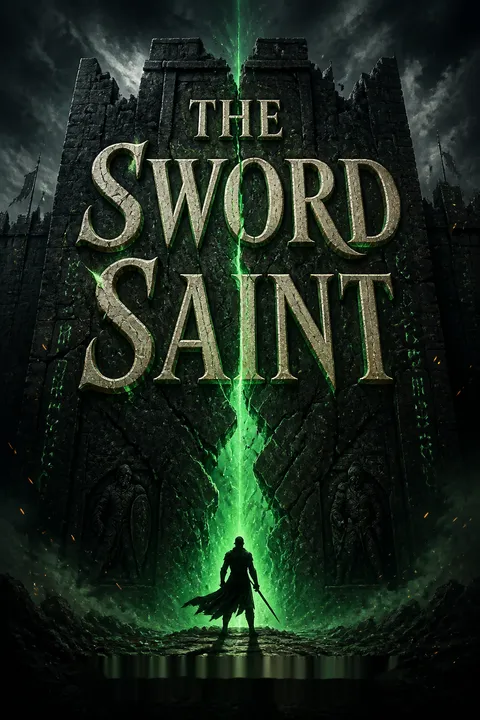

Plot Summary
Prologue: Rules and Rebellion
Jean Brieland, a clever and rebellious fourteen-year-old, breaks his mother's rules and sneaks into a forbidden temple. Driven by a hunger for gold and a need to prove himself, he witnesses the old priest's rituals and, in a moment of violence and fear, kills the priest. The act is both a literal and symbolic crossing of a threshold: Jean's first taste of blood, power, and the intoxicating sense of being above the rules. As he flees, a shadowy presence follows him, hinting at the supernatural consequences of his actions. This formative event shapes Jean's future, instilling in him a belief that rules are for others, and that true power comes from seizing what is forbidden. The darkness he awakens will haunt him and the world he seeks to rule.
Blood on the Stones
Lord Canis, a pillar of Darien's council, is murdered in broad daylight by skilled assassins. The attack is swift and brutal, leaving Canis and his loyal servant dead. The city reels in shock, and the council is thrown into chaos. Tellius, the wise and weary Speaker, recognizes the political implications immediately: Canis's death breaks a deadlock in the council, opening the way for a controversial alliance with the northern kingdom of Féal. The murder is not just a personal tragedy but a calculated move in a larger game, orchestrated by unseen hands. The city's old wounds are reopened, and the balance of power shifts. The event sets off a chain reaction, as grief, suspicion, and ambition collide, and Darien's fate is set on a new, perilous course.
Council Divided, City Betrayed
The council chamber becomes a battleground as the Twelve Families of Darien debate the proposed alliance with Féal. Tellius, Lady Sallet, and their allies resist, wary of losing the city's independence to foreign courts and laws. But the prince of Féal, Louis, is relentless, using charm, threats, and bribes to sway votes. The murder of Canis tips the balance, and the council, fractured and resentful, votes to accept the treaty. The decision is made in the shadow of violence and manipulation, with the city's future bartered away for promises of trade and security. The new Lord Canis, a grieving boy, is thrust into power, his anger and pain a silent warning of consequences yet to come. The council's unity is broken, and Darien's sovereignty is mortgaged to a king they do not trust.
The Prince's Gambit
Prince Louis of Féal, young and ambitious, navigates Darien's politics with calculated arrogance. He hosts lavish gatherings, curries favor, and orchestrates a deadly duel between his champion and the legendary sword saint, Hondo. The duel is poisoned, but Hondo survives, exposing the prince's duplicity. Meanwhile, Louis's true mission is revealed: he is not merely seeking trade, but laying the groundwork for Féal's dominance over Darien. His father, King Jean, expects failure and hopes for a pretext for war, but Louis's unexpected success in securing the alliance complicates the king's plans. The prince's actions sow discord among Darien's elite, and his presence is both a catalyst for change and a harbinger of conflict. The city is seduced and betrayed in equal measure.
Sword Saint's Challenge
Hondo, the sword saint of Shiang, is drawn into a deadly contest with Féal's champion. The duel, meant as entertainment, becomes a matter of life and death when Hondo is poisoned. Despite the treachery, he wins with a single, humiliating stroke, but nearly dies from the toxin. Tellius, ever the strategist, exposes the prince's dishonor and claims a costly victory. The event is a microcosm of the larger struggle: honor versus expediency, tradition versus ambition. Hondo's survival is a testament to resilience, but it comes at a price—physical and moral. The duel's aftermath deepens the rift between Darien and Féal, and the city's defenders are reminded that their enemies will not fight fair. The sword saint's ordeal foreshadows the greater battles to come.
Shadows and Alliances
As Darien reels from political upheaval, Tellius faces personal and political crossroads. Messages from Shiang signal the arrival of an ambassador, demanding Tellius's abdication as king-in-exile. Hondo and Bosin, the sword saints, grapple with their own pasts and the consequences of unnatural resurrection. Meanwhile, Vic Deeds, a rogue with a checkered past, is drawn into the city's intrigues, his fate entwined with those he once fought. The city's defenders—Tellius, Lady Sallet, Hondo, and others—forge uneasy alliances, balancing love, duty, and survival. The arrival of the Shiang ambassador brings both hope and dread, as old debts are called in and new bargains struck. The city's fate hangs on the ability of its leaders to adapt, forgive, and unite against looming threats.
The King's Ambition
King Jean Brieland of Féal, ruthless and charismatic, dreams of forging a lasting nation from conquest and blood. His relationship with his son, Louis, is manipulative and cold, using him as a pawn in his grand designs. Jean's philosophy is simple: strike hard, then squeeze gently. He expects Louis to fail in Darien, hoping for a pretext to invade, but is surprised by his son's success. The king's ambitions are boundless, his methods brutal, and his legacy uncertain. The shadow of his own past—murder, supernatural bargains, and the burden of rule—haunts him. As he prepares his armies, Jean's vision of empire collides with the realities of resistance, loyalty, and the unpredictable consequences of power. His shadow, both literal and metaphorical, grows ever darker.
The Gathering Storm
Darien braces for conflict as rumors of Féal's mobilization spread. Tellius, Lady Sallet, and their allies gather intelligence, fortify the city, and recruit extraordinary individuals: Elias, the hunter with a supernatural knack; Nancy, the reluctant mage; Taeshin, the haunted swordsman; and others. The city's defenses are tested, both physically and morally, as old wounds and new fears surface. The Shiang ambassador negotiates Tellius's abdication, and the sword saints prepare to return home, but the threat of invasion forces them to stay. The city's fate depends on the courage and cooperation of its defenders, each carrying scars and secrets. As the armies of Féal draw near, Darien becomes a crucible where loyalty, sacrifice, and destiny are forged.
Night of Fire and Steel
Under cover of darkness, a small team—Elias, Hondo, Bosin, Taeshin, Nancy, and Deeds—slip into the Féal camp to assassinate King Jean. The camp is a fortress, guarded by monstrous black-armored constructs and disciplined soldiers. Nancy unleashes devastating magic, burning through the enemy's ranks, while the sword saints carve a path of steel. The king proves nearly invulnerable, protected by supernatural means, and the assassination fails. The team barely escapes, battered and pursued. Meanwhile, Féal's forces launch a coordinated assault on Darien's river gate, using fireships and black-armored warriors to breach the walls. The night is a maelstrom of violence, courage, and loss, as the city's defenders fight desperately to hold the line.
The Breach at Dawn
As dawn breaks, Darien's defenses are shattered by relentless cannon fire and the onslaught of Féal's black-armored constructs. The river gate is breached, and the enemy pours into the city. Hondo, Bosin (in the Sallet Green armor), and Taeshin make a heroic stand, holding back the tide with sword and steel. Nancy, wielding the last of the Sallet Stone's magic, incinerates wave after wave of attackers, but the cost is immense. Tellius, exhausted and wounded, orchestrates the defense, rallying the city's defenders and buying precious time. The battle is chaos—gunfire, magic, and blood. The city's fate hangs by a thread, and every sacrifice matters. The breach is a crucible, forging legends and breaking hearts.
The Last Stand
With the city's walls breached and the enemy within, Darien's defenders make their final stand. Tellius, mortally wounded, refuses the Canis Stone's unnatural salvation, choosing to die as himself. Lady Sallet, grieving and resolute, leads the defense, while Nancy, drained of magic, faces the enemy with only courage and the gift of a new stone from young Canis. The sword saints, battered and bloodied, fight on, their loyalty to Darien now absolute. The king of Féal, protected by his shadow and supernatural armor, seems unstoppable—until Nancy's magic and Deeds's bullet finally bring him down. The cost is staggering: friends lost, stones destroyed, and the city forever changed. The last stand is both an ending and a beginning.
The Price of Victory
With King Jean dead and his army in disarray, Darien's defenders negotiate a tense truce. Prince Louis, now king, is brought from his sickbed to claim his father's body and command the retreat. Lady Sallet, mourning Tellius, forges a new peace, insisting on trade and reconciliation rather than vengeance. The city counts its dead, buries its heroes, and begins the slow work of healing. Old debts are paid, and new promises made. The survivors—Elias, Nancy, Hondo, Bosin, Deeds, and others—are forever marked by what they have seen and done. The price of victory is steep: innocence lost, power reshaped, and the knowledge that peace is always temporary. The city endures, but nothing will ever be the same.
Aftermath and Reckoning
In the wake of battle, Darien's council is reshaped. Lady Sallet emerges as a leader, determined to honor Tellius's legacy and protect the city's hard-won independence. The new Lord Canis, still a boy, carries the weight of his family's name and the burden of survival. Nancy, changed by magic and loss, finds a place in the city she once fled. Hondo and Bosin, their bond reforged in fire, choose to remain, their loyalty now to Darien rather than distant Shiang. Deeds, ever the survivor, is both hero and outcast. The city mourns its dead and celebrates its endurance, but old wounds linger. The future is uncertain, shaped by the choices of those who remain and the ghosts of those who fell.
The New Order
Darien stands battered but unbroken, its people scarred yet resilient. The alliance with Féal is renegotiated, not as vassals but as equals. The council, once divided, finds new purpose in unity and remembrance. Lady Sallet, Nancy, and the surviving heroes become the city's new guardians, their stories woven into legend. The supernatural shadows that haunted the city recede, but the lessons remain: power is fragile, freedom must be defended, and the cost of peace is never cheap. As the city rebuilds, its people look to the future with hope and caution, knowing that every victory is temporary, and every peace must be earned anew. The story ends, but the struggle continues—Darien's spirit endures.
Analysis
A meditation on power, sacrifice, and the cost of freedomThe Sword Saint is both a rousing fantasy epic and a nuanced exploration of leadership, loyalty, and the moral ambiguity of power. At its heart, the novel asks what it means to defend a city—not just with walls and weapons, but with courage, wisdom, and the willingness to pay the price for others. The story's heroes are not flawless: they are haunted by guilt, scarred by loss, and often forced to choose between bad options. The supernatural elements—stones, shadows, resurrection—serve as metaphors for the burdens of history and the temptation to trade humanity for safety. The novel's modern resonance lies in its refusal to offer easy answers: peace is fragile, alliances are fraught, and every victory comes with a cost. In the end, The Sword Saint is a testament to resilience—the idea that even in the face of overwhelming odds, a city (or a person) can endure, adapt, and find meaning in the struggle.
Review Summary
The Sword Saint, the final book in the Empire of Salt trilogy, receives mostly positive reviews with an overall rating of 4.24 out of 5. Readers praise the fast-paced action, excellent battle scenes, and compelling characters reuniting from previous books to defend the city of Darien against a new threat from the Kingdom of Féal. Many appreciate the efficient storytelling and emotional character arcs. Common criticisms include the formulaic plot structure across all three books, rushed ending, unexplored magic system details, and limited female characters. Several reviewers note the trilogy feels underrated and wish more readers would discover it.
Characters
Jean Brieland (King of Féal)
Jean Brieland is the architect of Féal's rise—a man forged by violence, ambition, and a childhood act of murder that unleashed both his own darkness and a supernatural shadow. As king, he is both visionary and tyrant, believing that rules are for others and that power is seized, not given. His relationship with his son, Louis, is manipulative and cold, using him as a pawn in his grand designs. Jean's supernatural protection, gained through a pact with the shadow, makes him nearly invulnerable, but it also isolates him, feeding his paranoia and cruelty. His death is both a personal and political turning point, ending an era of conquest and forcing his son and enemies to reckon with the legacy of his ambition.
Tellius
Tellius is the heart and conscience of Darien—a man of deep intellect, weary humor, and profound loyalty. Once a prince of Shiang, he has remade himself as Darien's Speaker, navigating the city's treacherous politics with patience and cunning. His love for Lady Sallet and his sense of duty drive him to sacrifice personal happiness for the greater good. Tellius is a master of alliances, always seeking the path that preserves Darien's independence and dignity. His death, refusing the unnatural salvation of the Canis Stone, is an act of final defiance and love, ensuring that the city's future is shaped by human courage rather than magic. His legacy endures in the unity and resilience of those he leaves behind.
Lady Win Sallet
Lady Sallet is both a political force and a deeply human presence in Darien. Her intelligence, compassion, and resolve make her a natural leader, especially in the city's darkest hours. Her relationship with Tellius is a rare source of warmth and vulnerability, grounding both of them amid chaos. As the keeper of the Sallet Stone and the city's magical defenses, she balances tradition with pragmatism, willing to pay any price to protect her people. After Tellius's death, she becomes the city's moral center, forging peace with Féal and guiding Darien into a new era. Her grief is profound, but her strength is greater, embodying the city's enduring spirit.
Hondo (Sword Saint of Shiang)
Hondo is the legendary sword saint, a man of discipline, honor, and quiet sorrow. Trained in the Mazer steps, he is unmatched in combat, but his true strength lies in his loyalty—to Tellius, to Bosin, and eventually to Darien itself. Hondo is marked by survivor's guilt and the trauma of unnatural resurrection, vowing never to accept the Canis Stone's cold salvation. His journey is one of adaptation, learning to value the messy, vibrant life of Darien over the rigid order of Shiang. In battle, he is a force of nature; in peace, a reluctant teacher and friend. His presence is a reminder that true mastery is as much about restraint as it is about skill.
Bosin
Bosin, once a boisterous and passionate swordsman, is transformed by the Canis Stone's magic into a colder, more mechanical version of himself. His strength and skill are undiminished, but his joy and appetite for life are gone—until the events of the siege begin to restore fragments of his old self. His bond with Hondo is deep and complex, rooted in shared trauma and mutual respect. In battle, especially when donning the Sallet Green armor, Bosin is unstoppable, a living weapon. His gradual return to warmth and humor is a quiet triumph, symbolizing the possibility of healing even after the deepest wounds.
Nancy
Nancy is a young woman with a unique magical gift: she can absorb and unleash vast stores of power, making her both a weapon and a target. Scarred by past violence and loss, she seeks a quiet life but is drawn back into the city's defense by duty and necessity. Her relationship with Lady Sallet is one of mutual respect and understanding, both women shaped by sacrifice. Nancy's magic is both a blessing and a curse, burning through enemies and allies alike. Her struggle to control her power, and her willingness to pay the price for victory, make her one of Darien's most tragic and heroic figures.
Elias Post
Elias is a village hunter with a supernatural ability to sense danger and avoid harm—a "knack" that makes him invaluable in war and assassination. Haunted by personal loss and a violent past, he is drawn into Darien's defense out of debt and a sense of responsibility. His relationship with his daughters, especially the gifted Jenny, grounds him amid chaos. Elias is both a killer and a protector, embodying the moral ambiguity of survival. His leadership in the city's darkest hour is marked by pragmatism, courage, and a willingness to do what others cannot. He is the spear that strikes at the heart of the enemy, but he pays a heavy price in guilt and grief.
Vic Deeds
Deeds is a man of many faces: gambler, gunman, outlaw, and, unexpectedly, hero. His past is littered with violence and betrayal, but he is also resourceful, quick-witted, and fiercely determined to survive. Drawn into Darien's defense by circumstance and a grudging sense of loyalty, Deeds proves his worth in battle, his marksmanship and bravado saving lives at critical moments. He is both admired and mistrusted, never quite at home among the city's elite. His journey is one of reluctant redemption, as he learns that even the most damaged souls can make a difference. Deeds's humor and irreverence are a counterpoint to the story's darkness.
Prince Louis (King Louis of Féal)
Louis is the son of Jean Brieland, raised to be both weapon and pawn. His ambition is tempered by insecurity and the impossible expectations of his father. In Darien, he is both seducer and saboteur, orchestrating alliances and betrayals with equal skill. His wounding—physical and emotional—forces him to confront his own limitations and the true cost of power. As king, he inherits a broken army and a legacy of violence, but also the chance to forge a new path. His relationship with Darien is complex: enemy, ally, and, ultimately, partner in peace. Louis's arc is one of painful growth and the search for meaning beyond conquest.
Arthur (King of Darien)
Arthur is both more and less than human—a golem created centuries ago, imbued with the memories and spirit of Darien's lost rulers. Outwardly a boy, he carries the wisdom and sorrow of ages. As king, he is a symbol of continuity and resilience, inspiring loyalty and awe. His relationship with Tellius and Lady Sallet is familial, grounding him in the present even as he remembers the past. Arthur's presence on the walls during the siege is both a rallying point and a reminder of the city's enduring spirit. He is the heart of Darien, a living link between past and future, and a testament to the power of hope.
Plot Devices
Political Intrigue and Council Dynamics
The story's engine is the complex interplay of Darien's ruling families, each with their own ambitions, loyalties, and secrets. The council chamber is a microcosm of the city's soul, where every vote, alliance, and betrayal has far-reaching consequences. The murder of Lord Canis, the manipulation of votes, and the uneasy acceptance of the Féal treaty are all orchestrated through dialogue, subterfuge, and personal relationships. The narrative structure uses alternating perspectives—Tellius, Lady Sallet, Prince Louis, and others—to reveal the hidden motives and emotional stakes behind every decision. Foreshadowing is woven through political debates and personal conversations, hinting at the coming storm.
Supernatural Elements and Magical Artifacts
Magic in the Empire of Salt is both a tool and a curse. The family stones—Sallet, Canis, Bracken, and others—are repositories of power, capable of healing, destruction, and unnatural resurrection. The shadow that haunts Jean Brieland is a literal manifestation of guilt and ambition, granting protection at a terrible cost. Nancy's ability to absorb and unleash magic, the black-armored constructs of Féal, and the supernatural resilience of the sword saints all blur the line between the mundane and the miraculous. These elements are used to heighten tension, raise the stakes, and explore the moral ambiguity of power.
Dual Narrative Structure and Thematic Echoes
The novel employs a dual narrative structure, alternating between Darien and Féal, council and battlefield, personal and political. Characters are often paired or mirrored—Tellius and Jean, Lady Sallet and Nancy, Hondo and Bosin, Louis and Arthur—highlighting themes of leadership, sacrifice, and the cost of ambition. Recurring motifs—walls, stones, shadows, and fire—reinforce the story's central questions: What is worth defending? What price will we pay for freedom? The use of foreshadowing, callbacks, and symbolic imagery creates a sense of inevitability and tragedy, even as the characters fight for hope.
Siege and Battle as Climax
The siege of Darien is the narrative's climax, a relentless escalation of violence, sacrifice, and heroism. The battle is depicted through multiple perspectives, each revealing a different facet of the conflict: the strategist's calculations, the soldier's terror, the mage's exhaustion, the king's pride. The use of magical and technological warfare—cannon, fireships, black-armored constructs, and supernatural duels—raises the stakes and blurs the line between old and new, tradition and innovation. The climax is not just a test of strength, but of character: who will stand, who will break, and who will pay the ultimate price.
Empire of Salt Series

Download PDF
Download EPUB
.epub digital book format is ideal for reading ebooks on phones, tablets, and e-readers.








































