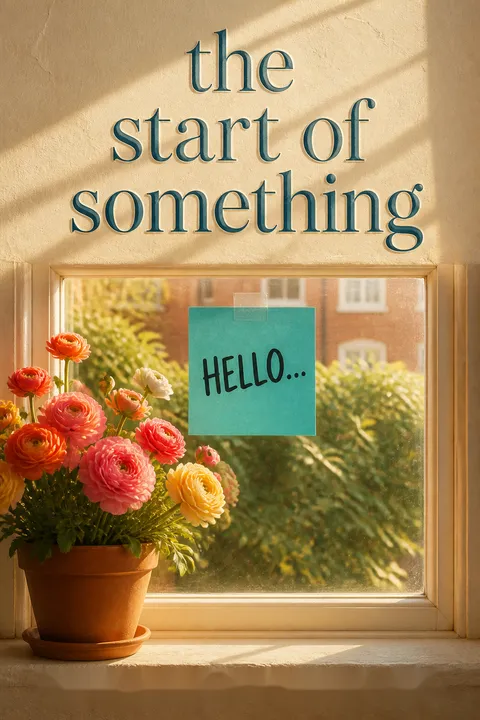

Plot Summary
Broken Bodies, New Beginnings
Lachlan, a former army officer, is recovering from a devastating leg injury that has left him isolated and frustrated in his flat. Across the way, Bethan, a single mother, is moving into a new apartment with her young son, Noah, determined to build a better life after years of hardship. Both are haunted by the past—Lachlan by his accident and lost career, Bethan by betrayal and debt—but each clings to hope. Their lives are parallel, separated by a hedge and a window, both longing for connection but wary of being seen for their vulnerabilities. The world outside feels distant, yet the possibility of something new lingers in the air.
Windows Across the Hedge
Lachlan, confined by injury, spends his days watching the world through his window, noticing the activity in the flat opposite. Bethan, exhausted from moving and painting, finds comfort in the view of a neighbor's cat. Their mutual curiosity is innocent but charged with longing for something beyond their four walls. Each wonders about the other's life, imagining stories and possibilities. The window becomes a lifeline, a silent promise that life continues beyond pain and struggle. Both are lonely, but neither is ready to reach out—yet.
Messages in Bright Colors
On a whim, Lachlan writes a message in bright felt-tip pens and tapes it to his window, asking about the flowers in Bethan's flat. To his surprise, Bethan responds with the name—ranunculus—and a question about his cat. What begins as a simple exchange quickly becomes a daily ritual, each message more personal and daring. The anonymity of the window allows them to be honest, funny, and vulnerable in ways they can't be with anyone else. Their messages become a secret friendship, a source of joy and anticipation in otherwise difficult days.
Two Lives, One View
As their window correspondence deepens, Lachlan and Bethan reveal more of themselves. Lachlan battles with slow physical recovery, guilt over his accident, and pressure from family and friends. Bethan juggles single motherhood, a demanding job at a struggling garden center, and the scars of financial betrayal. Both feel unseen by the world, defined by their wounds. Yet, through their messages, they find validation and understanding. The simple act of being asked "How was your day?" becomes a lifeline. Their connection grows, even as they keep their real lives—and secrets—hidden.
Friendship in Small Gestures
The window notes evolve into playful banter—biscuit debates, superhero allegiances, and gentle teasing. Each message is a small act of kindness, a reminder that someone cares. Bethan's son, Noah, becomes a silent participant, his presence hinted at but not revealed. Lachlan's pets, Bert and Ernie, provide comic relief and comfort. The friendship is tentative but real, built on shared humor and the courage to reach out. Both begin to hope for more, but fear the risks of being truly seen.
Planting Hope Together
Inspired by Bethan's work at the garden center, they decide to plant a border of flowers along the hedge that separates their buildings. The act of gardening together—each on their own side—becomes a metaphor for their growing relationship. They share tools, advice, and encouragement, finding joy in creating something beautiful for their community. The project gives them purpose and a sense of belonging. As the flowers bloom, so does their trust in each other, though both still hold back their deepest truths.
Secrets and Silent Fears
Lachlan hides the extent of his injury and the trauma of the accident that ended his army career. Bethan conceals the full story of her past—her ex's betrayal, her crushing debt, and, most of all, her son. Both fear rejection if the other knew the whole truth. Their friendship teeters on the edge of something more, but the weight of secrets grows heavier. Outside pressures—workplace drama, family expectations, and unresolved guilt—threaten to pull them back into isolation. The safety of the window is both a comfort and a barrier.
Biscuit Wars and Laughter
Their correspondence becomes a series of lighthearted "biscuit wars," each championing their favorite treat. The banter is flirtatious, a safe way to express affection without risk. Yet, beneath the jokes, both yearn for real connection. They begin to imagine meeting in person, but fear holds them back. The hedge and the window are both protection and prison. The laughter they share is genuine, but it cannot mask the ache for something more.
When Truths Collide
Finally, they agree to meet—awkwardly, through a hole in the hedge. The encounter is sweet, charged with nervous energy and the thrill of seeing each other for the first time. They touch, laugh, and share stories, but the moment is fragile. When Bethan's son unexpectedly appears, the truth she has hidden is revealed. Lachlan, caught off guard and self-conscious about his injury, reacts with shock. Bethan, seeing only judgment, flees with Noah. The fragile trust between them is shattered, each believing the other cannot accept their whole self.
The Hedge Meeting
Both retreat into loneliness, convinced they have lost something precious. Lachlan is consumed by guilt and self-loathing, believing his injury makes him unlovable. Bethan is devastated, certain she will always be judged for her past and her son. Yet, neither can let go. Through pain and reflection, they realize the misunderstanding at the heart of their rift. Each must find the courage to speak their truth—not just to each other, but to themselves.
Legacies and Letting Go
As Bethan's community garden project flourishes, she finds strength in her work and the support of friends. Lachlan faces the consequences of his accident and the lies he told to protect a friend, ultimately choosing honesty and integrity over loyalty to the wrong person. Both learn to forgive themselves and others, letting go of the need to be perfect. The garden they planted together becomes a symbol of resilience and hope—a legacy of kindness and growth.
Crashes, Lies, and Consequences
Lachlan's military inquiry comes to a head, forcing him to confront the truth about the crash and his own role in it. He loses his career but gains a sense of self-worth not tied to physical ability or external validation. Bethan, accused of theft at work, must defend her integrity and finally share the truth about her past. Both endure loss and humiliation, but emerge stronger, having reclaimed their voices and their right to be seen for who they truly are.
Loss, Forgiveness, and Light
In the aftermath of heartbreak and upheaval, both Lachlan and Bethan struggle to move on. Each is haunted by what might have been, but small acts of kindness—a pebble, a message, a friend's support—help them find light in the darkness. They learn that healing is not about erasing scars, but about embracing them as part of their story. Forgiveness—of self and others—becomes the key to moving forward.
The Start of Something Real
A final message in the window bridges the gap between them. Both realize that love is not about perfection, but about seeing and accepting each other's whole selves—wounds, flaws, and all. They meet again, this time with honesty and vulnerability, and choose to build a life together. Their story is not a fairy tale, but a testament to the power of hope, kindness, and the courage to begin again. The garden they planted is in full bloom, a living reminder that even the most broken things can grow into something beautiful.
Analysis
Miranda Dickinson's The Start of Something is a contemporary love story that explores the transformative power of kindness, vulnerability, and community. At its heart, the novel is about two people learning to see—and be seen—beyond the labels and wounds that have defined them. Through the inventive device of window messages, Dickinson captures the tentative, exhilarating process of opening up to another person, and the risks and rewards of doing so. The parallel struggles of Lachlan and Bethan—one physical, one emotional—underscore the universality of pain and the courage required to heal. The garden they plant together is both literal and symbolic, representing the slow, patient work of growth and the beauty that can emerge from brokenness. The novel's emphasis on small acts of kindness, the importance of community, and the necessity of self-forgiveness offers a hopeful vision for readers navigating their own challenges. Ultimately, The Start of Something reminds us that love is not about perfection, but about the willingness to begin again, to reach across the hedge, and to believe that even the most damaged hearts can bloom.
Review Summary
The Start of Something receives mixed reviews, averaging 3.62/5. Many readers enjoy the charming premise of two neighbours communicating through window notes, drawing comparisons to Taylor Swift's "You Belong With Me" video. Characters Bethan, a single mother, and Lachlan, a soldier recovering from injury, are widely considered likeable and relatable. Common criticisms include insta-love elements, excessive miscommunication, underdeveloped personalities, and pacing issues. Positive reviewers praise the emotional depth, warm writing, and adorable side characters, including pets Bert and Ernie.
People Also Read

Characters
Lachlan Wallace
Lachlan is a former army officer whose life is upended by a catastrophic leg injury sustained in a car accident. Once defined by physical strength and leadership, he now grapples with vulnerability, shame, and a loss of identity. His relationships—with family, friends, and colleagues—are strained by his reluctance to ask for help and his fear of being seen as weak. Lachlan's psychological journey is one of learning to accept imperfection, to forgive himself for past mistakes, and to find worth beyond his body or career. His connection with Bethan awakens hope and tenderness, but also exposes his deepest fears. Through honesty and courage, he learns that true strength lies in vulnerability and that love is possible even in brokenness.
Bethan Gwynne
Bethan is a Welsh woman who has survived betrayal, crushing debt, and the challenges of single motherhood. Fiercely protective of her son, Noah, she is determined to create a safe and joyful home, even as she battles exhaustion and self-doubt. Bethan's humor and warmth mask deep wounds—she fears judgment and abandonment, and struggles to trust others. Her work at the garden center is both a lifeline and a source of pride, giving her purpose and community. The window messages with Lachlan allow her to be seen as more than just a mother or a victim. Her journey is one of reclaiming her voice, embracing her worth, and daring to hope for love and happiness again.
Noah Gwynne
Noah is Bethan's young son, a source of light and laughter in her life. His presence is both a blessing and a challenge—he represents Bethan's greatest responsibility and her deepest fear of being judged. Noah's innocence and exuberance highlight the stakes of Bethan's choices, and his needs often force her to confront her own limits. His accidental role in revealing Bethan's secret to Lachlan becomes a turning point in the story, exposing the fragility of trust and the power of unconditional love.
Adam Riggs (Riggsy)
Riggsy is Lachlan's longtime army friend, a man whose loyalty is ultimately self-serving. Outwardly charming and quick-witted, he manipulates those around him to avoid responsibility for his actions. His role in the car accident and subsequent lies force Lachlan to choose between misplaced loyalty and integrity. Riggsy embodies the dangers of unresolved trauma and the corrosive effects of denial and blame.
Tanya
Tanya is Lachlan's physiotherapist, tasked with guiding his physical recovery. Her professional patience is tested by Lachlan's resistance and self-sabotage. She becomes a mirror for his struggles, pushing him to confront his fears and accept help. Tanya's presence highlights the importance of support and the limits of what others can do for us.
Hattie Rowse
Hattie is the owner of the garden center where Bethan works. Warm, encouraging, and quietly strong, she becomes a mentor and advocate for Bethan. Hattie's faith in Bethan's abilities helps her reclaim confidence and agency. When Hattie is forced to confront betrayal and financial crisis, her vulnerability and willingness to trust others become a model for Bethan's own growth.
Patrick
Patrick is Bethan's young colleague at the garden center, a source of humor and steadfast support. His easygoing nature and genuine care provide Bethan with much-needed friendship and validation. Patrick's belief in Bethan's worth helps her see herself through kinder eyes.
Darren Gifford
Darren is Bethan's supervisor, a small-minded man who embodies the judgment and hostility Bethan faces as a single mother. His suspicion and eventual betrayal force Bethan to defend her integrity and stand up for herself. Darren's downfall is a victory for justice and a turning point in Bethan's journey toward self-acceptance.
Bert and Ernie
Bert (the dog) and Ernie (the cat) are Lachlan's pets, providing comfort, comic relief, and a sense of home. Their presence underscores themes of loyalty, unconditional love, and the healing power of small joys. They also serve as bridges between Lachlan and Bethan, their antics sparking conversation and connection.
Sal (Sally)
Sal is Lachlan's older sister, a steady presence who tries to support him through his recovery. Her tough love and persistent care challenge Lachlan's independence but ultimately help him see the value of accepting help and returning to his roots. Sal represents the enduring bonds of family and the importance of letting others in.
Plot Devices
Window Messages
The use of handwritten messages taped to windows is the central narrative device, allowing Lachlan and Bethan to communicate honestly while maintaining the safety of distance and anonymity. This device enables gradual revelation of character, builds suspense, and creates intimacy without physical proximity. The messages serve as both shield and invitation, reflecting the characters' longing for connection and fear of vulnerability.
Parallel Narratives
The story alternates between Lachlan and Bethan's points of view, giving readers insight into their inner worlds and the misunderstandings that arise from incomplete knowledge. This structure heightens dramatic irony, as readers see how each character's fears and assumptions shape their actions. The parallel narratives converge at key moments, emphasizing the theme of two lives running side by side until they finally intersect.
Symbolic Gardening
The act of planting and tending a garden together—each on their own side of the hedge—mirrors the characters' emotional journeys. Flowers become symbols of hope, resilience, and the possibility of new beginnings. The community garden project, the "Legacy," extends this metaphor, showing how individual healing can ripple outward to create collective good.
Misunderstanding and Revelation
The plot hinges on the characters' reluctance to reveal their full selves—Lachlan's injury and trauma, Bethan's son and past. Misunderstandings arise from partial truths and unspoken fears, culminating in a painful confrontation. The resolution depends on both characters finding the courage to speak honestly and to listen with compassion.
Foreshadowing and Motifs
The story uses motifs—pebbles, biscuits, superhero references, and the phrase "wait, give yourself air, find your footing, stand your ground"—to foreshadow turning points and reinforce themes of resilience and self-acceptance. The Maya Angelou quote tattooed on Lachlan's arm becomes a touchstone for both characters, encapsulating the message of living fully despite hardship.
Ανθολογία Επιστημονικής Φαντασίας Ιστορίες των εκδόσεων Ωρόρα Series Series



Download PDF
Download EPUB
.epub digital book format is ideal for reading ebooks on phones, tablets, and e-readers.








































