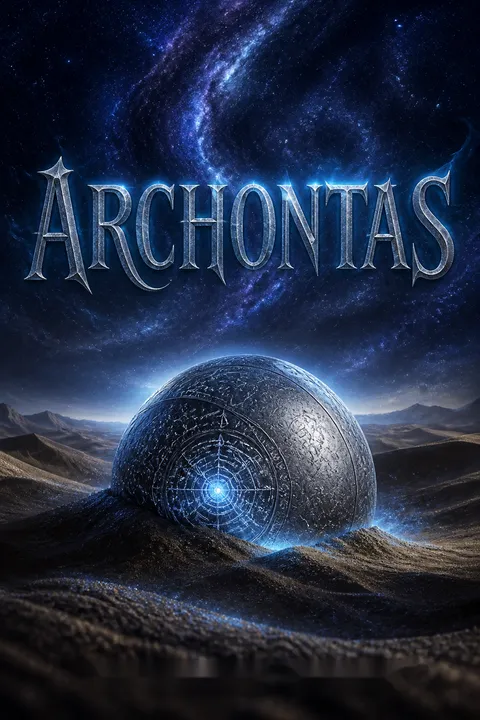

Siužeto santrauka
Elephants Under Moonlight
Under a full moon, Mirany and the Nine witness the arrival of the Pearl Prince's caravan, led by elephants adorned with pearls and gold. The air is thick with ritual and expectation as the Speaker, Hermia, prepares to receive the Prince's offering—a mysterious silver sphere. Mirany, the Bearer-of-the-God, feels the god's presence and anxiety about the Oracle's integrity. The Prince requests permission to mine silver in the forbidden Mountains of the Moon, but Hermia, channeling the god's voice, refuses. Mirany senses deception and danger, both from Hermia's performance and the watching general, Argelin. The night is heavy with secrets, and Mirany resolves to uncover the truth behind the sphere and the Oracle's pronouncements.
The Oracle's False Voice
Mirany's suspicions deepen as she observes Hermia's performance at the Oracle. The Speaker's words are not the god's, but her own, and Mirany is caught between fear and outrage. The god's true message is hidden, and the silver sphere's cryptic inscriptions hint at a deeper prophecy. Mirany's isolation grows as she realizes the Oracle is being used for political gain, with Hermia and Argelin plotting together. The sacred is profaned, and Mirany's role as Bearer becomes more perilous. She is determined to read the sphere's secrets, even if it means venturing into the god's shadowy underworld and seeking help from unlikely allies.
Poisoned Bread and Bitter Alliances
Mirany's daily life is fraught with danger—poisoned bread, shifting alliances, and the ever-present threat from Hermia. Rhetia, ambitious and ruthless, proposes using the Pearl Prince's army to overthrow Argelin and Hermia, even at the cost of war. Mirany recoils from the idea, insisting on a path guided by the god, not violence. The Nine are fractured, with spies and traitors among them, and Mirany's only solace is her connection to the god. She seeks out the Archon, Alexos, and Oblek, hoping to find a way to restore the Oracle's purity without bloodshed. The stakes are rising, and Mirany must navigate a web of intrigue and betrayal.
Seth's Bargain for a Star
Seth, newly promoted and eager for advancement, bargains with a trader for a fallen star—a crystal of otherworldly brilliance. The star is coveted by many, and Seth's greed and ambition lead him into peril. He is drawn into the Jackal's criminal world, where loyalty is bought and sold. Oblek, pursued by Argelin's men, is captured, and Seth is forced to choose between self-preservation and friendship. The star becomes a symbol of hope and danger, its light illuminating the darkness of Seth's choices. As violence erupts, Seth's actions have consequences that will echo throughout the journey to come.
Oblek's Desperate Stand
Oblek, the loyal musician, is hunted and captured by Argelin's soldiers. Seth, torn between fear and obligation, initially abandons his friend but is haunted by guilt. The Jackal orchestrates a daring rescue, using the star's brilliance to blind their enemies. The escape is chaotic and costly, with violence and betrayal leaving scars on all involved. Oblek's despair deepens, and Seth's self-loathing grows. The bonds between the companions are tested, and the journey ahead promises even greater trials. The star, now in the Jackal's possession, becomes the key to a quest that will lead them into the heart of the desert and the mysteries of the god.
The Speaker's Mask Slips
Hermia, once unassailable, reveals her fear and uncertainty to Mirany. The Speaker confesses her inability to hear the god and her reliance on power and manipulation. Mirany, now the god's true voice, is tasked with warning Alexos of Argelin's plot to kill him. The lines between friend and foe blur, and Mirany's trust is shaken. Hermia's admission is both a plea for understanding and a final act of defiance. The Oracle's corruption is laid bare, and Mirany must decide whether to uphold the Silence or risk everything to save the Archon and restore the god's will.
The Sphere of Secrets
The silver sphere, offered by the Pearl Prince, is revealed to be a map—its inscriptions a guide to the Well of Songs, a legendary source of water and joy. Seth, the only one able to decipher its ancient script, becomes indispensable. The Jackal, ever opportunistic, demands a pilgrimage to the Well, hoping for gold and power. Alexos, haunted by visions and memories of past Archons, is both the key and the target. The companions—Mirany, Seth, Oblek, Alexos, and the Jackal—set out into the desert, pursued by enemies and their own demons. The sphere's secrets promise salvation or destruction.
The Jackal's Price
The Jackal, leader of thieves and outcasts, manipulates the companions for his own ends. He demands payment for past services and holds Oblek hostage to ensure compliance. Seth's debts and ambitions make him vulnerable to Argelin's blackmail, and the threat to his family looms large. The journey becomes a test of character, with each member forced to confront their own motives and fears. The desert strips them bare, revealing hidden strengths and weaknesses. The Jackal's price is steep, and the cost of failure is death—not just for themselves, but for the fate of the Two Lands.
The Well of Songs
The quest for the Well of Songs leads the companions through a landscape of ancient Animals, mirages, and supernatural trials. Each must face a guardian that is a reflection of their own flaws and regrets. Seth confronts his greed and cowardice, Oblek his despair, the Fox his violence, and the Jackal his self-loathing. The stars—fallen from the sky—are the keys to overcoming these guardians, but there are not enough for all. The Well itself is both a source of life and a mirror of the soul, offering redemption or ruin. The journey is as much inward as outward, and the price of the Well's gift is the truth of who they are.
The Lion's Shadow
The companions' disregard for the rituals of the desert Animals brings disaster. The Lion, a supernatural force of anger and jealousy, pursues them, infecting the group with rage and violence. Only by honoring the sacred paths and appeasing the Lion can they escape its wrath. The desert is revealed as a place of both danger and revelation, where the boundaries between the mortal and the divine blur. The companions learn that survival depends not just on strength, but on humility and respect for the mysteries of the world.
The Silence of the Oracle
Back on the Island, the Oracle is silenced as the Nine, led by Hermia and Mirany, refuse to speak the god's words until peace is restored. Argelin's frustration grows, and he resorts to threats and violence to break their resolve. The Pearl Prince's fleet besieges the Port, and the people suffer. Mirany, now the god's true voice, must navigate a treacherous path between obedience and rebellion. The vow of Silence becomes a weapon, but also a burden, as the fate of the Oracle and the Two Lands hangs in the balance.
The Rain Queen's Judgment
The Rain Queen's power is unleashed as the Well of Songs overflows, flooding the desert and restoring the long-dry river Draxis. The miracle brings both salvation and chaos, sweeping away the old order and forcing a reckoning. Hermia sacrifices herself to save Mirany, and Argelin is left broken by grief and guilt. The Oracle is destroyed by fire, but the god's presence endures. The companions, changed by their journey, return to a world transformed by water and loss. The Rain Queen's judgment is both mercy and punishment, a reminder of the power and unpredictability of the divine.
The Flood and the Fire
The floodwaters sweep through the land, bringing life to the parched earth but also devastation to those unprepared. The Oracle burns, and the old hierarchies crumble. Mirany and Rhetia escape into the tombs, guided by Kreon, the god's shadow. The companions are scattered, each bearing the scars of their journey. The flood is both an ending and a beginning, washing away the past and making way for a new order. The cost of power is high, and the survivors must find meaning in the ruins.
The Speaker's Sacrifice
In a final act of loyalty, Hermia sacrifices herself to save Mirany from Argelin's wrath. The Speaker's death is both a tragedy and a liberation, freeing Mirany to become the god's true voice. Argelin, consumed by grief and rage, is left to face the consequences of his ambition. The companions, united by loss and redemption, must decide what kind of world they will build from the ashes. The price of loyalty is steep, but the promise of renewal endures.
The Return of the River
The river's return is a miracle, a sign that the god's favor has been restored. The land is renewed, and the people rejoice. Mirany, now Speaker, must guide the Oracle into a new era, one shaped by the lessons of the past. The companions, each changed by their journey, find new purpose and hope. The god's presence is felt in the water, the songs, and the silence. The story ends with the promise of healing and the possibility of a world where the sacred and the mortal are reconciled.
The New Oracle
With the old order swept away, Mirany steps into her role as Speaker, determined to honor the god's true voice. The companions find their places in the new world, their wounds slowly healing. The Oracle is rebuilt, not as a tool of power, but as a place of truth and humility. The god's presence remains elusive, a mystery that can never be fully understood or controlled. The story closes with a sense of hope and uncertainty, as the characters look to the future, knowing that the journey is never truly over.
Analysis
Catherine Fisher's The Sphere of Secrets is a masterful exploration of power, faith, and the human longing for meaning in a world fraught with corruption and uncertainty. At its heart, the novel interrogates the nature of authority—both spiritual and political—and the ways in which institutions can be manipulated for personal gain. The Oracle, both sacred and profaned, serves as a microcosm of society's struggles, with the mask of the Speaker symbolizing the tension between truth and deception. The journey to the Well of Songs is both an epic quest and an inward pilgrimage, forcing each character to confront their own flaws and desires. The fallen stars and the sphere are not merely magical artifacts, but reflections of the characters' hopes, fears, and capacity for change. Fisher's narrative structure, with its shifting perspectives and intertwining plotlines, mirrors the complexity of the world she creates—a world where silence can be both a curse and a form of resistance, and where redemption is possible only through sacrifice and self-knowledge. The novel's ultimate message is one of humility and hope: that true power lies not in domination, but in the willingness to listen, to trust, and to act with compassion. In a modern context, The Sphere of Secrets resonates as a meditation on leadership, integrity, and the enduring mystery of the divine in a world hungry for meaning.
Atsiliepimų santrauka
The Sphere of Secrets receives mixed reviews, averaging 3.9 stars. Readers appreciate the character development, particularly Mirany's growth, and the exploration of themes like loyalty, power, and belief. Many praise the mythology and world-building blending Egyptian and Greek elements. Common criticisms include frequent perspective switches that feel disorienting, a plot consisting mainly of desert travel and quest elements, weak villain development, and pacing issues. Some found it less engaging than the first book, while others felt it improved upon its predecessor. The cliffhanger ending left readers curious about the trilogy's conclusion.
Žmonės taip pat skaitė

Characters
Mirany
Mirany begins as a timid Bearer-of-the-God, thrust into a world of political intrigue and spiritual corruption. Her journey is one of self-discovery and courage, as she learns to trust the god's voice within her and stand against manipulation and violence. Mirany's empathy and integrity set her apart, making her both vulnerable and powerful. She is haunted by doubt and fear, but her loyalty to the god and her friends drives her to acts of bravery and sacrifice. As the story unfolds, Mirany becomes the true Speaker, willing to risk everything to restore the Oracle's purity and bring healing to the land. Her relationships—with Alexos, Seth, Oblek, and even her rivals—are marked by compassion and a deep sense of responsibility.
Alexos
Alexos is both a ten-year-old boy and the living embodiment of the god. Chosen as Archon, he carries the weight of prophecy and sacrifice, his innocence masking ancient wisdom and power. Alexos is playful and curious, yet burdened by visions and memories of past lives. His connection to the divine is both a gift and a curse, isolating him from those who would use or protect him. Throughout the story, Alexos struggles with the expectations placed upon him, longing for friendship and understanding. His journey to the Well of Songs is both literal and symbolic—a quest for redemption, healing, and the restoration of balance. Alexos's ultimate act is one of self-offering, embodying the paradox of power and vulnerability at the heart of the divine.
Seth
Seth is driven by ambition, greed, and a desperate desire to protect his family. His journey is marked by moral ambiguity, as he bargains for power and is drawn into Argelin's schemes. Seth's intelligence and resourcefulness make him invaluable, but his choices often lead to guilt and self-loathing. The fallen star he acquires becomes a symbol of his hopes and fears, illuminating the darkness within and without. Seth's relationships—with Mirany, Oblek, and the Jackal—are fraught with tension and betrayal. Ultimately, Seth's redemption comes through self-sacrifice and honesty, as he confronts his own reflection at the Well of Songs and chooses loyalty over ambition.
Oblek
Oblek is a figure of both strength and vulnerability, his loyalty to Alexos and Mirany unwavering. Haunted by loss and despair, he seeks solace in music and drink, his talents dulled by grief. Oblek's journey is one of endurance and self-discovery, as he confronts his own demons and finds meaning in service and sacrifice. His relationship with Alexos is paternal and protective, and his bond with Seth is marked by both frustration and forgiveness. Oblek's suffering is both personal and symbolic, reflecting the pain of a land in drought and the hope of renewal. At the Well, Oblek's redemption is found in song and the promise of healing.
Hermia
Hermia is the embodiment of power corrupted, her role as Speaker tainted by ambition and fear. She manipulates the Oracle for political gain, aligning herself with Argelin and betraying the god's true voice. Yet beneath her mask lies vulnerability and regret, revealed in moments of confession to Mirany. Hermia's downfall is both self-inflicted and redemptive, as she sacrifices herself to save Mirany and the Oracle. Her death is a turning point, marking the end of an era and the beginning of a new order. Hermia's complexity lies in her capacity for both cruelty and love, making her a tragic and memorable figure.
Argelin
Argelin is the primary antagonist, his ambition and cunning driving much of the conflict. He seeks to control the Oracle, the Nine, and the land itself, using manipulation, violence, and fear. Argelin's relationship with Hermia is both strategic and emotional, revealing a capacity for love that is ultimately consumed by his lust for power. His willingness to sacrifice others—including Alexos and Mirany—marks him as a figure of moral bankruptcy. Yet Argelin is also haunted by dreams and guilt, his downfall precipitated by the very forces he sought to control. His final moments are marked by grief and impotence, a testament to the limits of ambition.
The Jackal (Osarkon)
The Jackal is a complex figure, both ally and adversary. Once a noble, now a master thief, he navigates the underworld with intelligence and ruthlessness. The Jackal's motivations are layered—revenge, survival, and a longing for lost honor. His nightmares and self-loathing reveal a man at war with himself, and his interactions with Seth, Oblek, and Alexos are marked by both manipulation and unexpected generosity. The Jackal's journey to the Well is a quest for redemption, and his willingness to leave himself unarmed at the end is a sign of growth and humility. He is both a catalyst for action and a mirror of the story's moral ambiguities.
Rhetia
Rhetia is driven by ambition and a desire for power, willing to risk war and betrayal to achieve her goals. Her intelligence and decisiveness make her a formidable opponent, but her ruthlessness is tempered by moments of vulnerability and loyalty. Rhetia's relationship with Mirany is complex—marked by rivalry, respect, and occasional alliance. Her willingness to refuse Argelin's offer of the Speakership is a sign of integrity, and her survival in the tombs with Mirany suggests a capacity for change. Rhetia embodies the dangers and possibilities of ambition, her fate intertwined with the Oracle's future.
Chryse
Chryse is the embodiment of self-preservation and adaptability, her loyalties shifting with the tides of power. She is both comic and tragic, her desire for acceptance leading her into betrayal and manipulation. Chryse's relationship with Mirany is fraught with disappointment and occasional affection, and her willingness to serve Argelin as Speaker is both a survival tactic and a sign of her limitations. Chryse's role is a reminder of the dangers of apathy and the importance of conviction.
Kreon
Kreon is a mysterious and enigmatic figure, his albinism and isolation marking him as both otherworldly and essential. He serves as a guide to Mirany and the companions, his knowledge of the tombs and the god's secrets invaluable. Kreon's relationship with Alexos is one of kinship and shared burden, and his role as the god's shadow is both literal and symbolic. Kreon embodies the connection between the living and the dead, the sacred and the profane, and his guidance is crucial to the story's resolution.
Plot Devices
The Oracle and the Mask
The Oracle is the central plot device, its rituals and pronouncements shaping the fate of the Two Lands. The mask of the Speaker is both a literal and metaphorical barrier, concealing truth and enabling deception. The struggle for control of the Oracle drives the political and spiritual conflicts, with the god's true voice often silenced or manipulated. The mask's transfer from Hermia to Mirany marks a shift in power and legitimacy, and the vow of Silence becomes a weapon against tyranny. The Oracle's destruction and rebirth mirror the cycles of death and renewal at the heart of the story.
The Sphere of Secrets
The silver sphere, inscribed with ancient script, is both a puzzle and a promise. Its secrets drive the quest for the Well of Songs, offering hope of water, gold, and redemption. The sphere's deciphering is a test of intelligence and trust, with Seth's role as translator making him both valuable and vulnerable. The sphere's journey—from offering to prize to gift—mirrors the characters' own transformations, and its ultimate fate is a reminder that true power lies not in possession, but in understanding and sacrifice.
The Fallen Stars
The fallen stars are both literal and symbolic, their brilliance illuminating the darkness within and without. Each star is a key to overcoming the guardians at the Well, but there are not enough for all, forcing the companions to confront their own flaws and make difficult choices. The stars' origins in myth and their journey through the hands of the characters reflect the story's themes of fate, redemption, and the cost of desire. The stars are both weapons and burdens, their power dependent on the willingness to let go.
The Well of Songs
The Well of Songs is the story's ultimate destination, a source of life and a mirror of the soul. Its guardians are the characters' own reflections, forcing each to confront their deepest fears and regrets. The Well's water is both healing and dangerous, offering redemption to those who are willing to face the truth. The journey to the Well is both physical and spiritual, and its overflowing marks the story's climax—a moment of judgment, renewal, and the possibility of a new beginning.
Silence and Sacrifice
Silence is both a weapon and a burden, used by the Nine to resist tyranny and by the god to test faith. The vow of Silence is a form of resistance, but also a source of suffering, as the people and the land cry out for guidance. Sacrifice is a recurring motif—Hermia's death, Alexos's willingness to offer himself, Mirany's acceptance of the Speakership. The story's resolution hinges on the willingness to let go, to trust, and to act with integrity, even at great personal cost.
Atsisiųsti PDF
Atsisiųsti EPUB
.epub digital book format is ideal for reading ebooks on phones, tablets, and e-readers.








































