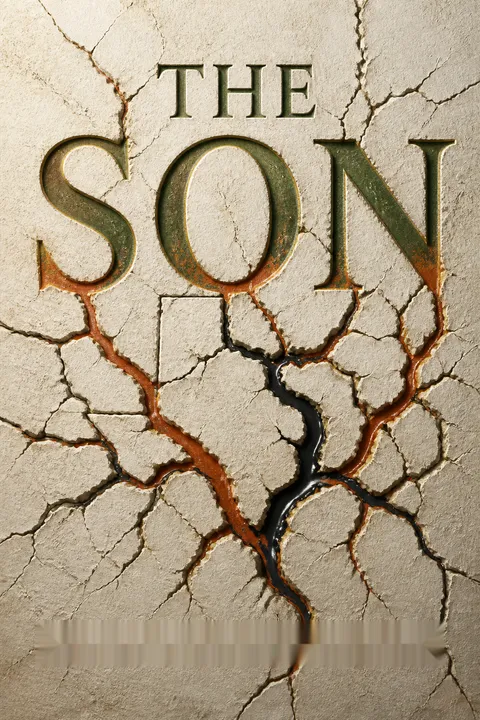

Plot Summary
Birth of a Republic
The McCullough family's saga begins with Eli, the first male child born in the Republic of Texas, whose life is shaped by the brutal realities of the frontier. The land is a prize, but it comes at a cost: constant threat from Comanches, Mexicans, and the harshness of nature. Eli's father, a Scotsman, is emblematic of the early settlers—hard, ambitious, and willing to risk everything for a future. The family's struggle for survival is marked by violence, loss, and the relentless push westward, setting the stage for generations of ambition and bloodshed.
Blood and Survival
At twelve, Eli's world is shattered when Comanches raid his home, killing his mother and siblings and taking him captive. The trauma is seared into his psyche, forging a survivor's mentality. The Comanche world is alien and brutal, but Eli adapts, learning their ways and eventually being adopted into the tribe. His transformation is both physical and spiritual, as he sheds his old identity and becomes "Tiehteti," a bridge between two worlds. The violence of his initiation is mirrored by the violence he will later inflict.
Captivity and Transformation
Eli's years among the Comanches are marked by hardship, violence, and unexpected kinship. He learns to hunt, fight, and survive, but also to love and lose—his relationships with Prairie Flower and Toshaway shape his understanding of loyalty and belonging. The tribe's decline, ravaged by disease and war, parallels Eli's own sense of loss. When he is finally ransomed back to white society, he is forever changed, unable to fully belong to either world, haunted by memories and driven by a relentless will to succeed.
The Making of a Dynasty
Returning to Texas, Eli leverages his hard-won skills and ruthlessness to build a cattle empire. The land is both opportunity and battleground, as he clashes with neighbors, Mexicans, and the law. The McCullough ranch grows through violence, cunning, and the exploitation of every advantage. Eli's relationships—with his wife, children, and rivals—are shaped by the same hard calculus that governs his business. The seeds of future conflict are sown in every deal and betrayal, as the family's wealth and power expand.
Border Wars and Betrayal
The next generation, led by Eli's son Peter, inherits not just land but the legacy of violence. The borderlands are a cauldron of tension—Mexican neighbors like the Garcias are both friends and rivals. When cattle go missing and violence erupts, Peter is caught between his father's ruthless pragmatism and his own conscience. The massacre of the Garcia family, justified as frontier justice, leaves Peter haunted and estranged, his moral compass at odds with the world he inhabits. The cycle of violence and dispossession continues, shaping the land and its people.
The Weight of Inheritance
In the twentieth century, Jeanne Anne McCullough, Eli's great-granddaughter, inherits the family legacy. Intelligent, ambitious, and out of place in a male-dominated world, she fights for recognition and control over the ranch and its fortunes. Her relationships—with her father, brothers, and later her own children—are fraught with expectation and disappointment. The land is both inheritance and burden, its history a source of pride and pain. Jeanne Anne's journey is one of self-discovery, resilience, and the constant negotiation between tradition and change.
Love and Loss Across Borders
Peter's affair with María Garcia, the last survivor of the Garcia massacre, is a brief, luminous respite from the darkness of his life. Their love is doomed by the forces of family, race, and history. When María is forced into exile, Peter is left bereft, his attempts to find her futile. The personal and the political are inseparable—love cannot escape the weight of the past. The consequences ripple through generations, as lost heirs and broken connections haunt the family's future.
Oil, Power, and Progress
The discovery of oil on McCullough land marks a new era of wealth and influence. The ranch becomes a symbol of Texas's transformation from frontier to modernity. Jeanne Anne and her husband Hank ride the oil boom, navigating the complexities of business, politics, and family. The old codes of honor and violence give way to new forms of power—corporate, political, and personal. Yet the same forces of ambition, exploitation, and inequality persist, reshaped for a new age.
The Curse of Memory
The McCulloughs are never free from the ghosts of their history. Eli, Peter, and Jeanne Anne are all shaped by what they remember and what they try to forget. The land itself is a palimpsest of violence, loss, and survival. Attempts to atone or escape are fraught with failure—Peter's search for María, Jeanne Anne's efforts to modernize and control her legacy, Eli's late-life reflections. The family's story is one of both triumph and tragedy, the past always present.
The Last Comanche
Eli witnesses the final defeat of the Comanches, the people who once adopted him and whom he helped destroy. The closing of the frontier is both victory and loss—the land is tamed, but something vital is gone. Eli's own life is a testament to the costs of conquest, the impossibility of true belonging, and the relentless march of history. The McCulloughs prosper, but the world that made them is gone forever.
The Rise of Jeanne Anne
Jeanne Anne's adulthood is marked by struggle—against sexism, family expectations, and her own doubts. She becomes a formidable businesswoman, outmaneuvering rivals and surviving personal tragedies. Her marriage to Hank is both partnership and battleground, their children both hope and disappointment. Jeanne Anne's story is one of adaptation, resilience, and the search for meaning in a world that is always changing. Her successes are hard-won, her losses deeply felt.
The End of the Line
As the twentieth century ends, the McCullough family faces decline—estranged children, lost heirs, and the erosion of the old ways. Jeanne Anne's later years are marked by loneliness, regret, and the realization that wealth and power cannot shield against time or fate. The arrival of Ulises Garcia, a descendant of the dispossessed Garcias, brings the story full circle. The past cannot be undone, and the land remembers everything.
Ghosts on the Land
The land is haunted by the ghosts of those who lived, loved, and died on it—Comanches, Mexicans, settlers, and McCulloughs alike. The stories of conquest, betrayal, and survival are written in the stones, the rivers, and the bones beneath the earth. The present is shaped by the unresolved conflicts of the past, and every attempt at forgetting is doomed to fail. The land endures, but at a cost.
The Reckoning
The novel closes with reckonings both personal and historical. Jeanne Anne's death, Ulises's failed attempt to claim his heritage, and Peter's final journey to María all underscore the limits of redemption and the persistence of injustice. The McCullough legacy is both monument and warning—a testament to the power of ambition, the costs of violence, and the enduring need for connection and understanding. The story ends as it began: with the land, and the people who try to possess it, forever marked by what has come before.
Analysis
Philipp Meyer's The Son is a sweeping, unflinching examination of the American mythos, told through the rise and fall of a Texas dynasty. At its core, the novel interrogates the costs of ambition, the legacy of violence, and the meaning of inheritance—both material and moral. Through its multi-generational structure, the book reveals how the pursuit of power and security is always shadowed by loss, guilt, and the ghosts of those displaced or destroyed. The land, both nurturing and unforgiving, is the ultimate witness to these cycles, outlasting the empires and families that seek to possess it. Meyer's characters are complex, flawed, and deeply human—Eli's ruthlessness is born of trauma, Peter's conscience is both his salvation and his undoing, Jeanne Anne's ambition is both admirable and isolating. The novel refuses easy answers or redemption; instead, it offers a meditation on the persistence of history, the impossibility of true justice, and the ways in which we are all shaped by the stories we inherit and the choices we make. In the end, The Son is both a celebration and a critique of the American dream, a reminder that every triumph is built on the bones of the past, and that the land remembers everything.
Review Summary
The Son by Philipp Meyer follows three generations of the McCullough family across Texas history from 1836 to 2012. Readers praised the novel's epic scope, vivid prose, and unflinching portrayal of violence in the American West. Eli McCullough's captivity among the Comanches was universally acclaimed as the strongest section. The alternating narratives of Eli, his son Peter, and great-granddaughter Jeanne explore themes of land conquest, moral ambiguity, and cyclical violence. Comparisons to Cormac McCarthy and Larry McMurtry abound. While some found it overlong or uneven, most reviewers hailed it as a masterful family saga and instant classic of American literature.
People Also Read
Characters
Eli McCullough
Eli is the founding figure of the McCullough dynasty, a man forged in the crucible of frontier violence. Kidnapped by Comanches as a boy, he is both victim and perpetrator, learning to survive by any means necessary. His years among the Comanches give him a unique perspective—he is both insider and outsider, capable of great brutality and deep loyalty. As a rancher and businessman, Eli is ruthless, ambitious, and pragmatic, building an empire through force and cunning. Yet he is haunted by loss—of family, of innocence, of the world that made him. His relationships are marked by dominance and distance, and his legacy is both triumph and curse.
Peter McCullough
Peter is Eli's son, a man ill-suited to the violence and ruthlessness of his inheritance. Sensitive, introspective, and plagued by doubt, Peter is caught between loyalty to his family and his own sense of right and wrong. The massacre of the Garcia family is a turning point, leaving him alienated from his father, his community, and himself. His love for María Garcia is both redemption and exile, a brief escape from the cycle of violence. Peter's diaries reveal a man at war with himself, seeking forgiveness and unable to find it. His ultimate fate is one of self-imposed exile, a testament to the costs of conscience in a world that rewards brutality.
Jeanne Anne (J.A.) McCullough
Jeanne Anne is Eli's great-granddaughter, the last of the McCullough line to hold the family land. Intelligent, determined, and often isolated, she fights for recognition and control in a male-dominated world. Her relationships—with her father, brothers, husband, and children—are complex, marked by both love and disappointment. Jeanne Anne is a shrewd businesswoman, navigating the transition from cattle to oil, from tradition to modernity. Yet she is haunted by the weight of her inheritance, the loneliness of leadership, and the failures of those around her. Her later years are marked by reflection, regret, and a fierce desire to leave something meaningful behind.
María Garcia
María is the last surviving member of the Garcia family, neighbors and rivals to the McCulloughs. Her life is marked by trauma—the massacre of her family, exile, and the loss of her home. Her relationship with Peter is a brief, passionate rebellion against the forces that destroyed her world. María is intelligent, proud, and resilient, but ultimately powerless against the tides of history. Her fate is one of displacement and loss, her story a counterpoint to the McCulloughs' triumphs.
Hank
Hank is Jeanne Anne's husband, a man of ambition and drive who helps transform the McCullough fortune from cattle to oil. He is both partner and competitor to Jeanne Anne, their marriage a blend of love, business, and struggle for dominance. Hank's death is a turning point, leaving Jeanne Anne to navigate the world alone. His legacy is both the wealth he helped create and the emotional void he leaves behind.
Phineas McCullough
Phineas is Eli's other son, a man of the world who understands power and how to wield it. He is instrumental in the family's business and political dealings, often acting as a mediator or fixer. Phineas is less burdened by conscience than Peter, more adaptable than Eli, and serves as a bridge between generations. His influence is felt in both the successes and failures of the family.
Sullivan
Sullivan is a longtime McCullough ranch hand, a figure of stability and continuity. He represents the old ways—loyalty, hard work, and a certain fatalism about the world. His relationship with the family is both servant and confidant, and his perspective offers a counterpoint to the ambitions and anxieties of his employers.
Ulises Garcia
Ulises is a modern-day Mexican vaquero, a descendant of the Garcias who once owned the land now held by the McCulloughs. His quest to reclaim his heritage is both personal and symbolic—a confrontation with the legacy of conquest and dispossession. Ulises is hardworking, proud, and determined, but ultimately thwarted by the same forces that shaped his ancestors' fate. His story is a reminder that history is never truly past.
Madeline Wilbarger McCullough
Madeline is Eli's long-suffering wife, a woman of intelligence and sensitivity who is often sidelined by her husband's ambitions. Her life is marked by sacrifice, loneliness, and the struggle to maintain a sense of self in a world that values her only as wife and mother. Her relationship with Eli is complex—marked by love, disappointment, and resignation.
The Colonel (Eli in old age)
In his old age, Eli becomes "the Colonel," a living legend and symbol of the old Texas. He is both revered and resented by his descendants, his presence a constant reminder of the family's origins and the costs of their success. The Colonel is unrepentant, proud, and often blind to the suffering he has caused. His death marks the end of an era, but his influence lingers.
Plot Devices
Multi-Generational Narrative
The novel's structure alternates between the perspectives of Eli, Peter, and Jeanne Anne, spanning nearly two centuries. This device allows the reader to see the consequences of actions across time, the ways in which violence, ambition, and trauma are inherited and transformed. The shifting timelines create a sense of inevitability and tragedy, as each generation grapples with the same fundamental questions of power, belonging, and identity.
Diaries and First-Person Testimony
Much of the story is told through diaries, letters, and recorded memories, giving the narrative a confessional, subjective quality. The characters are both witnesses and participants, their accounts shaped by memory, guilt, and self-justification. This device blurs the line between truth and fiction, history and myth, inviting the reader to question what is remembered and what is forgotten.
Cycles of Violence and Dispossession
The novel is structured around recurring cycles of violence—Indian raids, border wars, family betrayals, and business rivalries. Each generation both suffers and inflicts harm, often justifying their actions as necessary or inevitable. The dispossession of the Garcias by the McCulloughs mirrors the earlier dispossession of the Comanches, creating a sense of historical continuity and moral ambiguity.
Symbolic Use of the Land
The Texas landscape is more than a backdrop—it is a living presence, shaped by and shaping the people who inhabit it. The land is a source of wealth, conflict, and memory, its history written in blood and bone. The recurring motif of the land's endurance, despite the passing of empires and families, underscores the novel's themes of transience and legacy.
Foreshadowing and Irony
The novel is rich in foreshadowing—early events echo in later generations, and the consequences of actions are often only fully revealed decades later. Irony abounds: the McCulloughs' triumphs are built on the suffering of others, and their greatest successes often sow the seeds of future loss. The arrival of Ulises Garcia at the end of the novel is both a reckoning and a reminder that history is never truly settled.
Download PDF
Download EPUB
.epub digital book format is ideal for reading ebooks on phones, tablets, and e-readers.








































