Plot Summary
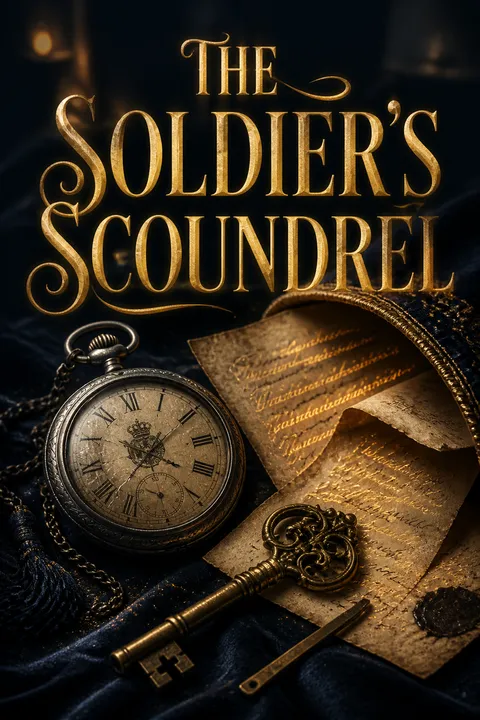
Secrets Above the Dress Shop
Jack Turner, a former servant turned fixer, operates his clandestine business from a room above his sister Sarah's dress shop. He solves problems for women and those overlooked by the law, using skills honed from a rough upbringing. Jack's world is one of secrets, class resentment, and a fierce desire for independence. His sister Sarah, practical and sharp, manages the shop below, providing Jack with a veneer of respectability. Their relationship is marked by mutual care and the shared trauma of their past. Jack's work is both a rebellion against the upper classes and a means of survival, but it leaves him isolated, angry, and wary of trust. The arrival of a new client signals the start of a case that will upend his carefully controlled life.
The Gentleman's Interrogation
Oliver Rivington, a wounded ex-soldier and the son of an earl, storms into Jack's office, demanding answers about his sister's dealings with Jack. Rivington's polished manners clash with Jack's bluntness, but beneath the surface, both men recognize something familiar—and dangerous—in each other. Rivington's suspicion is fueled by class prejudice and a protective instinct for his family, but he's also drawn to Jack's confidence and mystery. Their verbal sparring is laced with tension, both sexual and social. Jack, meanwhile, is amused and irritated by Rivington's intrusion, but he senses a kindred spirit beneath the aristocratic exterior. This first encounter sets the stage for a reluctant partnership and a slow-burning attraction.
Blackmail and Broken Trust
Mrs. Wraxhall, a nervous young woman, seeks Jack's help after being blackmailed over stolen love letters from her youth. The case is complicated by her social standing and the secrecy required to protect her reputation. Rivington, still skeptical, witnesses Jack's professionalism and begins to question his own assumptions. The investigation exposes the vulnerability of women in a rigid society and the lengths they must go to protect themselves. Jack's empathy for Mrs. Wraxhall is tempered by his cynicism, but he's determined to help her. Rivington's sense of justice is challenged by Jack's methods, and he's forced to confront the limitations of the law he once served. The case draws both men deeper into each other's orbits.
Unlikely Allies
As the investigation progresses, Jack and Rivington find themselves working together, despite mutual distrust. Rivington's sense of duty and Jack's streetwise pragmatism create a dynamic tension. Their backgrounds—one shaped by privilege, the other by hardship—clash and complement each other. Rivington's injury and vulnerability elicit Jack's reluctant compassion, while Jack's resourcefulness impresses Rivington. The two men begin to share confidences, and their banter becomes more intimate. The boundaries between professional collaboration and personal connection blur, setting the stage for deeper emotional entanglement. Both are forced to reconsider their prejudices and the roles they play in a society that would condemn their growing attraction.
Crossing Boundaries
The investigation leads Jack and Rivington into London's underbelly and the drawing rooms of the elite. Their partnership becomes increasingly personal, marked by moments of vulnerability and longing. Jack's guarded nature is tested by Rivington's honesty, while Rivington is drawn to Jack's strength and integrity. Their physical attraction simmers beneath the surface, erupting in moments of passion and tenderness. The risks of discovery—both as lovers and as conspirators—heighten the stakes. Each man must decide how much of himself he's willing to reveal, and what he's willing to risk for the other. The boundaries between duty, desire, and survival become dangerously thin.
Dangerous Affections
Jack and Rivington's relationship deepens as they travel north to investigate Mrs. Wraxhall's past. The journey strips away their defenses, exposing fears, hopes, and the scars of war and poverty. In the intimacy of shared hardship, they find solace and understanding. Their love is both a refuge and a source of new vulnerability, as the threat of exposure looms. The investigation uncovers secrets about Mrs. Wraxhall's marriage and the true nature of the blackmail, mirroring Jack and Rivington's own struggles with honesty and trust. The men must navigate not only external dangers but also the internal battles of shame, pride, and the longing for acceptance.
Into the Shadows
In Mrs. Wraxhall's childhood village, Jack and Rivington uncover the tangled web of her past. They interview old acquaintances, servants, and family, piecing together the truth behind the stolen letters. The investigation reveals the complexities of class, ambition, and the compromises women make to survive. Jack's skills as an observer and outsider prove invaluable, while Rivington's social standing opens doors. Their partnership is tested by jealousy, misunderstandings, and the ever-present threat of violence. The rural setting, with its beauty and isolation, becomes a crucible for their relationship, forcing them to confront what they truly want from each other and from life.
Yorkshire Revelations
The investigation reaches a turning point as Jack and Rivington discover that Mrs. Wraxhall's marriage was built on secrets and desperation. The stolen letters were not just tokens of youthful indiscretion but weapons in a battle for autonomy and safety. The real blackmailer is unmasked, and the motives behind the crime are revealed to be more complex than anyone imagined. Jack and Rivington's own secrets threaten to surface, as their intimacy deepens and the consequences of their actions become clear. The resolution of the case forces both men to reckon with the costs of honesty, loyalty, and love in a world that punishes difference.
Graveyard Confessions
In a moonlit graveyard, Jack confronts Rivington with the truths he's deduced about his loneliness and fears. The confrontation is raw and wounding, stripping away the last of their defenses. Rivington, pushed to his limits, responds with anger and vulnerability, leading to a moment of physical and emotional catharsis. Both men are forced to acknowledge the depth of their feelings and the pain of their pasts. The graveyard becomes a place of confession and, ultimately, forgiveness, as they begin to imagine a future together. The scene marks a turning point in their relationship, where love becomes possible despite the risks.
Tangled Loyalties
Returning to London, Jack and Rivington are confronted by the demands of family and society. Rivington's father, the Earl of Rutland, tries to buy Jack off, exposing the class divide that still separates the lovers. Jack's pride and Rivington's sense of honor are tested as they navigate the expectations of their respective worlds. The aftermath of the Wraxhall case brings new dangers, including the suspicious death of Lady Montbray's husband. Jack's skills are called upon once more, but the investigation threatens to tear him and Rivington apart. Loyalties are tested, and both men must decide where their true allegiances lie.
The Price of Justice
The death of Montbray throws Jack and Rivington into a new crisis. Suspicion falls on those closest to the victim, and the boundaries between justice and vengeance blur. Jack's willingness to operate outside the law clashes with Rivington's desire for order and fairness. The investigation exposes the limits of the legal system and the necessity of taking action when the law fails. Jack's own life is put at risk, and Rivington is forced to confront the possibility of losing the man he loves. The cost of justice is measured not only in blood but in the willingness to accept imperfection and ambiguity.
A House Divided
The aftermath of the case leaves Jack and Rivington estranged, each grappling with guilt, shame, and longing. Rivington attempts to ruin his own reputation to bridge the gap between their worlds, while Jack retreats into old habits of self-protection. Both men are haunted by the fear that love is impossible for people like them. Their friends and family offer support and advice, but ultimately, Jack and Rivington must decide for themselves whether to risk everything for a chance at happiness. The struggle to reconcile love and self-worth becomes the central conflict of their story.
The Fall of Montbray
The truth behind Montbray's death is revealed: it was an act of desperate self-defense by a woman protecting her friend. Jack and Rivington, each in their own way, help cover up the crime, choosing compassion over strict adherence to the law. The resolution brings relief but also a reckoning with the compromises they've made. Rivington confesses his own wartime sins, finding understanding and forgiveness in Jack's acceptance. The experience cements their bond, proving that love can survive even the darkest secrets. The chapter closes with the possibility of redemption and a new beginning.
Aftermath and Accusations
Rivington, determined to prove his love for Jack, deliberately ruins his own reputation, severing ties with the aristocracy. Jack, meanwhile, orchestrates a scheme to help Mrs. Wraxhall reclaim her place in society, enlisting his sister Sarah's help. Both men take bold steps to create a life together, defying the expectations of their class and peers. The process is painful and fraught with uncertainty, but it also brings liberation and joy. The courage to change, to risk everything for love, becomes the ultimate act of defiance and hope.
The Cost of Love
Jack and Rivington reunite after a period of separation, each having proven their willingness to sacrifice for the other. Their reunion is passionate and tender, marked by mutual respect and understanding. They negotiate the terms of their new life together, balancing independence with intimacy. The challenges of blending their worlds—class, money, reputation—are acknowledged but no longer insurmountable. Their love, forged in adversity, becomes a source of strength and comfort. The chapter ends with the promise of a shared future, built on trust, honesty, and the hard-won knowledge that they are enough for each other.
Ruin and Redemption
Jack and Rivington establish a home, blending their lives and resources. They find satisfaction in the ordinary pleasures of domesticity—shared meals, quiet evenings, the comfort of each other's presence. Their work continues, helping those in need and challenging the injustices of their world. The scars of their pasts remain, but they are no longer defined by them. Instead, they are partners, equals, and lovers, committed to facing whatever challenges come their way. The story closes with a sense of hard-earned peace and the knowledge that, together, they have created something lasting and true.
A New Arrangement
Jack and Rivington's relationship, once fraught with danger and uncertainty, becomes a source of joy and stability. They support each other's work, share their burdens, and celebrate their victories. Their home becomes a haven for themselves and their chosen family. The acceptance they find in each other allows them to accept themselves, flaws and all. The world remains imperfect, but their love endures, a quiet rebellion against the forces that would keep them apart. The final chapter is a testament to the power of love to heal, transform, and redeem.
Happily Ever After?
Jack and Rivington, having overcome the obstacles of class, prejudice, and their own fears, look to the future with hope. Their story is not one of fairy-tale perfection, but of real, hard-won happiness. They continue to fight for justice, to care for each other, and to build a life that defies convention. The question mark in the chapter title acknowledges that happiness is never guaranteed, but is instead something to be chosen and fought for every day. Their love, imperfect and enduring, is the answer to the question of whether happily ever after is possible for men like them.
Analysis
A modern queer romance that interrogates power, class, and loveThe Soldier's Scoundrel is more than a historical romance; it is a nuanced exploration of the intersections between class, sexuality, and justice in Regency England. Cat Sebastian uses the conventions of the genre to subvert expectations, centering a love story between two men who must navigate not only the dangers of their attraction but also the rigid hierarchies that seek to keep them apart. The novel's central mystery is both a plot device and a metaphor for the secrets that define—and threaten—its characters. Through Jack and Oliver's journey, the book interrogates the meaning of honor, the limits of the law, and the possibility of redemption. The story's resolution is both realistic and hopeful, acknowledging the ongoing challenges faced by queer people and those who live outside the bounds of respectability. Ultimately, The Soldier's Scoundrel is a celebration of love's power to heal, transform, and create new possibilities, even in the most unwelcoming of worlds.
Review Summary
Characters
Jack Turner
Jack Turner is a self-made man, born into poverty and crime, who has clawed his way to a precarious respectability as a fixer for London's desperate and overlooked. His intelligence, resourcefulness, and deep sense of justice are tempered by cynicism and a profound mistrust of the upper classes. Jack's relationship with his siblings, especially his sister Sarah, grounds him, but he remains emotionally guarded. His attraction to Oliver Rivington challenges his self-image and forces him to confront his own capacity for vulnerability and love. Jack's journey is one of learning to trust, to accept help, and to believe that he is worthy of happiness. His development is marked by a gradual softening, as he allows himself to hope for a future beyond mere survival.
Oliver Rivington
Oliver Rivington is the younger son of an earl, a former army captain wounded in body and spirit. His sense of duty and justice is shaped by privilege but also by the horrors he witnessed in war. Oliver is both charming and deeply lonely, struggling to find purpose in peacetime. His attraction to Jack Turner is both a rebellion against his upbringing and a fulfillment of long-suppressed desires. Oliver's journey is one of self-discovery, as he learns to question the values he was raised with and to embrace a love that defies convention. His willingness to risk reputation, fortune, and family for Jack is both courageous and transformative. Oliver's development is marked by increasing self-acceptance and the courage to build a life on his own terms.
Sarah Turner
Sarah is Jack's older sister and the owner of the dress shop that serves as the front for Jack's business. She is pragmatic, sharp-tongued, and fiercely loyal to her family. Sarah's own journey from poverty to respectability mirrors Jack's, but she is more willing to play by society's rules. Her relationship with Jack is complex, marked by both affection and frustration. Sarah serves as Jack's conscience and confidante, offering advice and support even as she worries about the risks he takes. Her presence in the story highlights the importance of chosen family and the quiet heroism of survival.
Georgie Turner
Georgie is Jack's younger brother, a chameleon who moves easily between social classes. He is witty, flamboyant, and unashamedly opportunistic. Georgie's ability to reinvent himself is both a survival strategy and a source of tension with Jack, who envies and resents his brother's ease. Georgie provides comic relief and practical assistance, but his own struggles with identity and belonging mirror Jack's. His presence in the story underscores the theme of self-invention and the costs of living on the margins.
Mrs. Wraxhall (Lydia)
Lydia Wraxhall is a young woman whose past indiscretions make her vulnerable to blackmail. Her marriage, built on compromise and secrecy, reflects the limited options available to women of her class. Lydia's desperation leads her to Jack, and her courage in seeking help is both admirable and tragic. Her story is one of survival, guilt, and the longing for agency. Lydia's actions—both her mistakes and her attempts to make amends—highlight the complexities of morality in a world that offers few good choices.
Oliver's Father, the Earl of Rutland
The Earl of Rutland is a formidable presence, embodying the values and prejudices of the aristocracy. His attempts to control Oliver's life, including offering Jack money to stay away, reveal both his love for his son and his inability to accept difference. The earl's actions force Oliver to choose between family and love, and his disapproval is a constant threat to the lovers' happiness. He represents the societal forces that seek to maintain the status quo at any cost.
Lady Charlotte Montbray
Charlotte is Oliver's sister, trapped in a violent marriage and forced to seek Jack's help to escape. Her intelligence and humor mask deep wounds, and her loyalty to her family is both a strength and a vulnerability. Charlotte's journey from victim to survivor is a testament to the power of female solidarity and the importance of agency. Her relationship with Oliver is affectionate but complicated by secrets and the demands of propriety.
Anne Sutherland
Anne is Charlotte's companion and confidante, a woman of limited means but great strength. Her willingness to risk everything to protect Charlotte, including committing murder in self-defense, is both shocking and deeply moving. Anne's story highlights the dangers faced by women in a patriarchal society and the moral ambiguities of survival. Her friendship with Charlotte is a model of female support and resilience.
Mrs. Durbin
Mrs. Durbin is Lydia Wraxhall's mother, a woman who has clawed her way up the social ladder and is determined to protect her daughter at any cost. Her actions—stealing the letters, attempting to shoot Oliver—are driven by a fierce maternal instinct and a pragmatic understanding of the world's dangers. Mrs. Durbin's presence in the story underscores the theme of family loyalty and the lengths to which people will go to protect those they love.
Francis Wraxhall
Francis is Lydia's husband, a man ill-equipped to navigate the complexities of marriage and society. His discovery of the letters and his inability to confront his wife reveal both his decency and his weakness. Francis's story is one of disappointment and resignation, but also of quiet endurance. His character serves as a foil to Jack and Oliver, highlighting the costs of inaction and the dangers of repression.
Plot Devices
Dual Protagonists and Alternating Perspectives
The novel alternates between Jack and Oliver's points of view, allowing readers to experience the story through the eyes of both a working-class fixer and an aristocratic ex-soldier. This structure highlights the differences in their backgrounds, values, and worldviews, while also revealing their shared vulnerabilities. The dual perspective deepens the emotional resonance of their relationship and provides insight into the social dynamics of Regency England.
Mystery and Investigation
The central mystery of the stolen letters and the ensuing blackmail provides the narrative engine for the story. The investigation serves as a catalyst for character development, forcing Jack and Oliver to confront their own secrets and prejudices. The case is intricately plotted, with red herrings, false leads, and unexpected revelations. The resolution of the mystery is both satisfying and thematically rich, tying together the personal and political stakes of the novel.
Class Conflict and Social Critique
The novel is deeply concerned with the rigid hierarchies of Regency society and the ways in which class shapes identity, opportunity, and desire. Jack's resentment of the upper classes and Oliver's struggle to reconcile privilege with justice are central to the story. The plot repeatedly foregrounds the limitations and dangers of crossing class boundaries, while also celebrating the possibility of connection and solidarity across those divides.
Slow-Burn Romance and Emotional Intimacy
The romance between Jack and Oliver is a slow burn, marked by moments of longing, misunderstanding, and gradual revelation. Their physical relationship is both passionate and tender, but it is the emotional intimacy they develop that gives the story its heart. The obstacles to their happiness—internal and external—are real and daunting, but their willingness to risk vulnerability is ultimately transformative.
Moral Ambiguity and Justice
The novel repeatedly challenges the idea of clear-cut morality, especially in a world where the law often fails to protect the vulnerable. Jack's willingness to operate outside the law is contrasted with Oliver's desire for order and fairness. The resolution of the central mystery, and the handling of Montbray's death, force both men to confront the limits of justice and the necessity of compassion. The story refuses easy answers, instead embracing the complexity of real-life choices.
Found Family and Chosen Community
The importance of chosen family—Sarah, Georgie, Charlotte, Anne—is a recurring motif. These relationships provide support, advice, and a sense of belonging that the protagonists cannot find in traditional structures. The novel celebrates the resilience and resourcefulness of those who build their own communities in the face of exclusion and danger.
Download PDF
Download EPUB
.epub digital book format is ideal for reading ebooks on phones, tablets, and e-readers.








































