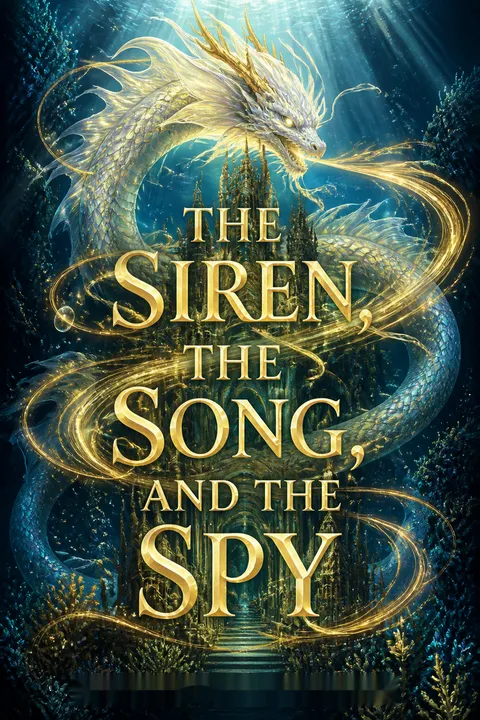

Plot Summary
Shipwrecked and Surviving
Genevieve, once a loyal servant to the Lady Ayer, finds herself washed up on the Red Shore after a devastating battle at sea. Disoriented and sunburnt, she is haunted by memories of her mentor's death and the collapse of the Imperial fleet. Her survival instincts, honed by Lady Ayer's training, kick in as she encounters Koa, a gentle Wariuta warrior, and his hyena familiar. Mistaking Koa for a threat, Genevieve's desperation leads to a tense standoff. The arrival of Kaia, Koa's fierce sister, escalates the situation, but Koa's compassion prevails, and Genevieve is taken prisoner rather than killed. This encounter marks the beginning of Genevieve's journey into a world where trust is scarce, and every alliance is fraught with danger and misunderstanding.
Bonds of Blood and Betrayal
In Quark, Thistle and her best friend Dai navigate the complexities of adolescence under Imperial rule. Their families' hopes for their union are overshadowed by the discovery of a hidden cache of illegal guns, hinting at the resurgence of the Resistance. Thistle's home, a guesthouse catering to Imperials, becomes a microcosm of colonial tension, where survival depends on discretion and adaptability. The arrival of the enigmatic Lady Minami (later revealed as Lady Ayer) brings both opportunity and suspicion. Thistle's loyalty is tested as she is drawn into a web of secrets, forced to choose between her family's safety and the allure of power and belonging offered by the Empire.
The Guesthouse's Secrets
Lady Minami's presence unsettles Thistle and her mother, Mrs. Vo, who harbors her own clandestine ties to the Resistance. A clandestine visit to the family's forbidden shrine reveals the depth of their cultural and personal losses under colonization. Lady Minami's subtle probing and shared secrets blur the lines between oppressor and ally, while Thistle's accidental betrayal of Dai's trust sets in motion a chain of events that will have fatal consequences. The guesthouse becomes a crucible where personal and political identities are forged and tested, foreshadowing the greater betrayals and reckonings to come.
Warriors and Familiars
Koa and Kaia, siblings and warriors of the Wariuta, embody contrasting responses to colonization. Koa's gentle nature and affinity with his hyena Tupac set him apart from the martial expectations of his people, while Kaia's ferocity masks her fear of leadership and loss. Their mother, Ica, is a legendary leader burdened by past violence and the impossible choices of resistance. The Wariuta's bond with their animal familiars symbolizes their connection to land and tradition, even as they are forced to adapt to new threats. The arrival of Genevieve, a living symbol of the Empire, forces the siblings to confront their own values and the limits of mercy.
The Siren's Song
At a hidden oasis, Koa introduces Genevieve to Lilith, a banished siren whose song is deadly to all but the "unwanting." The siren's presence is both a threat and a mirror, exposing the vulnerabilities and desires of those around her. Genevieve's immunity to the siren's song marks her as an outsider even among outsiders, while Koa's compassion for Lilith reveals his capacity for empathy beyond tribal boundaries. The siren's story of exile and betrayal echoes the larger themes of displacement and the costs of love, setting the stage for the magical and political alliances that will shape the fate of the world.
The Price of Peace
The Wariuta, led by Ica, are forced to negotiate with the Imperial Commander Callum, who offers gifts of deadly alchemy and mermaid's blood in exchange for peace and access to their land. Genevieve serves as translator and intermediary, her shifting loyalties reflecting the precariousness of all alliances. The Wariuta's internal council debates the merits of resistance versus accommodation, with Kaia advocating for war and Ica, haunted by visions in the Canyon of the Moon, choosing a path of reluctant compromise. The fragile peace is a prelude to betrayal, as the Empire's true intentions are revealed in blood.
The Lady's Apprentice
Thistle's apprenticeship to Lady Ayer transforms her from an innkeeper's daughter into a cunning operative. Under Lady Ayer's tutelage, Thistle learns the arts of deception, surveillance, and self-reinvention. Her intelligence and adaptability make her invaluable, but also isolate her from her past and her family. The discovery of the Resistance's gun caches and the subsequent Imperial crackdown force Thistle to confront the costs of her ambition. Her mother's revelation of her own Resistance ties and the tragic fallout from Thistle's actions underscore the personal toll of political struggle.
The Canyon of the Moon
Kaia and Ica's journey to the sacred Canyon of the Moon is both a rite of passage and a reckoning. Through ritual and vision, Kaia confronts her fears of inadequacy and the inevitability of loss. Ica's acceptance of her own mortality and her insistence on coalition over vengeance challenge Kaia's understanding of strength and sacrifice. The canyon's eternal fire and the wisdom of the ancestors serve as reminders that leadership is as much about restraint and humility as it is about courage. The lessons learned here will shape the Wariuta's response to the coming catastrophe.
The Resistance Awakens
Across the colonies, the Resistance stirs. Thistle's intelligence leads to the exposure and destruction of the gun caches, resulting in arrests and executions that fracture communities and families. The Lady Ayer's true identity and mission are revealed, and Thistle is forced to choose between her mother and her mentor. The Resistance's network of alliances—pirates, witches, warriors, and widows—begins to coalesce, even as the Empire's grip tightens. The personal becomes political, and the lines between heroism and betrayal blur as the stakes rise.
The Emperor's Gifts
In the heart of the Empire, the Emperor's court is a theater of cruelty and decadence. The use of mermaid's blood as both weapon and commodity exemplifies the Empire's willingness to exploit the magical and the marginalized for its own ends. Spies and double agents, including Alfie and the Pirate Supreme's operatives, navigate a labyrinth of intrigue and danger. The Emperor's indifference to suffering and the machinations of his commanders foreshadow the collapse of the old order. The palace becomes both a prison and a battleground, where the fate of nations will be decided.
The Massacre at Yunka
The Wariuta's trust in the promise of peace is repaid with treachery. Commander Callum's forces, aided by traitors within, massacre the assembled leaders and their families, burning Yunka to the ground. Koa and Genevieve escape with a handful of orphaned children, while Kaia is captured and taken to the Imperial palace as a trophy. The scale of the atrocity devastates survivors and galvanizes the Resistance. The massacre is a turning point, stripping away illusions and forcing even the most reluctant to choose sides in the coming war.
The Spy in the Palace
Alfie, now a spy in the Emperor's palace, navigates a world of luxury and terror. His relationships with Keiko, the nurse, and the other servants are fraught with secrets and danger. The execution of a princess and the tightening of security reveal the Empire's desperation and brutality. Alfie's own survival depends on his ability to deceive and adapt, but the moral cost of his actions weighs heavily. The palace becomes a microcosm of the larger conflict, where every act of kindness or betrayal has far-reaching consequences.
The Pirate Supreme's Call
The Pirate Supreme, haunted by their bond with the Sea and their lost love Xenobia, calls together the disparate factions of the Resistance. Magical and mundane leaders alike converge on the Forbidden Isles, forging alliances and sharing intelligence. The memory of the banished mermaid and the promise of the First Dragon become central to the Resistance's hopes. The Supreme's personal sacrifices and the rekindling of old bonds with Xenobia underscore the theme that true power lies in connection and collective action. The stage is set for a final confrontation that will determine the fate of the world.
The Dragon's Memory
Florian and Evelyn, transformed into mermaids, journey to the deepest trenches of the Sea to seek the First Dragon. Their love and courage are tested as they confront the enormity of the dragon's grief and the cyclical nature of human violence. The dragon's song, a force beyond magic or weaponry, is revealed as the key to breaking the Empire's hold. The dragon's willingness to intervene is not a promise of vengeance, but of reckoning—a reminder that true justice is both collective and deeply personal. The Resistance's hopes now rest on the power of memory and the willingness to change.
The Reckoning of Crandon
The Resistance's assault on Crandon is a symphony of chaos and courage. The palace falls amid fire and blood, and the Emperor is killed by his own commander. The Pirate Supreme is mortally wounded, and Xenobia's grief unleashes the Sea's fury, drowning the city in a tidal wave. The First Dragon's arrival brings a reckoning that is both magical and moral: every survivor is forced to confront the pain they have caused and suffered. The song is not vengeance, but a demand for remembrance and transformation. The Empire's legacy is shattered, and the survivors are left to rebuild from the ruins.
The End of Empire
As the waters recede and the dead are buried, the survivors of Crandon and the Resistance reckon with their losses and their guilt. The Pirate Supreme's death and Xenobia's sacrifice mark the end of an era. The Wariuta, now led by Kaia and Koa, offer sanctuary to the orphaned and dispossessed, including the former princesses and their nurse Keiko. Thistle, now reconciled with her mother, chooses to remain with the pirates, dedicating herself to preventing future atrocities. The Sea, forever changed, begins the slow work of healing, even as new dangers and divisions emerge.
New Names, New Worlds
Fifteen years later, the world is transformed but not healed. Alfie, now a humble noodle vendor, finds peace in small acts of kindness, even as old hatreds persist. The survivors of the Resistance, the Wariuta, and the former Empire forge new identities and communities, shaped by the memory of what was lost and what was won. The Sea, the First Dragon, and the mermaids watch over a world that is forever in flux, where the cycle of violence and redemption continues. The story ends not with closure, but with the promise that as long as there are those who remember and strive for justice, hope endures.
Analysis
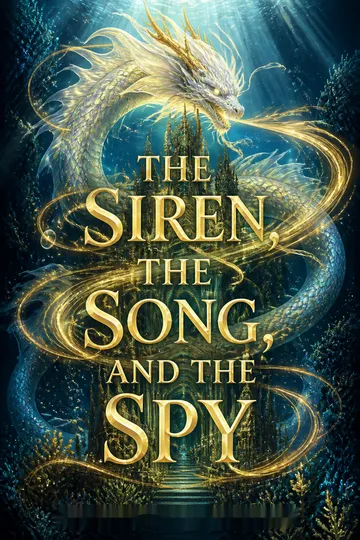
Maggie Tokuda-Hall's The Siren, the Song, and the Spy is a sweeping, emotionally charged epic that interrogates the legacies of colonialism, the costs of resistance, and the transformative power of memory and love. Through a tapestry of interwoven narratives, the novel explores how individuals and communities navigate the trauma of oppression, the seduction of power, and the longing for justice. The use of magical realism—mermaids, witches, dragons—serves not as escapism, but as a means of grappling with the psychological and cultural wounds inflicted by empire. The novel's greatest strength lies in its refusal to offer easy answers: every act of rebellion is fraught with moral ambiguity, every victory is shadowed by loss. The dragon's song, a reckoning rather than a vengeance, forces survivors and readers alike to confront the pain they have caused and suffered. Yet, the story is ultimately hopeful: it insists that change is possible, that new worlds can be built from the ruins of the old, and that the act of remembering—of bearing witness to both suffering and resilience—is itself a form of resistance. In a world still haunted by the ghosts of empire, Tokuda-Hall's novel is a powerful reminder that the struggle for justice is ongoing, and that the future belongs to those who dare to imagine it anew.
Review Summary
The Siren, the Song, and the Spy received mostly positive reviews, with readers praising its diverse characters, complex themes, and engaging storylines. Many appreciated the expansion of the world and characters from the first book. Some felt the multiple POVs and pacing were challenging, while others found them well-executed. Themes of colonialism, resistance, and moral complexity were highlighted. The ending was divisive, with some finding it rushed or heavy-handed, while others felt it was satisfying. Overall, readers found it a worthy sequel that tackled important issues in a fantastical setting.
People Also Read
Characters
Genevieve / Thistle
Genevieve, born Thistle Vo, is the emotional heart of the novel—a survivor, spy, and apprentice whose journey from Quark to Crandon mirrors the transformation of the colonized into the colonizer's tool and, ultimately, a rebel. Raised in a guesthouse catering to Imperials, she is shaped by both her mother's secret Resistance ties and the seductive mentorship of Lady Ayer. Her intelligence and adaptability make her a formidable operative, but her longing for belonging and approval leaves her vulnerable to manipulation. Genevieve's arc is one of painful self-discovery: she must confront the consequences of her actions, the cost of her ambition, and the meaning of loyalty. Her reconciliation with her mother and her choice to reclaim her original name, Thistle, symbolize the possibility of healing and agency even after profound betrayal.
Koa
Koa is the son of Ica, heir to the Wariuta, and brother to Kaia. Large, kind, and often underestimated, he embodies the tension between cultural expectations of masculinity and his own compassionate nature. His bond with his hyena familiar, Tupac, reflects his deep connection to tradition and community, even as he struggles with feelings of inadequacy. Koa's refusal to embrace violence, even in the face of atrocity, is both his greatest strength and his deepest vulnerability. His role as protector of the orphaned children and his friendship with Genevieve highlight the novel's themes of mercy, forgiveness, and the possibility of building new forms of kinship in the aftermath of loss.
Kaia
Kaia, Koa's sister and Ica's chosen heir, is a one-handed warrior whose ferocity masks a profound fear of failure and abandonment. Her relationship with her familiar, Chima, and her rivalry with Koa reveal her struggle to balance strength with compassion. Kaia's journey is marked by trauma—the murder of her father, the massacre at Yunka, and her own captivity in the Imperial palace. Her eventual embrace of leadership, tempered by the lessons of the Canyon of the Moon and her mother's wisdom, signals a new vision for the Wariuta: one that values coalition, resilience, and the hard-won wisdom of survival.
The Fist / Mrs. Vo
Mrs. Vo, known as the Fist within the Resistance, is a complex figure whose dual identities as innkeeper and insurgent shape the novel's exploration of secrecy, sacrifice, and maternal love. Her relationship with Thistle is fraught with misunderstanding and pain, but ultimately grounded in a shared commitment to justice. The Fist's leadership is pragmatic and uncompromising, forged in the crucible of loss and betrayal. Her willingness to forgive, to teach, and to fight for a better world makes her both a symbol of hope and a reminder of the costs of resistance.
Lady Ayer / Lady Minami
Lady Ayer, operating under the guise of Lady Minami, is the Empire's greatest spy and Genevieve's mentor. Charismatic, cunning, and ruthless, she embodies the seductive power of the Empire and the dangers of ambition unchecked by empathy. Her mentorship of Genevieve is both empowering and exploitative, offering the illusion of agency while binding her apprentice to the machinery of oppression. Lady Ayer's death is a pivotal trauma for Genevieve, catalyzing her transformation from tool to rebel. Her legacy is ambiguous: she is both a cautionary tale and a testament to the complexity of survival under tyranny.
Rake
Rake is the Pirate Supreme's trusted operative, a man marked by violence, loss, and a complicated sense of honor. His actions—killing Lady Ayer, mentoring Alfie, and serving the Resistance—are driven by a desire for redemption and belonging. Rake's relationship with Thistle's mother and his surrogate fatherhood to Alfie and Florian reveal his capacity for love and his struggle with guilt. His inability to protect those he cares for, and his role in the final reckoning, underscore the novel's themes of responsibility, forgiveness, and the limits of atonement.
The Pirate Supreme / Kwizera
The Pirate Supreme, once Kwizera of Tustwe, is the architect of the Resistance's coalition and the Sea's chosen champion. Their identity is fluid—neither fully man nor woman, neither wholly human nor mythic. Haunted by lost love (Xenobia) and the burden of stewardship, the Supreme's journey is one of sacrifice and longing. Their death, and the merging of their blood with Xenobia's, unleashes the Sea's final reckoning. The Supreme's legacy is one of hope: the belief that collective action, memory, and love can break the cycle of violence.
Xenobia
Xenobia, once the Supreme's lover and now a powerful witch, is both a source of wisdom and a catalyst for change. Her magic is rooted in memory, pain, and the willingness to pay any price for those she loves. Xenobia's relationship with the Supreme is marked by betrayal and reconciliation, mirroring the larger themes of the novel. Her final act—sacrificing herself to resurrect the Supreme as a mermaid—embodies the novel's belief in the redemptive power of love and the necessity of letting go.
Alfie
Alfie, a former street urchin and pirate, becomes a spy in the Emperor's palace, torn between self-preservation and loyalty to the Resistance. His relationships with Keiko, Rake, and his lost sister Flora reveal his longing for connection and his fear of abandonment. Alfie's actions—protecting the Crown Prince, betraying the Supreme, and ultimately choosing mercy—highlight the novel's exploration of moral ambiguity and the possibility of change. His humble life as a noodle vendor in the aftermath of the Empire's fall is a testament to the value of small acts of kindness in a broken world.
The First Dragon
The First Dragon is both a character and a symbol: the embodiment of the Sea's memory, the cycle of violence and redemption, and the possibility of true justice. Her song is not vengeance, but a demand for remembrance and transformation. She is both terrifying and compassionate, a reminder that the world is shaped by forces beyond human understanding, but also by the choices of individuals. The dragon's intervention marks the end of the Empire and the beginning of a new, uncertain era.
Plot Devices
Duality of Identity and Transformation
The novel's structure is built on the fluidity of identity: Thistle becomes Genevieve and then reclaims her name; the Fist is both mother and revolutionary; the Pirate Supreme is both human and mythic. This device allows for deep psychological exploration and underscores the theme that survival under oppression requires adaptability, but also exacts a cost. The act of renaming is both a loss and a reclamation, a way to assert agency in a world determined to erase it.
Magical Realism and Collective Memory
The presence of mermaids, sirens, witches, and the First Dragon infuses the narrative with a sense of wonder and danger. Magic is not an escape from reality, but a means of confronting it: the siren's song exposes hidden desires; the dragon's song forces a reckoning with guilt and loss. The Sea's memory, fragmented and restored, mirrors the collective trauma of colonization and the struggle to remember and honor the past. The magical elements serve as both plot catalysts and symbols of the psychological and cultural forces at play.
Interwoven Narratives and Multiperspectivity
The novel employs a shifting point of view, moving between Genevieve, Koa, Kaia, Thistle's mother, Rake, Alfie, the Pirate Supreme, and others. This structure allows for a nuanced exploration of the interconnectedness of personal and political struggles. The interludes from the Sea and the First Dragon provide a mythic counterpoint to the human drama, situating individual choices within a larger, cyclical history. The use of letters, visions, and songs as narrative devices deepens the sense of a world shaped by both memory and imagination.
Foreshadowing and Cyclical Structure
The novel is rich in foreshadowing: visions in the Canyon of the Moon, the recurring motif of the dragon's song, and the Sea's warnings all hint at the coming catastrophe. The cyclical nature of violence and redemption is made explicit in the dragon's reflections and the Sea's lament. Yet, the narrative also insists on the possibility of breaking the cycle—through coalition, memory, and acts of mercy. The ending, set fifteen years later, suggests that while history may repeat, each generation has the chance to choose differently.
The Mermaid, the Witch, and the Sea Series
Download PDF
Download EPUB
.epub digital book format is ideal for reading ebooks on phones, tablets, and e-readers.








































