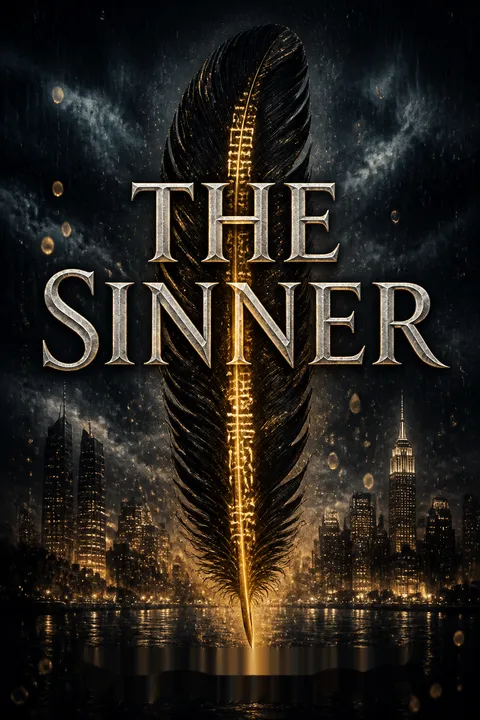

Plot Summary
A Demon in Manhattan
Lucy Dennings, a shy, lonely young woman in New York, stumbles upon a naked, winged man in the trash-strewn lot outside her tiny Hell's Kitchen apartment. The man, Casziel, is not human—he's a demon, wounded and desperate, with a mysterious past and a plea for help. Lucy, haunted by her own grief and longing for connection after her father's death, is drawn to Casziel's vulnerability and otherworldly presence. Despite her fear, she brings him into her home, setting off a chain of events that will force her to confront not only the supernatural but also the demons within herself. Their fateful meeting is the spark that ignites a journey of redemption, love, and self-discovery.
The Pact and the Past
Casziel reveals that he has only eleven days on Earth to seek redemption for his countless sins as a demon. He needs Lucy's help to find his way "back into the light." Lucy, skeptical but moved by his pain and the strange connection she feels, reluctantly agrees. As they talk, Casziel's knowledge of her life and her late father's words unsettle her, hinting at a deeper bond. Lucy's compassion and willingness to help, despite her own insecurities, set the stage for a partnership that is both dangerous and transformative. The pact they form is not just about saving Casziel's soul, but about awakening Lucy's courage and sense of purpose.
Wings, Scars, and Cereal
Casziel, now in human form, becomes Lucy's awkward houseguest, devouring cereal and revealing glimpses of his true nature. He explains the workings of demons, their influence on human weakness, and the voices—Deb and K—that have plagued Lucy's self-worth. Their conversations are laced with humor, tension, and growing intimacy. Lucy learns that Casziel was once a human warrior, now a commander of wrath among demons. The scars on his body are both literal and metaphorical, marking centuries of pain and violence. As Lucy's empathy deepens, so does her sense that their connection is not new, but ancient and unfinished.
Bargains with the Damned
Casziel's time on Earth is governed by a brutal bargain with his demonic superior, Ashtaroth. Each day, Casziel must pay in blood and pain, his arm marked with fresh wounds as a reminder of his servitude. In the demon tavern Idle Hands, Casziel faces Ashtaroth's threats and the scorn of his peers, all while hiding his true intentions. He is haunted by memories of a lost love and a past life, and by the knowledge that his redemption may be impossible. The stakes are raised as Lucy becomes a target for other demons, and Casziel's struggle to protect her intensifies, even as he tries to keep his distance.
Dreams of Other Lives
Lucy is plagued by vivid dreams of ancient times—Japan, Russia, and most powerfully, Sumeria—where she experiences the lives of women who feel like herself, always watched over by a mysterious protector. These dreams are more than fantasy; they are echoes of past lives and lost love. As Lucy and Casziel grow closer, the boundaries between dream and memory blur. Lucy's courage grows as she begins to stand up for herself at work and in life, inspired by Casziel's belief in her. The sense that their souls are entwined across centuries becomes undeniable, even as both resist the truth.
The Plan for Redemption
To help Casziel earn redemption, Lucy devises a plan: they will pretend to be a couple to make her long-time crush, Guy, notice her. The "fake relationship" trope from her beloved romance novels becomes their strategy, but the lines between pretense and reality quickly blur. Casziel's jealousy and protectiveness are more than an act, and Lucy's feelings for him deepen with every touch and glance. As they navigate office politics, social outings, and the skepticism of friends, Lucy's confidence blossoms. Yet, the plan's success is complicated by the growing realization that what she truly wants is not Guy, but Casziel.
Rivalries and Roses
Casziel's rivalry with Guy intensifies, both men vying for Lucy's attention. Casziel's gestures—roses, chivalry, and unwavering support—contrast with Guy's obliviousness and eventual interest. Lucy, transformed by a makeover and emboldened by Casziel's faith in her, becomes the center of attention at work and social events. Yet, the more she tries to follow the plan, the more she is torn between fantasy and reality. Casziel's pain and self-loathing deepen as he believes he cannot be redeemed or loved. The tension between them simmers, threatening to boil over as the days count down.
Haunted Hearts and Games
The supernatural intrudes on their lives in terrifying ways: swarms of flies, demonic apparitions, and haunted Ouija games. Lucy's personal demons, Deb and K, manifest as real entities, tormenting her with self-doubt and fear. Casziel battles not only Ashtaroth's machinations but also his own guilt and the relentless voices that have kept him in darkness. The haunting is both literal and psychological, forcing Lucy to confront the roots of her loneliness and Casziel to face the consequences of his past. Their bond is tested as the forces arrayed against them grow more dangerous and desperate.
Makeovers and Masks
Lucy's transformation—physical and emotional—culminates in a night of karaoke, where she becomes the object of desire and envy. The masks they wear, both for the world and for each other, begin to crack. Abby's betrayal and the viral video of Lucy's crush on Guy threaten to undo her newfound confidence. Casziel's own mask slips as he is forced to confront his feelings for Lucy and the impossibility of their future. The truth of their connection, hinted at in dreams and memories, becomes harder to deny, even as both fear what it will cost.
The Truth Unveiled
The truth of Lucy and Casziel's bond is finally revealed: they are soulmates, lovers torn apart by violence and fate in ancient Sumeria. Lucy is the reincarnation of Casziel's wife, Li'ili, whose brutal death and Casziel's failure to save her led to his damnation. Their love has echoed through lifetimes, always seeking reunion, always thwarted by guilt and loss. Ashtaroth's manipulations and the threat of Oblivion loom, demanding a sacrifice. Lucy's courage and love become the key to breaking the cycle, but only if both are willing to face the full truth and risk everything.
Sacrifice and Suffering
Ashtaroth demands a soul for a soul: Lucy's for Casziel's freedom. In a climactic battle, Lucy faces her own demons and the literal demons that seek to claim her. Casziel, wounded and desperate, chooses to sacrifice himself, embracing death in his human form to save Lucy from damnation. The battle is brutal and final, with Casziel dying in Lucy's arms, his last act one of love and release. The supernatural forces are banished, but the cost is devastating. Lucy is left to grieve, her heart shattered but her soul finally whole.
The Last Night
Lucy's grief is overwhelming, but she is comforted by the presence of her father's spirit and the knowledge that love endures beyond death. She remembers their last night together, the fullness of their love, and the promise that they will find each other again. The pain of loss is tempered by gratitude for the love they shared, and the certainty that it was real and transformative. Lucy's journey from loneliness and self-doubt to courage and self-acceptance is complete, even as she mourns the man she loved across lifetimes.
Death, Light, and Forgiveness
In the aftermath, Lucy is left with a single black feather—a token of Casziel's love and sacrifice. Days pass in numbness and routine, until one morning she finds Casziel alive, human, and free from his scars and burdens. He has been granted a second chance, his self-forgiveness and Lucy's love breaking the chains of his damnation. Their reunion is tender and joyful, a testament to the power of love to heal and redeem. Together, they vow to cherish every moment, knowing that nothing is guaranteed but the present.
Second Chances
Lucy and Casziel build a new life together, marrying again and pursuing their passions—Lucy in environmental activism, Casziel as a professor of ancient civilizations. Their love, hard-won and deeply rooted, becomes a source of strength and inspiration. They face new challenges, including loss and the fear of repeating old patterns, but their bond endures. The lessons of their past lives inform their present, guiding them toward compassion, forgiveness, and hope. Their story is one of resilience, growth, and the belief that love is always worth fighting for.
Love Across Lifetimes
The epilogue spans centuries, showing Lucy and Casziel's souls finding each other again and again in new bodies, new lives, and new worlds. Whether as lovers, friends, or strangers drawn together by an inexplicable force, their connection is unbreakable. The pain and joy of their journey become part of a larger tapestry, a testament to the enduring power of love to transcend time, death, and even the boundaries between good and evil. Their story ends not with an ending, but with a promise: that love, once found, is never truly lost.
Epilogue: New Beginnings
In a future life, Lucy and Casziel—now Lilith and Cyrus—meet again in a world transformed by time and technology. Their recognition is instant, their connection as strong as ever. The lessons of their past lives linger, shaping their choices and deepening their love. The cycle of loss and reunion continues, but with each new beginning, they grow stronger, wiser, and more certain that love is the only thing that endures. Their story is a celebration of hope, healing, and the infinite possibilities of the human (and not-so-human) heart.
Analysis
Emma Scott's The Sinner is a sweeping, emotionally charged exploration of love, redemption, and the battle between darkness and light—both within and without. At its core, the novel is a meditation on the power of love to heal, transform, and transcend even the most profound wounds. By blending supernatural elements with deeply human struggles—grief, self-doubt, the longing for connection—Scott crafts a narrative that is both fantastical and achingly real. The use of reincarnation and past lives elevates the romance, suggesting that some bonds are unbreakable, no matter the obstacles or the passage of time. The story's treatment of demons as both literal antagonists and metaphors for internalized pain is particularly resonant in a modern context, where mental health and self-worth are ongoing battles for many. Ultimately, The Sinner argues that forgiveness—especially self-forgiveness—is the key to breaking cycles of suffering, and that true love is not about perfection or fantasy, but about seeing, accepting, and cherishing another soul in all its flawed humanity. The novel's hopeful conclusion, with its promise of new beginnings and the enduring nature of love, offers a powerful reminder that even in the face of loss and despair, redemption is always possible.
Review Summary
The Sinner received mostly positive reviews, with readers praising its unique paranormal romance storyline, emotional depth, and beautiful writing. Many found the characters compelling and the love story timeless and touching. Some reviewers noted it was different from Emma Scott's usual style but still enjoyed it. A few readers felt the romance lacked development or found the plot convoluted. Overall, the book was praised for its exploration of themes like eternal love, grief, and redemption.
Characters
Lucy Dennings (Li'ili)
Lucy is a shy, introverted young woman haunted by grief, self-doubt, and a sense of being out of place in her own life. Her father's death leaves her isolated, and she finds solace in romance novels and daydreams of love. Beneath her timidity lies a fierce courage and compassion, qualities that draw Casziel to her and ultimately become the key to both their redemptions. Lucy's journey is one of awakening: she learns to confront her inner demons, stand up for herself, and embrace her own worth. The revelation that she is the reincarnation of Casziel's ancient wife, Li'ili, gives her a sense of purpose and belonging she has always craved. Her love for Casziel is transformative, healing old wounds and breaking cycles of pain. Through loss, sacrifice, and reunion, Lucy becomes the heroine of her own story, embodying the power of love to endure and redeem.
Casziel (Cas)
Casziel is a demon marked by centuries of violence, guilt, and longing. Once a human warrior in ancient Sumeria, his failure to save his wife from a brutal death led to his damnation and transformation into a commander of wrath among demons. Casziel is both powerful and vulnerable, his arrogance masking deep wounds and self-loathing. His pact for redemption is driven by a desperate hope to find peace and forgiveness, but he believes himself unworthy of love. Lucy's compassion and courage awaken his humanity, and their connection across lifetimes becomes his salvation. Casziel's journey is one of self-forgiveness, learning to accept love and let go of the past. His ultimate sacrifice and resurrection are testaments to the redemptive power of love, and his transformation from demon to human is both literal and symbolic of his healing.
Ashtaroth
Ashtaroth is Casziel's demonic superior, a figure of immense power, cruelty, and cunning. He delights in tormenting Casziel and Lucy, orchestrating their suffering and demanding impossible bargains. Ashtaroth represents the forces of despair, self-hatred, and the belief that redemption is impossible. His machinations drive much of the external conflict, forcing Casziel and Lucy to confront their deepest fears and make unimaginable sacrifices. Ashtaroth's ultimate defeat is not just a victory over evil, but a triumph of hope and love over nihilism.
Deb and K (Deber and Keeb)
Deb and K are the literal manifestations of Lucy's inner demons, whispering self-doubt, shame, and fear into her mind. They are both comic and terrifying, embodying the insidious power of negative self-talk and internalized oppression. Their presence forces Lucy to confront the ways she has held herself back and to recognize that the greatest battles are often within. Their defeat is a turning point, symbolizing Lucy's reclaiming of her agency and self-worth.
Abby Taylor
Abby is Lucy's coworker and sometimes antagonist, whose actions—ranging from makeovers to viral humiliation—force Lucy to confront her own insecurities and desires. Abby's jealousy and manipulations are rooted in her own pain and need for validation. Her eventual apology and self-awareness mirror Lucy's journey, highlighting the ways women can both harm and heal each other. Abby's arc is one of growth, moving from rivalry to genuine support.
Guy Baker
Guy is Lucy's long-time crush, a kind and attractive coworker who represents the safe, conventional path to happiness. His obliviousness and eventual interest in Lucy serve as a catalyst for her transformation, but ultimately, he is not the one she truly wants. Guy's role is to help Lucy realize that real love is not about fantasy or external validation, but about deep connection and mutual growth.
Jana Gill
Jana is Lucy's coworker and eventual friend, offering warmth, understanding, and practical support. She encourages Lucy to pursue her ideas and stand up for herself, providing a model of healthy female friendship. Jana's belief in Lucy's potential is instrumental in helping her break free from self-doubt and embrace her own power.
Ambri
Ambri is Casziel's second-in-command, a demon of lust and mischief who provides both comic relief and unexpected wisdom. His loyalty to Casziel is genuine, and his actions—though self-serving—ultimately aid in the couple's quest for redemption. Ambri's presence highlights the complexity of good and evil, and the possibility of change even among the damned.
Lucy's Father (Garrett)
Lucy's late father remains a comforting presence throughout the story, offering guidance, reassurance, and unconditional love from beyond the veil. His belief in Lucy's strength and his encouragement to embrace life's mysteries are crucial to her journey. He represents the enduring power of familial love and the idea that those we love are never truly gone.
Cole Matheson
Cole is Lucy's best friend, an artist whose portraits capture her inner life and whose unwavering support grounds her in reality. His gentle prodding and honest concern help Lucy process her experiences and emotions. Cole's role is to remind Lucy of her worth and to provide a safe space for vulnerability and growth.
Plot Devices
Reincarnation and Past Lives
The central device of the novel is the idea that souls are reborn across lifetimes, carrying with them the echoes of love, loss, and unfinished business. Lucy and Casziel's connection is not limited to the present, but is the culmination of thousands of years of longing and separation. Dreams, visions, and memories serve as bridges between past and present, allowing the characters to heal old wounds and break destructive cycles. This device deepens the emotional stakes and underscores the theme that true love is eternal.
Demons as Metaphor and Reality
Demons in the story operate on both literal and symbolic levels. They are supernatural beings with their own hierarchies and agendas, but they also represent the internal battles of the characters—self-doubt, shame, fear, and anger. The personification of Lucy's inner demons as Deb and K externalizes her psychological struggles, making her victory over them both a personal and cosmic triumph. The interplay between the supernatural and the psychological enriches the narrative and grounds the fantastical elements in relatable human experience.
The Fake Relationship Trope
The "fake relationship" plot device, borrowed from romance novels, is used both as a strategy for Casziel's redemption and as a means for Lucy to confront her own desires. The pretense of love becomes real, forcing both characters to acknowledge their feelings and the impossibility of denying their connection. This device allows for playful banter, jealousy, and dramatic tension, while ultimately subverting expectations and leading to genuine intimacy.
Sacrifice and Bargain
The narrative is structured around bargains—Casziel's pact with Ashtaroth, Lucy's willingness to trade her soul, and the ultimate sacrifice of life for love. These bargains are fraught with danger and ambiguity, forcing the characters to weigh the cost of redemption and the meaning of selflessness. The motif of sacrifice underscores the story's exploration of forgiveness, agency, and the limits of love.
Foreshadowing and Symbolism
The novel employs foreshadowing through dreams, visions, and recurring symbols—wings, scars, black feathers, and roses. These elements hint at the characters' true identities and destinies, guiding them toward revelation and resolution. The use of scars as both physical and emotional markers ties the characters' past traumas to their present struggles, while the black feather becomes a token of love and hope.
Narrative Structure
The story unfolds through a blend of present-day action, flashbacks, dreams, and epistolary elements (letters, notes). This layered structure allows for gradual revelation of the characters' histories and motivations, building suspense and emotional resonance. The shifting perspectives—between Lucy, Casziel, and other key figures—provide insight into the complexity of their experiences and the universality of their struggles.
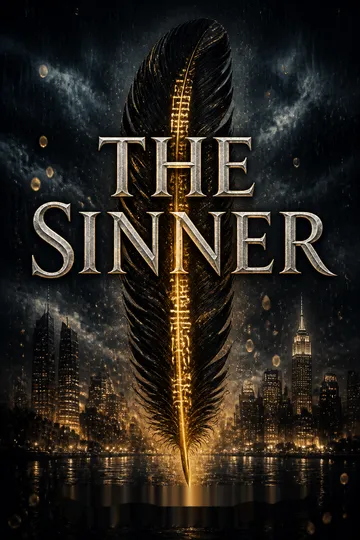
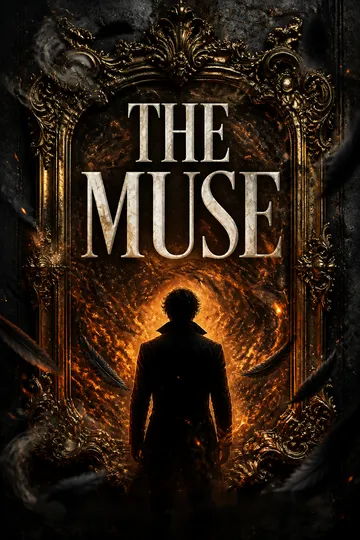
Angels and Demons Series Series
About the Author







Download PDF
Download EPUB
.epub digital book format is ideal for reading ebooks on phones, tablets, and e-readers.








































