
Plot Summary
Return to Darkwood
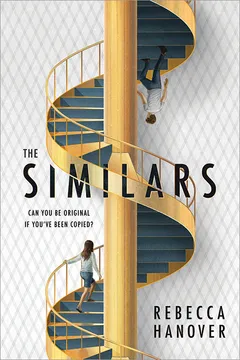
Emmaline "Emma" Chance arrives at Darkwood Academy for her junior year, still reeling from the suicide of her best friend, Oliver. The prestigious Vermont boarding school is a place of both comfort and pain, filled with memories of happier times. Emma's grief is raw, her relationships strained, and her sense of self fractured. As she navigates the familiar halls, she's forced to confront not only her own trauma but also the anticipation of a new, controversial chapter at Darkwood: the arrival of the Similars—six teenage clones of current students, including one with Oliver's face. Emma's emotional state is fragile, and the school's charged atmosphere only intensifies her struggle to find meaning and connection in the wake of devastating loss.
The Arrival of Similars
The Similars—clones of six Darkwood students—arrive, igniting fascination and fear among the student body. Their existence is the result of a secretive, illegal experiment sixteen years prior, and their sudden integration into the school challenges notions of identity, belonging, and humanity. Each Similar is paired with their "original," except for Levi, who is the clone of Emma's deceased best friend, Oliver. The Similars' presence forces students and faculty to confront ethical dilemmas, prejudices, and the boundaries of acceptance. Emma, numb from grief, is especially unsettled by Levi's uncanny resemblance to Oliver, which reopens wounds she's desperate to keep closed.
Faces from the Past
The shock of seeing Levi—Oliver's genetic double—throws Emma into emotional turmoil. Levi's arrival is not just a scientific curiosity but a personal crisis for Emma, who is forced to interact daily with a living reminder of her loss. Levi, for his part, is both defensive and enigmatic, aware of the pain his presence causes but unwilling to apologize for his existence. Their initial encounters are fraught with anger, confusion, and a strange, reluctant fascination. Emma's friends, especially Pru, try to support her, but the boundaries between comfort and intrusion blur as the school community grapples with the implications of cloning and the ghosts of the past.
The Key Ceremony
At the school assembly, the Similars are introduced and given keys to Darkwood, symbolizing their official acceptance. The ceremony is both a gesture of inclusion and a flashpoint for controversy, as some students and parents object to the presence of clones. The event is emotionally charged for Emma, who must watch Levi—wearing Oliver's face—take an oath to the school. The ceremony also reveals the deep divisions within the student body, as alliances shift and old hierarchies are threatened. The Similars' integration is not just a social experiment but a catalyst for personal and collective reckoning.
Levi's Unsettling Presence
Levi's presence at Darkwood is a constant source of pain and confusion for Emma. She oscillates between anger, denial, and a reluctant curiosity about who Levi really is. Their interactions are tense, marked by mutual misunderstanding and the weight of unspoken trauma. Levi, meanwhile, struggles with his own identity, caught between being a person in his own right and a living echo of someone else. The school's atmosphere grows more charged as students project their fears and hopes onto the Similars, and Emma finds herself drawn into a web of secrets, rivalries, and unresolved grief.
Strata and the Ten
The announcement of the new "strata"—academic rankings—upends the school's social order. Several Similars, along with Emma and her friend Pru, earn top spots and are inducted into the elite group known as the Ten. This achievement brings prestige but also new pressures, as the Ten is revealed to be a secretive society with its own rituals and dark traditions. Emma's inclusion is bittersweet, as it means greater scrutiny and involvement in the school's power games. The Similars' success in the rankings further inflames tensions, as some students accuse them of cheating or being unfairly advantaged.
Dark Lake Initiation
As part of their initiation into the Ten, Emma and the other new members are subjected to dangerous and humiliating hazing rituals, including being thrown into the freezing Dark Lake. The experience is both physically and emotionally harrowing, testing the bonds of friendship and the limits of endurance. Pru is forced to participate in Emma's ordeal, straining their relationship. The initiation reveals the dark underbelly of Darkwood's traditions and the ways in which power is maintained through fear and complicity. Emma emerges changed, more wary of the school's elite and more determined to uncover the truth behind the Similars' presence.
Midnight Confessions
At a midnight session of the Ten, the new members are drugged with an injective that compels them to confess their deepest secrets. The forced vulnerability creates a strange intimacy among the group but also exposes raw wounds and hidden agendas. Emma reveals her complicated feelings for Oliver and her guilt over their last conversation. The Similars' confessions hint at their own struggles with identity, loyalty, and the expectations placed upon them by their mysterious guardian. The session deepens the psychological complexity of the group and sets the stage for further betrayals and revelations.
The Attack on Prudence
Prudence, Emma's closest friend, is found unconscious and gravely injured in the boathouse. The attack is initially treated as an accident, but evidence soon suggests foul play. Suspicion falls on Levi, who was present at the scene, and the school community is thrown into turmoil. Emma is torn between her loyalty to Pru and her growing conviction that Levi is innocent. The incident exposes the fragility of trust at Darkwood and the dangers lurking beneath its polished surface. As Pru is taken away for treatment, Emma is left to navigate a landscape of fear, suspicion, and unresolved questions.
Secrets and Suspicions
Determined to clear Levi's name and find out who attacked Pru, Emma embarks on her own investigation. She uncovers a web of secrets involving the Similars, the school administration, and her own friends. The Similars are revealed to have been raised in isolation on a private island by a mysterious guardian, Gravelle, and to possess unusual abilities. Emma's search for the truth brings her into conflict with powerful figures at Darkwood, including the headmaster and the leaders of the Ten. The boundaries between friend and foe blur as Emma realizes that everyone has something to hide.
The Similars' Hidden Abilities
Emma discovers that the Similars are not just genetic copies but possess enhanced physical and mental abilities, the result of a secret experiment by the scientist Albert Seymour. These abilities—rapid healing, strength, endurance—set them apart from ordinary humans and make them both valuable and feared. The revelation raises profound ethical questions about the nature of humanity, the limits of science, and the consequences of playing God. Emma grapples with her feelings for Levi, now complicated by the knowledge of his extraordinary nature and the realization that he is both more and less than Oliver.
The Tasks Unveiled
Each Similar has been sent to Darkwood with a specific "task" assigned by Gravelle, their guardian. These tasks involve infiltrating the lives of their originals, gaining access to family wealth, exposing secrets, or enacting revenge for past wrongs. The Similars' actions begin to have real consequences for the families involved, including financial upheaval and public scandal. Emma is horrified to learn that she and her friends have been pawns in a larger scheme, and she must decide where her loyalties lie. The revelation of the tasks fractures the group and sets off a chain reaction of betrayal and resistance.
The Research Lab's Truth
Emma and Maude (Madison's Similar) break into the school's secret research lab and discover that the administration, with the support of powerful donors, is conducting experiments on the Similars. The lab contains holographic records of every student, tracking their health, movements, and even memories. The Similars' unique abilities are being studied and harvested, turning them into unwilling subjects in a quest for immortality and power. Emma realizes that the school's embrace of the Similars was never about inclusion but about exploitation. The discovery deepens her resolve to protect her friends and expose the truth.
The Compound's Prisoners
When Prudence disappears, Emma and Levi set out on a dangerous journey to Castor Island, the Similars' childhood home and Gravelle's stronghold. There, they find Pru imprisoned and subjected to experiments, along with Oliver—who is revealed to be alive, his death faked as part of Gravelle's revenge plot. The island is a high-tech prison, and Gravelle is both a visionary and a monster, driven by old wounds and a desire to control the future. Emma and Levi must use all their wits and courage to rescue their friends and confront the man who has manipulated their lives from the shadows.
Virtual Realities and Revelations
Gravelle subjects Emma and Levi to advanced virtual reality simulations, forcing them to relive their worst memories and confront their deepest fears. In these altered states, Emma uncovers the truth about her own origins: she is not the original Emmaline Chance, but a clone created to replace a dying child. The revelation shatters her sense of self and forces her to question the meaning of identity, love, and belonging. Meanwhile, the group learns that Gravelle is actually John Underwood, a former Darkwood student who faked his death and orchestrated the creation of the Similars as part of a decades-long vendetta.
The Escape and Sacrifice
With the help of Prudence and Oliver, Emma and Levi stage a daring escape from the compound. In the chaos, Levi sacrifices his own freedom to ensure Emma and the others can get away. The group returns to the mainland, forever changed by their ordeal. Oliver is reunited with his family, but the trauma of his captivity lingers. Emma is left to grapple with the knowledge of her true nature and the loss of Levi, who remains in Gravelle's grasp. The escape is both a victory and a tragedy, marking the end of innocence and the beginning of a new, uncertain chapter.
The Clone's Identity
In the aftermath, Emma receives a letter from Gravelle confirming that she is a clone, created to replace the original Emmaline Chance who died as a child. The revelation is devastating, undermining her sense of self and her relationship with her father. Emma must come to terms with the fact that her memories, her pain, and her love are real, even if her origins are not what she believed. The knowledge that she is a Similar, like Levi and the others, brings both isolation and a strange sense of kinship. Emma's journey becomes one of self-acceptance and the search for meaning beyond biology.
A New Beginning
As the school year draws to a close, Emma, Oliver, Prudence, and the Similars face an uncertain future. The world outside grows more hostile to clones, and the battle for rights and recognition intensifies. Emma's relationships are forever altered, but she finds strength in her friendships and the knowledge that identity is more than DNA. The story ends with a sense of hope and resilience, as Emma embraces her place in a world that is both beautiful and broken, determined to fight for herself, her friends, and the right to be seen as fully human.
Analysis
A meditation on identity, loss, and the ethics of creation
The Similars is a gripping, emotionally charged exploration of what it means to be human in an age of technological possibility and moral ambiguity. Through the lens of cloning, the novel interrogates the boundaries of selfhood, the pain of grief, and the longing for connection. The Similars are both victims and agents, their existence a testament to the dangers of unchecked ambition and the resilience of the human spirit. The story's psychological depth lies in its refusal to offer easy answers: Emma's journey is one of continual questioning, as she confronts the reality that love, memory, and identity are not determined by DNA but by choice, experience, and the courage to face the unknown. The novel's critique of elitism, prejudice, and the commodification of life is timely and resonant, challenging readers to consider the costs of progress and the meaning of belonging. Ultimately, The Similars is a story of survival, forgiveness, and the radical possibility of starting anew—even when everything you thought you knew about yourself is called into question.
Review Summary
People Also Read
Characters
Emmaline "Emma" Chance
Emma is the emotional heart of the story—a brilliant, sarcastic, and deeply wounded teenager struggling to survive the loss of her best friend, Oliver. Her journey is one of self-discovery, as she navigates grief, betrayal, and the shattering revelation that she herself is a clone. Emma's relationships—with Pru, Levi, and Oliver—are marked by fierce loyalty and vulnerability. Psychologically, she is haunted by guilt and a sense of not belonging, intensified by her father's emotional distance and the trauma of her mother's death. Emma's arc is about reclaiming agency, accepting her identity, and finding meaning in connection, even when everything she thought she knew is upended.
Levi Gravelle
Levi is Oliver's clone, raised in isolation on Castor Island by the mysterious Gravelle. He is both a mirror and a foil to Oliver—physically identical but shaped by a life of secrecy, discipline, and emotional deprivation. Levi's psychological complexity lies in his struggle to define himself outside of Oliver's shadow and the expectations of others. He is guarded, sometimes abrasive, but capable of deep feeling and sacrifice. His relationship with Emma is fraught with longing, misunderstanding, and the shared pain of being "other." Levi's development is a journey from object to subject, from pawn to self-determining individual.
Prudence "Pru" Stanwick
Pru is Emma's best friend and emotional anchor at Darkwood. The daughter of a pro-clone activist, she is compassionate, intelligent, and driven by a strong sense of justice. Pru's own struggles—with her mother's illness, her family's financial strain, and her complex feelings about her Similar, Pippa—make her both relatable and admirable. Her attack and subsequent disappearance are pivotal, catalyzing Emma's quest for truth and justice. Pru's resilience and moral clarity serve as a counterpoint to the school's corruption and the chaos unleashed by the Similars' arrival.
Oliver Ward
Oliver is both a memory and a presence—a charismatic, optimistic, and deeply loved friend whose suicide haunts Emma and the entire narrative. His "return" as both a clone and, ultimately, as himself (having survived in captivity) is a profound twist that forces all characters to confront the meaning of identity, grief, and forgiveness. Oliver's psychological journey is one of trauma and recovery, as he grapples with the consequences of being used as a pawn in Gravelle's revenge. His relationship with Emma is central, embodying both the pain of loss and the possibility of healing.
Maude Gravelle
Maude is Madison's Similar and one of the most capable and self-aware of the clones. She is fiercely loyal to her fellow Similars but also willing to question Gravelle's motives and the morality of their assigned tasks. Maude's skills in programming and leadership make her a key player in the group's resistance. Psychologically, she is torn between gratitude to her guardian and the desire for autonomy. Her relationship with Emma evolves from suspicion to alliance, as they work together to uncover the truth behind the school's experiments and the Similars' origins.
Pippa Gravelle
Pippa is Pru's Similar, and her journey is one of longing for connection and acceptance. Raised apart from her original, she is both fascinated and intimidated by the world outside Castor Island. Pippa's calm demeanor masks a deep well of emotion and a desire to forge her own identity. Her friendship with Emma and Pru is marked by empathy and quiet strength. Psychologically, Pippa embodies the existential questions at the heart of the novel: What does it mean to be real? To be loved? To belong?
Theodora Gravelle
Theodora is Tessa's Similar, distinguished by her calm intelligence and moral conviction. She is less interested in social status than in doing what is right, even when it means exposing her original's family to scandal. Theodora's actions—leaking evidence of Tessa's father's crimes—demonstrate her willingness to challenge authority and seek justice. Her relationship with Levi is complex, marked by mutual respect and the shared burden of being "other." Psychologically, Theodora is both an outsider and a catalyst for change.
Jaeger Stanwick
Jaeger is Pru's father and a prominent pro-clone activist. His past as a member of the Ten and his involvement in the underground Quarry movement position him as both a mentor and a cautionary figure. Jaeger's commitment to justice is tempered by personal loss and the weight of responsibility for his daughter's safety. Psychologically, he is haunted by past betrayals and the limits of his own power. His relationship with Emma and Pru is marked by both warmth and secrecy.
Augustus Gravelle / John Underwood
Gravelle is the architect of the Similars and the novel's primary antagonist. Once John Underwood, a scholarship student at Darkwood, he is driven by a lifetime of exclusion, betrayal, and loss. His creation of the Similars is both a scientific achievement and an act of revenge against those who wronged him. Gravelle's psychological profile is that of a narcissist and visionary, capable of both cruelty and genuine longing for connection. His manipulation of the clones and the originals is rooted in his own unresolved trauma and desire for legacy.
Madison Huxley
Madison is a senior at Darkwood, leader of the Ten, and a vocal opponent of the Similars. Her actions—founding the anti-clone DAAM movement, orchestrating hazing rituals, and leveraging her family's political power—make her both a formidable adversary and a symbol of the school's toxic elitism. Madison's psychological complexity lies in her need for control and validation, as well as her fear of being replaced or rendered irrelevant by her Similar, Maude. Her arc is one of escalating antagonism and eventual exposure.
Plot Devices
Duality and Identity
The novel's central device is the use of clones—Similars—as mirrors and foils for their originals. This duality forces characters to confront questions of identity, agency, and what it means to be human. The presence of genetic doubles destabilizes social hierarchies, personal relationships, and self-perception. The narrative structure leverages this device through parallel storylines, shifting alliances, and the gradual revelation of hidden connections. The motif of "the other" is both literal and metaphorical, driving the psychological and ethical stakes of the story.
Mystery and Suspense
The plot unfolds as a series of mysteries: Who attacked Prudence? What are the Similars' true abilities and motives? What is Gravelle's endgame? The use of red herrings, unreliable narrators, and shifting suspicions keeps the reader—and Emma—off balance. Foreshadowing is employed through cryptic notes, hidden memories, and the gradual unveiling of the Similars' tasks. The narrative structure alternates between present action, flashbacks, and virtual reality sequences, heightening tension and deepening character development.
Science Fiction as Social Critique
The speculative elements—illegal cloning, enhanced abilities, memory manipulation—are used to interrogate real-world issues of discrimination, privilege, and the ethics of scientific progress. The school's experiments on the Similars, the anti-clone movement, and the legal battles over clone rights all serve as allegories for contemporary debates about inclusion, autonomy, and the dangers of dehumanization. The plot device of the research lab and the hologram room literalizes the surveillance and commodification of bodies and identities.
Psychological Realism
The novel's emotional core is Emma's psychological journey through grief, guilt, and self-discovery. The use of virtual reality simulations, forced confessions, and memory manipulation externalizes internal conflicts and dramatizes the struggle for agency. The narrative structure allows for deep dives into character psyches, revealing the ways in which trauma shapes perception, relationships, and the capacity for hope. The interplay between reality and simulation blurs the boundaries of experience, forcing characters to question what is real and what is constructed.








































