
Plot Summary
Prologue: Fractured Beginnings
Beckey Caterino, a struggling college freshman, is pushed to her limits by her toxic roommates and the weight of her mother's death. After a heated confrontation, she flees for a run at dawn, haunted by grief and anger. As she escapes into the woods, her vulnerability is palpable—her sense of being watched grows into terror. The chapter ends in violence: Beckey is attacked, her head struck with a hammer, and her world goes dark. This brutal opening sets the tone for a story where trauma, memory, and violence intertwine, and where the past is never truly buried.
Haunted by the Past
Special Agent Will Trent and his partner Faith Mitchell are called to investigate a murder at a state prison, but Will's mind is elsewhere—on his complicated relationship with Sara Linton, his guilt over a near-tragic accident, and the silent rift growing between them. The prison's violence and the murder they're investigating echo with unresolved pain from the past. The narrative weaves together Will's personal struggles and the professional challenge ahead, hinting that the answers to the present crime may lie buried in old wounds and forgotten cases.
The Prison Riot Catalyst
Will and Faith arrive at Phillips State Prison, where a riot has left one inmate, Jesus Vasquez, brutally murdered. The investigation reveals calculated violence: Vasquez was targeted, tortured, and mutilated. Sara, now a medical examiner, processes the scene with clinical precision, but the emotional toll is clear. The murder's brutality and the prison's atmosphere of desperation foreshadow a larger, more sinister pattern. A note from another inmate, Daryl Nesbitt, claims knowledge of the murder and hints at a conspiracy, setting off a chain of events that will force the team to confront the ghosts of Grant County.
Echoes from Grant County
Daryl Nesbitt, a convicted pedophile, offers information about the prison murder in exchange for a new investigation into his own case. He insists he was framed for a series of attacks on women in Grant County years ago, blaming corrupt cops and a cover-up. Nesbitt's claims are met with skepticism, but his knowledge of recent unsolved murders across the state is chilling. The team is forced to revisit the old Grant County cases, reopening wounds for Sara, whose late husband Jeffrey Tolliver led the original investigation. The past and present begin to blur, and the possibility of a serial predator emerges.
The Unraveling of Truth
The narrative shifts between past and present as the team delves into the Grant County files. Flashbacks reveal Jeffrey Tolliver's dogged pursuit of justice, his complicated relationship with Sara, and the mistakes that may have allowed a killer to go free. The original attacks on Beckey Caterino and Leslie Truong are re-investigated, exposing missed clues, procedural errors, and the limitations of small-town policing. Sara's medical expertise and emotional insight become crucial, but the cost of reliving these traumas is high. The team begins to suspect that Nesbitt may be innocent of the worst crimes attributed to him.
The Ghosts of Jeffrey Tolliver
As the investigation deepens, Sara is haunted by memories of her late husband, Jeffrey. The narrative explores their marriage, divorce, and the pain of betrayal, set against the backdrop of the original crimes. Jeffrey's determination to protect his community is contrasted with his personal failings. The emotional complexity of Sara's grief and her new relationship with Will is laid bare. The past is not just a case file—it is a living presence, shaping every decision and every fear. The search for the truth becomes a search for redemption, both for the living and the dead.
The Web of Victims
Faith and Will, aided by a civilian investigator, begin to connect a series of unsolved murders and disappearances across Georgia. The victims—women of varying ages and backgrounds—share eerie similarities: missing personal items, feelings of being watched, and deaths staged as accidents. The investigation reveals a chilling modus operandi: the killer stalks, incapacitates, and paralyzes his victims, leaving them vulnerable to further violence and animal predation. The scope of the crimes is staggering, and the realization that a serial killer has been operating undetected for years shakes the team to its core.
The Father's Obsession
Gerald Caterino, Beckey's father, has devoted his life to finding his daughter's attacker. His obsession has led him to collect evidence, contact other victims' families, and even fund legal actions. His murder wall, filled with clippings and notes, becomes a crucial resource for the investigation. But his relentless pursuit of answers has also left him isolated and haunted. The emotional toll of his quest is palpable, and his interactions with the team reveal the human cost of unresolved violence. The line between victim and investigator blurs, as Caterino's pain becomes both a warning and a guide.
The Silent Witnesses
The team tracks down living victims who survived attacks similar to Beckey's. Their stories are harrowing: paralysis, memory loss, and the lifelong scars of trauma. Some, like Tommi Humphrey and Callie Zanger, have tried to move on, but the past is inescapable. Their testimonies provide crucial details about the killer's methods and psychology, but also highlight the failures of the original investigation. The silence of these witnesses—born of fear, shame, and disbelief—becomes a central theme. Breaking that silence is both a key to solving the case and a painful reckoning with the cost of survival.
The Anatomy of Evil
Through autopsies, forensic analysis, and survivor accounts, the team reconstructs the killer's evolving techniques. He drugs his victims, paralyzes them with surgical precision, and returns to the scene to inflict further harm. The violence is both calculated and intimate, driven by a need for control and a twisted sense of connection. The investigation uncovers a pattern of escalation, experimentation, and trophy-taking. The killer's knowledge of anatomy and death investigation points to someone with professional expertise. The horror of his crimes is matched only by the banality of his public persona.
The Cost of Survival
The emotional and psychological toll of the case is immense. Survivors struggle with guilt, shame, and the burden of being believed. Investigators wrestle with their own traumas, mistakes, and the fear of failing again. Sara, in particular, is forced to confront her own history of violence and loss, as well as the limits of her ability to save others. The narrative explores the ripple effects of violence—on families, communities, and the investigators themselves. Justice, when it comes, is imperfect and incomplete, leaving scars that may never fully heal.
The Confession and the Avalanche
Sara, risking her own safety, confronts the true killer: Dan Brock, the trusted funeral director and former coroner. His confession is chilling in its calmness and detail. He reveals how he manipulated evidence, framed others, and used his professional position to facilitate his crimes. The avalanche of revelations is overwhelming—Brock's crimes span decades, and his victims number in the dozens. His suicide robs the survivors and families of the chance for public justice, but his confession provides the answers that have eluded them for so long. The emotional fallout is profound.
The Aftermath of Monsters
With Brock dead and the truth revealed, the team and the victims' families are left to grapple with the aftermath. The legal system struggles to process the scale of the crimes. Survivors and families must find their own paths to healing, often without the closure of a trial. The investigators reflect on their own roles—what they missed, what they learned, and what they must carry forward. The narrative acknowledges that justice is never complete, and that the wounds left by violence are deep and lasting. Yet there is also a sense of hard-won peace.
Love, Loss, and Healing
Amidst the darkness, the story returns to the central relationships: Sara and Will, Faith and her family, the bonds between survivors. Sara and Will, both scarred by the past, find a way to reconnect and move forward. Their love is portrayed as imperfect but resilient, forged in the crucible of shared pain and mutual understanding. The narrative explores the challenges of trust, forgiveness, and vulnerability. Healing is shown as a process, not a destination—a series of small, everyday choices to keep going, to reach out, to hope.
The Weight of Justice
The investigation's conclusion raises difficult questions about justice, accountability, and the role of the legal system. Some perpetrators, like Brock, escape formal punishment. Others, like Nesbitt, are left to suffer in their own private hells. The story does not shy away from the failures of law enforcement, the dangers of tunnel vision, and the ease with which the vulnerable can be overlooked. Yet it also honors the persistence and courage of those who refuse to give up, who keep searching for the truth even when the odds are against them.
The Ties That Bind
The narrative weaves together the stories of parents and children, siblings, lovers, and friends. The ties that bind—sometimes suffocating, sometimes sustaining—are shown in all their complexity. The story honors the resilience of survivors, the devotion of families, and the possibility of new beginnings. It acknowledges the pain of loss, but also the strength that comes from facing the truth together. In the end, it is the connections between people—the willingness to speak, to listen, to care—that offer the greatest hope.
The Final Reckoning
The story ends with a sense of hard-won clarity. The killer is unmasked, the pattern of violence is exposed, and the survivors are given a chance to reclaim their lives. Yet the scars remain, and the work of healing is ongoing. The narrative resists easy answers, acknowledging that some wounds never fully close. Justice is imperfect, and the past cannot be undone. But there is also a sense of hope—a belief that, even in the aftermath of horror, it is possible to choose life, love, and connection.
Epilogue: New Beginnings
In the aftermath, Sara and Will take a step forward together, choosing each other despite the weight of their histories. Faith finds solace in her family. Survivors begin to rebuild. The story closes on a note of cautious optimism: the past will always be a part of them, but it does not have to define their future. The silent wife, once voiceless and unseen, has found her voice—and, in doing so, has helped others find theirs.
Analysis
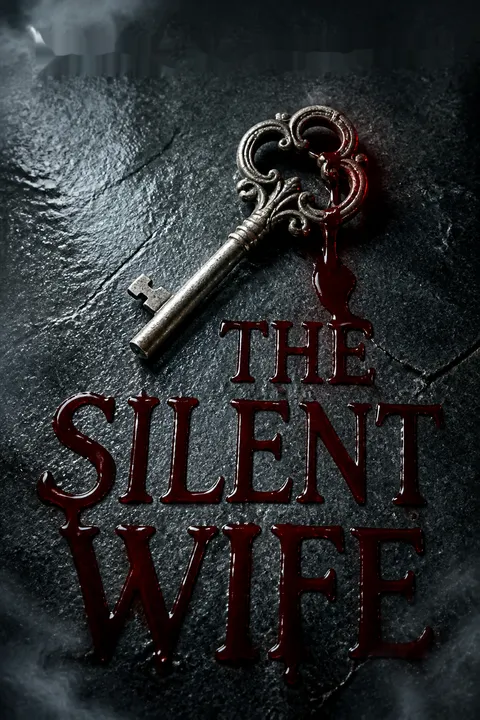
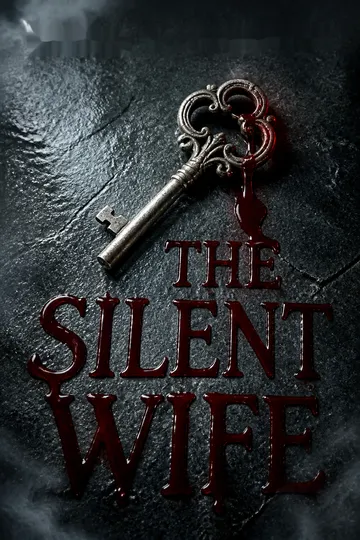
Karin Slaughter's The Silent Wife is a masterful exploration of trauma, justice, and the enduring power of human connection. At its core, the novel interrogates the ways in which violence—especially violence against women—reverberates through individuals, families, and communities. The dual timelines and shifting perspectives create a mosaic of pain, resilience, and hope, refusing easy answers or tidy resolutions. The story is as much about the cost of survival as it is about the pursuit of justice; it acknowledges that healing is a process, often incomplete, and that the scars of the past are never fully erased. The novel also critiques the limitations of the legal system, the dangers of tunnel vision, and the ease with which the vulnerable can be overlooked or silenced. Yet, amidst the darkness, there is a profound affirmation of love, friendship, and the possibility of new beginnings. By centering the voices of survivors and those who fight for them, Slaughter offers a narrative that is both harrowing and deeply humane—a testament to the strength it takes to speak, to listen, and to keep going.
Review Summary
The Silent Wife receives overwhelmingly positive reviews (4.23/5) for its gripping, dark thriller combining past and present timelines. Readers praise the return of Jeffrey Tolliver through flashbacks alongside present-day Will Trent and Sara Linton investigating a serial killer. The graphic violence and sexual assault content is noted as intense but purposeful. Fans appreciate the complex character relationships, particularly Will and Sara's evolving romance, and Faith's humor. Some criticize the pacing, length, and Sara's character, while a few found it too violent or predictable. Most recommend reading the entire Grant County and Will Trent series in order for full impact.
People Also Read






Characters
Will Trent
Will is a special agent with the Georgia Bureau of Investigation, defined by his intelligence, trauma, and deep empathy. Dyslexic and shaped by a brutal childhood in foster care, Will is both vulnerable and fiercely competent. His relationship with Sara Linton is central—he loves her deeply but is haunted by insecurity, jealousy, and the fear of not being enough. Will's investigative instincts are sharp, but he is often blindsided by his own emotional wounds. Over the course of the story, he confronts the ghosts of the past, learns to trust, and ultimately chooses hope and connection over isolation.
Sara Linton
Sara is a medical examiner and former coroner, marked by intelligence, compassion, and a history of trauma. Her past—rape, loss, betrayal—shapes her, but does not define her. Sara's relationships are complex: her love for Will is deep but tested by grief for her late husband, Jeffrey Tolliver. She is both a victim and a fighter, using her expertise to bring justice to the dead and solace to the living. Sara's journey is one of self-forgiveness, learning to accept love, and finding her voice after years of silence.
Faith Mitchell
Faith is Will's partner, a sharp, witty, and deeply empathetic investigator. She balances the demands of her job with the challenges of single motherhood and a complicated family history. Faith's loyalty to Will and Sara is unwavering, but she is not afraid to challenge them—or herself. She serves as both comic relief and emotional anchor, providing perspective and support. Faith's own experiences with trauma and resilience inform her approach to victims and suspects alike. Her arc is one of growth, learning to trust her instincts and embrace vulnerability.
Jeffrey Tolliver
Jeffrey, Sara's late husband, is a constant presence in the narrative, both in flashbacks and in the memories of those who loved him. He is a skilled investigator, a flawed husband, and a man haunted by his own mistakes. Jeffrey's determination to protect his community is matched by his inability to protect his marriage. His legacy is both a source of strength and pain for Sara and the team. Jeffrey's story is one of redemption sought but not fully achieved—a reminder that even the best intentions can lead to tragedy.
Lena Adams
Lena is a former Grant County detective, now in Macon, whose career is marked by brilliance, recklessness, and self-destruction. She is both victim and perpetrator, often crossing ethical lines in pursuit of justice. Lena's relationship with Jeffrey and Sara is fraught—she is both a surrogate daughter and a source of pain. Her actions in the original investigation have far-reaching consequences, and her refusal to take responsibility is both infuriating and tragic. Lena embodies the dangers of unchecked trauma and the difficulty of breaking cycles of harm.
Dan Brock
Brock is the funeral director and former coroner, a figure of comfort and stability in the community—until his true nature is revealed. His knowledge of death, anatomy, and forensics allows him to commit and conceal horrific crimes. Brock's duality—kind friend, sadistic killer—embodies the story's central theme: evil can hide in plain sight. His confession is both chilling and heartbreaking, exposing the depths of his depravity and the failures of those who trusted him. Brock's arc is a devastating exploration of the banality of evil and the limits of understanding.
Gerald Caterino
Gerald is Beckey's father, consumed by grief and the need for answers. His relentless investigation, murder wall, and willingness to cross ethical lines make him both a valuable ally and a cautionary figure. Gerald's pain is raw and unfiltered, driving him to the edge of obsession. His relationship with his disabled daughter and young son is fraught with love, guilt, and desperation. Gerald's arc is a meditation on the costs of unresolved trauma and the dangers of letting the past consume the present.
Daryl Nesbitt
Nesbitt is a convicted pedophile whose claims of innocence and conspiracy drive much of the investigation. He is manipulative, self-pitying, and often repellent, but his knowledge of the crimes is unsettling. Nesbitt's role as both victim and perpetrator complicates the search for truth. His interactions with the team force them to confront their own biases and the limitations of the justice system. Nesbitt's arc is a study in ambiguity—he is neither wholly innocent nor wholly guilty, and his suffering is both deserved and tragic.
Tommi Humphrey
Tommi is one of the few living victims of the killer, her life forever altered by violence. Her story is one of survival, but also of profound loss—of innocence, of the ability to have children, of trust. Tommi's reluctance to speak, her struggles with intimacy, and her eventual decision to come forward are portrayed with empathy and realism. She embodies the long-term impact of trauma and the courage required to reclaim one's voice.
Callie Zanger
Callie is a high-powered attorney whose abduction and survival are shrouded in secrecy and shame. Her refusal to speak, her struggles with addiction, and her complicated relationship with her ex-husband highlight the intersection of personal and public trauma. Callie's arc is one of gradual empowerment—she moves from silence to speech, from victimhood to agency. Her story underscores the importance of believing survivors and the complexities of healing.
Plot Devices
Dual Timelines and Interwoven Narratives
The novel's structure alternates between the present-day investigation and flashbacks to the original Grant County cases. This dual timeline allows the reader to experience the unfolding mystery alongside the characters, while also providing crucial context and emotional depth. The interwoven narratives highlight the ways in which the past shapes the present, and how unresolved trauma can echo across years. The device also serves to build suspense, as revelations in one timeline cast new light on events in the other.
Unreliable Narrators and Shifting Perspectives
The story is told through multiple points of view—Will, Sara, Faith, Jeffrey, and others—each with their own biases, blind spots, and emotional baggage. This multiplicity of perspectives creates ambiguity and tension, forcing the reader to question what is real and what is interpretation. The use of unreliable narrators mirrors the central theme: the difficulty of knowing the truth, especially when it is buried beneath layers of pain, guilt, and denial.
Foreshadowing and Red Herrings
The narrative is rich with foreshadowing—small details, offhand remarks, and seemingly minor events that later prove crucial. Red herrings abound, from the initial focus on Daryl Nesbitt to the misinterpretation of evidence and survivor testimony. These devices keep the reader—and the characters—off balance, mirroring the uncertainty and complexity of real investigations. The ultimate revelation of the true killer is both shocking and, in retrospect, inevitable.
Thematic Motifs: Silence, Memory, and Agency
The motifs of silence (the silent wife, the voiceless victims), memory (flashbacks, trauma, the unreliability of recollection), and agency (the struggle to speak, to act, to choose) run throughout the novel. These themes are embodied in both the plot and the characters' inner lives, creating a rich tapestry of meaning. The story interrogates what it means to be heard, to be believed, and to reclaim one's narrative after violence.
Forensic and Procedural Detail
The novel's meticulous attention to forensic science, police procedure, and medical investigation lends credibility and weight to the narrative. Autopsies, crime scene analysis, and the bureaucratic realities of law enforcement are rendered with precision. This realism heightens the impact of the violence and underscores the challenges of achieving justice. The procedural detail also serves as a counterpoint to the emotional and psychological complexity of the characters.
Will Trent Series Series







About the Author
Other books by Karin Slaughter



Download PDF
Download EPUB
.epub digital book format is ideal for reading ebooks on phones, tablets, and e-readers.








































