
Plot Summary
Flirting Turns Fatal
Tatum, a sharp-tongued, silver-haired twink, seeks solace from heartbreak in a seedy biker bar. His flirtation with the bartender draws the ire of the homophobic Fallen Aces gang. After a brutal assault in the bathroom, Tatum, battered and terrified, locks himself in, desperate for help. He calls his best friend Angel, but it's Angel's father—Anthony Costello, a notorious mafia boss—who answers the call. As the gang breaks down the door, Tatum's world goes black, his fate uncertain. The chapter sets the tone: Tatum's vulnerability, his wit, and the dangerous world he's stumbled into, where violence and prejudice lurk just beneath the surface.
Mafia Rescue Mission
As Tatum drifts in and out of consciousness, he's aware of gunfire, shouts, and the strong arms that carry him to safety. Anthony, cold and efficient, exacts brutal vengeance on Tatum's attackers, dragging them to his underground catacombs for torture. Tatum awakens in Anthony's mansion, bruised but alive, surrounded by luxury and danger. The mafia boss's presence is both intimidating and oddly comforting. Anthony's actions reveal a possessive streak, a willingness to do anything for those he claims as his own. The emotional stakes rise: Tatum is both protected and trapped, his fate now entwined with Anthony's.
Recovery in the Lion's Den
Tatum's days blur into a routine of medical care, pampering, and platonic comfort from Angel. The mansion is a gilded cage, with bodyguards and strict rules. Tatum's irreverent humor masks his trauma, but his attraction to Anthony simmers beneath the surface. Anthony, for his part, is gruff and distant, yet attentive—applying ointment to Tatum's bruises, watching over him at night. The dynamic is charged: Tatum pushes boundaries with flirtation, Anthony maintains control, but cracks begin to show. The house's secrets—catacombs, hidden pain, and Anthony's haunted past—hover in the background, promising more danger and desire.
Vengeance in the Shadows
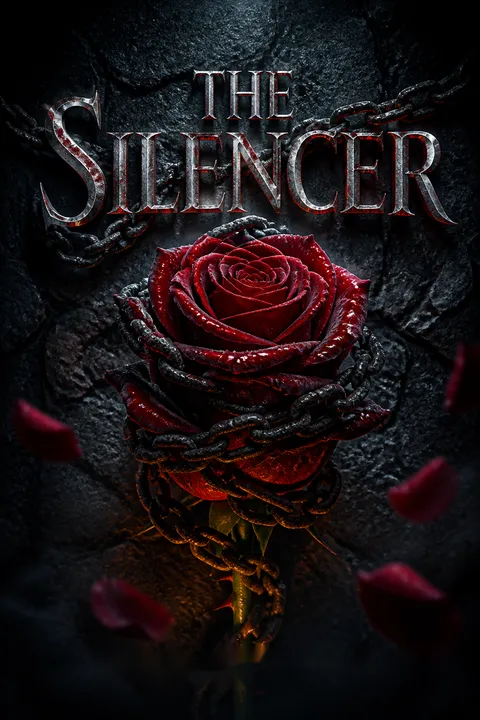
In the catacombs, Anthony becomes The Silencer, meting out slow, excruciating punishment to Tatum's attackers. His violence is methodical, almost ritualistic—a twisted form of justice. Meanwhile, Tatum senses the darkness beneath Anthony's tailored exterior, both repelled and fascinated. The mafia world's brutality is laid bare, but so is Anthony's capacity for loyalty and protection. The chapter explores the cost of vengeance, the thin line between justice and cruelty, and the way trauma binds victim and avenger together in a web of need and power.
Bruises, Boundaries, and Banter
As Tatum recovers, he resumes his playful provocations, flirting with bodyguards and pushing Anthony's buttons. Anthony responds with possessive rules—no sleeping with the staff, no wandering off. Their interactions become a dance of dominance and submission, with Tatum's bratty defiance meeting Anthony's stern discipline. The sexual tension escalates: Anthony's hands on Tatum's body blur the line between care and desire. The mansion's routines—meals, walks in the garden, movie nights—become charged with unspoken longing and the threat of violence from the outside world.
Dangerous Hands, Dangerous Hearts
The nightly ritual of Anthony applying ointment becomes increasingly erotic, culminating in a charged encounter where Anthony brings Tatum to orgasm. The act is both a power play and a moment of vulnerability—Anthony, the "straight" mob boss, crossing a line he can't uncross. Tatum is left shaken, craving more, while Anthony retreats behind his mask of control. Their relationship shifts: what began as protection and annoyance is now laced with mutual obsession. The emotional stakes deepen, as both men struggle with their desires and the consequences of giving in.
The King's Possession
Anthony's possessiveness intensifies—he forbids Tatum from flirting with others, makes it clear that Tatum is his. Tatum, for his part, is both thrilled and frustrated by Anthony's control. Their encounters grow more explicit, with Anthony tying Tatum up, gagging him, and using his body for pleasure. The power dynamic is complex: Tatum's bratty resistance is met with Anthony's dominance, but both are vulnerable in their own ways. The mafia boss's need to own and protect collides with Tatum's craving for attention and affection. The mansion becomes a stage for their twisted romance, even as threats from the outside world loom.
Secrets Beneath the Surface
Tatum discovers the mansion's secret passageways and the catacombs where Anthony and his enforcer Bane torture enemies. The darkness of Anthony's world is laid bare—jars of body parts, tools of pain, and the ever-present threat of violence. Tatum is both horrified and aroused, drawn to the danger even as he recognizes the cost. The chapter explores the allure of the forbidden, the way trauma and desire intertwine, and the lengths to which Anthony will go to keep his loved ones safe. The secrets of the house mirror the secrets in Anthony's heart.
War on the Horizon
The Fallen Aces retaliate for Anthony's earlier violence, launching attacks on his businesses and home. The mansion becomes a fortress, with guards, guns, and constant vigilance. Tatum is caught in the crossfire, his presence a catalyst for the brewing war. Anthony's world is one of shifting alliances, brutal retribution, and the ever-present risk of betrayal. The emotional toll mounts: Tatum's safety is never guaranteed, and Anthony's need to protect him becomes both a strength and a weakness. The chapter sets the stage for a larger battle, both external and internal.
The Garden of Protection
The mansion's garden, once a place of beauty and peace, becomes a symbol of both safety and confinement. Tatum and Angel find solace among the flowers, but the presence of bodyguards and the threat of violence are never far away. The garden is also a site of secrets—hidden doors, memories of Anthony's late wife, and the fragile hope of happiness. The chapter explores the tension between freedom and security, the cost of living under constant threat, and the ways in which love can both heal and imprison.
Arrangements and Betrayals
Anthony arranges for Angel to marry Mikhail, a powerful Russian mobster, to secure an alliance and protect his son. The decision is fraught with emotion—Angel is both resigned and hopeful, Tatum is furious, and Anthony is torn between duty and love. The wedding is a spectacle of power and vulnerability, with old friends and new enemies in attendance. Tatum's trust in Anthony is shaken, and the cracks in their relationship widen. The chapter delves into the sacrifices demanded by loyalty, the pain of betrayal, and the ways in which love can be both a shield and a sword.
The Wedding and the Warning
Angel's wedding is both beautiful and ominous—a union forged in necessity rather than love. Tatum's unease grows as he observes Mikhail's coldness and Angel's forced optimism. The gathering of mafia families is a powder keg, with old grudges and new threats simmering beneath the surface. Tatum's friendship with Angel is tested, and his relationship with Anthony is strained by secrets and unspoken fears. The chapter is a turning point: the illusion of safety is shattered, and the consequences of Anthony's choices come home to roost.
Night Out, Night of Fire
Restless and frustrated, Tatum sneaks out with Luca and Viktor for a night at a secret club. The brief escape is intoxicating—dancing, drinking, and the thrill of rebellion. But the night turns deadly when the club is attacked, a fire breaks out, and Tatum barely escapes with his life. Teddy is gravely wounded, and the sense of safety at the mansion is destroyed. Anthony's rage is volcanic, his need to protect Tatum now tinged with guilt and fear. The chapter is a crucible: Tatum's actions have consequences, and the world outside is more dangerous than ever.
Kidnapped by the Fallen Aces
In a moment of vulnerability, Tatum is kidnapped by the Fallen Aces, betrayed by someone within Anthony's circle. He wakes in darkness, bound and gagged, his fate in the hands of men who want to hurt him to get to Anthony. The ordeal is harrowing—torture, deprivation, and the threat of death. Tatum's resilience is tested, his hope flickering but not extinguished. The emotional core is raw: fear, anger, and the desperate longing to be rescued. The chapter is a descent into hell, with Tatum's survival hanging by a thread.
Torture, Defiance, and Hope
Tatum endures days of torture—his finger cut off, his body and spirit battered. Yet he refuses to break, taunting his captors, clinging to the hope that Anthony will come for him. The psychological battle is as intense as the physical one: Tatum's defiance is both a shield and a weapon. The chapter explores the limits of endurance, the power of hope, and the way love can sustain even in the darkest moments. The emotional arc is wrenching—Tatum is both victim and survivor, his fate uncertain but his spirit unbroken.
The Silencer's Wrath
Anthony, with the help of Sebastian and his crew, tracks Tatum down and storms the hideout. The rescue is brutal—gunfire, blood, and the cold efficiency of a man pushed to the edge. Anthony's vengeance is biblical: Douglas, the leader of the Fallen Aces, is captured and subjected to days of torture in the catacombs. Tatum is brought home, broken but alive, his wounds tended with fierce tenderness. The chapter is a catharsis of violence and love, the culmination of Anthony's promise: anyone who hurts Tatum will pay.
Homecoming and Healing
Tatum's return is marked by pain and relief—physical healing, emotional scars, and the slow rebuilding of trust. Anthony is both protector and penitent, haunted by guilt and driven by love. The mansion becomes a place of sanctuary once more, with friends and family rallying around Tatum. The trauma lingers, but so does hope. The chapter is a meditation on resilience, the power of chosen family, and the possibility of happiness after horror.
Love, Loss, and Loyalty
As Tatum heals, he and Anthony deepen their bond—sexually, emotionally, and spiritually. The threats recede, but the lessons remain: love is both a risk and a reward, loyalty is earned through sacrifice, and happiness is a choice made in the face of darkness. The story ends with Tatum's graduation, his parents' acceptance, and the promise of a life together. The mansion, once a fortress, is now a home. The final note is one of hard-won joy: Tatum and Anthony, scarred but unbroken, choosing each other again and again.
Analysis
A dark romance about survival, power, and the redemptive force of loveThe Silencer is a brutal, unflinching exploration of trauma, desire, and the ways in which love can both wound and heal. At its core, the novel is about survival—how we endure violence, how we find meaning in suffering, and how we choose to love in a world that punishes vulnerability. Tatum and Anthony's relationship is a microcosm of the larger world they inhabit: a dance of dominance and submission, protection and possession, pain and pleasure. The story refuses easy answers—its characters are flawed, its justice is bloody, and its happy ending is hard-won. Yet beneath the violence lies a profound meditation on loyalty, chosen family, and the possibility of redemption. In a world where power is currency and love is a risk, The Silencer dares to imagine that even the most broken souls can find healing in each other's arms. The lesson is clear: survival is not just about enduring pain, but about choosing joy, forging connection, and reclaiming agency in the face of darkness.
Review Summary
The Silencer by Cora Rose receives an overall rating of 3.96/5. The dark mafia romance follows Tatum, a 21-year-old who gets brutally attacked at a bar and calls his best friend Angel's father, mob boss Anthony, for help. Anthony becomes obsessively protective, keeping Tatum in his home despite claiming he's straight. Readers praise the possessive dynamic, dark humor, steamy exhibitionist scenes, and unhinged side characters like Bane. Common criticisms include excessive horniness, lack of explicit "I love you" declarations, and characters facing insufficient consequences. The age-gap, best-friend's-dad romance features torture, violence, and intense chemistry that divides readers.
People Also Read



Characters
Tatum Barlowe
Tatum is a twenty-one-year-old gay man whose sharp wit and flamboyant confidence mask deep insecurities and trauma. Orphaned young and adopted by loving but naive parents, he's always felt like an outsider, craving both attention and acceptance. His impulsive nature leads him into danger, but it's also the source of his resilience—he copes with pain through humor and defiance. Tatum's relationship with Anthony is a study in contrasts: he's both bratty and vulnerable, craving dominance but refusing to be broken. His journey is one of survival, self-discovery, and the search for a place to belong. Through violence, love, and loss, Tatum emerges as both victim and victor, his scars a testament to his strength.
Anthony Costello
Anthony is a middle-aged mob boss whose life is defined by control, violence, and loss. Haunted by the death of his wife and the dangers facing his sons, he's built a fortress around his heart and his home. Anthony's reputation as The Silencer is well-earned—he's ruthless, methodical, and unflinching in his pursuit of justice (or vengeance). Yet beneath the surface lies a man capable of deep loyalty and unexpected tenderness. Tatum's arrival disrupts Anthony's carefully ordered world, awakening desires he's long denied. Their relationship is a battle of wills, with Anthony's need to possess and protect clashing with his fear of vulnerability. Over the course of the story, Anthony is forced to confront his own darkness, learning that love is both a risk and a redemption.
Angel Costello
Angel, Anthony's son and Tatum's best friend, is the embodiment of sweetness and vulnerability. He's gentle, artistic, and deeply loyal, a stark contrast to the violence that surrounds him. Angel's role as the "protected" son makes him both cherished and controlled—his arranged marriage to Mikhail is a sacrifice made for the family's safety. Angel's journey is one of quiet strength: he endures loss, adapts to change, and finds hope in unlikely places. His friendship with Tatum is a lifeline, and his fate is a reminder of the costs of loyalty in a world ruled by power.
Luca
Luca is Anthony's right-hand man, a lifelong friend whose loyalty is matched only by his capacity for violence. He's charming, irreverent, and unflappable, providing both comic relief and deadly efficiency. Luca's relationship with Anthony is complex—part brotherhood, part rivalry, tinged with the shared grief of lost love. He's also a bridge between worlds, navigating the line between family and business, loyalty and self-preservation. Luca's own secrets and desires simmer beneath the surface, hinting at a life shaped by both love and loss.
Bane
Bane is the mansion's resident enforcer, a man whose love of violence is matched only by his childlike enthusiasm. He collects body parts as trophies, crafts jewelry from his victims, and delights in the macabre. Yet beneath the madness lies a strange innocence—Bane is fiercely loyal, desperate for approval, and oddly endearing. His friendship with Tatum is both unsettling and sweet, a reminder that even monsters crave connection. Bane's role as both executioner and comic relief underscores the story's dark humor and its exploration of the boundaries between good and evil.
Teddy
Teddy is Tatum's primary bodyguard, a man of few words but immense presence. His stoic exterior hides a deep well of care and protectiveness, especially for Tatum. Teddy's loyalty is absolute—he risks his life to save Tatum, and his own injury becomes a source of guilt and grief. His relationship with Tatum is platonic but profound, a testament to the power of quiet devotion. Teddy's silence speaks volumes, his actions revealing a heart as big as his frame.
Angel's Twin (Diablo)
Diablo, Angel's twin, is the family's loose cannon—a man as dangerous as he is unpredictable. His love for his brother is fierce, his disdain for authority palpable. Diablo's presence is a reminder that not all family ties are gentle; sometimes love is expressed through violence and rebellion. His relationship with Skylar, his partner, adds another layer of complexity, showing that even the most unhinged souls crave connection and belonging.
Sabrina Nightingale
Sabrina is Anthony's ally in the world of vice—she runs brothels and clubs, wielding power with grace and cunning. Her relationship with Anthony is strictly business, but her presence adds a layer of intrigue and glamour to the story. Sabrina is both confidante and competitor, a woman who understands the cost of survival in a man's world. Her interactions with Tatum are laced with wit and mutual respect, highlighting the story's themes of female agency and the blurred lines between friend and foe.
Mikhail
Mikhail, the Russian mobster who marries Angel, is a figure of both hope and dread. His alliance with Anthony is forged in necessity, not affection, and his relationship with Angel is fraught with ambiguity. Mikhail represents the compromises demanded by power—the sacrifices made for safety, the bargains struck in the shadows. His presence is a constant reminder that love and loyalty are often at odds in the world of organized crime.
Douglas Kennedy
Douglas, leader of the Fallen Aces, is the story's primary villain—a man driven by bigotry, greed, and a thirst for revenge. His violence is personal, his cruelty unrelenting. Douglas's actions set the plot in motion, his hatred for Tatum and Anthony fueling the cycle of violence. Yet his ultimate fate—tortured and destroyed by the very forces he sought to control—serves as a grim reminder of the costs of hate and the inevitability of justice in a world ruled by The Silencer.
Plot Devices
Forced Proximity and Power Dynamics
The story thrives on the tension of forced proximity—Tatum's recovery in Anthony's mansion, the constant surveillance, the interplay of dominance and submission. The power dynamic is ever-shifting: Tatum's bratty defiance meets Anthony's stern control, creating a push-pull that fuels both conflict and intimacy. The mansion itself is a character, its secret rooms and catacombs mirroring the hidden desires and traumas of its inhabitants.
Foreshadowing and Symbolism
The narrative is rich with foreshadowing—ominous warnings, secret passageways, and the ever-present threat of betrayal. Symbols abound: the garden as sanctuary and prison, the catacombs as both grave and crucible, body parts as tokens of both love and vengeance. These devices deepen the emotional resonance, linking personal trauma to larger themes of survival and justice.
Dual Narrative Structure
The story alternates between Tatum's and Anthony's points of view, offering insight into both victim and protector, brat and boss. This duality allows for a nuanced exploration of trauma, desire, and the ways in which love can both heal and harm. The shifting perspectives also heighten suspense, as the reader is privy to secrets and motivations hidden from the characters themselves.
Escalating Stakes and Cycles of Violence
The plot is driven by escalating stakes—each act of violence begets another, each betrayal deepens the conflict. The personal becomes political: Tatum's assault sparks a gang war, Angel's marriage is a strategic alliance, and every act of love is shadowed by the threat of loss. The cycle of violence is both a plot engine and a thematic core, forcing characters to confront the costs of survival and the limits of loyalty.
Dark Humor and Emotional Catharsis
Despite its violence and trauma, the story is laced with dark humor—Tatum's irreverent banter, Bane's macabre gifts, the absurdity of mafia rituals. This humor provides relief from the darkness, allowing both characters and readers to process pain and find moments of joy. The emotional arc is one of catharsis: through suffering and survival, love emerges as both a weapon and a balm.
Unexpectedly Twisted Series


Download PDF
Download EPUB
.epub digital book format is ideal for reading ebooks on phones, tablets, and e-readers.








































