
Plot Summary
Ice Flowers and Family Distance
Charlie, a middle schooler passionate about Irish dance, wakes early on a frigid New Year's Day, hoping to see rare "ice flowers" on the lake—a memory she shares with her older sister, Abby. But Abby, home from her first semester at college, is distant and withdrawn, no longer the vibrant sibling Charlie remembers. Their family feels the strain: Abby's absence, her moodiness, and the subtle shifts in family dynamics. Charlie's longing for connection is palpable, and her anticipation for a new solo dance dress becomes a symbol of hope and self-worth. The cold, magical landscape outside mirrors the emotional chill and distance growing within her family, setting the stage for a winter of change, uncertainty, and the search for magic—both real and metaphorical.
The Magic Wish Fish
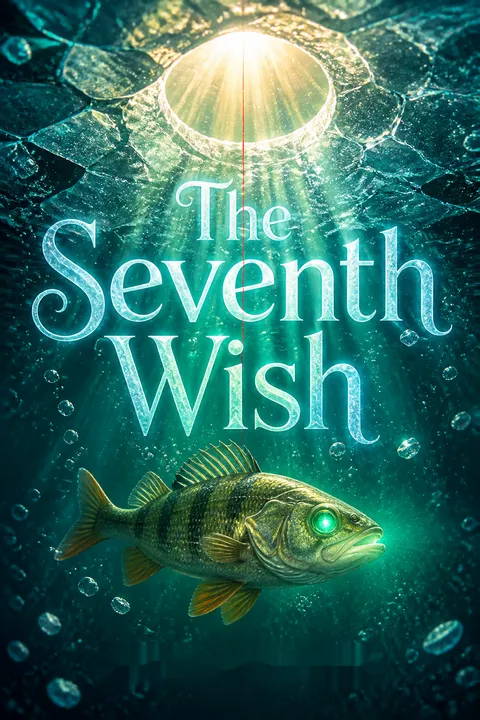
Charlie joins her friend Drew and his grandmother, Mrs. McNeill, for ice fishing, hoping to earn money for her dream dress. Despite her fear of the ice, she's drawn to the adventure. When she catches a small perch with glowing green eyes, the fish speaks, promising a wish if released. Skeptical but enchanted, Charlie wishes for Roberto Sullivan to fall in love with her—and, almost as an afterthought, to lose her fear of the ice. The wish's effects are immediate: her fear vanishes, and a boy named Bobby O'Sullivan (not Roberto) suddenly becomes infatuated with her. The fish's magic is real, but unpredictable. Charlie's world tilts as she realizes wishes can come true, but not always as expected, and the boundaries between magic and reality blur.
Wishes and Unintended Consequences
Charlie's initial wish emboldens her, but the results are mixed. Bobby's awkward affection is not what she wanted, and her newfound courage on the ice is both liberating and unsettling. As she continues fishing, she catches the wish fish again and wishes for her mother to get a full-time nursing job. The wish takes time, but eventually comes true, bringing relief and pride to the family. Encouraged, Charlie tries to use the fish's magic to help her friends: she wishes for Dasha, her Ukrainian friend, to pass her English test, and for Drew to succeed at basketball tryouts. Each wish brings partial success but also complications—Dasha struggles in regular classes, and Drew's basketball triumph is short-lived. Charlie learns that magic can't control everything, and unintended consequences are inevitable.
Dress Dreams and Friendship
Charlie's quest for a solo dress becomes a driving force. She ice fishes daily, earning money and building anticipation for the Montreal feis, where she hopes to buy her dream dress and move up in dance class with Dasha. The dress represents more than fashion—it's validation, belonging, and a reward for hard work. Friendships deepen as Charlie supports Dasha through language challenges and navigates Bobby's persistent crush. The girls share hopes, frustrations, and laughter, especially in dance class, where the rhythm and camaraderie offer solace. Yet, beneath the surface, Charlie senses her family's growing tension, especially as Abby's behavior becomes more erratic, hinting at deeper troubles to come.
Abby's Secret Struggles
Abby's withdrawal intensifies: she's moody, secretive, and physically unwell. When she returns to college, communication dwindles. Charlie, preoccupied with her own goals, notices but doesn't understand. The family's focus shifts to Abby's health when she's hospitalized for dehydration, but the true cause remains hidden. Later, a devastating phone call reveals Abby's heroin addiction—she's been using, lying, and is now in crisis. The revelation shatters Charlie's world. The family is plunged into fear, confusion, and guilt, struggling to comprehend how someone so loved and accomplished could fall so far. Charlie's sense of powerlessness grows, and the limits of magic—and of her own ability to help—become painfully clear.
Wishing for Others
As Abby enters treatment, Charlie's wishes become more urgent and selfless. She uses the fish's magic to secure insurance coverage for Abby's rehab, hoping for a cure. The family visits Abby at Forest Hills, a treatment center on a Vermont farm, where they meet others battling addiction. Charlie befriends Leah, another dancer whose mother is in recovery, and witnesses the pain and resilience of families like hers. The Serenity Prayer, recited at AA meetings, becomes a new kind of magic—one rooted in acceptance and courage. Charlie's wishes, once about dresses and dances, now center on survival, healing, and the hope that her family can be whole again.
The Cost of Magic
Charlie's faith in the wish fish falters as she sees the limits of magic. Her wishes for Dasha and Drew bring mixed results—success in one area leads to struggle in another. Abby's recovery is fragile, and relapse looms. Charlie's guilt grows: she wonders if her wishes have caused more harm than good, and if relying on magic has kept her from facing reality. The fish, once a source of wonder, now represents the dangers of easy solutions and the unpredictability of life. Charlie learns that some problems—addiction, grief, disappointment—can't be fixed with wishes, and that real change requires effort, honesty, and support.
Cracks in the Ice
Abby's return home is brief and bittersweet. She seems better, but struggles with loneliness and the loss of her old life. Charlie, hopeful but wary, tries to reconnect, but the wounds run deep. At a long-awaited feis, Abby disappears, taking Charlie's money and leaving her stranded. The truth emerges: Abby has relapsed, overdosed, and is hospitalized. The family is thrown into chaos and fear once more. Charlie's anger, grief, and helplessness are overwhelming. The ice—once a place of magic and possibility—now symbolizes danger, fragility, and the ever-present risk of loss. The cracks in the ice mirror the cracks in Charlie's family and her own heart.
The Truth About Abby
In the aftermath of Abby's overdose, Charlie confronts the harsh truths of addiction. She learns that recovery is not linear, that relapse is common, and that love alone cannot save someone. Abby's story, shared at an AA meeting, reveals the gradual, insidious nature of her addiction—from study drugs to heroin, from confidence to despair. Charlie grapples with anger, betrayal, and the desire for promises Abby can't make. The Serenity Prayer becomes a lifeline, teaching Charlie to accept what she cannot change and to find courage in what she can. The family's journey is marked by pain, but also by moments of connection, forgiveness, and hope.
Recovery and Relapse
Abby returns to treatment, and the family resumes their routine of visits, meetings, and cautious optimism. Charlie finds comfort in dance, friendship, and the rituals of daily life. She supports Dasha, Drew, and Catherine, learning that helping others is more powerful than wishing. The wish fish, once central, fades into memory as Charlie embraces the Serenity Prayer's wisdom. Abby's recovery is uncertain—she can't promise never to use again, only to try each day. Charlie learns to live with uncertainty, to celebrate small victories, and to accept that some things are beyond her control. The family's love endures, even as they navigate the unpredictable path of healing.
Accepting What Can't Change
Charlie's final encounter with the wish fish is harrowing: in a desperate attempt to save Abby, she falls through the ice and nearly drowns. Rescued by Mrs. McNeill, she realizes that magic cannot fix everything, and that some risks are too great. The Serenity Prayer, now a constant presence, guides her toward acceptance and resilience. Charlie lets go of the wish fish and the illusion of control, focusing instead on what she can do—supporting friends, dancing, and living fully. The family, though changed, finds new ways to connect and heal. Charlie's journey is one of growth, courage, and the wisdom to know the difference between what can and cannot be changed.
Dancing Through the Darkness
As spring arrives, Charlie returns to dance, now in the Novice class with Dasha. The rhythm, energy, and camaraderie of Irish dance become a source of strength and joy. The science fair project, friendships, and family rituals offer stability and meaning. Abby, still in treatment, works toward recovery one day at a time. Charlie learns to celebrate progress, to forgive, and to find magic in ordinary moments. The wish fish is gone, but the lessons remain: real magic lies in love, effort, and the courage to keep going, even when the outcome is uncertain. Charlie's story ends not with a wish, but with a dance—a testament to resilience and hope.
The Last Wish
Charlie's last wish is not for magic, but for serenity—the ability to accept what she cannot change, the courage to change what she can, and the wisdom to know the difference. The wish fish, lost beneath the melting ice, becomes a symbol of childhood's end and the beginning of a more mature understanding of life's complexities. Charlie's journey is marked by loss, disappointment, and pain, but also by love, friendship, and the discovery of inner strength. The story closes with Charlie dancing, surrounded by friends and family, embracing the uncertainty of the future with hope and determination.
Letting Go of Magic
With the wish fish gone, Charlie learns to rely on herself and her community. She supports her friends, excels in dance, and finds joy in small victories. Abby's recovery remains uncertain, but the family adapts, finding new ways to connect and support each other. The Serenity Prayer becomes a guiding principle, helping Charlie navigate the challenges of adolescence, family, and loss. The story's magic shifts from the supernatural to the everyday—the magic of resilience, love, and the courage to keep moving forward. Charlie's growth is evident as she lets go of childish fantasies and embraces the complexities of real life.
One Day at a Time
Abby's journey continues, marked by setbacks and progress. She learns to take recovery one day at a time, supported by her family and the lessons of AA. Charlie, too, adopts this mindset, focusing on the present and finding strength in daily routines, friendships, and dance. The family's story is one of perseverance, forgiveness, and the ongoing struggle to heal. The wish fish is a memory, replaced by the hard-won wisdom that real change comes from within. Charlie's promise—to never try drugs—becomes a powerful act of agency and hope, a commitment to herself and her family's future.
New Beginnings, No Promises
The story ends with Charlie and her friends preparing for new challenges—science fairs, dance competitions, and the uncertainties of adolescence. Abby, still in treatment, cannot promise never to relapse, but she commits to trying each day. Charlie learns that life offers no guarantees, only opportunities to love, support, and grow. The family, though changed, remains united by hope and resilience. The magic of the wish fish is gone, but a deeper magic endures—the magic of acceptance, courage, and the determination to keep dancing, no matter what the future holds.
Analysis
Kate Messner's The Seventh Wish is a poignant, genre-blending novel that uses the fantastical device of a wish-granting fish to explore the very real, contemporary crisis of addiction and its ripple effects on families. The story's magic is both literal and metaphorical, inviting readers to consider the allure—and the peril—of wishing for easy solutions to life's hardest problems. Through Charlie's eyes, we witness the pain of powerlessness, the complexity of love, and the slow, often painful process of acceptance. The novel's greatest strength lies in its refusal to offer tidy resolutions: wishes are unreliable, recovery is uncertain, and forgiveness is a daily practice, not a single act. The Serenity Prayer, woven throughout, becomes a touchstone for both characters and readers, emphasizing the importance of courage, wisdom, and acceptance. Ultimately, the book's message is one of hope grounded in reality: while magic may fail, the true sources of healing are love, community, and the willingness to keep moving forward—one day, one dance, one step at a time.
Review Summary
The Seventh Wish follows twelve-year-old Charlie, an Irish dancer who catches a wish-granting fish while ice fishing. Initially light and amusing, the story takes a serious turn when Charlie's older sister Abby is revealed to be struggling with heroin addiction. Reviewers praised Kate Messner's sensitive, age-appropriate handling of addiction's impact on families, noting the book challenges stereotypes from programs like D.A.R.E. Most recommend it for grades 4-8, emphasizing its importance for children dealing with similar situations and its value in teaching empathy and hope.
People Also Read


Characters
Charlie Brennan
Charlie is a middle schooler whose life revolves around Irish dance, friendship, and family. Sensitive and imaginative, she yearns for connection—especially with her older sister, Abby, whose absence and struggles cast a long shadow. Charlie's discovery of the wish fish awakens her belief in magic, but as her wishes bring mixed results, she's forced to confront the limits of fantasy and the complexities of real life. Her journey is one of growth: from innocent hope to hard-earned wisdom. Charlie's relationships—with friends, family, and herself—deepen as she learns to accept what she cannot change, to support others, and to find strength in love, effort, and community. Her resilience and empathy make her a compelling, relatable protagonist.
Abby Brennan
Abby is Charlie's older sister, once a role model and source of joy. Her transition to college is marked by increasing distance, moodiness, and secret struggles. Abby's descent into heroin addiction is gradual and devastating, shattering her family's trust and sense of safety. Her journey through treatment, relapse, and recovery is fraught with pain, shame, and uncertainty. Abby's inability to promise lasting change reflects the reality of addiction's grip, but her honesty and willingness to try each day offer hope. Her relationship with Charlie is central—marked by love, disappointment, and the slow rebuilding of trust. Abby's story is a powerful exploration of vulnerability, resilience, and the ongoing battle for self-redemption.
Dasha Beleko
Dasha, a recent immigrant from Ukraine, is Charlie's close friend and dance partner. Intelligent and hardworking, she excels in math and coding but struggles with English, making her journey through school and dance both challenging and inspiring. Dasha's perseverance, humility, and gratitude make her a stabilizing presence in Charlie's life. Her own struggles with language and belonging mirror Charlie's feelings of inadequacy and the desire for acceptance. Dasha's friendship is a source of comfort and motivation, and her eventual success—achieved through effort, not magic—reinforces the story's themes of resilience and the value of genuine support.
Drew McNeill
Drew is Charlie's longtime friend and ice fishing companion. Tall, awkward, and more interested in survival guides than sports, he's pressured by his father to excel in athletics. Drew's journey is one of self-acceptance: after a wish makes him briefly successful at basketball, he finds his true place as the school mascot and later in drama club. His humor, loyalty, and willingness to try new things make him a vital part of Charlie's support system. Drew's family, especially his wise grandmother Mrs. McNeill, provide warmth and stability, and his story highlights the importance of embracing one's unique strengths.
Mrs. McNeill
Drew's grandmother, Mrs. McNeill, is a retired science teacher and the group's unofficial guide. She introduces Charlie to ice fishing, offers practical wisdom, and provides emotional support during crises. Her own experience with addiction in the family gives her empathy and insight, especially as she shares the Serenity Prayer and helps Charlie understand the limits of control. Mrs. McNeill's blend of science and magic, pragmatism and compassion, makes her a grounding force in the story, helping Charlie navigate both the wonders and dangers of the world.
Bobby O'Sullivan
Bobby, a coding club member, becomes infatuated with Charlie after her first wish. His awkward, persistent affection is both a source of humor and discomfort, illustrating the unintended consequences of magic. As the story progresses, Bobby's crush fades, and he becomes a helpful, supportive friend—especially to Dasha. His subplot reinforces the theme that wishes can't create genuine connection, and that real relationships are built on understanding and shared interests.
Leah James
Leah, a talented Irish dancer in a higher class, becomes a friend and confidante to Charlie at the treatment center. Her mother's struggle with addiction parallels Abby's, offering Charlie a glimpse of the long-term impact of substance abuse on families. Leah's resilience, honesty, and passion for dance provide hope and solidarity. Her presence underscores the universality of addiction's reach and the importance of community in healing.
Mom (Mrs. Brennan)
Charlie's mother is a school nurse, practical and loving, but overwhelmed by Abby's addiction and the family's shifting needs. She juggles work, worry, and the desire to fix what's broken, often turning to research and action. Her journey is one of acceptance—learning that she can't control or cure Abby, but can offer support and love. Her relationship with Charlie is tested but ultimately strengthened by shared vulnerability and honesty.
Dad (Mr. Brennan)
Charlie's father is an English teacher, gentle and reliable. He provides stability and humor, especially through family traditions like the word game. His response to Abby's crisis is measured and compassionate, balancing hope with realism. Though less central than other characters, his presence anchors the family and models resilience in the face of adversity.
The Wish Fish
The wish fish, a magical perch with emerald eyes, is both a literal and symbolic force in the story. It grants wishes in exchange for freedom, but its magic is unpredictable and often double-edged. The fish represents childhood wonder, the desire for control, and the temptation of easy solutions. As Charlie's understanding deepens, the fish becomes a metaphor for the limits of magic and the necessity of accepting life's uncertainties. Its disappearance marks Charlie's transition from fantasy to maturity.
Plot Devices
The Wish Fish
The wish fish serves as the central plot device, blending fantasy with realism. Its unpredictable magic allows Charlie to explore her deepest desires—love, courage, success, healing—but each wish comes with unintended consequences. The fish's rules are ambiguous, echoing classic cautionary tales about wishes gone awry. Its presence enables the narrative to examine the limits of control, the dangers of shortcuts, and the complexity of human problems. The fish's eventual loss under the melting ice symbolizes the end of childhood illusions and the acceptance of life's messiness.
The Serenity Prayer
Introduced through Mrs. McNeill and reinforced at AA meetings, the Serenity Prayer becomes a recurring motif. It offers a framework for coping with addiction, disappointment, and the uncontrollable. The prayer's message—accept what you cannot change, change what you can, and seek wisdom—guides Charlie's transformation from wishful thinking to mature resilience. It bridges the magical and the real, providing comfort and direction when magic fails.
Family and Friendship Dynamics
The story's emotional arc is propelled by the evolving relationships between Charlie, her family, and her friends. Sibling bonds, parental love, and peer support are tested by secrets, addiction, and the fallout of wishes. The narrative structure alternates between moments of hope and crisis, mirroring the unpredictability of both magic and real life. The interplay of support, disappointment, and forgiveness deepens the story's impact and grounds its magical elements in authentic emotion.
Dance and Ice as Metaphors
Irish dance and the frozen lake serve as metaphors for Charlie's growth. Dance represents discipline, joy, and the pursuit of excellence, while the ice embodies risk, transformation, and the thin line between safety and danger. Both settings are sites of magic and challenge, shaping Charlie's identity and resilience. The melting ice and the progression through dance levels parallel her journey from innocence to maturity.
Download PDF
Download EPUB
.epub digital book format is ideal for reading ebooks on phones, tablets, and e-readers.








































