
Plot Summary
Wedding Night, Knives Drawn
Vaasalisa Kozár, princess of Asterya, is forced into a political marriage with Reid, the feared Wolf of Mireh. On their wedding night, Vaasa's survival instincts and trauma surface—she seduces, then attacks Reid, tying him to the bed and fleeing into the night. Her magic, a dangerous curse inherited from her mother, threatens to erupt with every surge of emotion. Vaasa's escape is not just from a marriage but from a life of being used as a pawn by her brother, Dominik, who has seized the Asteryan throne. The night is a crucible: Vaasa's cunning, anger, and the black mist of her magic define her as both weapon and fugitive, setting the tone for a story where trust is a luxury and violence a language.
Fleeing Into Shadows
Vaasa flees Mireh, selling her wedding silks for passage to Dihrah, the City of Scholars. She hides in plain sight, enrolling in a sodality under a false name, desperate to understand the curse that killed her mother and now festers inside her. The library becomes her sanctuary and obsession, but the answers she seeks are elusive. The magic is a living thing, coiling and hissing beneath her skin, feeding on her pain and fear. Vaasa's isolation is both a shield and a prison, and her only interactions—like with the kind Brielle—are tinged with suspicion and regret. The past haunts her, and the future is a maze of secrets and dangers.
Library of Secrets
Vaasa's nights are spent scouring ancient tomes for any mention of her curse. She discovers the legend of Veragi, goddess of witchcraft, and recognizes the black mist as her own inheritance. Memories of her mother's death—drained, colorless, surrounded by oily darkness—torment her. The truth is dangerous: magic is forbidden in Asterya, and Dominik's rule depends on keeping Vaasa's secret. The library's silence is broken by Brielle, whose offer of friendship Vaasa rebuffs, fearing exposure. The magic grows more volatile, responding to her emotions, threatening to consume her. Vaasa is trapped between the need for answers and the terror of what she might find.
The Wolf's Proposal
Reid tracks Vaasa to Dihrah, confronting her in the library. Their encounter is a tense dance of knives and words, each testing the other's resolve. Reid reveals he knows about her magic and proposes a bargain: she will act as his wife to secure his political future, and he will help her master her curse. The arrangement is fraught with mistrust, but both see the advantage. Vaasa's choice is not truly free, but it is the closest she's come to agency. The deal is struck—three years of partnership, after which she will be free. The stage is set for a relationship built on necessity, danger, and the possibility of something more.
Return to Mireh
Vaasa and Reid return to Mireh, their partnership a carefully constructed lie for the public. The city is vibrant, its people warm, but Vaasa remains guarded. She meets Kosana, Reid's formidable commander, and Mathjin, his advisor—both skeptical of her. The villa becomes her new prison and sanctuary, a place of uneasy peace. The boundaries of their arrangement are tested nightly, with banter and simmering tension. Vaasa's magic is ever-present, a reminder of the stakes. The past is never far behind, and the future is a game of survival and power.
Lessons in Magic
Reid introduces Vaasa to Melisina, the high witch of Veragi and his mother. In the Sodality of Setar, Vaasa finds a coven of witches who teach her to control her magic. The process is painful and humbling—Vaasa must confront her grief, anger, and fear. The magic is not a curse but a legacy, passed from mother to daughter. Through grounding and practice, Vaasa learns to direct the void within her, to sit with discomfort rather than be ruled by it. The coven becomes a surrogate family, offering acceptance and wisdom. For the first time, Vaasa glimpses the possibility of belonging.
Dancing in the Lower Garden
Reid and Vaasa must convince Mireh—and themselves—of their union's authenticity. In the Lower Garden, they dance for the city, their chemistry undeniable. The act blurs the line between pretense and reality, stirring feelings neither can fully admit. Kosana's jealousy and protectiveness add tension, while the city's warmth contrasts with Vaasa's memories of Asteryan coldness. The night is a turning point: Vaasa begins to see Mireh as a possible home, and Reid as more than a political partner. Yet, the threat of Dominik and the burden of secrets loom.
Training and Trust
Vaasa trains with Kosana and later Esoti, learning the physical skills needed to survive in Icruria. The sessions are grueling, marked by rivalry, respect, and the scars of past betrayals. Vaasa's magic is tested in combat, nearly spiraling out of control. The witches teach her to ground herself, to transform pain into power. Friendships deepen, especially with Amalie, whose own story of loss and resilience mirrors Vaasa's. The bonds of the coven and corps become lifelines, but trust is hard-won. Vaasa's identity shifts—from pawn to player, from weapon to woman seeking her own fate.
Bruises and Confessions
After a brutal training accident, Vaasa is forced to confront her limits and her past. Reid tends her wounds, and their guarded conversations give way to honesty. Vaasa reveals the truth about her family, her magic, and the dangers Dominik poses. Reid confesses his own fears and ambitions. The walls between them begin to crumble, replaced by a fragile trust. The specter of Asterya's succession law—where Vaasa's marriage gives Reid a claim to the throne—raises the stakes. Both realize that their fates are entwined, and that survival depends on cooperation and, perhaps, something deeper.
Bloodlines and Betrayals
Vaasa learns the full history of her bloodline: her great-grandmother was a founder of the Veragi coven, and her mother's silence was both a curse and a protection. The legacy of magic is one of pain, secrecy, and sacrifice. Melisina reveals the tangled web of alliances and betrayals that led to Vaasa's marriage. The truth about her mother's death—and the possibility of a Zetyr witch manipulating events—haunts Vaasa. The past is not dead; it is a living force shaping the present. Vaasa must decide where her loyalties lie, and what she is willing to risk for freedom and love.
Councilors and Alliances
The election for headman draws near, and alliances must be forged. Vaasa and Reid navigate the treacherous waters of Icrurian politics, courting councilors and outmaneuvering rivals. A visit from Dominik brings threats and poisoned gifts, forcing Vaasa to play a double game. The arrival of the Asteryan general, disguised as a Wrultho soldier, is a catalyst for violence and suspicion. Vaasa's skills as a negotiator and her willingness to spill blood earn her respect—and enemies. The line between performance and reality blurs, as love and ambition become inseparable.
The Asteryan Threat
Dominik's machinations escalate: an attack on the ship to Dihrah, led by Asteryan soldiers in Wrultho colors, nearly kills Reid and Vaasa. The general is captured, and Vaasa's loyalty is tested in blood. The election becomes a battleground, with Wrultho's foreman Ton and councilor Hunt playing their own games. Vaasa's past as Asteryan translator and pawn is weaponized against her. The specter of war looms, and every alliance is fragile. The cost of survival is ever higher, and the price of trust is steep.
The General's Gift
The journey to Dihrah is marred by violence as Asteryan forces, disguised as Wrultho, attack. Vaasa fights for her life and for Reid's, her magic a weapon and a liability. The capture of her cousin, General Ignac, becomes a political tool, offered as a gift to Wrultho. The gesture is both a peace offering and a warning. The lines between friend and foe blur, and Vaasa's actions have consequences for the entire continent. The threat of betrayal is ever-present, and the stakes are nothing less than the fate of nations.
The Coup Unleashed
The election in Dihrah is thrown into chaos by a coup orchestrated by Ton and Mathjin, with Dominik's shadow looming. Vaasa is kidnapped, forced to write a letter betraying Icruria's defenses. The arena becomes a battlefield as a Zetyr demon—the Miro'dag—slaughters indiscriminately. Ozik, the true Zetyr witch, reveals himself, manipulating events from the shadows. Vaasa's magic is both salvation and curse, her wolf form a manifestation of her pain and power. The cost of victory is blood, and the price of failure is annihilation.
The Demon in the Arena
In the climactic battle, Ozik unleashes the Miro'dag, killing Reid and threatening to destroy everything Vaasa loves. In desperation, Vaasa bargains her magic—her very self—for Reid's life. The exchange is agony, leaving her empty but saving the man she loves. Ozik's victory is incomplete; the witches rally, and the coup is crushed. Vaasa's journey comes full circle: from weapon to woman, from pawn to player, from curse to choice. The cost of power is everything, and the only way forward is through pain, love, and the hope of something better.
The Zetyr's Bargain
Ozik's manipulation is laid bare: he is the Zetyr witch behind the demon, the architect of Vaasa's suffering. The bargains he strikes are deadly, and the consequences are catastrophic. Vaasa's surrender of her magic is both a defeat and a liberation. The witches, led by Melisina, vow to fight on, but the balance of power has shifted. Reid, resurrected, must reckon with the price paid for his life. The future is uncertain, and the battle for Asterya and Icruria is far from over.
The Price of Power
Vaasa is taken by Ozik, her magic gone, her fate uncertain. Reid, now headman and emperor, is left to pick up the pieces. The witches mourn, but resolve to fight. The cost of love and power is laid bare: nothing is free, and every bargain has its price. Vaasa's journey is unfinished, her story a testament to resilience and the possibility of redemption. The wolf and the serpent are not enemies, but two sides of the same struggle—the fight to claim one's own life, no matter the cost.
The Wolf's Ascension
Reid, now both headman of Icruria and emperor of Asterya, vows to rescue Vaasa and reclaim what was lost. The witches unite, old rivalries set aside in the face of a greater threat. The legacy of pain and power is not yet broken, but hope endures. Vaasa's sacrifice is not in vain; her love and courage inspire those left behind. The story ends on the cusp of a new beginning, with the promise of reunion, justice, and the possibility that even the most broken can be made whole.
Analysis
A tale of trauma, agency, and the cost of powerThe Serpent and the Wolf is a sweeping fantasy that interrogates the legacy of pain and the possibility of transformation. At its heart, the novel is about reclaiming agency in a world determined to use, betray, and break its protagonists. Vaasa's journey—from pawn to player, from weapon to woman—is a meditation on the ways trauma shapes identity and the struggle to turn suffering into strength. The magic that haunts her is both curse and inheritance, a metaphor for the wounds we carry and the power we can claim. The political intrigue and shifting alliances reflect the real-world complexities of trust, loyalty, and survival. The novel's lesson is clear: freedom is not given, but fought for; love is not safe, but necessary; and the only way to break the cycle of pain is to choose hope, even when the cost is everything. In a world of serpents and wolves, the greatest victory is to become both—and neither—on one's own terms.
Review Summary
The Serpent and the Wolf receives mixed reviews, averaging 4.01/5 stars. Readers praise the political intrigue, slow-burn romance, strong female lead Vaasa, and compelling world-building. Popular tropes include enemies-to-lovers, arranged marriage, and found family. Many appreciate Reid's patience and kindness, though some find him one-dimensional. Common criticisms include choppy pacing, confusing magic system, underdeveloped world-building, formulaic writing, and excessive politics. The cliffhanger ending frustrated some but excited others. Reviewers debate whether it's true romantasy or fantasy with romance. Most agree it's an impressive debut with potential.
People Also Read








Characters
Vaasalisa Kozár
Vaasa is the eldest daughter of Asterya, trained from childhood to be a tool of her father's ambition and later a threat to her brother's rule. Her psyche is shaped by trauma, loss, and the burden of forbidden magic—a legacy that is both curse and inheritance. Vaasa's journey is one of self-discovery: from pawn to player, from victim to agent. Her relationships are fraught with mistrust, but she craves connection and belonging. The magic inside her is a metaphor for pain, anger, and the possibility of transformation. Vaasa's arc is about reclaiming agency, learning to love, and choosing her own fate, even at great cost.
Reid of Mireh
Reid is the foreman of Mireh, known as the Wolf for his strength, cunning, and reputation for brutality. Beneath the surface, he is pragmatic, compassionate, and deeply loyal. His relationship with Vaasa begins as a political arrangement but evolves into genuine partnership and love. Reid's psychological complexity lies in his struggle to balance power and vulnerability, duty and desire. He is haunted by loss and driven by hope, willing to risk everything for those he loves. Reid's development is marked by his willingness to trust, to forgive, and to fight for a future beyond violence.
Dominik Kozár
Dominik is Vaasa's younger brother and the new emperor of Asterya. His rule is defined by paranoia, cruelty, and the relentless elimination of threats—including his own sister. Dominik's psyche is shaped by insecurity and the legacy of their father's ruthlessness. He is both victim and perpetrator, trapped in a cycle of fear and violence. His relationship with Vaasa is a mirror of their shared trauma, and his downfall is a cautionary tale about the cost of power without love or trust.
Melisina Le Torneau
Melisina is the high witch of Veragi and Reid's mother. She is wise, formidable, and deeply compassionate, serving as mentor and surrogate mother to Vaasa. Melisina's strength lies in her ability to balance power with empathy, tradition with change. She is haunted by loss but refuses to be ruled by it, guiding her coven and family through crisis. Her relationship with Vaasa is transformative, offering the acceptance and guidance Vaasa never received from her own mother.
Amalie McCray
Amalie is a Veragi witch whose own story of loss and survival parallels Vaasa's. She is compassionate, intelligent, and fiercely loyal, becoming Vaasa's closest friend and confidante. Amalie's psychological journey is about reclaiming agency after trauma, learning to trust, and finding strength in vulnerability. Her friendship with Vaasa is a lifeline, and her courage in the face of danger is a testament to the power of chosen family.
Kosana
Kosana is Reid's commander of arms and a formidable warrior. Her relationship with Vaasa is initially antagonistic, marked by rivalry and suspicion, but evolves into mutual respect and alliance. Kosana's loyalty to Reid is unwavering, and her own struggles with trust and vulnerability mirror Vaasa's. She is a symbol of strength, discipline, and the possibility of reconciliation after betrayal.
Mathjin
Mathjin is Reid's trusted advisor, whose calm exterior hides deep wounds and a capacity for betrayal. His actions are driven by grief and a desire for revenge, making him both sympathetic and dangerous. Mathjin's arc is a study in the corrosive power of loss and the dangers of unchecked pain. His betrayal is a turning point, forcing Vaasa and Reid to confront the limits of trust and the cost of survival.
Ozik
Ozik is the true antagonist, a Zetyr witch who orchestrates much of the suffering in the story. He is cunning, patient, and ruthless, using bargains and magic to achieve his ends. Ozik's psychological complexity lies in his ability to exploit the weaknesses of others, to turn love and loyalty into weapons. He is a cautionary figure, embodying the dangers of unchecked ambition and the seductive power of magic.
Esoti
Esoti is a member of Reid's corps and later Vaasa's trainer and protector. She is skilled, pragmatic, and fiercely loyal, providing both physical and emotional support. Esoti's development is marked by her willingness to challenge authority, to adapt, and to fight for those she cares about. Her relationship with Vaasa is one of mutual respect and growing trust.
Brielle
Brielle is a student at the Sodality of Una who offers Vaasa friendship and guidance. Though her role is minor, she is a symbol of the kindness and acceptance Vaasa struggles to trust. Brielle's actions have far-reaching consequences, helping to set the stage for Vaasa's journey of self-discovery and belonging.
Plot Devices
Political Marriage and Power Bargains
The central plot device is the forced marriage between Vaasa and Reid, which serves as both a political alliance and a crucible for character development. The marriage is a site of negotiation, betrayal, and eventual love, reflecting the broader themes of agency, power, and survival. The bargains struck—between Vaasa and Reid, between witches and rulers, between enemies and allies—drive the narrative, forcing characters to confront the cost of power and the limits of trust.
Magic as Metaphor and Weapon
The black mist of Veragi magic is both literal and symbolic, representing pain, anger, and the possibility of healing. Magic is inherited, forbidden, and dangerous, shaping the destinies of those who wield it. The process of mastering magic parallels the journey of self-acceptance and the struggle to transform suffering into strength. The magic's volatility and the bargains required to wield it are central to the plot's tension and resolution.
Dual Narrative Structure
The story alternates between Vaasa's internal journey and the external political machinations of Icruria and Asterya. The dual structure allows for deep psychological exploration while maintaining the momentum of a high-stakes political thriller. The convergence of personal and political stakes is achieved through foreshadowing, parallel character arcs, and the interplay of secrets and revelations.
Foreshadowing and Symbolism
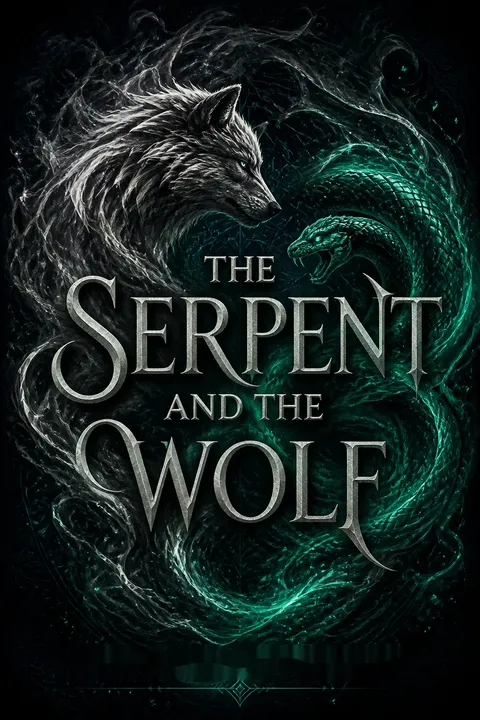
The recurring imagery of serpents and wolves symbolizes the duality of power and vulnerability, predator and prey, curse and choice. The story is rich in foreshadowing—early betrayals hint at later coups, the volatility of magic presages catastrophic bargains, and the dance between Vaasa and Reid mirrors the larger dance of nations. The use of symbols—knives, ropes, rings—reinforces the themes of bondage, agency, and transformation.
Betrayal and Redemption
Betrayal is a constant threat, from familial treachery to political coups. The narrative structure uses betrayal as both a plot engine and a means of character development, forcing protagonists to confront their own flaws and the consequences of their choices. Redemption is possible, but never easy; it requires sacrifice, honesty, and the willingness to break cycles of pain.
Download PDF
Download EPUB
.epub digital book format is ideal for reading ebooks on phones, tablets, and e-readers.








































