
Plot Summary
Shadows Between Worlds
Lyra Silvertongue, now a young woman at St. Sophia's College, Oxford, is estranged from her dæmon, Pantalaimon. Their unique ability to separate—gained at great cost in the world of the dead—has become a source of pain and alienation. Oxford is tense, haunted by political unrest and the tightening grip of the Magisterium. One night, Pan witnesses a murder by the river, setting in motion a chain of events that will draw Lyra into a web of secrets, danger, and self-discovery. The world feels colder, more rational, and less magical, and Lyra's internal struggle mirrors the external threats gathering around her. The emotional distance between Lyra and Pan is both a symptom and a cause of the larger fractures in their world.
Estrangement and Secrets
The murder Pan witnesses leads to the discovery of a rucksack filled with cryptic documents, botanical samples, and a mysterious journal. Lyra and Pan's relationship is strained by unspoken resentments and philosophical disagreements, especially over Lyra's fascination with rationalist thinkers who deny the existence of dæmons and the supernatural. As Lyra investigates the murder, she uncovers layers of secrecy in her own past and in the institutions around her. The college's new Master is cold and bureaucratic, and Lyra learns her financial support is gone, leaving her vulnerable. The sense of sanctuary she once felt in Oxford is eroding, replaced by uncertainty and fear.
Murder by Moonlight
The murder of Dr. Hassall, a botanist returning from Central Asia, is a pivotal event. Pan, separated from Lyra, witnesses the attack and is entrusted with a wallet containing vital clues. The killers are connected to the police, making it dangerous for Lyra to seek help from the authorities. The rucksack Hassall left behind contains documents about a mysterious desert, Karamakan, and a red building guarded by enigmatic priests. The murder is not just a crime but a symptom of deeper conflicts—over knowledge, power, and the nature of Dust. Lyra and Pan's investigation draws them into a dangerous game, pursued by those who want to suppress the truth.
The Rucksack's Burden
The contents of Hassall's rucksack reveal a world of intrigue: laissez-passers, scientific notes, and a journal describing a perilous journey into the desert of Karamakan. The roses found there are linked to Dust and have properties that threaten the Magisterium's authority. The journal speaks of separation, pain, and the possibility of knowledge that could upend the world's religious and political order. Lyra and Pan's handling of the rucksack puts them in grave danger, as powerful forces seek to recover its secrets. The burden is not just physical but existential, forcing Lyra to confront questions about belief, imagination, and the cost of truth.
Rosewater and Ruin
The scarcity of rosewater in Oxford is a metaphor for the loss of innocence and the encroachment of darkness. The rose trade is collapsing due to political turmoil and the actions of the men from the mountains, who destroy gardens and persecute growers. Lyra's friends are affected—some face financial ruin, others emotional distress. The rosewater's fragrance evokes memories and longing, connecting the personal to the political. The motif of roses weaves through the narrative, symbolizing beauty, transience, and the hidden connections between worlds. Lyra's search for meaning becomes entwined with the fate of the roses and the mysteries of Dust.
The Scholar's Sanctuary
The ancient protection of scholastic sanctuary is being dismantled by the Magisterium's new laws. Lyra's position in Jordan College is precarious; she is forced to move out and is denied the privileges she once enjoyed. The college's new Master is complicit in her marginalization. However, Lyra finds unexpected allies in Malcolm Polstead (her childhood rescuer), Alice Lonsdale, and Dame Hannah Relf. Together, they reveal hidden truths about Lyra's past and the dangers she faces. The bonds of friendship and loyalty offer a fragile refuge as the world grows more hostile and uncertain.
The Alethiometer's Dilemma
Lyra's relationship with the alethiometer is fraught; she has lost the intuitive ability to read it and must rely on laborious study. A new, experimental method of reading the alethiometer is spreading, promising speed but causing nausea and disorientation. Olivier Bonneville, a brilliant but unstable reader, is using this method for the Magisterium. The alethiometer becomes a battleground between old and new ways of knowing, between imagination and cold logic. Lyra's struggle to regain her connection to the alethiometer mirrors her struggle to reconcile reason and wonder, skepticism and faith.
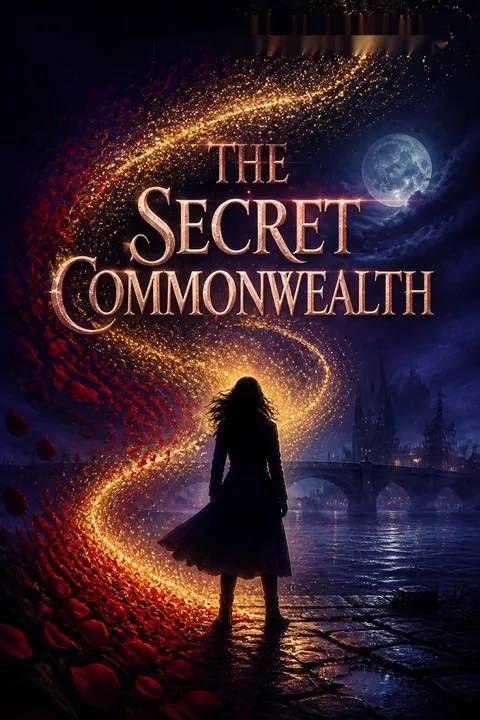
The Secret Commonwealth
The secret commonwealth is the realm of fairies, ghosts, dæmons, and all that is half-seen and half-believed. It is the world of imagination, stories, and the hidden life of things. Lyra's rationalism has cut her off from this world, and Pan accuses her of losing her imagination. The stories told by gyptians and others evoke a sense of wonder and fear, suggesting that reality is richer and stranger than reason alone can grasp. The secret commonwealth is both a metaphor and a reality, shaping the events of the story and the inner lives of the characters.
The Blue Hotel Beckons
Lyra's quest leads her eastward, following clues to the legendary Blue Hotel—a ruined city said to be inhabited by dæmons without their people. The journey is perilous, taking her through war-torn lands, among refugees and exiles, and into the heart of the desert. Along the way, she encounters others who have lost their dæmons, forming a secret society of the dispossessed. The Blue Hotel becomes a symbol of loss, longing, and the possibility of reunion. Lyra's search for Pan is also a search for herself, for meaning, and for the restoration of what has been broken.
Dæmons in Exile
Pantalaimon, traveling alone, experiences the dangers and loneliness of exile. He meets others who have lost their people, including Nur Huda, a refugee girl. Together, they journey toward the Blue Hotel, hoping for reunion and healing. The plight of dæmons and their people echoes the broader themes of displacement, trauma, and the search for belonging. The narrative explores the psychological and spiritual costs of separation, as well as the resilience and creativity that arise in response. The community of the lost becomes a source of strength and hope.
The Brotherhood's Fire
The men from the mountains, driven by a new and violent creed, wage war on the rose gardens and the people who tend them. Their hatred of roses is both literal and symbolic—a rejection of beauty, pleasure, and the senses. The Brotherhood of the Holy Purpose spreads terror and destruction, fueled by religious and political zealotry. The Magisterium exploits the chaos to consolidate its power, using violence and fear to suppress dissent. The fire that consumes the roses is also the fire of intolerance, threatening to consume the world's diversity and richness.
The Magisterium Ascends
Marcel Delamare, the cunning Secretary General of La Maison Juste, orchestrates the rise of the new High Council of the Magisterium. Through manipulation, blackmail, and murder, he becomes the sole leader of the Church, wielding unprecedented power. The assassination of the Patriarch is a turning point, enabling Delamare to impose a new order. The Magisterium's alliance with corporate interests, especially Thuringia Potash, reveals the entanglement of religion, politics, and commerce. The old protections and freedoms are swept away, and the world enters a new era of authoritarian rule.
The Journey Eastward
Lyra, Malcolm, and Pan (separately) travel eastward, pursued by enemies and haunted by their own doubts. The journey is both physical and metaphysical, taking them through landscapes of danger and wonder. They encounter refugees, exiles, and secret allies, each with their own stories and wounds. The Silk Road is a path of commerce, culture, and myth, connecting worlds and histories. The journey tests their endurance, courage, and capacity for hope. Along the way, they confront the limits of reason, the power of stories, and the necessity of imagination.
The City of the Moon
Lyra reaches the ruins of the Blue Hotel, or Madinat al-Qamar, the City of the Moon. The place is haunted by dæmons and memories, a liminal space between life and death, presence and absence. Here, the boundaries between worlds are thin, and the secret commonwealth is palpable. Lyra is reunited with Nur Huda, and together they enter the heart of the ruins, seeking Pan and the possibility of healing. The city is a place of testing, where the past must be confronted and the future chosen. The journey has brought Lyra to the edge of the known, and what lies beyond is uncertain.
The Price of Imagination
The search for Pan and the restoration of imagination come at a high price. Lyra endures violence, betrayal, and the loss of innocence. The world she inhabits is harsh and unforgiving, and the forces arrayed against her are formidable. Yet the story insists on the value of imagination, empathy, and the secret commonwealth. The price of wonder is suffering, but the alternative is a world of dead reason and sterile power. Lyra's journey is a testament to the necessity of stories, dreams, and the courage to seek what is lost.
Reunion in Ruins
In the ruins of the Blue Hotel, Lyra and Pan are on the verge of reunion. The journey has changed them both, and the wounds they bear are deep. Yet the possibility of healing remains, rooted in love, forgiveness, and the rediscovery of imagination. The community of the lost offers solidarity and hope, and the secret commonwealth is revealed as both a source of danger and a wellspring of meaning. The story ends on a note of anticipation, with the promise of resolution and the continuation of the quest.
The World Unraveled
The events of the story have unraveled the old order and set the world on a new and perilous path. The Magisterium's power is ascendant, but resistance endures in the form of Oakley Street and the secret commonwealth. The boundaries between worlds are thin, and the future is uncertain. Lyra, Pan, and their allies face new dangers and new possibilities. The story is unfinished, suspended between loss and hope, exile and homecoming. The world is unmade and must be remade, and the task falls to those who can imagine it.
To Be Continued…
The narrative closes with Lyra and Nur Huda entering the heart of the Blue Hotel, seeking Pan and the restoration of what has been lost. The journey is not over; the story is to be continued. The themes of exile, imagination, and the secret commonwealth remain unresolved, inviting the reader to anticipate the next stage of the quest. The world is poised on the edge of transformation, and the fate of Lyra, Pan, and their world hangs in the balance.
Analysis
A modern fable of loss, imagination, and resistanceThe Secret Commonwealth is a profound meditation on the costs of disenchantment and the necessity of imagination in a world threatened by authoritarianism, fanaticism, and the deadening logic of power. Through Lyra's journey—marked by estrangement from her dæmon, the loss of innocence, and the search for meaning—the novel explores the psychological and spiritual wounds inflicted by a culture that denies the reality of the secret commonwealth: the world of stories, shadows, and wonder. The narrative insists that reason alone is insufficient; that empathy, creativity, and the courage to believe in what cannot be measured are essential for survival and renewal. The plight of refugees, the destruction of beauty, and the rise of tyranny are not just background but integral to the story's moral vision. The book is a call to resist the forces that would reduce the world to what can be counted and controlled, and to reclaim the richness of the imagination, the solidarity of the lost, and the hope of reunion. In the end, The Secret Commonwealth is unfinished—a story suspended between exile and homecoming, loss and hope, inviting the reader to continue the quest for meaning in a world that is always on the verge of being remade.
Review Summary
Reviews of The Secret Commonwealth are polarizing, averaging 4.03/5 stars. Fans praise Pullman's rich worldbuilding, mature themes, and the fascinating exploration of Lyra as a young adult estranged from her daemon Pan. Critics argue the 600+ page novel is overly long, poorly paced, and lacks a satisfying climax. Recurring complaints include an unnecessary assault scene, an uncomfortable romantic subplot between Malcolm and Lyra given their age gap and history, heavy-handed real-world allegories, and the book functioning more as setup for a third installment than a complete story.
People Also Read
Characters
Lyra Silvertongue
Lyra is the protagonist, now a young woman grappling with the loss of innocence, the estrangement from her dæmon, and the collapse of the certainties that once guided her. Her journey is both external—a perilous quest across continents—and internal, as she struggles to reconcile reason and imagination, skepticism and wonder. Lyra's relationships are marked by longing, loss, and the search for belonging. Her capacity for empathy and her stubborn courage drive her forward, even as she is wounded by betrayal and violence. Lyra's development is a movement from certainty to doubt, from isolation to the possibility of reunion and healing.
Pantalaimon
Pan is Lyra's dæmon, her closest companion and the embodiment of her inner life. Their ability to separate is both a gift and a curse, leading to estrangement and suffering. Pan accuses Lyra of losing her imagination, and his departure is a catalyst for her journey. Alone, Pan experiences the dangers and loneliness of exile, but also forms new bonds and discovers resilience. His longing for Lyra and his quest to restore what has been lost mirror the larger themes of the story. Pan's development is a journey from dependence to autonomy, from anger to forgiveness.
Malcolm Polstead
Malcolm is Lyra's childhood rescuer, now a scholar and secret agent for Oakley Street. He is loyal, resourceful, and deeply in love with Lyra, though he struggles with the boundaries of their relationship. Malcolm's journey is one of self-sacrifice and endurance, as he risks everything to protect Lyra and uncover the secrets of the roses and Dust. His psychological complexity lies in his blend of practicality and idealism, his capacity for both action and reflection. Malcolm's development is marked by the tension between duty and desire, vulnerability and strength.
Alice Lonsdale
Alice is Lyra's surrogate mother and a figure of strength and resilience. Her past is marked by trauma and violence, but she channels her pain into fierce loyalty and protection for Lyra. Alice's relationship with Malcolm is deep and complicated, rooted in shared history and mutual respect. She is unafraid to confront authority and injustice, and her arrest by the CCD is a testament to her courage. Alice's development is a movement from secrecy to solidarity, from isolation to alliance.
Dame Hannah Relf
Hannah is Lyra's tutor in the alethiometer and a key figure in Oakley Street. She embodies wisdom, patience, and ethical clarity, guiding Lyra through the complexities of knowledge and power. Hannah's psychoanalysis reveals a deep sense of responsibility and a capacity for both skepticism and faith. Her relationship with Lyra is maternal and intellectual, offering both comfort and challenge. Hannah's development is a journey from secrecy to openness, from caution to action.
Marcel Delamare
Delamare is the Secretary General of La Maison Juste and the chief antagonist. He is cunning, ruthless, and driven by a desire for control. Delamare's psychological profile is marked by cold calculation, a capacity for cruelty, and a willingness to exploit any means to achieve his ends. His relationships are transactional, and his rise to power is built on betrayal and violence. Delamare's development is a movement from shadowy influence to open domination, embodying the dangers of unchecked authority.
Olivier Bonneville
Olivier is the son of a notorious scientist and the Magisterium's most gifted alethiometrist. He is driven by ambition, resentment, and a desire for recognition. Olivier's psychological complexity lies in his blend of genius and instability, his capacity for both insight and cruelty. His relationship with Lyra is adversarial, marked by envy and obsession. Olivier's development is a descent into paranoia and violence, mirroring the larger collapse of order and meaning.
Abdel Ionides
Ionides is a Levantine guide who helps Lyra reach the Blue Hotel. He is resourceful, witty, and morally ambiguous, navigating the dangers of a world in turmoil with pragmatism and charm. Ionides's psychological profile is marked by adaptability, a capacity for empathy, and a willingness to exploit opportunities. His relationship with Lyra is transactional but not without genuine concern. Ionides's development is a movement from self-interest to reluctant solidarity.
Nur Huda el-Wahabi
Nur Huda is a young woman who, like Lyra, has lost her dæmon. Her journey is one of survival, displacement, and the search for belonging. Nur Huda's psychological complexity lies in her resilience, her capacity for hope, and her willingness to trust. Her relationship with Pan and Lyra is one of solidarity and shared suffering. Nur Huda's development is a movement from trauma to agency, from isolation to community.
Princess Rosamond Cantacuzino
The princess is an elderly woman who has lost her dæmon and lives in seclusion. Her story is one of love, loss, and the search for meaning. She offers Lyra wisdom, hospitality, and a connection to the secret commonwealth. The princess's psychological profile is marked by dignity, regret, and a capacity for storytelling. Her relationship with Lyra is maternal and confessional, offering both warning and encouragement. The princess's development is a movement from isolation to legacy, from silence to testimony.
Plot Devices
Separation and Estrangement
The ability of Lyra and Pan to separate is a unique plot device that drives the narrative's emotional and philosophical core. It is both a source of trauma and a means of survival, enabling them to act independently but at great cost. The estrangement between Lyra and Pan mirrors the larger fractures in the world—between reason and imagination, authority and freedom, self and other. The device is used to explore themes of loss, identity, and the possibility of healing.
The Alethiometer and New Methods
The alethiometer is both a magical instrument and a symbol of the limits of reason. The emergence of a new, experimental method of reading it—faster but destabilizing—reflects the tension between tradition and innovation, intuition and analysis. The device is used to explore questions of epistemology, the dangers of unchecked rationalism, and the necessity of imagination. The alethiometer's ambiguity and power make it a focal point for conflict and discovery.
The Secret Commonwealth
The secret commonwealth is a narrative device that blurs the boundaries between reality and myth, reason and wonder. It is invoked through stories, dreams, and encounters with the uncanny. The device allows the narrative to explore the richness and strangeness of the world, the power of belief, and the dangers of disenchantment. The secret commonwealth is both a metaphor for the imagination and a reality that shapes events.
Political Intrigue and Betrayal
The rise of the new High Council of the Magisterium, the assassination of the Patriarch, and the machinations of Delamare are driven by political intrigue and betrayal. The device is used to explore the entanglement of religion, commerce, and violence, the fragility of sanctuary and freedom, and the dangers of authoritarianism. The narrative structure is complex, with multiple points of view and intersecting plots, creating a sense of suspense and uncertainty.
Exile, Refugees, and Displacement
The journeys of Lyra, Pan, and the refugees they encounter are shaped by displacement, loss, and the search for belonging. The device is used to connect the personal to the political, to explore the costs of war and fanaticism, and to evoke empathy for the dispossessed. The motif of exile recurs throughout the narrative, reinforcing themes of home, identity, and the possibility of return.
Foreshadowing and Dreams
Dreams, omens, and foreshadowing are used to create a sense of destiny and anticipation. Lyra's dreams of the cat dæmon, the recurring motif of the Blue Hotel, and the hints of future conflict all serve to build suspense and deepen the narrative's emotional resonance. The device is used to explore the interplay of fate and free will, the power of the unconscious, and the role of imagination in shaping the future.
About the Author
Other books by Philip Pullman

Download PDF
Download EPUB
.epub digital book format is ideal for reading ebooks on phones, tablets, and e-readers.








































