
Key Takeaways
1. True belonging requires choosing intention over ambition
I wanted to make every moment intentional. Wake up intentionally. Work intentionally. Eat intentionally. And rest intentionally.
Choosing a mindful path. Hilarie Burton's departure from the highly successful television show One Tree Hill was sparked by a profound sense of disillusionment and the tragic death of her high school friend, Scott Kirkpatrick, in Iraq. This loss forced her to re-evaluate her priorities, realizing that Hollywood's ambitious climb was leaving her spiritually empty. She sought a life defined by deliberate choices rather than industry expectations.
Seeking wide-open spaces. Her journey led her away from the superficiality of Los Angeles to the historic, pastoral town of Rhinebeck, New York. In this small Dutch community, she found a landscape that mirrored her childhood desires for connection and simplicity.
- Leaving a toxic television set to find creative autonomy.
- Trading the fast-paced city life for a rustic, one-thousand-square-foot log cabin.
- Embracing the physical realities of chopping wood, mowing lawns, and planting gardens.
Reinventing the self. By choosing a simpler life, Hilarie discovered that true belonging is not found in professional accolades but in the quiet, daily rhythms of home. This transition allowed her to shed her Hollywood persona and reconnect with her authentic self. It proved that stepping back from a career can sometimes be the only way to move forward.
2. Community is not just a place to live, but a sanctuary to protect
So we were aware that when you find a community that nurtures you and your family, it isn’t enough to just live in it; you must also nurture and protect that place and all the people who give you respite, solace, joy, and just enough hell to keep life interesting.
The power of place. Upon moving to Rhinebeck, Hilarie and Jeffrey Dean Morgan discovered a rare, tightly-knit community that operated on mutual respect and neighborly care. Unlike the isolating anonymity of Los Angeles, this small town offered a network of local merchants, farmers, and friends who immediately embraced them. They quickly realized that a nurturing environment requires active participation to survive.
Cultivating local relationships. Their integration into Rhinebeck was facilitated by everyday interactions that blossomed into deep, protective friendships. They learned that protecting a town means showing up for its people in times of need.
- Befriending Ira Gutner, the charismatic owner of Samuel's Sweet Shop, who became their town guide.
- Relying on neighbors like Farmer Mike, who watched over their property and shared local wisdom.
- Supporting local businesses like Williams Lumber and Osaka sushi restaurant.
A reciprocal sanctuary. This mutual protection created a safe haven where the Morgans could raise their son, Gus, away from the predatory glare of celebrity culture. The town shielded them, and in return, they dedicated themselves to preserving its historic character. This symbiotic relationship demonstrated that a true home is built through shared responsibility.
3. Manual labor and working with the earth provide profound emotional healing
Love is like farm work. It requires consistency, and imagination. Your body will ache and you will be fatigued, but there is no greater reward than seeing the fruits of your labor.
Healing through dirt. When Hilarie faced deep personal grief and professional exhaustion, she turned to physical labor as a form of therapy. Working with her hands on the cabin and later at Mischief Farm allowed her to channel her anxious energy into tangible, constructive projects. The simple, concrete truths of the earth provided a grounding contrast to the chaotic uncertainties of her acting career.
The therapeutic grind. Engaging in demanding physical tasks became a daily ritual that restored her sense of agency and self-worth. She found that sawdust in her hair and dirt under her fingernails were badges of honor.
- Stripping wallpaper, sanding floors, and painting the dark cabin to bring in light.
- Building raised garden beds and learning the delicate science of companion planting.
- Shoveling manure and clearing thick brambles of wild roses to create safe pastures.
Harvesting inner strength. The physical exhaustion of farm work acted as a natural sedative for her overactive mind, replacing anxiety with a deep, satisfying fatigue. By nurturing plants and animals, she slowly nurtured herself back to health. This hands-on lifestyle proved that emotional restoration often begins with physical effort.
4. True partnership is forged through shared labor and vulnerability
We’d found a sanctuary where authenticity mattered. The truths at the farm were concrete.
Building a shared foundation. Hilarie and Jeffrey's relationship began as a whirlwind romance, but their transition into parenthood and rural life tested their bond. In the early years, they struggled with communication, often hiding their vulnerabilities behind busy schedules and superficial gestures. It was only when they committed to the shared, demanding reality of Mischief Farm that their partnership truly solidified.
Laboring side by side. Working together on the farm forced them to drop their defenses and rely on each other's strengths. They traded grand, romantic gestures for the quiet intimacy of working toward common goals.
- Building a stone fire pit together to create a gathering space in the woods.
- Renovating the old, dilapidated farmhouse to serve as a creative sanctuary.
- Coordinating the daily care of their growing menagerie of rescue animals.
Vulnerability as strength. When tragedy and loss threatened to pull them apart, they learned to face their grief together rather than retreating into isolation. By sharing the heavy lifting of both farm work and emotional trauma, they forged an unbreakable bond. Their marriage was not the start of their commitment, but a celebration of the hard-won authenticity they built together.
5. Preserving local institutions honors the legacies of those we lose
This was not a business opportunity for us; this was a save-Samuel’s-for-the-town situation.
Honoring a sudden loss. The sudden death of Ira Gutner, the beloved owner of Samuel's Sweet Shop, left a gaping hole in the heart of Rhinebeck and devastated the Morgan family. Ira had been a cornerstone of the community, offering warmth, candy, and connection to everyone who walked through his doors. Faced with the threat of the shop being sold to corporate interests, Hilarie, Jeffrey, and their close friends stepped in to save it.
A collective rescue mission. Buying the debt-ridden candy store was an act of pure preservation, aimed at keeping Ira's dream alive for the town. They partnered with John Traver, Ira's long-time manager, to ensure the shop's legacy remained intact.
- Assuming the shop's significant debts to clear Ira's name and secure its future.
- Renovating the space with a cheerful, vintage color scheme while preserving its historic charm.
- Engaging local artisans, bakers, and volunteers to keep the shelves stocked and the community involved.
A living memorial. Under their stewardship, Samuel's Sweet Shop transformed from a struggling business into a thriving, community-supported landmark. By dedicating their time and resources to the shop, they kept Ira's spirit alive in the daily life of the town. This endeavor proved that the best way to grieve a community pillar is to uphold the sanctuary they created.
6. Grief must be actively processed rather than silently endured
We had been living in the same space but leading parallel lives.
The isolation of sorrow. Following a devastating miscarriage, Hilarie found herself trapped in a cycle of silent grief and self-loathing. She attempted to mask her pain by throwing herself into endless farm chores and pretending to be "fine" to the outside world. This emotional suppression created a dangerous chasm between her and Jeffrey, who processed his own grief by retreating into solitary labor.
The cost of silence. Their parallel lives threatened to dismantle the family they had worked so hard to build. They realized that ignoring their shared trauma was driving them apart rather than protecting them.
- Hiding out in separate parts of the farm to avoid difficult conversations.
- Channeling grief into obsessive physical projects, like Jeffrey's endless wood chopping.
- Faking strength for their son, Gus, while crumbling internally.
Finding a shared language. The turning point came when they finally allowed themselves to be vulnerable and speak their grief aloud. By acknowledging their mutual pain and feelings of failure, they began to bridge the gap between them. This painful honesty allowed them to heal as a unit, proving that grief cannot be outrun by hard work alone.
7. Pouring pain into the service of others can rebuild a broken spirit
Working on this with all of you has meant so much to me personally.
Redirecting maternal energy. In the wake of her miscarriages, Hilarie was left with an overwhelming abundance of maternal love and nowhere to direct it. Rather than letting this empty space consume her, she channeled her grief into a massive renovation project for Astor Services for Children and Families. This local residential treatment center housed children who had survived severe abuse and neglect, living in sterile, prison-like conditions.
A community-led transformation. Hilarie mobilized a dedicated team of local craftsmen, merchants, and mothers to completely redesign and renovate the children's living spaces. They worked tirelessly to bring warmth, color, and dignity to a place that had been forgotten.
- Securing donations of paint, furniture, and decor from generous local businesses.
- Creating a whimsical, nature-themed design to bring the beauty of the outdoors inside.
- Renovating bedrooms, kitchens, and common areas to give the children a sense of ownership and pride.
Healing through giving. By creating a beautiful sanctuary for these vulnerable children, Hilarie found a profound sense of purpose that helped heal her own broken heart. The project allowed her to mother children who desperately needed care, transforming her private sorrow into public joy. This experience demonstrated that when we heal others, we often heal ourselves.
8. Reclaiming your voice and speaking truth to power dismantles systemic trauma
There is a moment of absolute freedom when you realize that the things that used to scare you have no power over you anymore.
Breaking the silence. For years, Hilarie carried the heavy burden of her experiences with sexual harassment and abuse in the entertainment industry. Like many young women, she had been trained to be a "good sport" and laugh off predatory behavior to protect her career. However, the rise of the #MeToo movement and a sudden public reminder of her own past assault forced her to confront these buried traumas.
Confronting systemic abuse. Hilarie chose to speak out publicly, detailing the toxic and abusive environment she endured during her years on One Tree Hill. Her bravery sparked a collective response from her former female co-stars, who united to expose their abuser.
- Publicly addressing a past on-camera assault to challenge the narrative of complicity.
- Co-authoring a joint letter with eighteen female cast and crew members exposing systemic harassment.
- Giving a detailed, five-hour interview to Variety to ensure the truth could not be ignored.
The power of collective voice. By reclaiming her narrative, Hilarie stripped her abusers of their power and helped dismantle a culture of silence that had protected them for decades. This act of defiance was not just for her own healing, but to protect future generations of young women, including her daughter, George. It proved that speaking the truth is a vital act of self-preservation and collective empowerment.
9. Life on a farm teaches acceptance of the natural cycles of life and death
For every death, there is a birth. For every winter, there is a summer.
The wisdom of the seasons. Living on Mischief Farm exposed the Morgan family to the raw, unfiltered realities of nature's cycles. They learned that life and death are not separate events, but deeply interconnected parts of a larger, beautiful design. This perspective became a source of comfort as they navigated their own personal losses, from miscarriages to the deaths of beloved pets and friends.
Embracing the natural order. The daily responsibilities of caring for livestock provided constant, living metaphors for resilience and rebirth. They watched as the farm replenished itself, even after the harshest winters.
- Burying their beloved dog Bisou and their favorite chicken Red beneath the ancient trees.
- Welcoming the unexpected births of baby cows, donkeys, and ducklings in the spring.
- Watching their children, Gus and George, develop a healthy, fearless understanding of mortality.
Finding peace in the dirt. By aligning their lives with the rhythms of the earth, Hilarie and Jeffrey found a sustainable peace that Hollywood could never offer. The farm taught them to accept both the harvest and the fallow periods with equal grace. Ultimately, Mischief Farm proved that while life is fragile, the cycle of love and renewal is enduring.
Review Summary
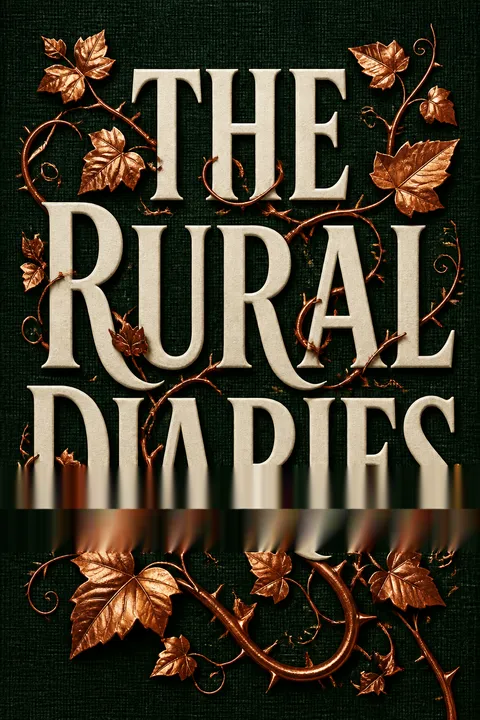
The Rural Diaries receives widespread praise for its genuine, heartfelt storytelling and Hilarie Burton Morgan's candid voice. Many readers highlight her openness about infertility, relationship challenges, and Hollywood's darker side, as well as her inspiring transition to farm life. The memoir is frequently described as warm, relatable, and emotionally resonant, with readers appreciating included recipes and farming tips. Some critics note the privileged perspective and occasional repetitiveness, finding the lifestyle difficult to relate to financially. Overall, the majority found it an uplifting, authentic love letter to rural living and community.
People Also Read






Download PDF
Download EPUB
.epub digital book format is ideal for reading ebooks on phones, tablets, and e-readers.








































