
Plot Summary
Moonstone's Curse Unleashed
King Edmund of the Dark Kingdom, tormented by nightmares and a sense of doom, becomes obsessed with destroying the powerful Moonstone Opal, a gem that has cursed his family for generations. Despite his wife's warnings and his own doubts, Edmund attempts to destroy the stone, unleashing a catastrophe that destroys his kingdom and kills his beloved wife. In the chaos, he entrusts his infant son to Maeve, his wife's loyal handmaiden, with strict instructions to hide the boy's origins and ensure he never returns. The king's final act is to send his son away with a sack of treasured storybooks, hoping the child will find a better fate. The Moonstone's curse, and the king's mistakes, set the stage for a legacy of loss, secrecy, and longing.
Orphanage Brotherhood
Years later, Eugene Fitzherbert, the king's lost son, grows up in Miss Clare's Home for Boys, an orphanage where camaraderie and nightly storytelling bind the boys together. Eugene, charismatic and attention-loving, reads from his cherished Flynn Rider books, captivating his fellow orphans and especially the younger ones like Marius. His best friend, Arnie (Arnwaldo Schnitz), is his opposite—quiet, practical, and loyal. Together, they create a sense of family in a world that has otherwise forgotten them. Their bond is tested by the realities of orphan life, but their shared dreams and nightly adventures keep hope alive, even as they wonder about their futures and the families they never knew.
The Legend of Flynn Rider
Eugene idolizes the fictional Flynn Rider, a dashing rogue who lives by his wits and charm. The stories become a blueprint for Eugene's own aspirations: to find adventure, fortune, and, most importantly, his real family. The boys at the orphanage act out Rider's escapades, turning their drab surroundings into a stage for heroics and mischief. Eugene's longing for identity and belonging is fueled by these tales, and he clings to the hope that his parents are out there, searching for him. The legend of Flynn Rider becomes both a comfort and a challenge, pushing Eugene to imagine a life beyond the orphanage walls.
Miss Clare's Family
Miss Clare, the orphanage's matron, is a stern but loving figure who treats the boys as her own. She teaches them that family is not defined by blood, but by the bonds they choose to form. When financial troubles threaten the orphanage, and the cruel tax collector Kurtis Frost pressures Miss Clare, Eugene and Arnie step up to help, even as they grapple with the pain of seeing younger boys like Marius adopted while they remain behind. Miss Clare's wisdom and warmth anchor the boys, but the looming threat of separation and the mystery of Eugene's origins cast a shadow over their fragile happiness.
Lance Archer and Legends
The boys are fascinated by the legend of Lance Archer, a Robin Hood–like figure rumored to help the poor. Arnie claims to have seen him, and the myth becomes a symbol of hope and rebellion against the injustices they face. When the orphanage's window is broken during one of Eugene's performances, the boys speculate that Archer might help them, but Miss Clare insists on self-reliance. The legend of Archer, like that of Flynn Rider, fuels Eugene's desire for adventure and justice, and hints at the possibility of secret benefactors and hidden truths in their world.
The Circus Arrives
Excitement sweeps the village as the Great Baron and His Unusual Oddities, a traveling circus, arrives with promises of magic, dragons, and fortune. Eugene and Arnie are drawn to the spectacle, dazzled by the performers and the promise of a life beyond the orphanage. They meet Andy, a boy their age who claims the circus is his family, and are tempted by the idea of joining. The circus's allure is both enchanting and dangerous, offering escape but also testing their loyalty to Miss Clare and the only home they've ever known.
Tempted by Adventure
Eugene and Arnie wrestle with the decision to leave the orphanage and join the circus. The prospect of adventure, money, and the chance to search for Eugene's parents is irresistible, but the pain of leaving their found family is real. As the circus's darker side emerges—conning villagers with fake miracles and selling "moonstone tonic"—the boys must decide what kind of men they want to become. The pull of destiny, the need for belonging, and the lure of the unknown converge, setting them on a path that will test their courage and their friendship.
Joining the Oddities
Eugene and Arnie, now adopting the names Flynn Rider and Lance Strongbow, are initiated into the circus through a series of dangerous and humiliating tests. They must prove themselves to the Baron and his motley crew, navigating rivalries, learning the tricks of the trade, and discovering the blurred lines between performance and deception. The circus becomes a surrogate family, but one built on secrets, schemes, and shifting loyalties. Flynn's charm and Lance's practicality help them survive, but the cost of belonging begins to mount as they are drawn deeper into the Baron's world.
The Baron's Test
The Baron, a charismatic but ruthless leader, assigns Flynn and Lance a crucial task: to retrieve a mysterious key from the infamous Snuggly Duckling tavern, aided (and hindered) by the treacherous Stabbington brothers. The mission is fraught with danger, deception, and close calls with the law. Flynn's quick thinking and Lance's loyalty see them through, but the experience exposes the moral ambiguities of their new life. The Baron rewards them with acceptance and gifts, but the boys begin to question the true nature of the circus and their place within it.
New Names, New Lives
As Flynn Rider and Lance Strongbow, the boys embrace their new identities, learning the skills of thievery, performance, and survival. The circus's camaraderie is intoxicating, but the constant scheming and the Baron's manipulations create unease. Flynn is haunted by the mystery of his origins and the symbol on his letter, while Lance finds purpose in the kitchen and among the crew. Their friendship is tested by secrets, jealousy, and the demands of their roles. The search for family, identity, and meaning becomes more urgent as the Baron unveils his grandest plan yet.
The Key to Trouble
The key stolen from the Snuggly Duckling is revealed to be central to the Baron's plot: a heist targeting the kingdom's greatest treasure—the reward for the lost princess. Flynn and Lance are chosen to play pivotal roles, but their growing doubts and moral qualms threaten to unravel the plan. The Stabbington brothers' rivalry, the Baron's threats, and the pressure to prove themselves force the boys to confront the cost of their choices. The line between right and wrong blurs as they are swept up in a scheme that could change their lives forever.
The Snuggly Duckling Heist
Disguised as royal guards, Flynn and Lance infiltrate the Antiquities Shoppe to steal the princess's reward. The heist is a whirlwind of deception, quick thinking, and narrow escapes, complicated by the Stabbingtons' treachery and the ever-present threat of discovery. As they face the reality of stealing from a grieving royal family, Flynn's conscience and Lance's loyalty are put to the ultimate test. The boys must decide whether to follow the Baron's orders or risk everything to do what's right, even if it means betraying their new family.
Escape and Betrayal
Flynn and Lance, unable to go through with the theft, outsmart the Baron and his crew by switching the real treasure with a chest of junk. Their betrayal is discovered, and they are cast out, pursued by both the circus and the law. In a desperate bid for redemption, they return the treasure to the kingdom, risking imprisonment and the wrath of the Baron. Their friendship, tested by lies and misunderstandings, is ultimately reaffirmed as they choose loyalty, honesty, and compassion over riches and revenge.
Circus Life and Doubts
Life with the circus is a whirlwind of excitement, camaraderie, and constant hustle, but the darker side of the Baron's leadership becomes increasingly apparent. Flynn and Lance witness the toll of endless scheming, the pressure to perform, and the moral compromises required to survive. The search for identity and purpose intensifies as Flynn uncovers clues about his past and the meaning of the mysterious mark. The boys grapple with the realization that true family is not found in deception or ambition, but in the bonds they choose to honor.
The Man with the Mark
Flynn finally confronts Vedis, the circus's animal trainer, who bears the same mark as the one on Flynn's letter. Vedis reveals the truth: the mark is the symbol of the lost Dark Kingdom, destroyed by the Moonstone's curse. Flynn's parents, like so many others, may be lost forever. The revelation is devastating, but it also brings clarity. Flynn's quest for identity shifts from a search for blood ties to an acceptance of the family he has chosen. The pain of loss is tempered by the hope of new beginnings and the enduring strength of friendship.
The Baron's Grand Plan
The Baron unveils his most ambitious scheme: to steal the reward for the lost princess during the kingdom's grand festival. Flynn and Lance are at the center of the plan, but their doubts and guilt grow as the day approaches. The tension between loyalty to the crew and the demands of conscience reaches a breaking point. The boys must choose between complicity in a crime that will hurt the innocent, or risking everything to make things right. The stakes are higher than ever, and the consequences of their decision will shape their futures.
The Lost Princess's Reward
In a final act of courage and defiance, Flynn and Lance outwit the Baron and the Stabbingtons, returning the stolen treasure to the kingdom and exposing the circus's crimes. Their actions earn them the forgiveness of the king and queen, who recognize the boys' good hearts and grant them freedom. The experience cements their bond and redefines their understanding of family, honor, and belonging. The lost princess remains a symbol of hope and longing, but Flynn and Lance have found their own place in the world, forged through adversity and choice.
Loyalty and Redemption
With the circus behind them and the orphanage saved by a single golden egg, Flynn and Lance set out on a new journey, free from the shadows of the past. They embrace the lessons learned: that family is chosen, not given; that true heroism lies in compassion and integrity; and that the search for identity is less about blood than about the bonds we build. The story ends with the promise of new adventures, as Flynn Rider and Lance Strongbow—no longer orphans, but brothers—walk into the sunrise, ready to write their own legend.
Analysis
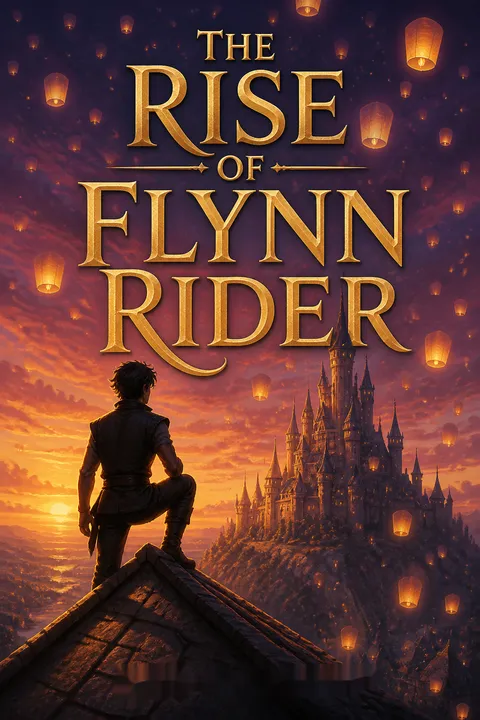
The Rise of Flynn Rider is a vibrant, emotionally resonant coming-of-age tale that reimagines the classic orphan's journey through the lens of adventure, humor, and moral complexity. At its heart, the story is about the search for identity and belonging in a world marked by loss, secrecy, and shifting allegiances. By weaving together elements of legend, heist, and found family, the narrative explores the tension between the desire for escape and the need for connection. The characters' struggles with loyalty, guilt, and forgiveness mirror the universal challenges of growing up and choosing one's path. The book's modern relevance lies in its celebration of chosen family, its critique of authority and injustice, and its affirmation that true heroism is found not in grand gestures, but in everyday acts of kindness, courage, and self-discovery. Ultimately, The Rise of Flynn Rider invites readers to embrace their own stories, to find strength in vulnerability, and to believe that, no matter how lost we may feel, we can always choose who we become.
Review Summary
The Rise of Flynn Rider receives mostly positive reviews (3.9/5 stars), with readers praising its fun, action-packed story exploring Eugene Fitzherbert's origin as a 12-year-old orphan. Fans of Tangled and especially the TV series appreciate numerous Easter eggs and character cameos. The book follows Eugene and best friend Lance joining a circus that leads to their life of crime. Common criticisms include canon inconsistencies with both the movie and series, particularly regarding Eugene's knowledge of the Dark Kingdom and relationships with Snuggly Duckling characters. Despite plot concerns, readers find it an adorable, quick read perfect for middle-grade audiences.
People Also Read

Characters
Eugene Fitzherbert / Flynn Rider
Eugene is the orphaned son of King Edmund, raised without knowledge of his royal heritage. Charismatic, witty, and hungry for adventure, he idolizes the fictional Flynn Rider, shaping his identity around stories of heroism and daring. Eugene's deepest longing is for family and belonging, a need that drives his every action—from his devotion to the boys at the orphanage, to his willingness to risk everything for a chance at a new life. His journey is one of self-discovery, as he learns that true heroism is not about daring deeds, but about loyalty, compassion, and the courage to do what's right. Through trials, betrayals, and revelations, Eugene grows from a boy seeking escape to a young man who understands the value of chosen family and the power of forgiveness.
Arnwaldo Schnitz / Lance Strongbow
Arnie, later known as Lance Strongbow, is Eugene's steadfast best friend and the emotional heart of the story. Grounded, resourceful, and quietly brave, he balances Eugene's impulsiveness with caution and care. Arnie's sense of home is rooted in the orphanage and the family he has built there, but his loyalty to Eugene leads him into the unknown. He is a natural caretaker, finding purpose in cooking and supporting others, but struggles with feelings of abandonment and insecurity. Arnie's journey is one of self-worth and trust, as he learns to forgive, to stand up for what he believes in, and to embrace the adventure of forging his own destiny alongside his chosen brother.
The Baron
The Baron is the enigmatic and magnetic leader of the circus, a man who offers lost boys a sense of belonging while exploiting their talents for his own gain. He is both mentor and antagonist, embodying the seductive allure of found family and the dangers of moral compromise. The Baron's charm masks a ruthless pragmatism; he rewards loyalty but punishes dissent, and his grand plans often come at the expense of innocence. His relationship with his daughter Staylan and his crew is complex, blending genuine care with manipulation. The Baron's presence forces Eugene and Lance to confront the cost of belonging and the meaning of true loyalty.
Miss Clare
Miss Clare is the heart of the orphanage, a woman whose love and wisdom create a home for boys who have none. She teaches that family is made, not given, and her unwavering support shapes Eugene and Arnie's understanding of belonging. Miss Clare's strength is tested by financial hardship and the threat of losing her boys, but her resilience and compassion never waver. She is a moral compass, reminding the boys of the importance of kindness, honesty, and self-reliance. Her influence endures even after Eugene and Arnie leave, guiding their choices and anchoring their sense of self.
Vedis
Vedis is the circus's animal trainer and a mysterious figure marked by the same symbol as Eugene's letter. He is a survivor of the destroyed Dark Kingdom, carrying the weight of loss and the burden of memory. Vedis's reluctance to share his past is rooted in trauma and guilt, but his eventual revelation provides Eugene with painful clarity about his origins. Vedis represents the cost of survival and the difficulty of moving on from tragedy. His presence is a catalyst for Eugene's acceptance of loss and his embrace of the family he has chosen.
Andy
Andy is a boy from another orphanage who finds a new family in the circus. Friendly, adaptable, and eager to belong, he serves as a guide for Eugene and Arnie as they navigate their new environment. Andy's enthusiasm and openness contrast with the cynicism of some of the older crew, and his loyalty is genuine. He is a reminder that family can be found in unexpected places, and that hope endures even in difficult circumstances.
The Stabbington Brothers (Sideburns and Patchy)
The Stabbingtons are the Baron's muscle—tough, competitive, and not above petty revenge. Their rivalry with Eugene and Arnie adds tension and humor, but also highlights the dangers of life on the margins. They are both bullies and victims, shaped by the same need for belonging that drives the protagonists. Their shifting loyalties and eventual betrayal underscore the precariousness of trust in a world built on schemes.
Staylan
Staylan is the Baron's daughter, a capable and self-assured young woman who manages the circus's logistics and ticket sales. She is pragmatic, sharp-tongued, and unafraid to challenge her father or the boys. Staylan's presence complicates the dynamics of the crew, offering both friendship and rivalry. She represents the possibility of agency and self-determination, and her interactions with Eugene and Arnie challenge them to think beyond their own desires.
King Edmund
Edmund is the ill-fated king whose attempt to destroy the Moonstone sets the story in motion. His love for his family is genuine, but his obsession and secrecy lead to disaster. Edmund's legacy is one of loss and regret, but also of hope—his final act of sending his son away with stories is an act of love that shapes Eugene's destiny. He is a cautionary figure, reminding the reader of the dangers of pride and the importance of honesty.
Kurtis Frost
Kurtis Frost is the kingdom's tax collector, a petty and vindictive man who threatens Miss Clare and the orphanage. He embodies the arbitrary cruelty of authority and the vulnerability of the powerless. His presence galvanizes Eugene and Arnie to action, and his eventual downfall is a small but meaningful victory for justice and compassion.
Plot Devices
Dual Identity and Reinvention
The story's central device is the theme of identity—Eugene's transformation into Flynn Rider, Arnie's adoption of Lance Strongbow, and the constant reinvention required to survive. Names are both shields and aspirations, allowing the boys to escape their pasts and imagine new futures. The tension between who they are and who they wish to become drives the narrative, and the process of choosing a name becomes an act of self-creation.
Found Family vs. Blood Family
The contrast between biological ties and chosen bonds is explored through the orphanage, the circus, and the search for Eugene's parents. The story repeatedly asks what makes a family: is it blood, shared experience, or mutual care? The answer evolves as the boys move from longing for lost parents to embracing the family they have built together.
Heist Structure and Moral Dilemmas
The narrative is structured around a series of heists and schemes, each escalating in complexity and moral ambiguity. The tension between the thrill of adventure and the cost of wrongdoing is ever-present, forcing the characters to confront their values and the consequences of their choices. The final heist—stealing the princess's reward—serves as the crucible in which loyalty, guilt, and redemption are tested.
Foreshadowing and Symbolism
Symbols such as the Moonstone, the mark on Eugene's letter, and the recurring motifs of stories and legends foreshadow the revelations to come. The use of books, letters, and tattoos as carriers of meaning ties the personal to the epic, linking individual destinies to the fate of kingdoms. The lanterns for the lost princess, the jade bracelet, and the golden egg all serve as symbols of hope, loss, and the possibility of renewal.
Narrative Voice and Humor
The story's tone is lively, witty, and self-referential, echoing the voice of Flynn Rider himself. Humor and banter lighten the darker themes, making the emotional journey accessible and relatable. The narrative's playfulness invites the reader to question appearances, challenge authority, and find joy even in adversity.
Download PDF
Download EPUB
.epub digital book format is ideal for reading ebooks on phones, tablets, and e-readers.








































