
Plot Summary
Awakening in the Dump
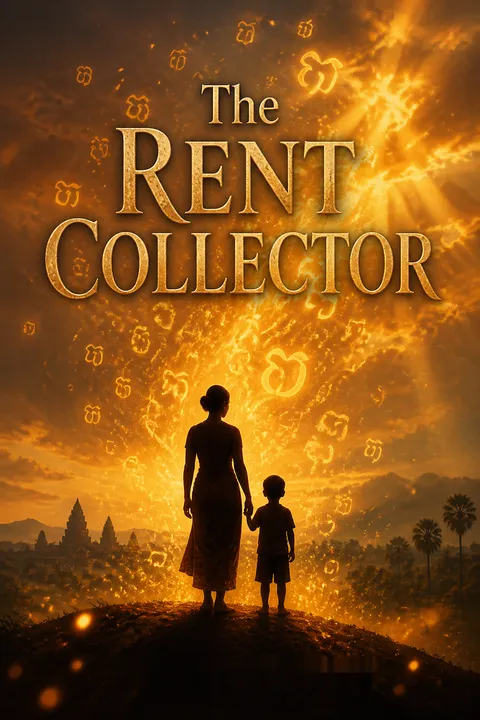
Sang Ly, a young mother, wakes from a dream of her childhood in rural Cambodia to the harsh reality of life at Stung Meanchey, Phnom Penh's sprawling garbage dump. Her husband, Ki Lim, and their sickly son, Nisay, share a makeshift home surrounded by filth and danger. Despite the squalor, Sang Ly clings to hope, recalling her grandfather's words about patience and persistence. The dump is both a prison and a community, where families scavenge for survival, children play among the trash, and fires smolder beneath the surface. Sang Ly's daily struggles are compounded by her son's mysterious illness and the ever-present threat of eviction by the dump's rent collector, Sopeap Sin, a woman as feared as she is despised.
The Rent Collector's Visit
The infamous rent collector, Sopeap Sin—nicknamed "the Cow" for her harshness—arrives to collect rent. Sang Ly and Ki are short on money, having spent what little they had on medicine for Nisay. Sopeap is unyielding, threatening eviction if the debt isn't paid by nightfall. Her presence is a reminder of the powerlessness and vulnerability of the dump's residents. Yet, beneath her abrasive exterior, Sopeap's eyes linger on a children's book Ki found for Nisay, hinting at a hidden depth. The encounter leaves Sang Ly anxious but determined to find a way to keep her family together.
Luck, Loss, and a Book
Ki and Sang Ly experience a rare stroke of luck, finding valuable scrap metal and earning enough to pay the rent. Their joy is short-lived when Ki is attacked and robbed by a gang, returning home bloodied and defeated. The family's fragile security is shattered. That evening, Sopeap returns, drunk and furious, but is unexpectedly transfixed by Nisay's picture book. Overcome with emotion, she breaks down, revealing a vulnerability that shocks Sang Ly. The book, a simple object, becomes a catalyst for change, exposing cracks in Sopeap's hardened façade and igniting Sang Ly's curiosity about the rent collector's past.
Sopeap's Secret Grief
The next day, Sopeap returns, sober but subdued, and offers to forgive a month's rent in exchange for the book. Sang Ly, sensing an opportunity, asks Sopeap to teach her to read. Sopeap is reluctant, questioning Sang Ly's motives and the value of hope in a place like Stung Meanchey. Yet, she sets conditions: Sang Ly must bring rice wine each week and do her homework diligently. The arrangement is unconventional, but for Sang Ly, it is a lifeline—a chance to give her son a future beyond the dump. The lessons begin, and with them, a fragile bond forms between teacher and student.
A Bargain for Literacy
Sang Ly's first lessons are grueling. Khmer script is complex, and Sopeap is a demanding teacher, quick to anger and slow to praise. Ki is skeptical, fearing that education will change their family's dynamic or offer false hope. Yet, Sang Ly persists, driven by the belief that literacy can open doors for Nisay. The lessons become a refuge from the dump's chaos, and Sang Ly's determination grows. She dreams of teaching her son to read, of stories that might inspire him to fight his illness. The act of learning becomes an act of resistance—a way to reclaim dignity in a world that offers little.
Letters, Lessons, and Doubt
As Sang Ly learns her letters, she faces setbacks and moments of despair. Sopeap's drinking worsens, and her health declines. The lessons are often interrupted by the realities of dump life—illness, violence, and poverty. Yet, small victories emerge: Sang Ly reads her first word, "luck," on a discarded hamburger wrapper, and the achievement fills her with pride. She begins to see literature everywhere, in scraps of paper and overheard stories. The process of learning to read transforms her perception of the world, revealing beauty and meaning amid the garbage.
Hope and Hardship
With each lesson, Sang Ly's confidence grows. She reads simple children's books, then poetry and fables. Sopeap introduces her to the idea that literature is more than words—it is a way of seeing, a means of understanding life's complexities. Yet, hope is fragile. Nisay's illness persists, and the threat of violence from gangs looms. When Lucky Fat, a cheerful orphan, asks Sang Ly to teach him to write his name, she realizes the ripple effect of her education. The dump remains a place of suffering, but also of unexpected kindness and resilience.
The World of Words
Sopeap's lessons expand to include literature from Cambodia and beyond—fables, epics, and tales of hope and tragedy. Sang Ly learns that stories are layered with meaning, offering lessons about good and evil, sacrifice, and the human condition. The act of reading becomes a form of survival, a way to make sense of suffering and to imagine a better future. Sopeap, once dismissive of hope, begins to soften, sharing her own love of literature and the pain that drove her to the dump. The relationship between teacher and student deepens, built on mutual need and the healing power of words.
Literature's Hidden Gifts
As Sang Ly's literacy blossoms, she discovers that literature is everywhere—even in the dump. A poem from her cousin, a manual on growing rice, and a Cambodian Cinderella story all become sources of insight and comfort. Sopeap explains that stories repeat across cultures because hope is universal, embedded in the human heart. Yet, she warns that not all stories end happily, and that the lessons of literature are often paradoxical. The dump, like the stories Sang Ly reads, is a place of both ugliness and beauty, despair and redemption.
Shadows and Sacrifice
Violence escalates at the dump. Ki and other men organize to confront the gangs, seeking justice for attacks on their families and friends. Sang Ly grapples with the moral ambiguity of revenge, recalling the story of Captain Ahab and the white whale. Sopeap teaches that true evil must be confronted, but warns of the dangers of becoming consumed by hatred. The lines between hero and villain blur, and Sang Ly learns that sacrifice is the mark of true heroism. The community's struggle against the gangs becomes a test of their collective strength and values.
The Girl Named Maly
Lucky Fat brings Sang Ly to a young girl, Maly, who has begun menstruating and fears being sold into prostitution by her brother, a gang member. Sang Ly and Ki hide Maly, risking their own safety. The episode exposes the vulnerability of children in the dump and the moral compromises forced by poverty. With the help of neighbors and Sopeap's financial support, Maly is sent to safety in the countryside. The act of saving Maly affirms the power of community and the importance of standing up to evil, even when the cost is high.
Stories That Save
Sopeap's lessons turn to tragedy and redemption. She introduces Sang Ly to stories of star-crossed lovers, epic journeys, and the phoenix that rises from ashes. Through these tales, Sang Ly learns that suffering is universal, but so is the capacity for renewal. The stories become a map for navigating grief, loss, and hope. When a gang member is killed in a mob attack, Sang Ly and Ki are forced to confront the consequences of violence and the complexity of justice. The boundaries between victim and perpetrator, hero and shadow, blur.
The Power of Words
Sang Ly discovers the transformative power of words—not just in literature, but in daily life. She learns that words can heal, inspire, and connect people across divides. Sopeap reveals her own scars, both physical and emotional, and the two women find solace in their shared vulnerability. The act of storytelling becomes an act of resistance against despair, a way to assert meaning in a world that often seems senseless. As Sang Ly's literacy deepens, she becomes a teacher herself, passing on the gift of words to others in the dump.
The Phoenix and the Past
Sopeap's health deteriorates, and she reveals fragments of her past—a life as a university literature professor, shattered by the Khmer Rouge. Her drinking and bitterness are rooted in trauma and survivor's guilt. As she prepares to leave Stung Meanchey, she entrusts Sang Ly with her books and lessons. Sang Ly learns that Sopeap is not who she seemed; her true name is Soriyan, and she once sacrificed everything to save another. The story of the phoenix becomes a metaphor for Sopeap's life—a cycle of destruction and rebirth, pain and transcendence.
The Healer's Touch
Desperate to save her son, Sang Ly travels with Ki and Nisay to her childhood province to seek out the Healer, a traditional medicine man. The journey is both physical and spiritual, reconnecting Sang Ly with her roots and her father's memory. The Healer's treatment, a blend of ritual and compassion, brings unexpected improvement to Nisay's health. Along the way, Sang Ly discovers a photograph of her father and learns that the Healer's own path was shaped by loss and regret. The experience affirms the importance of hope, tradition, and the bonds of family.
Loss, Return, and Renewal
Returning to Stung Meanchey, Sang Ly finds her home ransacked and all possessions stolen. Yet, the community rallies, offering food, tools, and shelter. Nisay's health continues to improve, and Sang Ly is filled with gratitude. She receives a final letter and a collection of essays from Sopeap, who has disappeared. The essays reveal Sopeap's true story—a tale of sacrifice, guilt, and the search for redemption. Sang Ly realizes that the greatest lessons are not found in books, but in acts of kindness, courage, and forgiveness.
The Final Lesson
Determined to find her teacher before it's too late, Sang Ly follows clues in Sopeap's writings, enlisting the help of Ki and others. She discovers that Sopeap was not merely a rent collector, but the true owner of the dump's properties, secretly supporting her family and others. The search leads to a grand house in Phnom Penh, where Sopeap, now dying, has returned to the place of her greatest loss. Surrounded by family and those she helped, Sopeap is finally recognized for her sacrifices. Sang Ly reads to her as she passes, fulfilling the promise of literature to heal and unite.
The Epilogue: Truth Revealed
In the aftermath of Sopeap's death, Sang Ly gathers the community to share the true story of the woman they knew as the Cow. She reframes Sopeap's life as a mythic tale of a princess sent to bring hope to the hopeless, disguised in filth but radiant within. The dump remains a place of hardship, but also of beauty, resilience, and love. Sang Ly, now a teacher herself, continues the cycle of learning and giving. The final lesson is clear: stories—whether tragic or triumphant—contain truths that can redeem even the most broken lives.
Analysis
A modern parable of hope, literacy, and redemptionThe Rent Collector is a profound meditation on the power of stories to heal, transform, and redeem. Set in the stark reality of a Cambodian garbage dump, the novel refuses to romanticize poverty, yet insists on the dignity and agency of its characters. Through Sang Ly's journey from illiteracy to literacy, the book explores how education is not merely a tool for escape, but a means of understanding and embracing life's complexity. The relationship between Sang Ly and Sopeap—student and teacher, victim and survivor—embodies the possibility of connection across divides of class, trauma, and despair. The novel's use of interwoven stories, archetypes, and symbolism invites readers to see their own lives reflected in the struggles of the dump's residents. Ultimately, The Rent Collector argues that hope is not a naive illusion, but a hard-won achievement, forged in suffering and sustained by acts of kindness, courage, and storytelling. The lessons of the book are clear: no one is beyond redemption, every life contains the seeds of transformation, and the stories we tell—about ourselves and others—shape the world we inhabit.
Review Summary
The Rent Collector receives mixed reviews (4.27/5). Readers praise the inspiring story of Sang Ly, who lives in a Cambodian dump and learns to read from her rent collector, formerly a professor. Many appreciate the celebration of literature's power and the hopeful message. However, critics highlight significant flaws: Sang Ly's voice sounds like an educated American rather than an impoverished Cambodian woman; the tone feels inauthentic and preachy; and the author appropriated real people from his son's documentary without visiting Cambodia himself, raising concerns about white privilege and cultural misrepresentation.
People Also Read








Characters
Sang Ly
Sang Ly is the heart of the novel—a young mother living in the Stung Meanchey dump, determined to save her sick son and build a better life. Her journey from illiteracy to literacy is both literal and symbolic, representing the struggle for dignity amid poverty. Sang Ly is introspective, compassionate, and fiercely persistent. Her relationships—with her husband Ki, her son Nisay, and her teacher Sopeap—reveal her capacity for love, forgiveness, and growth. Through hardship, she learns that hope is not naive, but essential, and that stories can transform even the bleakest reality.
Ki Lim
Ki is Sang Ly's husband, a hardworking picker who shoulders the burdens of poverty and danger with stoic resolve. He is practical, sometimes skeptical of change, but deeply loyal to his family. Ki's journey mirrors Sang Ly's: he must learn to balance the need for security with the risks of hope and transformation. His willingness to fight for his family, both physically and emotionally, marks him as a quiet hero. Ki's evolving support for Sang Ly's education and his role in the community's resistance to violence highlight his growth and adaptability.
Nisay
Nisay, Sang Ly and Ki's infant son, is the catalyst for much of the novel's action. His chronic illness embodies the vulnerability of the poor and the desperation of parents to save their children. Nisay's gradual recovery, following traditional and modern treatments, parallels Sang Ly's own journey toward healing and self-discovery. He represents the future—the possibility of breaking the cycle of poverty through love, education, and community.
Sopeap Sin (Soriyan)
Sopeap Sin, known as the Cow, is the dump's rent collector—a figure of fear and contempt. Beneath her abrasive exterior lies a woman shattered by trauma: once a university literature professor, she lost everything to the Khmer Rouge. Her alcoholism and cruelty mask deep guilt and grief. Through her relationship with Sang Ly, Sopeap rediscovers her purpose as a teacher and finds redemption in sacrifice. Her true identity as Soriyan, and her ultimate act of giving, reveal the complexity of her character—a phoenix rising from ashes, both victim and hero.
Lucky Fat
Lucky Fat is a plump, cheerful orphan who survives the dump through wit, luck, and an irrepressible spirit. He collects Buddha statues and finds joy in small things. Lucky's friendship with Sang Ly and his role in rescuing Maly highlight his capacity for empathy and courage. He represents the trickster archetype—mischievous, resourceful, and essential for comic relief and social critique. Lucky's optimism is a counterpoint to the dump's despair.
Lena (Sang Ly's Mother)
Lena is Sang Ly's mother, a woman who embraces the challenges of dump life with humor and resilience. She provides practical support—watching Nisay, building shelters—and emotional guidance. Lena's love for her family is unwavering, and her perspective on hardship is shaped by years of survival. She reminds Sang Ly of the importance of community, tradition, and finding beauty amid ugliness.
Maly
Maly is a young girl on the brink of being sold into prostitution by her brother. Her rescue by Sang Ly, Ki, and Lucky Fat is a pivotal moment, exposing the dangers faced by vulnerable children. Maly's journey from fear to safety, and her eventual happiness in the countryside, affirms the power of collective action and the possibility of redemption. She is a symbol of innocence preserved and the stakes of moral courage.
The Healer
The Healer is a figure from Sang Ly's childhood province, sought out in desperation to cure Nisay. His methods blend ritual, herbal medicine, and empathy. The Healer's own story is marked by loss—he failed to save Sang Ly's father, a regret that shaped his vocation. His presence bridges the worlds of tradition and modernity, offering hope where science has failed. He embodies the theme that healing is as much about connection and belief as it is about medicine.
Teva Mao
Teva Mao is a neighbor who helps care for Nisay and supports Sang Ly during crises. She represents the strength of communal bonds in the dump, where survival depends on mutual aid. Teva's practical wisdom and willingness to share resources exemplify the novel's message that generosity and solidarity are essential for overcoming adversity.
Rathana (Sopeap's Sister)
Rathana is Sopeap's long-lost sister, who receives anonymous financial support for years without knowing its source. Her eventual reunion with Sopeap, facilitated by Sang Ly, brings closure and recognition to Sopeap's sacrifices. Rathana's gratitude and the success of her family underscore the far-reaching impact of hidden acts of kindness and the importance of honoring those who suffer in silence.
Plot Devices
Framing Narrative and Storytelling
The novel employs a framing narrative, with Sang Ly's personal journey interwoven with fables, poems, and classic literature. Each story-within-the-story serves as a mirror for the characters' struggles, offering lessons and prompting reflection. This device blurs the line between fiction and reality, suggesting that all lives are stories and that meaning is constructed through narrative. The act of reading and retelling stories becomes a means of survival, resistance, and transformation.
Symbolism and Metaphor
Everyday items—a children's book, a broken clock, a rice field manual—are imbued with symbolic significance. The dump itself is a metaphor for both the worst and best of humanity: a place of filth and despair, but also of resilience and hope. The phoenix, Cinderella, and the elephant fable all serve as metaphors for rebirth, hidden identity, and the redemptive power of compassion. These symbols invite readers to look beyond surface appearances and find meaning in the mundane.
Foreshadowing and Revelation
The novel is rich in foreshadowing: Sopeap's emotional reaction to the book, her mysterious past, and the recurring motif of luck all hint at deeper truths. The gradual revelation of Sopeap's identity and her connection to the dump's residents creates a sense of mystery and emotional payoff. The use of dreams and ancestral advice foreshadows key turning points, blending the spiritual and the psychological.
Character Archetypes
The story draws on archetypal characters—the hero, the mentor, the trickster, the shadow, the innocent, the healer—to explore universal themes. These roles are not fixed; characters shift between them, reflecting the complexity of real life. The interplay of archetypes allows the novel to address questions of good and evil, sacrifice, and the possibility of redemption.
Intertextuality and Literary Allusion
The novel is a tapestry of literary allusions, from Aesop's fables to Cambodian epics, from Moby-Dick to Cinderella. These references situate the characters' struggles within a broader human tradition, suggesting that their experiences are both unique and universal. The act of reading becomes a dialogue across time and culture, affirming the enduring relevance of stories.
Download PDF
Download EPUB
.epub digital book format is ideal for reading ebooks on phones, tablets, and e-readers.








































