

Plot Summary
Family Stage Lights
Nine-year-old Isaac Goode stands behind a makeshift curtain, guitar in hand, trembling with nerves. His brothers and parents wait in the living room, the air thick with expectation and the hope of approval. Adam, the eldest, reassures him, promising that family means always having each other's backs. Isaac's performance is met with laughter, applause, and a rare moment of warmth from his father, Truett. But beneath the surface, Isaac senses the conditional nature of this love—one that depends on fitting the mold. The night ends with a taste of whiskey and a lesson: to be a "good son," Isaac must play the part, even if it burns. The memory lingers, a bittersweet echo of belonging and the first hint that he'll have to fight for acceptance.
The Star and the Preacher
Years later, Isaac has become Theo Virgil, a rising country star with a Billboard hit and a carefully constructed persona. He's surrounded by friends and fans, but loneliness gnaws at him. Jensen Miles, meanwhile, is a charismatic preacher, filling the pulpit at Redemption Point, the church once ruled by Isaac's father. Both men are haunted by secrets: Isaac hides his sexuality from the world, Jensen buries his own desires beneath sermons and service. Their paths cross at a concert, where a spark ignites—a connection neither can ignore. Each is drawn to the other's confidence and vulnerability, sensing a kindred spirit behind the public façade. The stage is set for a love story that will test the limits of faith, fame, and forgiveness.
Running from Home
At seventeen, Isaac runs away from home, unable to bear his father's bigotry and the suffocating expectations of his family. He leaves behind brothers who love him but can't protect him, and a mother who turns a blind eye to the pain. In Nashville, he reinvents himself as Theo, pouring heartbreak and longing into his music. The wounds of rejection fuel his rise, but also keep him from trusting anyone fully. Meanwhile, Jensen's own youth is marked by a different kind of exile: sent to a conversion therapy program, he learns to fear his own heart, internalizing shame as gospel. Both men become experts at running—from home, from themselves, from the possibility of real love.
Fame's Lonely Spotlight
Theo's career explodes—sold-out tours, viral songs, adoring fans. Yet the higher he climbs, the more isolated he feels. Every night is a performance, every relationship fleeting. He craves connection but sabotages it, convinced he's unworthy of anything lasting. Jensen, too, is celebrated in his community, but his sermons are performances, his faith a shield against the truth. Both men are surrounded by people, yet profoundly alone. When they meet again, the chemistry is undeniable, but so are the risks. To be together would mean risking everything: careers, reputations, and the fragile sense of self they've each built on lies.
The Man Behind Theo
As Theo and Jensen's flirtation deepens, they begin to see past each other's defenses. Theo is drawn to Jensen's steadiness and the way he listens without judgment. Jensen is captivated by Theo's vulnerability, the pain behind the bravado. Their connection is electric, but fraught with fear—of being outed, of losing everything. They share stolen moments: backstage drinks, late-night texts, a song written in secret. Each encounter chips away at the walls they've built, revealing the scared, hopeful men beneath. For the first time, both dare to imagine a life where they are seen and loved for who they truly are.
Jensen's Hidden Truths
Jensen's past is a minefield: years spent in Eternal Harmony, a conversion therapy program that promised to "cure" him. The trauma is deep—mantras of shame, abuse disguised as salvation, a mentor who blurred every boundary. Even as an adult, Jensen hears those voices, doubts his worth, and fears that loving another man will damn him. He's built a life on service and sacrifice, but the cost is his own happiness. When Theo learns the truth, he is devastated—not just for Jensen, but for the boy he once was. Their love becomes a lifeline, but also a battleground, as Jensen struggles to believe he deserves it.
A Song for Him
Theo's writer's block breaks when he falls for Jensen. The new song he pens is raw, honest, and unlike anything he's written before—a love letter set to melody. He performs it on tour, dedicating it to "someone special," and the crowd goes wild. But the song is more than a hit; it's a declaration, a risk, and a promise. For Jensen, hearing it is both exhilarating and terrifying. The world is watching, and the closet feels smaller than ever. Yet in the music, they find a language for what they can't say aloud: I see you. I love you. I want you.
Forbidden Connections
Their relationship intensifies—secret hotel rooms, whispered confessions, hands held in the dark. Each encounter is a rebellion against the forces that would keep them apart: homophobia, religious trauma, the ever-present threat of exposure. The stakes rise when paparazzi snap photos, and rumors swirl online. Theo's team urges caution; Jensen's congregation would be scandalized. Both men are forced to choose: safety or truth, comfort or courage. The fear of being outed is real, but so is the fear of losing each other. In the crucible of secrecy, their love is both a sanctuary and a source of pain.
The Closet and the Church
Jensen's double life becomes untenable. The pressure mounts as his past with Eternal Harmony threatens to resurface, and his feelings for Theo grow impossible to hide. Theo, too, is tired of pretending—of being "Theo" onstage and "Isaac" in private. Both men are pushed to the brink: Jensen by a visit from his abuser, Theo by the relentless scrutiny of fame. When Jensen's mental health collapses, it is Theo who finds him, saving his life but shattering his own heart. The closet is no longer a refuge; it is a coffin. To survive, they must step into the light, together or apart.
Outed and Unraveling
A viral video, a public embrace, and the world knows: Theo Virgil is gay, and Jensen is the man he loves. The fallout is immediate—fans divided, church elders outraged, family wounds reopened. Jensen's mother cannot accept him; Theo's father, once a source of pain, offers unexpected support. Both men are forced to reckon with the past: the abuse, the betrayals, the ways they've hurt each other. Jensen enters treatment, determined to heal. Theo pours his pain into music, finding solace in the stage and the family he's reclaimed. The road to wholeness is long, but for the first time, they are not walking it alone.
Breaking and Healing
Jensen's time in treatment is grueling but transformative. He confronts the lies he was taught, learns to separate faith from shame, and begins to believe he is worthy of love. Theo, meanwhile, reconnects with his brothers, mends fences with his mother, and finds new purpose in his art. Letters and texts bridge the distance between them, each a thread pulling them back together. When Jensen is ready, he returns—not as a broken man, but as a survivor. Their reunion is electric, tender, and hard-won. Together, they vow to build a life rooted in honesty, compassion, and hope.
Coming Home Again
Theo brings Jensen home, introducing him to the family he once fled. There are tears, laughter, and awkward confessions, but also acceptance. The Goode brothers close ranks, offering the support they once withheld. Jensen finds a place at the table, not as a secret, but as a beloved partner. The wounds of the past do not disappear, but they are tended with care. In the warmth of home, both men begin to believe in a future where love is not a liability, but a legacy.
The Power of Forgiveness
Truett Goode, once the architect of Isaac's pain, is dying. The brothers gather to say goodbye, each carrying their own burdens of anger and regret. Isaac confronts his father, not for closure, but for himself. He realizes that forgiveness is not about excusing harm, but about freeing oneself from its grip. In a final act, Truett helps expose the man who hurt Jensen, a small redemption at the end of a broken life. The past cannot be changed, but it can be survived. In forgiving, Isaac and Jensen reclaim their power and their peace.
Love in the Light
With the world watching, Theo and Jensen step fully into the light. They marry in the church that once condemned them, surrounded by family and friends. Their vows are simple but profound: to love, to protect, to heal. The ceremony is a celebration not just of their union, but of survival—of choosing love over fear, truth over silence. Their story becomes a beacon for others, proof that joy is possible even after the deepest wounds. In each other, they find not just a partner, but a home.
The Prodigal Returns
Years later, Theo and Jensen have built a life together—children, music, ministry, and a home filled with laughter. They foster and adopt, offering the safety and acceptance they once craved. Their love is not perfect, but it is resilient, a testament to the power of second chances. The scars of the past remain, but they are reminders of how far they've come. In the faces of their children, they see hope for a world where no one has to run to be loved.
The Redeemer's Vow
Jensen stands at the pulpit, preaching a gospel of unconditional love. Theo sings songs that heal and inspire. Together, they work to end the harm of conversion therapy, to build a community where all are welcome. Their story is not just about survival, but about transformation—of pain into purpose, shame into pride, fear into freedom. In each other, they have found redemption, not from sin, but from the lie that they were ever unworthy. Their vow is simple: to love, always, and to fight for a world where everyone can do the same.
Epilogue: Harmony Restored
Ten years later, their home is filled with music, children, and the quiet joy of ordinary days. The wounds of the past have faded, replaced by the harmony of a life well-lived. Theo and Jensen are not just survivors, but redeemers—of themselves, of each other, of the family and faith that once failed them. Their story is a song of hope, a reminder that even the most broken can be made whole. In the end, love wins—not easily, not without cost, but completely.
Analysis
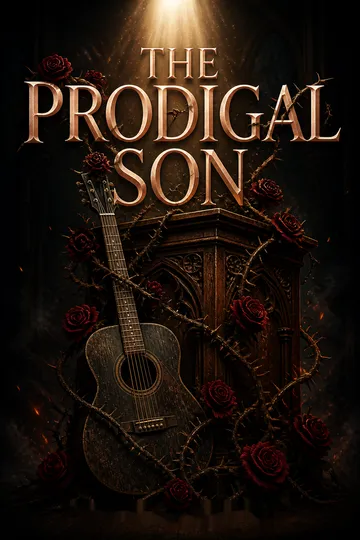
Sara Cate's The Prodigal Son is a searing, redemptive love story that interrogates the intersections of faith, family, trauma, and queer identity in contemporary America. At its core, the novel is about the cost of authenticity: what it means to claim one's truth in a world that punishes difference, and the courage required to love openly in the face of rejection. Through the parallel journeys of Isaac and Jensen, Cate explores the long shadow of religious trauma—how shame is taught, internalized, and, with great effort, unlearned. The book does not shy away from the realities of conversion therapy, homophobia, and the violence of conditional love, but it also insists on the possibility of healing. Music and faith, so often sources of pain, become tools of liberation. The narrative's structure—mirroring, foreshadowing, and cyclical returns—underscores the idea that healing is not linear, but possible. Ultimately, The Prodigal Son is a testament to the power of chosen family, the necessity of forgiveness (of self and others), and the radical, world-changing potential of queer love. It is a story that promises: no matter how far you run, you can always come home.
Review Summary
The Prodigal Son is a highly emotional and impactful conclusion to the Goode Brothers series. Readers praised the powerful storytelling, complex characters, and thoughtful handling of sensitive topics like religious trauma and homophobia. The romance between Isaac and Jensen was described as beautiful, raw, and healing. Many found the book to be a tearjerker, with compelling themes of self-acceptance, forgiveness, and unconditional love. While some felt it was too fast-paced, most considered it a satisfying and poignant ending to the series.
Characters
Isaac Goode / Theo Virgil
Isaac is the youngest Goode brother, a sensitive soul who flees a home poisoned by religious bigotry and emotional neglect. Reinventing himself as Theo Virgil, he channels his pain into music, becoming a country star whose lyrics resonate with the lost and lonely. Isaac is charming, witty, and fiercely loyal, but haunted by the belief that he must earn love by performing—onstage and off. His journey is one of self-acceptance: learning to trust, to forgive, and to believe he is worthy of happiness. His relationship with Jensen is both a lifeline and a crucible, forcing him to confront the wounds of his past and the possibility of a future built on truth.
Jensen Miles
Jensen is a man divided: a respected pastor and a survivor of conversion therapy, he has spent his life trying to reconcile faith and desire. Charismatic and compassionate, he is beloved by his congregation but tormented by shame and self-doubt. The scars of Eternal Harmony run deep, shaping his relationships and his sense of self. Jensen is drawn to Isaac's vulnerability and strength, finding in him the courage to face his own demons. His arc is one of redemption—not from sin, but from the lie that he is unlovable. Through therapy, love, and the support of chosen family, Jensen learns to claim his place in the world, not as a fraud, but as a redeemer.
Truett Goode
Truett is Isaac's father, a preacher whose rigid faith masks deep insecurity and fear. His love is conditional, his approval a moving target. Truett's inability to accept his son's sexuality fractures the family, driving Isaac away and leaving scars on all his children. In his final days, Truett is a broken man, haunted by regret. Yet in a last act of courage, he helps expose the man who hurt Jensen, seeking a measure of redemption. His legacy is complicated—a reminder that even those who harm us are capable of change, and that forgiveness is as much for the forgiver as the forgiven.
Melanie Goode
Melanie is Isaac's mother, a woman caught between love for her children and loyalty to her husband. She turns a blind eye to Truett's cruelty, hoping that silence will keep the peace. Her inability to protect Isaac is a source of lifelong guilt, and her relationship with him is fraught with unspoken pain. In the end, Melanie seeks reconciliation, but must accept that some wounds cannot be undone. Her arc is a cautionary tale about the cost of complicity and the power of a mother's love—even when it comes too late.
Adam Goode
Adam is the oldest Goode sibling, a former preacher who rebels against his father's legacy. He is fiercely protective of his brothers, especially Isaac, and serves as a moral anchor in the family. Adam's own journey is one of breaking cycles—choosing love over dogma, and action over silence. He is a steady presence, offering support and tough love when needed. Adam's willingness to forgive and to fight for his family is instrumental in their healing.
Luke Goode
Luke is Isaac's twin, the brother who never stopped looking out for him. He is pragmatic, grounded, and often the voice of reason in the family's chaos. Luke's loyalty is unwavering, even when it means keeping secrets or standing up to their father. He is the first to welcome Isaac home, and the last to judge. Luke's quiet strength is a source of comfort and stability, a reminder that family can be both chosen and given.
Caleb Goode
Caleb is the brother who comes out later in life, after years of repression and denial. His journey mirrors Isaac's in many ways, but is marked by different choices and regrets. Caleb's relationship with Isaac is complicated—rivalry, resentment, and ultimately, reconciliation. He is proof that it is never too late to claim one's truth, and that healing is possible even after years of silence.
Lola
Lola is Theo's bassist and best friend, a woman who mothers him with tough love and unwavering support. She is the first to know his secrets, the first to call him out, and the first to celebrate his victories. Lola's presence is a reminder that family is not just blood, but the people who show up when it matters. Her loyalty and humor are a lifeline for Isaac, especially when the world feels hostile.
Derek Reedus
Derek is the leader of Eternal Harmony, the conversion therapy program that scars Jensen for life. Charismatic and cruel, he preys on vulnerable youth, disguising abuse as salvation. Derek's influence lingers long after Jensen escapes, a voice of shame and self-loathing. His eventual downfall is a moment of justice, but the damage he causes is a reminder of the real-world harm of such programs. Derek is the antagonist not just of Jensen's story, but of every survivor's.
Faith Goode
Faith is Adam's daughter, a symbol of the family's future. Her presence is a balm for old wounds, a reminder that cycles can be broken and new legacies forged. In her, the Goode family finds hope—a chance to do better, to love more fully, and to build a world where no child has to run to be safe.
Plot Devices
Dual Narration and Time Jumps
The novel alternates between Isaac and Jensen's perspectives, allowing readers to inhabit both men's inner worlds. Their stories unfold in parallel—childhood traumas, coming-of-age crises, and the slow, painful process of healing. Time jumps are used to reveal key moments: Isaac's flight from home, Jensen's years in conversion therapy, the pivotal concert where their lives intersect. This structure creates a sense of inevitability, as if their meeting is both fate and choice. The dual narration also highlights the ways their experiences echo and diverge, deepening the emotional resonance.
Music and Sermons as Confession
Songs and sermons serve as vehicles for the characters' deepest feelings. Theo's music is both a shield and a confession, allowing him to say what he cannot speak. Jensen's sermons are performances, but also moments of revelation—first for others, then for himself. Both art forms are used to foreshadow emotional turning points: a new song signals a new stage in the relationship; a sermon hints at Jensen's readiness to come out. The public nature of these performances heightens the stakes, making every confession a risk.
Foreshadowing and Symbolism
Recurring images—stage lights, whiskey, the family table—foreshadow key events and symbolize the characters' struggles. The stage is both a place of triumph and terror; whiskey is a balm and a poison; the family table is a site of both belonging and exile. The "prodigal son" motif is woven throughout, not just in Isaac's literal return, but in the spiritual homecoming both men experience. These symbols ground the narrative, connecting past and present, pain and healing.
The Closet as Coffin
The closet is not just a metaphor, but a lived reality for both men. It offers safety, but at the cost of authenticity and joy. The narrative structure uses the closet as both a plot device and a source of tension: every secret is a ticking time bomb, every outing a potential catastrophe. The eventual decision to come out is framed not as a single act, but as a series of choices—each one a step toward life.
Redemption and Cycles of Forgiveness
The story is structured around cycles: of harm and healing, exile and return, shame and pride. Forgiveness is not a one-time event, but a process—sometimes given, sometimes withheld, always hard-won. The narrative uses family confrontations, therapy sessions, and public declarations to dramatize this process. The final act of redemption—Truett exposing Derek—serves as both closure and a new beginning, allowing the characters to move forward without forgetting the past.
The Goode Brothers Series

About the Author
Other books by Sara Cate










Download PDF
Download EPUB
.epub digital book format is ideal for reading ebooks on phones, tablets, and e-readers.








































