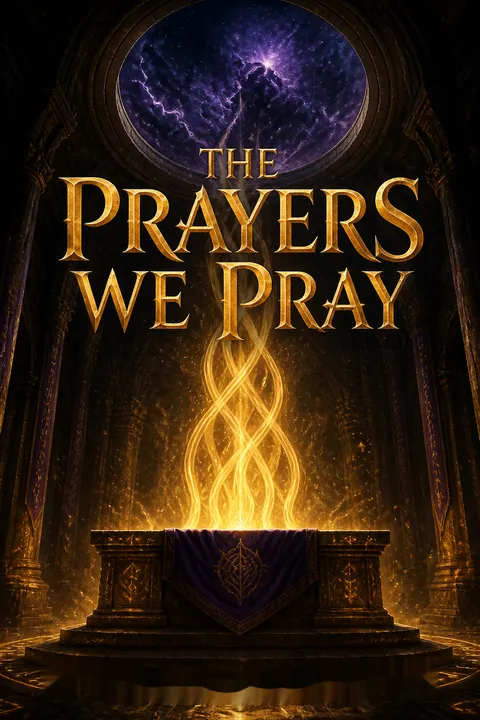

Plot Summary
Fresh Start, New Sight
Nariana and her four partners—Talin, Ela, Wraythe, and Anver—begin the year at the Temple of Compassion, where the gods grant all five the ability to see and interact with the divine. This rare gift deepens their connection, not just to Zeal, their god, but to all the gods, who are desperate for faith to survive. The group's bonds are tested and strengthened as they navigate the holiday's festivities, family reunions, and the weight of being chosen. The gods' presence is no longer a secret, and the five realize their roles are pivotal in the fate of the temples and the gods themselves.
Bonds of Faith Deepen
The group adjusts to their newfound sight, experiencing the gods' presence in daily life. Each member feels the gods' influence in unique ways, enhancing their strengths and insecurities. The gods, especially Zeal, rely on the five to be their voices and hands in the world. The group's unity is tested by personal doubts, the trauma of past violence, and the looming threat of the High Priest Kinen, who seeks to undermine Nariana's place. Through shared vulnerability and love, the five reaffirm their commitment to each other and to Zeal's cause.
Family Ties and Tensions
Nariana reconnects with her siblings and mentors, finding both comfort and the pain of distance. Talin faces the fallout of his brother Tath's attempted assault on Nariana, grappling with guilt and the complexities of family loyalty. Maela, Talin's sister-in-law, emerges as a strong ally, stepping into her power as the Primary Patron of Temptation. The group navigates the delicate balance between personal healing and the political machinations of the temple, realizing that their chosen family—by blood and by choice—is both their greatest strength and vulnerability.
Aftermaths and Confessions
The aftermath of Tath's attack lingers, forcing the group to confront their roles in violence and protection. Ela, the punisher, embraces his darkness with Nariana's support, finding peace in acceptance rather than denial. The group's open communication deepens their intimacy, allowing for confessions of love, fear, and desire. Anver, once estranged, is fully welcomed back, and the five solidify their partnership. The gods' reliance on them becomes more apparent, and the group prepares for the challenges ahead, knowing that honesty and unity are their only shields.
Dancing with Darkness
The group attends high society events, balancing the need to be seen with the desire for safety. Nariana's unique lace and divine favor make her a target for both admiration and resentment. The High Priest Kinen's hostility intensifies, and the group learns to navigate the treacherous waters of temple politics and social expectations. Amidst the glamour and danger, the five find moments of joy and connection, using dance, laughter, and love to remind themselves of what they fight for.
Sanctuary and Schemes
The group seeks sanctuary among friends and family, but the temple's internal politics grow more dangerous. Amerlee and Jamik, Nariana's mentors, organize a quiet rebellion against Kinen's abuses, gathering allies among the priests. The gods reveal their desperation, with some fading from lack of faith. Anver is tasked as the "Shadow," moving unseen to gather information and support for the gods. The group realizes that survival depends on both open defiance and subtle subversion, as the lines between friend and foe blur.
Power Struggles Unveiled
Kinen's grip tightens as he manipulates temple finances, restricts women's roles, and punishes dissent. Maela's refusal to release the tithe exposes the temple's financial mismanagement, sparking unrest among priests and citizens alike. The gods' power waxes and wanes with belief, and Zeal's willingness to spend his divinity for his chosen few puts him at risk. The group faces the reality that the system is broken, and that true change will require sacrifice, courage, and the willingness to challenge centuries-old traditions.
Defiance and Rebellion
Nariana and her allies refuse to be silenced, confronting Kinen publicly and privately. The Council of Educators, led by women, begins to push back against the High Priest's decrees. The group's open defiance inspires others, and faith in Zeal grows. The gods, emboldened by their chosen, begin to intervene more directly, but the cost is high. The group learns that rebellion is not just about fighting authority, but about creating a new vision for what the temple—and faith—can be.
Temptation's Price
The group's relationships are tested by jealousy, desire, and the ever-present threat of violence. Sessions with patrons become battlegrounds for autonomy and safety, as Kinen uses them to punish and control. Poison, betrayal, and political maneuvering threaten to tear the group apart. The gods' need for faith becomes a double-edged sword, as their interventions have unintended consequences. The five must decide how much they are willing to risk for each other, for Zeal, and for the future of the temple.
Shadows and Guardians
Anver embraces his role as the Shadow, moving between temples to support the fading gods and gather intelligence. The group learns to trust in each other's strengths, relying on Anver's subtlety, Wraythe's protection, Ela's passion, Talin's resolve, and Nariana's leadership. Together, they uncover plots against them, protect each other from harm, and find new ways to resist Kinen's schemes. The gods, too, learn from their chosen, discovering the power of partnership and vulnerability.
The Web of Politics
Kinen orchestrates an auction of the priests, selling their services to the highest bidder in a bid to raise funds and punish dissenters. Nariana and Ela are targeted, but allies intervene to protect them. The event exposes the depths of corruption and the lengths to which the powerful will go to maintain control. The group navigates the dangers with wit and courage, turning the tables on their enemies and forging new alliances. The gods' influence grows, but so does the risk, as every victory comes with a price.
The Gods' Desperation
The gods' existence hangs by a thread, dependent on the belief of a dwindling number of priests. Zeal spends his divinity to empower his chosen, risking his own existence. The group becomes the last hope for the gods, carrying the weight of divine survival on their shoulders. The bond between mortal and divine deepens, blurring the lines between faith and friendship, love and worship. The group learns that saving the gods means saving themselves, and that the fate of the temple is inseparable from the fate of the divine.
Becoming More Than Human
The group faces personal and collective loss, most notably with the death of Talin's brother Tath. Grief, guilt, and forgiveness become central themes as they navigate the aftermath. Zeal, too, is transformed by his connection to his chosen, experiencing human emotions in ways he never expected. The group learns that becoming more than human means embracing vulnerability, change, and the willingness to let go of old identities. Together, they forge a new path, one defined by partnership, equality, and the courage to become.
The Auction and Its Dangers
The auction of the priests becomes a crucible for the group, testing their limits and resolve. Nariana and Ela are targeted by powerful men, but allies and quick thinking save them from harm. The event exposes the hypocrisy and cruelty of the temple's leadership, galvanizing support for change. The group's unity and courage inspire others, and the gods' faith in their chosen is rewarded. The auction becomes a turning point, marking the beginning of the end for Kinen's reign.
Betrayal and Poison
Attempts on Nariana's life escalate, with poison and betrayal lurking in every corner. The group uncovers the involvement of Ciella, Tishlie, and Kinen in the plots against them. Allies in Obligation and Action rally to their side, providing support and protection. The group learns to trust their instincts, rely on each other, and never underestimate the lengths to which their enemies will go. The gods, too, are forced to confront their own limitations and the consequences of their actions.
The Fall of a Baron
The death of Tath, Talin's brother, sends shockwaves through the family and the temple. Grief and guilt threaten to overwhelm the group, but they find strength in each other. The naming ceremony for the new baron becomes a battleground for power, tradition, and change. Against all odds, Yamina is named the new Baron of Temptation, breaking centuries of male succession. Maela is confirmed as Primary Patron, and the group's efforts to support each other and the gods are vindicated. The old order falls, and a new era begins.
Grief, Guilt, and Forgiveness
The group navigates the aftermath of Tath's death, supporting Talin through his grief and guilt. Zeal, too, is transformed by the experience, learning the cost of divine intervention and the power of human emotion. The group's bonds are tested but ultimately strengthened, as forgiveness and love become their guiding principles. Together, they face the future with renewed hope, knowing that they have survived the worst and are stronger for it.
A New Dawn for Temptation
With Yamina as baron and Maela as Primary Patron, the Temple of Temptation enters a new era. The group's efforts to challenge tradition, support the gods, and protect each other bear fruit. The gods, once fading, are revived by faith and partnership. The group, now more than just survivors, become leaders and icons for a new vision of faith, love, and power. The story ends with the promise of more challenges ahead, but also the certainty that together, they can face anything.
Analysis
A modern epic of faith, power, and chosen familyThe Prayers We Pray is a sweeping, emotionally charged fantasy that uses the lens of temple politics and divine intervention to explore themes of faith, trauma, and the fight for systemic change. At its heart, the novel is about the power of chosen family—how love, trust, and vulnerability can create bonds stronger than blood or tradition. The story's polyamorous relationships, open communication, and celebration of difference challenge traditional notions of love and leadership, offering a vision of partnership and equality that is both radical and deeply human. The gods' desperation for faith, and their willingness to become more human, serve as a metaphor for the reciprocal nature of belief: we shape our gods as much as they shape us. The novel's willingness to confront abuse, gender roles, and the cost of rebellion makes it both timely and timeless, a story about the courage to become more than what the world expects. In the end, The Prayers We Pray is a testament to resilience, the necessity of change, and the enduring hope that together, we can build something better.
People Also Read

Characters
Nariana
Nariana is the Chosen of Zeal, marked by all five Paths, and the central figure around whom the story revolves. Her ability to see and interact with the gods sets her apart, but it is her compassion, resilience, and willingness to fight for those she loves that define her. Nariana's journey is one of self-acceptance, learning to balance vulnerability with strength, and embracing her role as both partner and leader. Her relationships—with her lovers, family, and the gods—are complex, marked by deep love, trauma, and the constant struggle for autonomy. Through her, the story explores themes of faith, consent, and the power of chosen family.
Talin
Talin is Nariana's primary guardian, a man torn between duty, love, and the scars of his upbringing. As the Ranndor tithe, he carries the weight of family expectations and personal guilt, especially after his brother Tath's death. Talin's journey is one of becoming—learning to let go of perfection, embrace vulnerability, and trust in the love of his chosen family. His relationship with Nariana is both protective and passionate, but he also finds deep connection with Ela, Wraythe, and Anver. Talin's struggle with grief, anger, and forgiveness is central to the emotional arc of the story.
Eladehl (Ela)
Ela is Nariana's partner and the group's punisher, a man who embraces his darkness with honesty and pride. His journey is about self-acceptance—learning that his desires do not make him a monster, and that love can coexist with pain. Ela's flamboyance and wit mask deep insecurities, but with Nariana's support, he finds peace in his role. His relationships with the others are marked by passion, loyalty, and a willingness to fight for those he loves. Ela's ability to navigate both pleasure and pain makes him a unique and vital member of the group.
Wraythe
Wraythe is the group's physical and emotional anchor, a man whose strength is matched by his kindness. As Ela's guardian, he is fiercely protective, but his love extends to all members of the group. Wraythe's journey is about embracing his role as a safe place to fall, learning that vulnerability is not weakness, and that love can be both gentle and fierce. His quiet wisdom and unwavering loyalty make him the group's foundation, and his ability to hold space for others is a source of healing and comfort.
Anver
Anver is the group's "Shadow," moving unseen to support the gods and gather information. Once estranged, he is fully welcomed back, and his journey is about finding his place and embracing his unique form of love. Anver is asexual, valuing connection and intimacy over sex, and his role as soul-guardian is to protect the group's hearts and minds. His friendship with Zeal and the others is deep and transformative, teaching that love comes in many forms. Anver's quiet strength and willingness to do what others cannot make him indispensable.
Zeal
Zeal is both divine and deeply human, struggling with the fading of faith and the consequences of his actions. His relationship with Nariana and the group is marked by love, need, and the willingness to sacrifice for survival. Zeal's journey is about learning the cost of power, the value of partnership, and the pain of human emotion. His willingness to spend his divinity for his chosen few puts him at risk, but also transforms him. Zeal's evolution from distant god to vulnerable partner is central to the story's exploration of faith and change.
Maela
Maela is Talin's sister-in-law and a key political player, stepping into her power as Primary Patron and later as regent. Her journey is about reclaiming agency, surviving abuse, and finding love with Yamina. Maela's strength, intelligence, and willingness to fight for her family make her a vital ally. Her relationship with Nariana is one of mutual support and respect, and her role in the temple's politics is crucial to the group's survival.
Yamina
Yamina, Talin's youngest sister, becomes the new Baron of Temptation, breaking centuries of male succession. Her journey is about embracing her identity, defying expectations, and stepping into leadership. Yamina's love for Maela and her willingness to challenge tradition make her a beacon of hope for the future. Her rise to power is both a personal victory and a symbol of the temple's rebirth.
Kinen
Kinen is the primary antagonist, using his position to manipulate, control, and punish those who threaten his power. His refusal to believe in the gods, reliance on deception, and willingness to harm others make him a formidable foe. Kinen's actions drive much of the conflict, forcing the group to unite and fight for change. His eventual downfall is both a personal and systemic victory.
Amerlee
Amerlee is Nariana's mentor and mother-figure, organizing resistance against Kinen and supporting the group through every trial. Her wisdom, compassion, and willingness to fight for her "children" make her a source of strength and guidance. Amerlee's role in the rebellion, her partnership with Jamik, and her unwavering support for Nariana are central to the group's survival and success.
Plot Devices
Divine Sight and Shared Bonds
The narrative is structured around the gods granting Nariana and her partners the ability to see and interact with the divine, a rare and powerful gift. This device deepens the group's connection, both to each other and to the gods, and serves as a metaphor for faith, trust, and the willingness to see beyond the surface. The shared bond allows for emotional resonance, telepathic-like understanding, and the blurring of lines between mortal and divine. It also raises the stakes, as the gods' survival becomes intertwined with the group's actions and choices.
Political Intrigue and Social Upheaval
The story uses the internal politics of the Temple of Temptation as a microcosm for broader societal issues—gender roles, abuse of power, and the struggle for equality. The auction of priests, the manipulation of finances, and the restriction of women's roles are all plot devices that expose the corruption of the old order and the need for rebellion. The group's defiance, the quiet rebellion of the Council of Educators, and the eventual rise of Yamina as baron are all turning points that drive the narrative toward systemic change.
Trauma, Healing, and Chosen Family
The story's emotional arc is built on the characters' willingness to confront trauma, confess fears, and support each other through healing. The use of open communication, confessions, and the acceptance of darkness (especially in Ela's arc) are devices that allow for deep character development. The theme of chosen family—friends, lovers, and mentors who become more than blood—runs throughout, providing both motivation and resilience in the face of adversity.
The Gods' Desperation and Humanization
The gods' fading power and need for faith serve as both a plot device and a metaphor for the fragility of belief. Zeal's willingness to spend his divinity, his experience of human emotion, and his transformation from distant god to vulnerable partner are all devices that humanize the divine and raise the stakes for the group. The gods' reliance on their chosen, and the reciprocal nature of faith, blur the lines between worship and partnership, making the story as much about the gods' growth as the mortals'.
Foreshadowing and Cyclical Structure
The story uses foreshadowing—visions, prophecies, and the gods' warnings—to build tension and hint at future challenges. The cyclical structure, with the Fresh Start holiday at the beginning and the promise of a new era at the end, reinforces the themes of rebirth, resilience, and the ongoing struggle for change. The narrative's focus on "becoming" rather than "being" ensures that every ending is also a new beginning.
The Path of Temptation Series





Download PDF
Download EPUB
.epub digital book format is ideal for reading ebooks on phones, tablets, and e-readers.








































