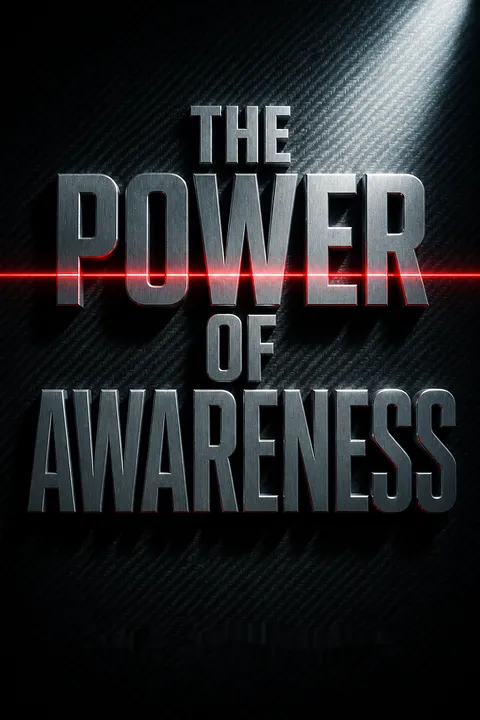

Key Takeaways
1. Master Situational Awareness: Truly See Your World
Situational Awareness is knowing where I am and what’s around me, what’s going on in my surroundings and my place in them.
Conscious observation. Situational Awareness (SA) is the foundational skill for personal safety, moving beyond a hazy generality to a precise understanding of your environment and your relationship to it. It involves actively perceiving elements and events, comprehending their meaning, and projecting their future status, rather than passively accepting what you assume to be true. This conscious observation helps you identify potential threats before they escalate.
Combat normalcy bias. Many people fall into "Yup, nothing's here" syndrome, where familiarity with an environment leads to a dangerous lack of attention. This normalcy bias makes you vulnerable because you expect things to be as they always have been, failing to adapt when they're not. To counter this, cultivate different levels of awareness:
- Unaware: Disregard for surroundings (e.g., absorbed in phone).
- Openly Aware: Relaxed but alert (e.g., driving familiar streets).
- Attentively Aware: Actively searching for input (e.g., navigating unfamiliar heavy traffic).
- Threat or Thrill: Peak attention to sensory inputs (e.g., immediate danger).
Phones are danger. The most significant modern impediment to SA is the cell phone. Using it as a portable entertainment device, especially with earbuds, renders you blind and deaf to your surroundings, making you an easy target for criminals. Consciously choose when and where to engage with your screen, prioritizing your awareness in public or vulnerable spaces.
2. Trust Your Intuition: Your Inner Survival Voice
Intuition is a quick and ready insight into someone or something.
Primal intelligence. Intuition is an unconscious intelligence, a primal voice forged by millions of years of evolution, residing in your subconscious and gut. It operates separately from deliberate thought, rapidly processing patterns and experiences to provide immediate insights into people or situations. This "gut feeling" is an essential, often overlooked, personal survival system.
Listen to the whispers. Threat Intuition is your body and subconscious reacting to existential inputs from your surroundings, always signaling something is wrong and demanding attention. Ignoring this inner voice is a primary reason people fall victim to crime, often due to a desire not to appear rude or silly. Professionals, like CIA officers, can also override it due to a need to justify actions or avoid disruption, but amateurs have an advantage in being able to act on a hunch without needing external validation.
Read contempt and body language. Two powerful, almost impossible-to-hide signs that fuel your intuition are contempt and predatory body language. Contempt manifests as an asymmetrical sneer or "dead" eyes, signaling dehumanization. Predatory body language includes clenched fists, hunched shoulders, leaning forward, jaw tightening, and prolonged direct eye contact. Recognizing these cues, even subconsciously, can provide critical warnings.
3. Know If You're a Target: Detect Threats Early
It’s a false comfort to believe in coincidence.
Humans are dangerous. The most likely source of threat is other humans, particularly males, who exhibit a propensity for violence. While you shouldn't live in paranoia, understanding this reality helps you assess situations objectively. Your SA and Intuition are crucial for identifying potential threats, whether they are dangerous locations or individuals.
Identify your status. When confronted with a potential threat, the first step is to determine: "Am I in the wrong place at the wrong time, or am I the target?" This binary decision dictates your next actions. For instance, a bank robber is after money (wrong place/wrong time), while a hate crime perpetrator is after you (target).
Use surveillance detection. To confirm if you're being targeted, employ simple surveillance detection routes (SDRs). This tradecraft, used by spies, involves:
- Stopping regularly: Forces followers to stop, making them noticeable.
- Being erratic: Changing course or doubling back exposes tails.
- Checking behind you: Especially at intersections.
- Crossing streets: Exposes pursuers.
- Watching for repeat faces: Note distinguishing features.
- Using reflections: Windows and mirrors offer covert observation.
If you identify a tail, countermeasures include seeking help from employees, entering female-centric stores, or making direct eye contact with a nonverbal "no" gesture.
4. Always Have a Plan: Deliberate or Hasty
Beginning with the end, how do you want your story to end?
Visualize the outcome. Effective planning starts by clearly defining your desired end state – how you want the situation to resolve safely. Whether it's reaching your car, a hotel lobby, or a safe crowd, picturing this outcome allows you to work backward and determine the necessary steps. This clarity helps you avoid panic and focus on actionable solutions.
Deliberate vs. hasty. Plans fall into two categories based on available time. Deliberate plans are made when you have ample time to consider options, such as pre-planning a route through a high-risk area or assessing a potential threat from a safe location. Hasty plans are formulated rapidly under immediate pressure, requiring quick, simple decisions. Even in extreme combat, a hasty plan, like rescuing a wounded comrade, focuses on immediate, achievable steps.
Keep it simple, stupid (KISS). In any plan, especially a hasty one, simplicity is paramount. The KISS principle (Keep It Simple, Stupid) ensures your plan is easy to recall and execute under duress. Don't be afraid to ask for help from others, whether it's a restaurant employee, a group of soldiers, or the police. Communicating your plan to trusted individuals also creates a safety net and potential reinforcements.
5. Act Decisively: Seize Control in a Crisis
Courage and heroism are simply focusing on what you know you need to do, no matter the risk or personal threat, when it’s necessary.
Necessity breeds heroism. Courage isn't a mystical superpower; it's the focused commitment to your plan when necessity demands action, regardless of fear. When a crisis strikes, your plan, even a hastily formed one, becomes your roadmap. By focusing on the next step, you suppress panic and fear, channeling your energy into decisive action.
Speed, audacity, violence of action. This special operations maxim emphasizes that quick, bold, and forceful action can turn the tables on an assailant. Criminals, often anxious or under the influence, are typically surprised by a victim's decisive response. Seizing the initiative makes it clear you're willing to engage, acting as a powerful deterrent without necessarily requiring physical contact.
Fight back, don't submit. If escape or evasion isn't possible and you're confronted, never stop fighting. Any action that disrupts a perpetrator's plan is beneficial. This includes:
- Going with your compulsion: Trust your instinct to fight or flee.
- Facing your enemies: Don't display prey animal behavior.
- Searching for teammates: Numbers matter; seek out others for help.
- Using your phone: Pretend to call for help, or put someone on speaker.
- Engaging verbally: Aggressive questions like "Can I help you?" can disorient.
- Physical defense: Gouge eyes, strike vulnerable points, and fight ferociously.
Submission gives perpetrators complete control; fighting back, even if unsuccessful, ensures you did everything you could.
6. Regroup & Recover: Distance Equals Safety, Then Heal
The fact is, the farther you are from danger and the sooner you distance yourself from the threat, the safer you are.
Distance is paramount. After any potential threat, confrontation, or attack, your immediate priority is to create distance from the danger. This "distance = safety" equation is the only math you need. Run as fast and far as you can, moving erratically if necessary, and don't stop until you feel truly safe. Leave belongings behind if they impede your escape; they can always be replaced.
Regroup, don't relax. Once out of immediate danger, resist the urge to let your guard down. Regrouping means taking stock of your new surroundings, assessing if the threat is truly gone, and collecting your wits. Apply your SA and Intuition to your new environment. If you're not completely safe, make another plan and act on it. This vigilance prevents secondary attacks or further complications.
Report and seek support. Reporting the incident to authorities is crucial for justice, preventing future harm to others, and your own healing process. Even if justice isn't served, the act of reporting tells your subconscious you've taken action, aiding recovery. For long-term recovery from trauma, seek assistance from trusted teammates, family, friends, or professionals. Sharing experiences, even painful ones, builds resilience and lightens the burden, as time, combined with support, helps to soften the sharp edges of trauma.
7. Proactive Preparedness: Fortify Your Home & Self
Being prepared is all about doing things in advance, never in the act.
Home is vulnerable. Your home, while feeling safest, is often the most vulnerable due to a lack of preparedness. Assess entry points like doors and windows, including upper floors. Plan escape routes and stage self-defense weapons (e.g., baseball bat, tactical pen) for immediate access. If you hear an intruder, grab your weapon, turn on lights, announce your presence, and call 9-1-1.
Public space vigilance. When in public or using transportation, actively protect your physical information and belongings. Avoid "sucker" pockets, wear cross-body bags, and secure backpacks. Never display PII like company badges or driver's licenses. Maintain SA by avoiding phone distractions and using reflections to observe your surroundings.
Strategic self-defense. While firearms are a last resort and often impractical, other tools offer effective self-defense:
- Tactical pens: Legal for travel, durable, and effective for striking vulnerable points.
- Mace: Cheap, effective for blinding, but restricted for air travel.
- Flashlights: LED versions can blind attackers and serve as striking weapons.
- Martial arts: Krav Maga is recommended for its focus on realistic, no-holds-barred close-quarters combat, shifting your mindset from victim to fighter.
Regardless of the tool, immediate accessibility is paramount; it must be grabbed instinctively without thought.
8. Minimize Your Target Profile: Control What You Transmit
Predators key in on prey signals, and you don’t want to be transmitting signs of vulnerability.
Body language speaks volumes. Your posture and gait transmit signals about your confidence and vulnerability to potential predators. Studies show that a fluid, purposeful walk, rather than a tentative or weight-shifting one, makes you less likely to be targeted. Cultivating confident body language, possibly through self-defense training, can significantly reduce your perceived vulnerability.
Attire and possessions. What you wear and display can also make you a desirable target. Eye-catching attire, high-end watches, or jewelry can draw unwanted attention. Tourists, identifiable by their clothing, are often prime marks for pickpockets. Be mindful of how your appearance identifies you as a potential target, especially in unfamiliar or crowded environments.
Guard your digital footprint. Your Personal Identifiable Information (PII) is any data that can identify or locate you. You actively transmit this through physical displays and, more dangerously, through online sharing. Protect your PII by:
- Device security: Use strong PINs, enable auto-wipes, keep software updated, use MFA, avoid suspicious apps, and back up data.
- Wi-Fi caution: Avoid unsecured public networks or use a VPN.
- Social media protocols: Limit who sees your profile, use strong passwords, avoid posting travel plans in advance, disable location tagging, and vary your "patterns of life" to avoid predictability.
Once information is online, it's permanent and can be legally used by criminals to target you.
9. Survive Armed Threats: Escape, Evade, Defend
The decisions you make are literally between life and death.
Categorize the threat. In an armed threat or active shooter situation, the critical first question is: "Am I in the wrong place at the wrong time, or am I the target?" This distinction determines your immediate course of action. If you're incidental to the crime (e.g., a bank robbery), your goal is different than if you are the intended victim (e.g., a hate crime at a specific location).
Escape, evade, defend. This maxim guides your response:
- Escape: If possible, flee immediately and decisively. Run as fast as you can, moving erratically, and create as much distance as possible. Don't stop at the first safe spot; keep moving.
- Evade: If escape is impossible, seek cover and concealment. Dodge behind objects that obstruct the shooter's view and offer ballistic protection. Actively search for better hiding spots or alternative exits, remaining silent and silencing your phone.
- Defend: As a last resort, if your life is about to end, fight back ferociously. Target vulnerable areas like eyes, throat, and groin. Your decisive, aggressive action can disrupt the attacker and potentially save lives, including your own.
Workplace preparedness. Be proactive about safety at work. Understand potential shooter scenarios, identify primary and alternate escape routes, and locate secure hiding spots. Know that standard office walls offer no ballistic protection. If you are a leader, prepare your team and building, and consider contacting local police for assistance in planning.
10. Smart Travel & Dating: Plan for Safety in New Contexts
People want to tell their stories, and if they have a bad time they’ll let you know.
Research your destination. Before traveling, conduct thorough online research beyond official government sites. Explore blogs and travel forums to uncover real-world experiences, both positive and negative, about your destination's safety, crime trends, and cultural peculiarities. This helps you separate hype from reality and make informed decisions about personal risk versus reward.
Strategic hotel and activity choices. When selecting accommodations, avoid ground-floor rooms or those with easy outside access; second to sixth floors are optimal for security and evacuation. Use hotel checklists and call directly to confirm security features. For activities, choose well-lit, populated locations with open approaches and departures. Avoid remote or isolated activities, especially when meeting new people.
Dating with awareness. When transitioning from digital to three-dimensional dating, prioritize safety:
- Location: Choose a familiar, well-lit, and populated venue.
- Communication: Inform your safety net (friends/family) of who, what, where, and when. Casually mention this to your date.
- Bartender tip: Discreetly inform staff you're on a first date for an extra layer of vigilance.
- Be armed: Keep a tactical pen or Mace readily accessible.
- Trust intuition: Listen to your gut feelings about your date's vibe or body language.
- Bail out: Don't hesitate to leave if you're uncomfortable or uninterested, prioritizing your safety over politeness.
Review Summary
The Power of Awareness receives mostly positive reviews, with readers praising its practical advice on situational awareness and personal safety. Many find the author's writing style engaging and appreciate the real-life examples. Some criticize the author's approach to women's safety issues. Readers value the book's tips on developing awareness, trusting intuition, and creating plans. While some find it repetitive or overdramatized, many recommend it as a useful guide for improving safety skills in everyday life.
People Also Read








Download PDF
Download EPUB
.epub digital book format is ideal for reading ebooks on phones, tablets, and e-readers.








































