

Key Takeaways
1. Nature shapes the human soul through a dual ministry of beauty and fear.
Dust as we are, the immortal spirit grows / Like harmony in music; there is a dark / Inscrutable workmanship that reconciles / Discordant elements, makes them cling together / In one society.
Fostering the soul. Wordsworth's early life was shaped by the dual forces of natural beauty and terrifying sublime experiences. Through activities like woodcock-snaring, bird's-nesting, and boat-stealing, the young poet felt a deep, spiritual connection to the landscape. These experiences were not merely pleasant; they were often accompanied by a sense of moral transgression and awe.
The ministry of fear. Nature uses both gentle visitations and severe interventions to discipline the growing mind. When the young boy stole a boat, the sudden appearance of a towering cliff seemed to pursue him, leaving a lasting impression of "unknown modes of being." This psychological tension is crucial for spiritual growth:
- The stolen boat episode on Ullswater
- The terrifying wind while bird's-nesting on slippery cliffs
- The low breathings heard after taking another's prey
Sanctifying pain. By intertwining human passions with "high objects" and "enduring things," Nature purifies our feelings. This process sanctifies both pain and fear, allowing us to recognize a grandeur in the very beatings of our hearts. Ultimately, this dual education prepares the individual to face the trials of adult life with resilience.
2. The "Spots of Time" are restorative memory reservoirs that preserve imaginative power.
There are in our existence spots of time, / That with distinct pre-eminence retain / A renovating virtue, whence, depressed / By false opinion and contentious thought... our minds / Are nourished and invisibly repaired
Imaginative repair. The "spots of time" are specific, highly charged memories from childhood that retain a life-giving, "renovating virtue." When we are depressed by the trivialities of daily life or the conflicts of adult society, we can mentally repair to these moments for spiritual nourishment. They act as internal fountains, restoring our creative and imaginative faculties when they are most impaired.
The power of memory. These spots of time are characterized by a profound sense of the mind's supremacy over outward circumstances. Wordsworth illustrates this with two primary childhood memories:
- Stumbling upon a murderer's gibbet-site on the lonely moor
- Waiting anxiously on a stormy crag for the horses to take him home before his father's death
Visionary dreariness. In both instances, ordinary sights—a girl carrying a pitcher against the wind, a single sheep, a blasted tree—became invested with a "visionary dreariness." These concrete objects become "involutes," locking in the intense emotions of the moment. Years later, returning to these scenes or recalling them in memory brings back a restorative "spirit of pleasure and youth's golden gleam."
3. Human consciousness begins with the maternal bond and the filial link to nature.
blest the Babe, / Nursed in his Mother’s arms, who sinks to sleep / Rocked on his Mother’s breast; who with his soul / Drinks in the feelings of his Mother’s eye!
The infant babe. Wordsworth presents a revolutionary psychological theory of human development centered on the infant at the breast. The child does not merely receive physical nourishment; he gathers emotional passion and active intelligence from his mother's loving gaze. This maternal connection serves as the child's first introduction to the wider world.
The filial bond. Through this primary relationship, the child is "fitted" to his environment, establishing a lifelong connection with the cosmos. The mother acts as both a part of and a representative of general Nature, ensuring that:
- The child's mind is prompt, watchful, and active from birth
- The "gravitation and the filial bond of nature" connect him with the world
- The child becomes an active "inmate of this active universe," both receiving and giving
The first poetic spirit. This early state of being represents the "first poetic spirit of our human life." While this creative sensibility is suppressed in most people by the routine of later years, it remains pre-eminent in the poet. It is the foundation upon which all subsequent imaginative power and spiritual love are built.
4. True education values imaginative wonder over rigid, analytical systems.
The child, whose love is here, at least, doth reap / One precious gain, that he forgets himself.
The infant prodigy. Wordsworth fiercely criticizes the modern educational systems of his day, which sought to produce "infant prodigies" stuffed with facts and scientific lore. He portrays this systematically educated child as a "dwarf man," over-disciplined, self-conscious, and completely disconnected from the natural world. This child is a "miracle of scientific lore" but lacks any genuine capacity for wonder or self-forgetfulness.
The value of romance. In contrast, Wordsworth advocates for a childhood enriched by fairy tales, legends, and romances. These "lawless tales" feed the child's "dumb yearnings" and "hidden appetites," allowing him to escape the narrow prison of his own conceit. He celebrates:
- The wishing-cap of Fortunatus and the invisible coat of Jack the Giant-killer
- The wild, imaginative pastures of The Arabian Nights
- The freedom to roam, fish, and read without constant adult supervision
A wiser spirit. Nature is a far better educator than any human tutor or rigid curriculum. In our seemingly most "unfruitful hours," a wiser spirit is at work, fostering our minds through spontaneous play and quiet contemplation. True knowledge must not be purchased at the cost of imaginative power.
5. Imagination is an autonomous, transcendent power that connects us to the infinite.
Our destiny, our being’s heart and home, / Is with infinitude, and only there; / With hope it is, hope that can never die, / Effort, and expectation, and desire, / And something evermore about to be.
The Simplon Pass. During his walking tour of the Alps, Wordsworth experienced a profound moment of anti-climax upon realizing he had crossed the Simplon Pass without knowing it. However, this disappointment triggered a sudden, magnificent awakening of the "Imagination." It rose before him like an "unfathered vapour," completely halting his conscious thoughts and revealing the true nature of his soul.
The light of sense. When the "light of sense goes out," the mind is granted a flash of insight into the invisible, spiritual world. This experience demonstrates that our true home is not in the physical realities of the earth, but in the infinite realm of the spirit. The imagination is characterized by:
- An unquenchable thirst for "something evermore about to be"
- A state of being that is superior to the boundaries of space and time
- A sublime strength that hides the soul in its own beatitude
The great apocalypse. Descending through the narrow Ravine of Gondo, the poet saw the chaotic, conflicting forces of nature—the decaying woods, the waterfalls, the muttering rocks—as "workings of one mind." They became "characters of the great Apocalypse," symbols of first, last, midst, and without end. Through this, the imagination recognizes its own eternity.
6. The chaotic city can overwhelm the senses but ultimately reveals the unity of mankind.
And, on the shape of that unmoving man, / His steadfast face and sightless eyes, I gazed, / As if admonished from another world.
The Babel din. London presents itself to the young poet as a monstrous, chaotic "ant-hill" filled with an endless stream of men and moving things. The sheer "Babel din" and the rapid dance of colours, lights, and forms threaten to overwhelm the individual's identity. It is a place of "blank confusion," where men live as next-door neighbours yet remain total strangers.
The parliament of monsters. This urban chaos reaches its climax in the description of Bartholomew Fair, which Wordsworth calls a "parliament of monsters." It is a spectacle that lays the creative powers of the mind asleep, reducing everything to a "perpetual whirl of trivial objects." Key elements of this chaos include:
- The deafening roar of showmen, buffoons, and street-vendors
- The display of freaks, wild beasts, and "perverted things"
- The melting of all individual differences into one meaningless identity
The unity of man. Yet, even amid this "gaudy region," the poet's imagination finds a way to assert itself. By looking in "steadiness," he perceives an underlying "under-sense of greatest" and the "unity of man." Solitary figures, like the blind beggar with his written label or the father tenderly cradling his sickly babe, become profound symbols of our shared humanity.
7. Political idealism must be grounded in human sympathy rather than abstract theory.
I with him believed / That a benignant spirit was abroad / Which might not be withstood, that poverty / Abject as this would in a little time / Be found no more
The revolutionary spark. Arriving in France during the early stages of the Revolution, Wordsworth was swept up in the "triumphant looks" and "great expectancy" of the nation. He was converted to the patriot cause by Michel Beaupuy, an aristocratic officer who devoted his life to the service of the poor. Together, they dreamed of a world freed from the tyranny of kings and the "barren pride" of nobles.
The hunger-bitten girl. Their political idealism was not based on abstract theories, but on direct, emotional responses to human suffering. Meeting a "hunger-bitten girl" leading a heifer on a cord, Beaupuy passionately declared, "'Tis against that that we are fighting!" This encounter solidified Wordsworth's belief in:
- The inevitable eradication of abject poverty
- The establishment of a government based on equal rights and individual worth
- The destruction of "empty pomp" and "sensual state"
The tragic warning. To illustrate the destructive power of the old regime's "monstrous laws," Wordsworth includes the tragic tale of Vaudracour and Julia. Their love was thwarted and ultimately destroyed by parental tyranny and the state's "mandate without law." This narrative serves as a powerful reminder of the human cost of systemic oppression.
8. Intellectual crises occur when we isolate cold reason from the heart's affections.
demanding formal proof, / And seeking it in things that cannot feel, / I lost my way, and in the end / ... Yielded up moral questions in despair.
The moral crisis. The turning point of Wordsworth's intellectual life came when Britain declared war on France, throwing him into a deep "conflict of sensations." He found himself rejoicing at the defeat of his own countrymen, a "treasonable" state of mind that soured his affections. As the French Revolution degenerated into the Reign of Terror, his political hopes were utterly shattered.
The trap of abstract reason. In his despair, Wordsworth turned to the abstract, rationalist philosophy of William Godwin, attempting to "abstract the hopes of Man / Out of his feelings." He dragged every passion, creed, and moral maxim to the bar of cold, analytical reason, demanding formal proof for everything. This process led to:
- An endless perplexity regarding "impulse, motive, right and wrong"
- The complete loss of any "feeling of conviction"
- A state of mind "sick, wearied out with contrarieties"
The saving sister. From this "crisis of that strong disease," Wordsworth was rescued by his sister Dorothy. Her "sudden admonition" and "saving intercourse" maintained his connection with his "true self," preserving him as a poet. She, alongside Coleridge and a return to Nature, led him back to the "sweet counsels between head and heart."
9. Solitude and quiet contemplation are essential for spiritual and creative restoration.
When from our better selves we have too long / Been parted by the hurrying world, and droop, / Sick of its business, of its pleasures tired, / How gracious, how benign, is Solitude
The power of quiet. Throughout his life, Wordsworth found that his most profound imaginative insights occurred in moments of absolute solitude. Whether walking the public roads at night or sitting in a "sheltered coppice" as the sun set, quietness allowed his soul to "put off her veil" and stand "naked, as in the presence of her God." Solitude is not a state of emptiness, but a highly active, creative condition.
The restorative walk. The poet's daily walks around Esthwaite Water or along the lonely roads of Cumberland were essential for his creative process. In these quiet intervals, the mind is freed from the "injurious sway of place or circumstance" and can:
- Drink in the "visionary power" from the "ghostly language of the ancient earth"
- Experience "shadowy exultation" and a sense of "possible sublimity"
- Re-establish "those watchful thoughts" that foster fraternal love for unassuming things
The companion dog. Even the presence of his rough terrier served to protect this creative solitude. The dog would trot ahead, warning the poet of approaching strangers so that he could hush his voice and compose his gait, saving himself from being "suspected to be crazed in brain" as he muttered his verses aloud.
10. The human mind is a divine, creative force more beautiful than the external world.
Instruct them how the mind of man becomes / A thousand times more beautiful than the earth / On which he dwells, above this frame of things / ... In beauty exalted, as it is itself / Of quality and fabric more divine.
The Snowdon epiphany. The climax of The Prelude takes place on the summit of Snowdon, where the poet beholds a "silent sea of hoary mist" beneath a naked moon. This magnificent spectacle is revealed as the "perfect image of a mighty mind"—a mind that "feeds upon infinity" and "broods over the dark abyss." It is the ultimate demonstration of the human intellect's transcendent power.
The creative soul. The mind is not a passive receiver of external impressions, but an active, "creative soul." It works in a "mutual domination" with Nature, both "moulding" and "enduing" the objects of the senses. This "glorious faculty" of imagination is:
- The "prime and vital principle" residing in the recesses of our nature
- A power that "builds up greatest things from least suggestions"
- The source of "intellectual Love," which connects us to "Eternity, and God"
Prophets of nature. Wordsworth concludes his epic by addressing Coleridge as a fellow "Prophet of Nature." Together, they will speak a "lasting inspiration" to a world fallen back into "old idolatry" and servitude. Their mission is to instruct mankind in the supreme beauty and divinity of the human mind, which stands far above the transient "frame of things."
Review Summary
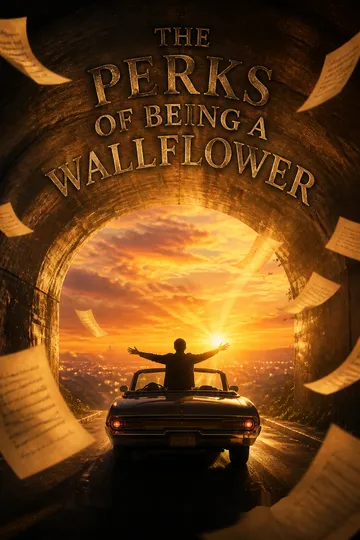
The Perks of Being a Wallflower receives high praise from readers, with an average rating of 4.41/5. Many appreciate its relatable characters, emotional depth, and unique letter format. Readers connect with Charlie's journey through high school, friendship, and personal growth. Some find the writing style initially confusing but ultimately effective. The book resonates with teenagers, offering valuable life lessons and comfort. While a few criticize unnecessary sexual content, most consider it a powerful, thought-provoking read that accurately portrays teenage experiences and emotions.
FAQ
What is "The Perks of Being a Wallflower" by Stephen Chbosky about?
- Coming-of-age story: The novel follows Charlie, a sensitive and introspective high school freshman, as he navigates the challenges of adolescence, friendship, love, trauma, and mental health.
- Epistolary format: The story is told through a series of letters written by Charlie to an anonymous "friend," giving the narrative an intimate and confessional tone.
- Themes of participation and observation: Charlie struggles between being a passive observer ("wallflower") and actively participating in life, a central tension throughout the book.
- Exploration of difficult topics: The book addresses issues such as suicide, abuse, sexuality, drug use, and the complexities of family dynamics.
Why should I read "The Perks of Being a Wallflower" by Stephen Chbosky?
- Honest portrayal of adolescence: The novel offers a raw and authentic look at the emotional highs and lows of growing up.
- Relatable characters: Readers often see themselves in Charlie and his friends, making the story deeply personal and resonant.
- Tackles important issues: The book doesn't shy away from tough subjects, providing comfort and understanding to those who may be struggling.
- Literary and cultural references: The story is rich with references to classic books, music, and films, making it appealing to lovers of pop culture and literature.
Who is the main character in "The Perks of Being a Wallflower" and what is his journey?
- Charlie's background: Charlie is a shy, intelligent, and emotionally sensitive teenager starting his first year of high school after the suicide of his friend Michael.
- Personal growth: Throughout the novel, Charlie learns to cope with his past traumas, make friends, fall in love, and find his own voice.
- Struggles with mental health: Charlie experiences depression, anxiety, and dissociation, which are gradually explored and understood as the story unfolds.
- Journey toward participation: With the help of friends like Sam and Patrick, Charlie moves from being a passive observer to someone who tries to "participate" in life.
What are the key themes and concepts in "The Perks of Being a Wallflower" by Stephen Chbosky?
- Passivity vs. participation: The struggle between watching life from the sidelines and actively engaging in it is central to Charlie's development.
- Friendship and chosen family: The importance of supportive friendships, especially for those who feel like outsiders, is a recurring theme.
- Trauma and healing: The novel explores how past trauma, including abuse and loss, shapes identity and the path to healing.
- Self-acceptance and love: Characters grapple with accepting themselves and others, learning that "we accept the love we think we deserve."
How does the epistolary (letter) format affect the storytelling in "The Perks of Being a Wallflower"?
- Intimate perspective: The letter format allows readers direct access to Charlie's thoughts, feelings, and vulnerabilities.
- Unreliable narration: Charlie's limited understanding and memory gaps create suspense and invite readers to read between the lines.
- Gradual revelation: Key plot points and traumas are revealed slowly, mirroring Charlie's own process of self-discovery.
- Sense of connection: The anonymous recipient of the letters makes the reader feel like a confidant, deepening emotional engagement.
Who are the most important supporting characters in "The Perks of Being a Wallflower" and what roles do they play?
- Sam: A senior who becomes Charlie's close friend and love interest, encouraging him to participate in life and confront his feelings.
- Patrick: Sam's stepbrother, an openly gay student who helps Charlie navigate friendship, identity, and loyalty.
- Bill: Charlie's English teacher, who recognizes Charlie's potential and mentors him through literature and personal advice.
- Charlie's family: His parents, sister, and memories of Aunt Helen provide context for his emotional struggles and growth.
What is the significance of the quote "We accept the love we think we deserve" in "The Perks of Being a Wallflower"?
- Central message: The quote, given to Charlie by his teacher Bill, encapsulates the novel's exploration of self-worth and relationships.
- Explains character choices: It helps explain why characters like Charlie's sister stay in unhealthy relationships and why Charlie struggles to accept love.
- Encourages self-reflection: The quote prompts both Charlie and readers to consider how their self-perception affects the love they seek and accept.
- Recurring motif: The idea is revisited throughout the book as characters learn to value themselves and seek healthier connections.
How does "The Perks of Being a Wallflower" by Stephen Chbosky address mental health and trauma?
- Honest depiction: The novel portrays depression, anxiety, dissociation, and the aftermath of trauma with sensitivity and realism.
- Gradual revelation: Charlie's mental health struggles are slowly revealed, culminating in the discovery of repressed memories of abuse.
- Support systems: The importance of therapy, supportive friends, and understanding adults is highlighted as Charlie seeks help.
- Message of hope: Despite the darkness, the book emphasizes that healing is possible and that reaching out for help is a sign of strength.
What are the most memorable quotes from "The Perks of Being a Wallflower" and what do they mean?
- "We accept the love we think we deserve": Reflects the theme of self-worth and relationship choices.
- "And in that moment, I swear we were infinite": Captures the feeling of pure, unfiltered joy and belonging with friends.
- "So, this is my life. And I want you to know that I am both happy and sad and I'm still trying to figure out how that could be.": Expresses the complexity of emotions during adolescence.
- "You see things. You keep quiet about them. And you understand.": Describes the essence of being a "wallflower"—an observant, empathetic outsider.
How does music, literature, and pop culture influence the characters in "The Perks of Being a Wallflower"?
- Shared experiences: Mix tapes, books, and movies serve as bonding tools for Charlie and his friends, creating shared memories and inside jokes.
- Self-expression: Characters use music and literature to express feelings they can't articulate directly, such as Charlie's love for "Asleep" by The Smiths.
- Personal growth: Bill's book recommendations help Charlie process his experiences and develop his own worldview.
- Cultural backdrop: References to The Rocky Horror Picture Show, classic novels, and 90s music ground the story in a specific time and subculture.
What is the meaning of being a "wallflower" in Stephen Chbosky's novel?
- Observant outsider: A wallflower is someone who notices things, keeps quiet, and understands others without always participating.
- Both strength and struggle: Charlie's wallflower nature allows him to empathize deeply but also keeps him from fully engaging in life.
- Journey toward balance: The novel explores how Charlie learns to balance observation with participation, finding his own place in the world.
- Symbol of adolescence: The term captures the feeling of being on the fringes during high school, watching others while searching for belonging.
What are the key takeaways and lessons from "The Perks of Being a Wallflower" by Stephen Chbosky?
- Importance of participation: Life is richer when you move from observation to active engagement, even if it's scary.
- Value of authentic relationships: True friends accept you as you are and help you grow, but honesty and vulnerability are essential.
- Healing from trauma: Facing the past and seeking help are crucial steps toward healing and self-acceptance.
- Embracing complexity: It's normal to feel both happy and sad, and learning to accept this complexity is part of growing up.
- Everyone is special: As Bill tells Charlie, recognizing your own worth and the worth of others is a vital part of life.
About the Author
Other books by Stephen Chbosky

Download PDF
Download EPUB
.epub digital book format is ideal for reading ebooks on phones, tablets, and e-readers.








































