
Plot Summary
The Wild Garden's Secret
Harriet Hunt, a solitary young woman, finds solace in her unruly garden, which seems to respond to her moods and whispers. The garden is her only refuge from a house haunted by her father's cruelty and absence. She is ostracized by neighbors, labeled strange, and burdened by debts left by her vanished father. The garden's wildness is both her comfort and her secret, a living entity that she must keep in check lest it reveal her difference to the world. Harriet's connection to the garden is deep and mysterious, hinting at a power she barely understands, and it is this bond that both isolates and protects her as the outside world grows more threatening.
Inspector at the Gate
Inspector Stokes arrives, investigating her father's disappearance and casting a suspicious eye on Harriet's solitary existence. His questions are pointed, his tone menacing, and he is quick to believe the worst about a woman who lives alone and tends a wild garden. Stokes's presence unsettles Harriet, making her fear for her freedom and sanity. The garden senses her anxiety, growing restless and protective. Harriet's attempts to appear normal only make her seem more peculiar in the inspector's eyes. The threat of being labeled mad or dangerous looms, and Harriet realizes that her safety is as fragile as the petals in her garden.
Letters and Losses
Harriet is haunted by letters—some from creditors, others mysterious, and one from a man named Nigel Davies who claims to know something important about her family. She is paralyzed by fear and indecision, burning most letters unread, unable to face the truths they might contain. The loss of her father, the absence of love, and the weight of secrets press down on her. Her only comfort is her cousin Eunice, whose visits are a lifeline. Yet, even this connection is threatened as Eunice prepares to leave for the country, leaving Harriet more alone than ever, with only her garden and unanswered questions for company.
Cousin's Farewell
Eunice, Harriet's beloved cousin and confidante, announces she must leave London to care for her husband's ailing aunt in the distant countryside. The news devastates Harriet, who relies on Eunice's warmth and understanding. Their final tea together is bittersweet, filled with memories of childhood and the pain of impending separation. Eunice urges Harriet to join her, but Harriet feels bound to her garden and the secrets it holds. As Eunice departs, Harriet is left to confront her loneliness and the growing sense that she is being watched and judged by the world outside her garden walls.
The Garden's Unruliness
With Eunice gone, Harriet's garden becomes more wild and responsive, its movements and growth increasingly difficult to control. The plants react to her emotions, sometimes protecting her, sometimes threatening to expose her secret. When a new maid, Amelia, joins the household, Harriet must work harder to keep the garden's true nature hidden. The garden's unruliness mirrors Harriet's inner turmoil, as she struggles with fear, longing, and the burden of her past. The threat of discovery intensifies, and Harriet realizes that her connection to the garden is both a gift and a curse.
A Stranger's Proposal
A chance encounter with Christian Comstock, a charming and seemingly kind neighbor, brings unexpected attention to Harriet. Christian is drawn to her oddness and her garden, and soon begins to court her. His interest is flattering but bewildering to Harriet, who has never known romantic affection. Christian's proposal of marriage comes swiftly, offering Harriet a possible escape from suspicion and loneliness. Yet, the speed and intensity of his courtship raise questions, and Harriet is torn between hope for a new life and fear of repeating old patterns of control and confinement.
Maid and Mistress
Amelia, the new maid, is sharp, resourceful, and more of an equal than a servant. She and Harriet form a tentative friendship, sharing secrets and supporting each other against the world's harshness. Amelia encourages Harriet to seek answers about her father and to venture beyond her comfort zone. Their alliance is tested by the pressures of the household, the scrutiny of neighbors, and the ever-present threat of Stokes. Together, they navigate the dangers of being women with little power, finding strength in their bond and in the wildness of the garden.
The Search for Father
Driven by Stokes's suspicions and her own need for closure, Harriet embarks on a search for her missing father. She and Amelia visit pubs and docks, questioning those who might have seen him. Their efforts are met with dead ends and evasions, deepening the mystery. Harriet's fear of being implicated in her father's disappearance grows, as does her anxiety about the garden's behavior. The search brings her into contact with Christian again, whose helpfulness seems genuine but whose motives remain unclear. The quest for her father becomes a quest for her own freedom.
The Docks and Deceptions
At the docks, Harriet and Amelia hope to find proof that her father fled to Denmark, but the records are inconclusive. Meanwhile, Christian's involvement in her affairs becomes more pronounced, and his charm begins to feel manipulative. Harriet discovers that letters meant for her have been intercepted, and that Christian may have been deceiving her from the start. The sense of conspiracy deepens, as Harriet realizes she is caught in a web of lies spun by those closest to her. The garden, sensing her distress, grows more protective and unpredictable.
The Hasty Engagement
Under pressure from Stokes and the mounting dangers around her, Harriet accepts Christian's proposal. The engagement is rushed, and the wedding is a somber affair, overshadowed by the absence of friends and the disapproval of Christian's family. Harriet's hopes for love and safety are quickly dashed as Christian's true nature emerges—controlling, secretive, and increasingly cruel. The garden, forced to submit to Christian's demands for order, withers and withdraws, mirroring Harriet's own sense of loss and entrapment. The house grows colder, and Harriet's isolation deepens.
Wedding and Withering
Life with Christian is stifling. He isolates Harriet, controls her correspondence, and enforces strict rules. The garden, once vibrant, is pruned and subdued, its magic suppressed. Harriet's attempts to reach out to Eunice and others are thwarted, and she becomes a prisoner in her own home. Christian's violence and manipulation escalate, and Harriet realizes that her marriage has become another form of captivity. The garden's silence is a constant reminder of what she has lost, and Harriet begins to despair of ever finding freedom or happiness.
The House Grows Cold
Christian's control tightens as he collaborates with Stokes to build a case for Harriet's commitment to an asylum. Harriet discovers that her letters have been intercepted, and that Christian and Stokes are plotting against her. The house becomes a place of surveillance and fear, with every movement watched and every word monitored. Harriet's only ally is Amelia, but even their friendship is strained by the constant threat of exposure. The garden, sensing Harriet's desperation, begins to stir, its power growing in response to her need.
The Locked Drawer
Harriet discovers a locked drawer in Christian's study, containing letters from Eunice and a damning document from Stokes declaring her insane. The realization that Christian has been plotting her downfall all along shatters Harriet's last illusions. She understands that her marriage was a trap, designed to seize her inheritance and dispose of her. The betrayal is complete, and Harriet is left with nothing but the garden's fading magic and her own determination to survive. The stage is set for a final confrontation.
The Asylum Plot
Christian, with Stokes's help, arranges for Harriet's commitment to Colney Hatch Asylum. He locks her in the basement, starves her, and destroys her garden, uprooting the last source of her strength. Harriet's mind teeters on the edge of madness as she confronts the ghosts of her past and the reality of her present. The garden, sensing her peril, fights back, but its power is waning. Harriet's only hope lies in escape, but the walls are closing in, and time is running out.
The Garden Uprooted
As Christian and her father return to claim her inheritance, Harriet's rage and despair reach a breaking point. The garden, responding to her unleashed emotions, erupts in a frenzy of growth and violence, ensnaring her tormentors and reclaiming its wildness. Harriet, in a moment of clarity and power, breaks free from her captors and flees into the night. The garden's magic, once a secret burden, becomes her salvation, allowing her to escape the cycle of abuse and control that has defined her life.
Roots of Rage
Harriet flees through the city and into the countryside, pursued by memories and the threat of recapture. She finds refuge in a forest, where the trees and plants respond to her presence, offering comfort and protection. The forest becomes a new kind of garden, one that welcomes her as she is. Harriet begins to heal, finding strength in her connection to nature and in the friendships she has forged. The past still haunts her, but she is no longer powerless.
Flight to Freedom
With the help of Greenwood, Anna, and Eunice, Harriet finds sanctuary in the countryside. She is welcomed into a community that values her for who she is, not for what she can provide. The threat of Stokes and her former life lingers, but Harriet is determined to build a new future. She discovers that her mother left her a legacy, both magical and material, and that she is not as alone as she once believed. The garden's magic is not confined to Sunnyside; it lives within her, wherever she goes.
The Forest's Embrace
In the woods near Eunice's home, Harriet experiences a profound connection to the natural world. The plants and trees respond to her touch, affirming her unique gift and her place in the world. For the first time, Harriet feels truly seen and accepted, not just by others but by herself. The forest becomes a place of healing and transformation, where Harriet can let go of guilt and fear and embrace her own power. The past loses its hold, and the future opens before her like a garden in bloom.
Letters Unearthed
Harriet uncovers letters and documents that explain the true motives behind Christian's actions and her father's disappearance. With the help of friends, she exposes the conspiracy against her and secures her freedom. The authorities, faced with evidence of Christian's crimes and Stokes's complicity, are forced to abandon their pursuit. Harriet's inheritance is restored, and she is able to help those who helped her, including Amelia. The cycle of abuse is broken, and Harriet claims her rightful place in the world.
The Garden Restored
Harriet returns to Sunnyside to find the garden wild and beautiful once more. She passes the house to Amelia and her new husband, ensuring that the garden will be cared for by those who understand its magic. Harriet moves to the country, where she creates a new garden and a new life, surrounded by friends and love. The wounds of the past heal, and Harriet's gift becomes a source of joy and abundance. The story ends with a celebration of renewal, community, and the enduring power of nature.
Truths and New Beginnings
Harriet's journey comes full circle as she finds peace with her past and hope for the future. She marries Greenwood, builds a family, and becomes known for her extraordinary gardens. The lessons of her life—about power, resilience, and the importance of community—are embodied in the flourishing world she creates. Harriet's story is one of survival and transformation, a testament to the strength that can grow from even the most neglected soil.
Analysis
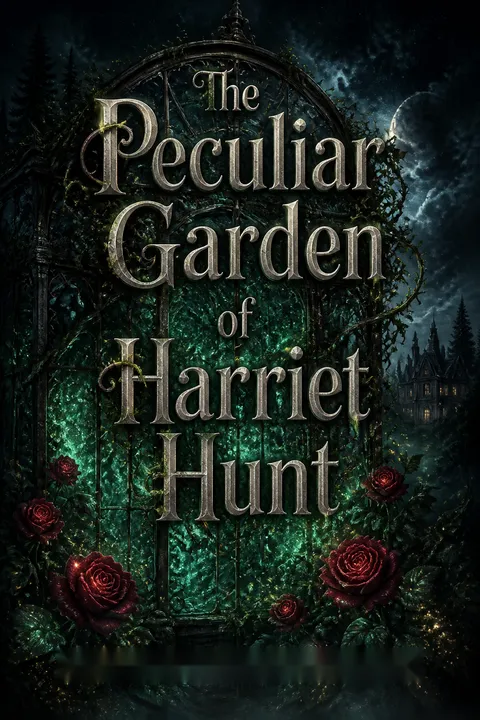
Chelsea Iversen's The Peculiar Garden of Harriet Hunt is a lush, haunting exploration of female agency, trauma, and the redemptive power of nature. Set against the rigid constraints of Victorian society, the novel uses the motif of a sentient, magical garden to externalize the protagonist's inner life—her pain, her longing, her resilience. Harriet's journey is one from isolation and self-blame to community and self-acceptance, mirroring the garden's transformation from neglected wildness to flourishing abundance. The narrative interrogates the ways women are controlled—by fathers, husbands, the law, and even by their own internalized shame—and offers a vision of liberation rooted in connection: to the earth, to other women, and to one's own desires. The plot's use of letters, secrets, and magical realism underscores the importance of reclaiming one's story and voice. Ultimately, the novel suggests that true freedom is not found in escape or conformity, but in embracing one's wildness, forging bonds of solidarity, and cultivating spaces—literal and metaphorical—where life can bloom on its own terms.
People Also Read







Characters
Harriet Hunt
Harriet is a young woman marked by trauma, isolation, and a mysterious connection to her garden. Scarred by her father's abuse and her mother's tragic death, she is both fiercely independent and deeply vulnerable. Her garden is her sanctuary and her secret, a living extension of her emotions and will. Harriet's psychological journey is one from self-doubt and fear to self-acceptance and empowerment. She is shaped by loss, suspicion, and betrayal, but also by friendship, love, and the discovery of her own strength. Her development is a gradual awakening to her own worth and agency, culminating in her escape from those who would control or destroy her. Harriet's relationships—with Eunice, Amelia, Greenwood, and her garden—are the anchors that allow her to heal and flourish.
Christian Comstock
Christian enters Harriet's life as a neighbor and suitor, offering her the promise of love and security. Beneath his charm lies a calculating, self-serving nature. He is motivated by greed and a desire for control, conspiring with Harriet's father and Stokes to seize her inheritance and commit her to an asylum. Christian's relationship with Harriet is a study in gaslighting and coercion, as he isolates her, intercepts her letters, and ultimately imprisons her. His psychological profile is that of a narcissist, skilled at appearing benevolent while enacting cruelty. Christian's downfall comes when he underestimates Harriet's resilience and the power of her garden, leading to his destruction.
Inspector Stokes
Stokes is the embodiment of Victorian authority and suspicion, quick to judge and eager to find a woman guilty of madness or crime. He is both a tool and an architect of Harriet's oppression, collaborating with Christian to have her committed. Stokes's psychoanalysis reveals a man threatened by female autonomy and difference, projecting his anxieties onto Harriet. His interactions with her are marked by condescension and menace, and he is relentless in his pursuit of evidence against her. Ultimately, Stokes is thwarted by the truth and by Harriet's allies, but his presence is a constant reminder of the dangers faced by women who do not conform.
Amelia Botham
Amelia begins as Harriet's maid but quickly becomes her confidante and co-conspirator. Sharp-witted, brave, and independent, Amelia challenges Harriet to seek answers and to fight for her freedom. Her own background is marked by hardship and neglect, and she is revealed to be the illegitimate daughter of Harriet's father. Amelia's relationship with Harriet evolves from servant to equal, and their bond is one of mutual support and shared struggle. Amelia's courage and loyalty are instrumental in Harriet's survival, and her eventual happiness is a testament to the power of female solidarity.
Eunice Gibson
Eunice is Harriet's closest friend and the only family member who offers her unconditional love. Warm, empathetic, and practical, Eunice provides Harriet with a sense of belonging and normalcy. Her departure is a profound loss for Harriet, but their correspondence and eventual reunion are sources of hope and healing. Eunice's own journey—into marriage, motherhood, and independence—parallels Harriet's, and her steadfast support is crucial to Harriet's transformation. Eunice represents the possibility of happiness and the importance of chosen family.
Clement Hunt (Harriet's Father)
Clement is a domineering, cruel figure whose actions shape Harriet's early life and haunt her long after his disappearance. He is motivated by shame, fear, and a need for control, locking Harriet away and threatening her with the asylum. His alliance with Christian is driven by greed and self-preservation. Clement's return brings the story's conflicts to a head, and his ultimate fate is entwined with the garden's vengeance. Psychologically, he is a man broken by his own failures, projecting his self-loathing onto his daughter.
Mrs. Botham
Mrs. Botham is both a victim and a perpetrator, neglected by Clement and neglecting Harriet in turn. Her bitterness and resentment are rooted in unfulfilled love and a life of servitude. She is harsh, judgmental, and at times cruel, but her actions are also shaped by her own suffering. Mrs. Botham's relationship with Harriet is fraught, but she ultimately aids in Harriet's escape, seeking redemption for her complicity. Her character is a study in the ways trauma can perpetuate itself across generations and social hierarchies.
Greenwood
Greenwood is Christian's cousin, a quiet, observant man with a passion for astronomy. He becomes Harriet's ally and, eventually, her partner. Greenwood's kindness, patience, and respect stand in stark contrast to the controlling men in Harriet's life. He supports her without seeking to possess or change her, offering a model of healthy masculinity. Greenwood's development is subtle but significant, as he moves from bystander to active participant in Harriet's liberation. His relationship with Harriet is built on trust, equality, and shared wonder.
Anna Greenwood
Anna, Greenwood's sister, is a vibrant, independent woman who pursues a career on the stage. She befriends Harriet and offers her a glimpse of a life lived on one's own terms. Anna's confidence and self-possession inspire Harriet to imagine new possibilities for herself. She is a source of joy and encouragement, and her presence in the story highlights the importance of female friendship and the pursuit of passion.
Nigel Davies
Nigel Davies is the author of the enigmatic letter that sets Harriet on her quest for answers. He is later revealed to be her mother's art dealer and the guardian of her inheritance. Davies's role is that of a catalyst, providing Harriet with the information and resources she needs to claim her freedom. His character represents the possibility of benevolent intervention and the importance of uncovering hidden truths.
Plot Devices
The Sentient Garden
The garden is both a literal and symbolic extension of Harriet's psyche—responsive to her emotions, protective in times of danger, and unruly when she is threatened or distressed. It serves as a plot device for foreshadowing (its agitation signals coming conflict), for magical realism (its supernatural growth and defense), and for character development (mirroring Harriet's journey from repression to self-acceptance). The garden's destruction and restoration parallel Harriet's own cycles of loss and renewal, and its final wild flourishing marks her liberation.
Letters and Hidden Documents
Letters—burned, intercepted, or hidden—drive the plot, revealing betrayals (Christian's interception of Harriet's mail), secrets (her mother's legacy), and the machinations of antagonists (Stokes's asylum order). The discovery of letters in locked drawers and secret compartments provides key turning points, shifting Harriet's understanding of her situation and empowering her to act. The motif of unread or undelivered letters underscores themes of isolation, miscommunication, and the struggle for agency.
The Threat of the Asylum
The looming threat of Colney Hatch Asylum is a constant source of tension, representing the power of patriarchal society to silence and dispose of inconvenient women. The plot device of the asylum order, signed by Stokes and abetted by Christian, raises the stakes and forces Harriet to confront her own fears and the limits of her control. The asylum is both a literal danger and a metaphor for the ways women's autonomy is policed and punished.
Foreshadowing and Repetition
The narrative structure employs foreshadowing through repeated motifs—locked doors, the ticking clock, the train's roar, the garden's agitation—to build suspense and reinforce themes of entrapment and escape. The repetition of threats (from father to husband to inspector) highlights the persistence of patriarchal oppression, while the eventual breaking of these cycles marks Harriet's transformation.
Magical Realism and Transformation
The magical elements—the garden's sentience, the forest's embrace, the spontaneous blooming of flowers—are woven seamlessly into the realist setting, blurring the line between the possible and the impossible. These moments of magic are not escapes from reality but confrontations with it, enabling Harriet to access strength, healing, and agency that the world denies her. The final transformation of the garden and Harriet's own life is both a literal and symbolic victory.
Download PDF
Download EPUB
.epub digital book format is ideal for reading ebooks on phones, tablets, and e-readers.








































