
Plot Summary
Born Under Cursed Stars
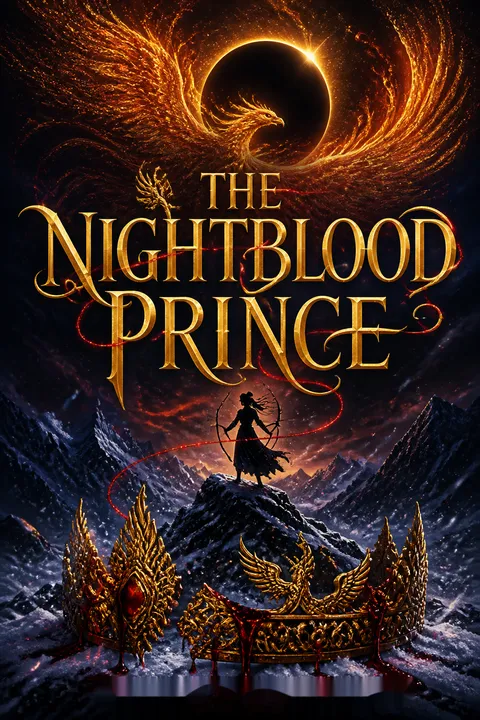
In the midnight between lunar years, Fei is born with a phoenix mark, her cries drowned by fireworks and fate. Far away, a stargazer proclaims a fallen goddess with the phoenix's mark will unite the continent. The emperor, desperate for glory, claims Fei as the future empress, binding her to his infant son, Siwang, with a red string of fate. Their destinies are sealed before they can speak, their lives shaped by a prophecy that is both blessing and curse. Fei's earliest memories are of being cradled by power, yet always apart, her life not her own but a symbol for the ambitions of men. The prophecy's shadow looms, promising greatness but sowing seeds of violence and longing.
Gilded Cage, Crimson Walls
Raised in the palace, Fei is revered as the future empress but lives as a cherished captive. Her parents visit only under strict permission, their love formal and distant. She yearns for freedom, for the warmth of family and the ordinary joys denied her. The palace is beautiful but suffocating, every gesture watched, every word weighed. Fei's identity is shaped by what she represents, not who she is. She is taught to be docile, to accept her fate, but inside, questions burn: Why must her life be dictated by prophecy and men? Why is her voice always the quietest? The gilded cage is lined with gold, but it is still a cage.
Prophecy's Price and Palace Games
Fei's prophecy makes her both revered and resented. At the imperial hunt, she witnesses the court's power games: Siwang, the pampered heir, and Yexue, the beautiful hostage prince from Lan, both vie for glory. Fei's visions warn her of blood and calamity, not triumph. She is surrounded by heirs desperate for Siwang's favor, knowing their lives depend on his whims. Even as she excels in archery and wit, she must hide her magic, fearing it will be used to further the emperor's ambitions. The palace is a battlefield of alliances, jealousy, and unspoken threats, where even kindness can be a weapon.
The Imperial Hunt's Blood
The imperial hunt is both tradition and test, a chance for men to prove themselves and win a wish from the emperor. Fei, desperate for agency, plans to hunt the legendary Beiying tiger, hoping to win her freedom. Her sister Fangyun warns her of the risks, but Fei is determined. The hunt is fraught with tension—Siwang's possessiveness, Yexue's curiosity, and the ever-present threat of violence. When Fei sneaks out at night, she encounters Yexue wounded and hunted. Their fates entwine as she saves him, and together they face the tiger. Blood is spilled, secrets are shared, and Fei's longing for freedom grows sharper.
Sisters, Secrets, and Sacrifice
Fei's relationship with her sister is her only solace. Fangyun tries to persuade Fei to accept her fate and marry Siwang, arguing that love and comfort are rare gifts. But Fei cannot accept a life of gilded submission. She confides her dreams of fire and ruin, her fear that the prophecy is a curse. Fangyun gives her a dagger for protection, a symbol of both love and resignation. The sisters' bond is tested by the weight of destiny, each wishing for the other's happiness but knowing that sacrifice is inevitable. Fei's choice to defy fate is both an act of love and rebellion.
Night Visions and Tiger's Claws
Fei's visions intensify, showing her glimpses of war and destruction. During the hunt, she and Yexue are attacked by the Beiying tiger. Fei is gravely wounded, her blood soaking the snow. As she drifts toward death, memories of Siwang's kindness and their childhood together flood her mind. Yexue, revealing his own forbidden magic, saves her with his blood—an act that binds them in ways neither fully understands. Fei awakens in a cave, her wounds miraculously healed, but the cost of magic and the secrets it reveals deepen the mystery of her fate. The boundaries between love, power, and survival blur.
The Prince of Lan's Wound
In the aftermath, Fei and Yexue share truths and vulnerabilities. Both are outcasts, marked by prophecy and hunted by their own people. Yexue's magic is a legacy of fear and exile; Fei's visions are a burden she cannot share. Their conversation is a dance of suspicion and empathy, each recognizing the other's pain. Yexue offers Fei a chance to escape, to run away from the palace and fate, but she refuses, unwilling to endanger others. Their connection is fraught with tension—attraction, rivalry, and the shared knowledge that destiny is not easily defied. The night cements a bond that will shape the coming war.
Escape, Betrayal, and Blood
As Fei and Yexue attempt to return, they are pursued by Siwang and his men. The confrontation is brutal—Yexue's supernatural strength is revealed as he slaughters soldiers to protect Fei. Siwang is gravely wounded, and Fei must choose between her childhood friend and the enigmatic prince of Lan. She saves Siwang, betraying Yexue, and flees with her wounded betrothed. The cost of survival is high: trust is shattered, and Fei's sense of self is fractured. The lines between hero and monster, love and loyalty, are blurred by blood and necessity.
The Nightblood's Bargain
Fei recovers in the palace, haunted by guilt and longing. Siwang's devotion is unwavering, but Fei cannot accept a life defined by others' desires. She pleads with the emperor to break the betrothal, risking her life for autonomy. The emperor's rage is tempered only by Siwang's intervention. Fei is exiled with her family, forced to leave behind the only world she has known. The pain of parting is sharp, but the promise of freedom is intoxicating. Fei's journey is one of self-discovery, as she learns that love cannot be forced and destiny must be seized, not inherited.
Flames of War Ignite
War erupts between Rong and Lan, fueled by pride, prophecy, and old wounds. Fei, now living in exile, witnesses the suffering of ordinary people—famine, conscription, and grief. She disguises herself as a man to join the army in her father's place, determined to protect her family and find meaning in the chaos. The front lines are a crucible of fear and camaraderie, where friendships are forged and lives are lost. Fei's visions grow darker, showing her the horrors to come. The war is not just between empires, but within hearts—between hope and despair, love and vengeance.
Exile and Family Bonds
Fei returns to her family, bearing the scars of war and exile. The village is changed—poverty and loss are everywhere, but so is the stubborn will to survive. Fei's relationship with her parents and sister deepens, shaped by shared hardship and unspoken forgiveness. She struggles with guilt for the suffering her choices have caused, but her father's pride and her sister's support give her strength. The bonds of family are tested but endure, offering a fragile sanctuary amid the storm. Fei learns that freedom is not the absence of pain, but the courage to face it.
The Cost of Freedom
As the war intensifies, Fei enlists in the army, hiding her identity to spare her father. The camp is a world of its own—harsh, chaotic, and full of unlikely friendships. Fei proves herself through grit and skill, earning the respect of her comrades. She reunites with Siwang, now a hardened general, and their relationship is strained by secrets and the weight of leadership. The cost of freedom is high—lives are lost, innocence is shattered, and the line between right and wrong blurs. Fei's journey is one of endurance, as she learns that true power comes from within.
War's Toll and Women's Grief
The war claims more lives—friends, mentors, and innocents. Fei witnesses the devastation firsthand, from the battlefield to the village. The suffering of women and children is acute, their grief often overlooked by those in power. Fei's visions show her the futility of endless conquest, the cycle of violence that consumes empires. She questions the meaning of prophecy and the value of sacrifice. The pain of loss is a constant companion, but so is the determination to build something better. Fei's empathy becomes her greatest strength, guiding her through darkness.
Disguised Among Soldiers
Living as a soldier, Fei navigates the dangers of discovery and the bonds of brotherhood. She forms deep connections with her fellow recruits, sharing laughter and sorrow. The camp is a microcosm of society—hierarchies, prejudices, and moments of unexpected kindness. Fei's skills in archery and strategy set her apart, but she must constantly hide her true self. The threat of exposure is ever-present, but so is the sense of purpose. Through hardship, Fei learns the value of solidarity and the power of ordinary people to shape history.
Reunion, Regret, and Revelations
Fei and Siwang's paths cross again, their relationship complicated by war and memory. Siwang is changed—more ruthless, more desperate. Fei confronts the reality of his ambition and the darkness it breeds. Yexue reappears, offering both danger and understanding. The three are bound by love, rivalry, and the scars of prophecy. Secrets are revealed—about magic, destiny, and the true cost of power. Fei must choose between past and future, between the boy she loved and the man she has become. The revelations are painful, but necessary for growth.
The Battle for Changchun
The siege of Changchun is a turning point—Siwang's decision to burn the city marks his descent into moral ambiguity. Fei is horrified by the slaughter, realizing that victory built on atrocity is hollow. Yexue's vengeance is swift and brutal, and the cycle of violence threatens to consume them all. Fei's pleas for peace are ignored, her warnings dismissed. The battle is not just for territory, but for the soul of the empire. In the aftermath, Fei is forced to confront the limits of love and the necessity of letting go.
Peace, Power, and Prophecy
With both empires exhausted, Fei brokers a fragile peace between Rong and Lan. The treaty is hard-won, requiring sacrifice from all sides. Fei is granted authority over the borderlands, a position of power she never sought but now embraces. She is no longer a pawn, but a player in her own right. The prophecy is fulfilled not through conquest, but through compassion and courage. Fei's journey from captive to commander is complete, but the cost is etched in memory. The future is uncertain, but hope endures.
The Nightblood Prince's Choice
Yexue and Fei, both marked by prophecy and magic, choose to seek answers together. Their bond is forged in blood and understanding, transcending rivalry and resentment. Siwang returns to the capital, changed by loss and regret. Fei remains at the border, determined to protect the peace she helped create. The story ends not with triumph, but with the promise of new beginnings. Fei's final act is one of agency—choosing her own path, rewriting her destiny, and embracing the unknown with courage.
Analysis
A modern feminist epic of agency and consequenceThe Nightblood Prince reimagines the classic fantasy of chosen destiny through a lens of psychological realism and social critique. At its heart, the novel interrogates the costs of prophecy, the dangers of unchecked ambition, and the struggle for agency in a world that seeks to define women by their utility to men. Fei's journey from captive symbol to self-determined leader is both a personal and political revolution, challenging the structures that bind her. The love triangle is not merely romantic but a crucible for exploring power, vulnerability, and the longing for equality. War is depicted not as glory but as tragedy, its true victims the ordinary people whose lives are shattered by the ambitions of rulers. The novel's use of magic and prophecy serves as a metaphor for difference—gifts that isolate as much as they empower. Ultimately, The Nightblood Prince is a story about rewriting fate, embracing imperfection, and finding hope in solidarity and self-knowledge. Its lesson is clear: true power lies not in prophecy or conquest, but in the courage to choose one's own path, even when the world conspires to deny it.
Review Summary
Reviews for The Nightblood Prince are sharply divided. Positive reviewers praise its fast-paced plot, lush Chinese-inspired world-building, compelling feminist themes, and an engaging love triangle between two morally grey princes. Many adore protagonist Fei's strength and determination. Critical reviewers, however, find Fei selfish and hypocritical, the world-building thin, the magic system unexplained, and the plot riddled with inconsistencies. The love triangle polarizes readers, with some finding it compelling and others insufferable. The book currently holds a 3.71 average rating across nearly 5,000 reviews.
Characters
Lifeng Fei
Fei is the protagonist, marked from birth by a prophecy and a blood-red phoenix between her brows. Raised in the palace as the future empress, she is both revered and imprisoned, her life dictated by the ambitions of men. Fei is intelligent, fiercely independent, and haunted by visions of bloodshed. Her relationships—with her family, her sister Fangyun, Siwang, and Yexue—are complex, shaped by love, guilt, and the longing for agency. Psychologically, Fei is torn between duty and desire, struggling to reconcile her empathy with the violence her prophecy brings. Over the course of the story, she transforms from a passive symbol to an active agent, seizing control of her fate and redefining what it means to be powerful.
Rong Siwang
Siwang is Fei's childhood companion and betrothed, the crown prince destined to unite the continent. He is charming, loyal, and deeply in love with Fei, but also shaped by the expectations of his father and the weight of prophecy. Siwang's kindness is genuine, but his ambition grows darker as war and loss take their toll. He is both protector and jailer, struggling to balance love with the demands of power. Psychologically, Siwang is driven by insecurity and the need to prove himself, leading to moral compromises and tragic decisions. His relationship with Fei is both tender and fraught, ultimately forcing him to confront the limits of love and the dangers of unchecked ambition.
Lan Yexue
Yexue is the prince of Lan, sent to Rong as a hostage and rumored to possess dark magic. He is beautiful, enigmatic, and burdened by his own prophecy—a legacy of fear and exile. Yexue's supernatural abilities set him apart, making him both weapon and outcast. His relationship with Fei is one of mutual recognition and rivalry, each seeing in the other a reflection of their own pain. Psychologically, Yexue is driven by a longing for acceptance and the desire to defy fate. His journey is one of self-discovery, as he learns to wield his power with compassion and seeks redemption through partnership with Fei.
Fangyun
Fangyun is Fei's older sister, granted rare access to the palace and a confidante in a world of secrets. She is practical, nurturing, and deeply protective of Fei, often serving as a bridge between family and destiny. Fangyun's love is steadfast, but she is also willing to challenge Fei's choices, urging caution and compromise. Psychologically, Fangyun embodies the sacrifices demanded of women in a patriarchal society, yet she finds strength in solidarity and resilience. Her relationship with Fei is a source of comfort and grounding, reminding Fei of the value of ordinary joys.
Wu Caikun
Caikun is the son of a general and Siwang's closest confidant. Raised among soldiers, he is disciplined, stoic, and fiercely protective. Caikun's loyalty is tested by the horrors of war and the loss of his family, leading to moments of rage and grief. His relationship with Fei is complicated by past misunderstandings and the shifting dynamics of power. Psychologically, Caikun represents the cost of loyalty and the struggle to maintain honor in a world of shifting allegiances. His development is marked by grief, forgiveness, and the search for meaning amid chaos.
Lifeng Fangyun (Mother)
Fei's mother is a background presence, her love expressed through small acts and quiet endurance. She is shaped by loss—the exile from the capital, the hardships of village life, and the fear for her daughters' futures. Psychologically, she embodies the resilience of women who bear the burdens of others' choices. Her relationship with Fei is marked by distance and longing, a reminder of the costs of ambition and the value of home.
Lifeng (Father)
Fei's father is a former minister, exiled for his daughter's defiance. He is wise, principled, and burdened by guilt for the suffering of his family. His love for Fei is expressed through pride and regret, struggling to reconcile his ideals with the realities of power. Psychologically, he represents the older generation's struggle to adapt to change, and the pain of watching children bear the consequences of fate. His development is one of acceptance and reconciliation.
Luyao
Luyao is a fellow recruit in the army, a cowherd with a gentle heart and a family waiting at home. His friendship with Fei is marked by humor, loyalty, and shared hardship. Luyao's death is a turning point, embodying the senseless loss and grief that war inflicts on ordinary people. Psychologically, he represents the everyman—the hopes, fears, and sacrifices of those caught in the tides of history.
Ping
Ping is the disciple of the stargazer who foretold Fei's prophecy. Mutilated and exiled by the emperor, she survives through resilience and wit. Ping's knowledge is crucial to Fei's understanding of her fate, and her humor offers a rare lightness amid darkness. Psychologically, Ping represents the dangers of knowledge in a world ruled by fear, and the strength to endure when all else is lost.
The Emperor of Rong
The emperor is the architect of Fei's captivity and the wars that follow. He is driven by ambition, pride, and the belief in his own destiny. His love for Siwang is genuine but warped by the demands of power. Psychologically, he embodies the dangers of unchecked authority and the human cost of dreams pursued at any price. His relationship with Fei is one of possession, not affection, and his downfall is a cautionary tale of hubris.
Plot Devices
Prophecy and Fate
The central plot device is the prophecy that binds Fei and Siwang, dictating their lives and the ambitions of empires. The prophecy is both a motivator and a curse, driving characters to greatness and ruin. It is used to justify war, shape alliances, and define identity. The tension between fate and free will is explored through Fei's struggle to seize agency and redefine her destiny. The prophecy's ambiguity allows for multiple interpretations, fueling conflict and uncertainty.
Magic and Visions
Fei's visions and Yexue's blood-magic are key devices, symbolizing both potential and peril. Magic is rare and feared, its existence denied by those in power. Fei's glimpses of the future are both warning and torment, driving her actions and shaping the narrative's suspense. Yexue's abilities set him apart, making him both weapon and outcast. Magic is a metaphor for difference, agency, and the costs of being extraordinary.
Gender Disguise and Role Reversal
Fei's decision to disguise herself as a man to join the army is a classic device, allowing her to experience camaraderie, danger, and agency denied to women. This reversal challenges gender norms and highlights the arbitrary nature of power. The device also creates dramatic irony, as characters interact with Fei without knowing her true identity, deepening the psychological complexity of relationships.
Love Triangle and Rivalry
The triangle between Fei, Siwang, and Yexue is a driving force, fueling tension, betrayal, and growth. Each relationship is layered—love, rivalry, and the longing for acceptance. The triangle is not just romantic but symbolic of larger conflicts: tradition versus change, duty versus desire, and the search for self amid competing claims.
War as Catalyst
The backdrop of war is both literal and metaphorical, exposing the true nature of individuals and societies. Battles, sieges, and political intrigue are used to test loyalties, force choices, and reveal the price of ambition. War is not glorified; its horrors are shown through loss, grief, and the suffering of innocents. The device serves to strip away illusions and force characters to confront their values.
Letters, Rumors, and Secrets
Letters, rumors, and secrets are woven throughout, driving misunderstandings, alliances, and betrayals. The flow of information—who knows what, and when—creates suspense and irony. Secrets about magic, identity, and prophecy are revealed at crucial moments, shifting the balance of power and forcing characters to adapt.
Narrative Structure and Foreshadowing
The story uses visions and dreams to foreshadow key events, creating a sense of inevitability and tension. Mirrored scenes—such as hunts, battles, and confrontations—highlight character growth and the cyclical nature of history. The structure moves from the personal (family, love) to the epic (war, prophecy), blending intimate emotion with grand stakes.
Download PDF
Download EPUB
.epub digital book format is ideal for reading ebooks on phones, tablets, and e-readers.








































