
Plot Summary
Homecoming Unraveled
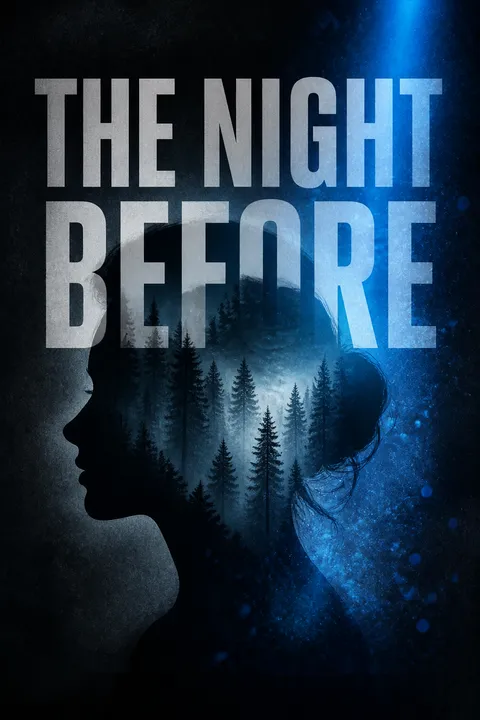
Laura Lochner, hollowed by trauma and recent heartbreak, returns to Branston, Connecticut, aiming for a fresh start with her sister Rosie's family after a mysterious man in New York abandons her. Caressed by memories and haunted by rumors from her past—the unsolved murder of her high school boyfriend, Mitch—Laura struggles to fit into the patchwork of Rosie's "normal" life. Her therapist, Dr. Brody, has urged her to dive into her past to break her cycle of failed relationships, but Laura both longs for new love and fears who she might become if she finds—or loses—it. The familial warmth of her childhood friends Rosie, Joe, and Gabe feels both comforting and fragile. Laura's self-perception as unlovable, and her family's tightrope of hope and dread, establish haunting tension—a woman at war with her history, surrounded but terribly alone, prepping for one last risky shot at inclusion.
First Date Fears
Dressed in borrowed confidence, Laura heads out for a blind date with Jonathan Fields, a seemingly perfect match from a trustworthy dating website. Layered beneath the surface rituals—lipstick, dress, smiles—she's steeling herself against a chronic sense of unworthiness and a pattern of attracting and fleeing from the wrong men. Rosie's support is wary; Laura's mind churns over every detail, wary of betrayal. The date is high-stakes: Laura is desperate for a new story, even as she cannot escape the heavy undertow of her own misgivings. Hope and paranoia swirl: is Jonathan too good to be true? Is Laura destined to sabotage another chance at happiness—or worse, repeat the violence of her past? The simple act of meeting a stranger lays bare Laura's emotional volatility and the depth of her vulnerability.
Sister's Instincts Stir
Rosie awakes instinctively unsettled—Laura hasn't returned. Worry gnaws, its roots deep in old family trauma and the unspeakable night in the woods a decade before. Rosie's protective love has always shadowed her sister's recklessness, and now, Laura's patterns trigger primal fear. Consulting Joe and old friend Gabe, Rosie grapples with the urge to search, haunted by what might await: another "Laura Being Laura" mishap, or tragedy. Rosie's mind circles the old story: a party, a scream, a dead boyfriend—and Laura's estrangement ever since. This environment of vigilant affection and unprocessed horror forms the emotional undertow, as Rosie's maternal anxiety for her son intermingles with panic for her missing sister. The mystery builds: what happened to Laura last night?
Shifting Selves and Shadows
Conversations with Dr. Brody and internal monologues swirl around Laura's fractured sense of self. Therapy sessions reveal Laura's tendency to seek men who confirm her unlovability—a self-fulfilling prophecy. Guilt, anger, and Rosie's worried instructions swirl. Laura tries, on her date, to perform normalcy, suppressing her darker edges, yet her internal world is a battlefront of self-loathing and yearning. Omissions and lies—from the use of her mother's last name, to downplaying her infamous past—shape each interaction. Laura's need for love is as fierce as her suspicion that she can never sustain it. Meanwhile, knives of memory—her mother's hurtful "fists for hands" remark, her father's abandonment, her failure to be loved—drive Laura toward choices that may once again spiral into danger.
The Vanished Night
As Laura stays missing, Rosie, Joe, and Gabe pivot from worry to action—scanning dating profiles, questioning local bartenders, and desperately hacking into Laura's online life to locate Jonathan. Old wounds and resentments flare as Rosie questions the little she truly knows about her sister and their cloistered group. Each thin clue is scrutinized: the car's parking tickets, a blue minivan marooned downtown, unforthcoming police. Is Laura lost, in trouble, or escaping some new shame? A bartender's recognition and the revelation of "Jonathan's" other weekday dates send Rosie reeling—was her sister just another of a predator's targets, or has she (again) delivered danger to someone else? Anxiety gives way to a grim procedural, haunted by the old question: what was Laura really capable of?
Wrong Men, Old Wounds
Alone on her date, Laura's sharp instincts and paranoia intensify. She notices Jonathan's oddities: the out-of-place car, the eerily empty apartment, lies about his story. Her mind sifts past traumas: childhood neglect, the father's coldness, Mitch's death, mistrust of happiness. Jonathan's plausible charm and subsequent lurid moments push Laura's triggers—she fears she's repeating the same mistakes, chasing another "bad man," constructing illusions, and bracing for the inevitable collapse. Simultaneously, the narrative reveals her therapy: a struggle to understand why pain, power, and love seem tangled, and why she's drawn to situations where she'll be hurt or do harm. This emotional rollercoaster fuses past and present, suggesting Laura's fate is less a twist of events and more a consequence of her unhealed wounds.
Searching for Laura
Rosie and Gabe intensify their campaign—visiting bars, contacting other women seduced by "Jonathan," creating fake profiles, and leveraging Gabe's IT skills to recover deleted trails. The investigation crisscrosses Branston and New York, exploring Laura's recent heartbreak and discovering unpleasant truths about her ex, Dr. Brody, now dead in what is deemed a robbery. Each layer peels back more secrets: Laura's online interactions, possible threats she received before the date, and the men—both real and simulated—who passed through her orbit. Intersection points of loyalty, suspicion, and enmeshment in the friend group emerge, all while Rosie's guilt simmers for not protecting Laura from herself, or from the predator possibly hiding in plain sight.
Dangerous Connections
The search splits between two men: Jonathan Fielding, a hedge-fund manager with gaps in his story, and Edward Rittle, an online predator whose lies have victimized multiple women. With help from other "survivors," Rosie and Gabe home in on the real Jonathan, but frighteningly see their suspicions alternating between him and Rittle. Simultaneously, Laura, wrestling with the aftermath of a sexual encounter with Jonathan, stumbles upon revelations: fake names, a hidden wedding ring, and the threat that everyone—herself, her date—may not be who they seem. Conspiracy and distrust peak as each character's psychological scars and blind spots make them unreliable narrators to one another's intentions and dangers.
Childhood Scars Revealed
As Rosie uncovers relentless phone logs between Joe and Laura, a shattering truth comes out: Joe is Laura's biological half-brother, the product of their mother's affair with Joe's father. This revelation reframes the family's pain—Dick's emotional absence, Laura's sense of being unloved, the tangled group dynamics, and the persistent "mistake" feeling of everyone except Rosie. Meanwhile, Gabe's background surfaces: the years of abuse by his brother Rick, and Laura's role as his protector, further suggesting hidden debts between these friends. Past and present violence begin to blur—the roots of trauma as much in what adults failed to do as what children suffered.
Cat and Mouse Online
The feverish online investigation leads Rosie and Gabe to a terrible realization: the man Laura went out with is not the habitual liar Edward, but a separate, more ambiguous Jonathan. Yet, as they chase digital ghosts, new threats come to light: a trail of typed notes, possibly sent by someone close, and mounting evidence that someone has kept tabs on Laura's every move. The police gridlock, haunted by Laura's history, forces the friends to juxtapose their own motives—are they truly on Laura's side, or also searching for absolution for their participation in her pain? As digital breadcrumbs converge with physical discoveries, the hunt for the truth hurtles toward home.
The Stranger Behind the Screen
Laura becomes trapped in Gabe's basement, where it turns out he was her shadow: not only did he orchestrate the wild-goose chase online to distract authorities with the wrong suspect, but he has been the author of her threatening notes, and possibly her "protector" from the beginning—including as a killer. His childhood devotion curdled into delusion; fueled by old debts and perceived necessity, Gabe "saves" Laura from wrong men but keeps her literally captive, willing to eliminate anyone, even his own wife, who might come between them. Laura's flaw—her inability to trust good people, and unreliable radar for danger—is mirrored in Gabe's tragic psychosis, as the trauma of their friend group finally erupts into violence.
Confessions in the Dark
Trapped, Laura uncovers evidence of Gabe's crimes, including the body of his wife Melissa, hidden away. Rosie, suspecting the truth at last, bravely breaches the home, calling out for her sister. In a climactic confrontation, Laura, forced to defend herself with a baseball bat—the same object haunting her from that fateful night in the woods—must choose whether violence will define her again. The past collides violently with the present; Laura's lifelong battle between fleeing and fighting, victimhood and agency, reaches its apex. The repeated question—can Laura trust her gut, and can she be loved despite her brokenness—finds its answer in Rosie's protection and love.
Guy in the Woods
In the aftermath, as the group—shattered but alive—gathers, they piece together what happened the night of Mitch Adler's murder years ago. It was Gabe who dragged Mitch from the car, not the scapegoated Lionel Casey or Laura. Laura never swung the fatal bat, but she has carried, and been made to carry, that blame all her life, warping her sense of self and destiny. The scars left by childhood abuse, secrecy, and misdirected love are laid bare, and the cycle of violence is finally broken not by revenge but by truth-telling and communal care.
Threatening Notes
Throughout, the theme of judgment—external and internal—reverberates: Laura's entire life has been misshapen by feeling responsible for deaths and violence, by shunning affection, and by fearing she's essentially "unlovable." The notes, threats, and suspicions that stalk her become literal and metaphorical, standing for the psychic damage that trauma and secrecy infect. Only by bringing literal and emotional monsters into the light can healing begin.
The Truth About Joe
The revelation that Joe and Laura are siblings upends the central family narrative, explaining—the reader realizes—decades of shame, exile, and broken connections. This unexpected answer, once the greatest threat to the family's stability, paradoxically offers Laura context and, potentially, release from some of her foundational pain. The family, forced into raw honesty, must now reconstruct itself beyond inherited shame and old scripts.
Unmasking the Predator
Authorities, friends, and family weave together threads: Gabe's lifetime of secret-keeping, his psychological scars, his need to isolate and possess Laura, and his escalating violence. The investigators, and the trauma specialist who attends the survivors, parse the psychodynamics of attachment, delusion, and protectiveness gone pathological. Rosie especially, who has always stood between Laura and the world, now understands her role anew—not as savior, but as sister.
Basement of Secrets
The circle closes with Laura's confinement, struggle, and the final confrontation in Branston's dark underbelly. As she's freed—physically, and from the old pattern of self-blame—Laura emerges as both a survivor and witness to the consequences of secrecy and mislaid loyalty. Her journey redraws the map of innocence and guilt: she was never a murderer, but always a casualty of those desperate to fix, possess, or save her.
The Mountain of Forgiveness
In the aftermath, Laura grapples with survivor's guilt, enduring trauma, and the difficult ascent toward forgiveness—for herself, for those who wounded her, for those who tried to save her. Her final, beaten but unbroken, attempts to make peace with victims of the story's many tragedies—visiting Jonathan in the hospital, acknowledging her unhealed wounds, and clinging to those who truly love her—reveal hope messily earned. If there is redemption, it lies not in escape from pain, but in learning to speak its truth, accept its mark, and build, again, from the pieces.
Analysis
Wendy Walker's The Night Before is a psychological thriller that weaponizes the terrors of trauma, the malfunctions of memory, and the shadowy side of love. Built on the scaffolding of alternating timelines and voices, it transforms what might have been a familiar "woman in peril" story into a nuanced exploration of survivor's guilt, inherited violence, and the insidious consequences of family secrets. At its core, the novel interrogates the impact of childhood emotional neglect—showing how the need for love, if unmet, can spiral into cycles of self-sabotage and dangerous attachments. Crucially, the narrative resists easy villains: perpetrators and protectors are often the same, and the greatest threats come not from strangers but from those closest. Modern dating is presented as hazardous terrain for already vulnerable women, but the deepest danger is psychic—an inability to discern love from harm when formative abuse rewires perception. The lessons emerge gradually: forgiveness, though brutal, is the only release from repeating trauma; secrets, if left festering, will always destroy more than we intend; and the journey toward self-acceptance is as perilous, and necessary, as confronting any real-life foe. Through Laura's harrowing ordeal and eventual survival, Walker offers a kind of hope—not trite escape, but a stoic, hard-won return to agency, clarity, and, perhaps one day, genuine love.
Review Summary
Most readers found The Night Before to be a gripping, fast-paced psychological thriller told through alternating perspectives of two sisters, Laura and Rosie. Reviewers praised its compulsive readability, well-crafted tension, and surprising twists, with many finishing it in a single sitting. The unreliable narrator and dual timelines were frequently highlighted as strengths. Some criticisms included predictable red herrings, underdeveloped characters, and occasionally hollow execution. Overall, the majority considered it a standout thriller, with several calling it Walker's best work yet.
People Also Read




Characters
Laura Lochner
Laura is the pivot of the narrative: a damaged woman trying to shed a life of trauma, suspicion, and violence. Shaped by a cold, abandoning father, a negligent mother, and the ghost of a murdered lover, Laura's psycho-emotional terrain is marked by shame, self-blame, and a belief that she is unlovable. Her relationships are a series of attempts—both subconscious reenactments and willful escapes—from a traumatic past that others won't let her forget. Vulnerable, fiercely intelligent, and at war with her own instincts, Laura yearns for belonging but suspects she is destined only for heartbreak. Her journey throughout the story is one of unmasking her own patterns, resisting the wrong men (and friends), and finally re-integrating the truth of her history, laying aside both guilt and fear. Her self-perception bleeds into psycho-somatic symptoms; she sleeps poorly, sees threats everywhere, and is never sure if the risk in front of her is real or imagined.
Rosie Ferro
Rosie is Laura's ballast: courageous, nurturing to the point of martyrdom, perpetually burdened by the need to keep her troubled sister safe. Rosie balances marriage, motherhood, and the stress of being forever on the lookout for another calamity caused—or experienced—by Laura. Psychologically, Rosie is torn between envy of Laura's wildness and love, and fear that one day her protection will not be enough. Her enduring loyalty is challenged as she is confronted by the depth of secrets within her family and friend group. As the search for Laura spirals out of control, Rosie's resilience, resourcefulness, and finally action (breaking into Gabe's home) are vital to her sister's survival and the story's emotional closure.
Joe Ferro
Joe, Rosie's husband and Laura's childhood friend, is the group's nominal leader and provider—calm, practical, and deeply tied to the group's shared past. His own secret—that he is Laura's biological brother—upends every relationship, revealing how even the most seemingly ordinary figures can be linchpins in generational trauma. Joe's psychological complexity is revealed through his desire for stability, guilt at withholding the secret, and protectiveness toward both women. He must balance being a husband and father with the destabilizing truth, ultimately embodying the idea that families are not just made by blood, but by chosen loyalty and care.
Gabe Wallace
Gabe is Laura's childhood confidant and, unbeknownst to all, her most dangerous threat. Abused by his brother Rick and emotionally rescued by Laura, Gabe's attachment distorts over time into possessiveness and criminal "protection." His introverted, helpful persona masks profound psychic wounds, delusions, and the capacity for violence as he eliminates (directly or indirectly) those he perceives as threats to his special connection with Laura. Gabe's journey from loyal fixer to unmasked predator is slow-burning but shattering, showing the dark reflections of love corrupted by trauma.
Dr. Kevin Brody
Kevin is Laura's New York therapist-turned-lover. Intellectually and emotionally engaged, he helps Laura make sense of her psychological scars, but their personal connection is both a breakthrough and a tragic boundary violation. His murder—facilitated by Gabe—symbolizes the ultimate loss for Laura: the one man who tried to love her as she was. Kevin's presence, though absent physically, reverberates through Laura's internal growth and search for self-understanding.
Mason Ferro
Mason, Rosie and Joe's young son, appears briefly but meaningfully, embodying hope, family, and the possibility of a future that might escape the gravitational pull of trauma. His presence brings moments of warmth and clarity, grounding Rosie and Laura in the value of resilience and unconditional love.
Edward Rittle (alias Jonathan Fields/Buck Larkin)
Edward is a cunning online predator whose pattern of deception and exploitation of women forms a false trail in the story's investigation. He represents the dangers and complexities of modern dating, but ultimately is a red herring—a cautionary figure who, while dangerous, is not at the root of Laura's immediate crisis. The exposure of his true identity and history is a testament to the resourcefulness of the group, but also the depth of hurt women endure in pursuing companionship.
Mitch Adler
Mitch's murder in the woods is the trauma event that shapes Laura's entire adulthood. As the charismatic, manipulative boyfriend who used Laura as emotional leverage, his death—committed by Gabe, not Laura—casts a long psychological shadow. Mitch is both idolized and hated in memory, illuminating Laura's later choices and confirming the destructive power of unfinished trauma.
Melissa Wallace
Melissa, Gabe's wife, is an outsider who becomes a casualty of her husband's delusions and violence. Her murder and concealment typify the story's darkest truth: secrets, if left unattended, destroy not just those at their center, but all lives touching theirs.
Lionel Casey
Lionel, wrongly institutionalized for Mitch Adler's murder, serves as a symbol of how society (and families) are quick to blame the powerless, ignoring the actual sources of danger. His fate foreshadows the consequences of trauma ignored and the generational cycles of secrecy.
Plot Devices
Alternating Perspectives and Timelines
The story oscillates between Laura's and Rosie's perspectives, as well as past therapy sessions and present action. This structure uses unreliable narrators to keep readers close to psychological truths (and lies), slowly revealing secrets and interpretations that morph as each character's inner world is exposed. Dual timelines—childhood recollection and the "night before"—unfurl trauma in parallel with the present-tense mystery.
Red Herrings and False Trails
The central investigation—Laura's disappearance and the search for her date—relies on convincing but ultimately misleading suspects, online profiles, and overlapping timelines. The sleight-of-hand both complicates the mystery and mirrors Laura's own confusion in distinguishing safe from unsafe.
Therapy Sessions as Revelatory Device
Laura's interspersed therapy sessions serve not only as exposition but also as foreshadowing and parallel narrative. As she reveals her deepest wounds and gradual self-understanding, the sessions build suspense, contextualize decisions, and provide profound psychological insight into patterns of avoidance, repetition, and blame.
Symbolic Objects and Settings
Laura's lipstick, the floral dress, the baseball bat, the attic bedroom, and the locked basement all function symbolically—embodying femininity and falseness, wounds and protection, and the duality of sanctuary and entrapment. The recurring motif of messages and notes acts as both threat and reminder of trauma, anxiety, and the ever-present past.
The Wrong Man Trope
The "wrong man" is literalized in both Laura's dating history and the mystery's focus on dangerous men. The ultimate inversion is that the real danger stems not from an outsider, but a childhood friend whose love for Laura perverted into violence. The trope is used to test Laura's self-knowledge and the reliability of her instincts.
Download PDF
Download EPUB
.epub digital book format is ideal for reading ebooks on phones, tablets, and e-readers.








































