
Plot Summary
Moscow's Bitter Winter Rescue
Natasha Leonova, once a destitute orphan on the freezing streets of Moscow, is plucked from obscurity by Vladimir Stanislas, a ruthless Russian billionaire. Her beauty becomes her salvation, but also her prison. Vladimir, shaped by his own brutal childhood, offers Natasha a life of unimaginable luxury and safety, but at the cost of her freedom. She becomes his mistress, living on his yacht, surrounded by opulence and danger. Natasha's gratitude for her rescue is genuine, but beneath the surface, she is haunted by the memory of poverty and the knowledge that her existence is entirely dependent on Vladimir's whims.
The Price of Beauty
Natasha's life is a study in contrasts: she is pampered, adorned in couture, and surrounded by priceless art, yet she is isolated, friendless, and always on call. Vladimir's affection is transactional—her role is to be beautiful, compliant, and available. She is forbidden from having children or making demands. Natasha adapts, grateful for her escape from destitution, but the gilded cage begins to chafe. She is acutely aware that her value to Vladimir is conditional, and that her position could vanish as quickly as it appeared. The cost of her beauty is her autonomy.
Gilded Cages, Hidden Fears
Both Natasha and Vladimir are driven by the terror of returning to poverty. Vladimir's childhood was marked by loss and violence, fueling his relentless pursuit of power and control. Natasha, abandoned by her mother and hardened by years in an orphanage, clings to the security Vladimir provides. Their relationship is built on mutual need and unspoken fears. Natasha's gratitude is tinged with anxiety; she knows that her safety is fragile, and that Vladimir's protection comes at the expense of her independence. The ghosts of their pasts are never far away.
Art, Obsession, and Power
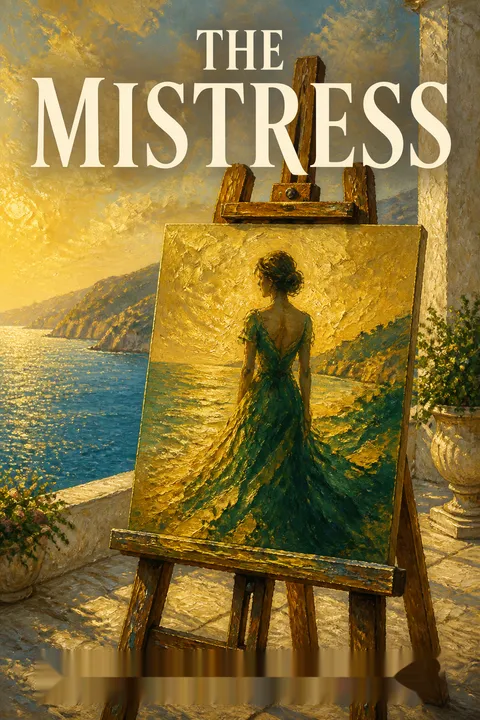
While anchored off the French Riviera, Vladimir and Natasha dine at Da Lorenzo, a restaurant renowned for its collection of paintings by the late artist Lorenzo Luca. Vladimir is captivated by a portrait of Luca's wife, Maylis, which is not for sale. At the same time, Theo Luca, Lorenzo's son and an artist himself, is mesmerized by Natasha's beauty. Two obsessions are born: Vladimir's for the painting, and Theo's for Natasha. The restaurant becomes a crucible where art, desire, and power collide, setting the stage for dangerous entanglements.
The Luca Legacy
Maylis Luca, once the muse and mistress of Lorenzo, now presides over his legacy. Their son, Theo, is a talented but restless artist, living in the shadow of his father's genius. The Luca family's history is one of passion, sacrifice, and complicated love. Maylis's refusal to sell Lorenzo's paintings is both an act of devotion and a means of control. Theo, struggling to define himself, is drawn to Natasha, sensing in her a kindred spirit trapped by circumstance. The Luca legacy is both a blessing and a curse, shaping the destinies of all who come into its orbit.
Chance Encounters, Dangerous Longings
Theo's fascination with Natasha deepens after their brief encounter at Da Lorenzo. He paints her obsessively, channeling his longing into art. Natasha, meanwhile, is flattered and unsettled by Theo's attention. Vladimir, sensing the threat, becomes possessive and suspicious. The boundaries between admiration and obsession blur, and the lives of the three become increasingly intertwined. Each is drawn to what they cannot have: Theo to Natasha's unattainable beauty, Natasha to the possibility of freedom, and Vladimir to the one painting he cannot buy.
The Portrait and the Deal
Vladimir's desire for the Luca painting intensifies, leading him to make increasingly extravagant offers. Maylis refuses, valuing sentiment over money. Theo, recognizing Vladimir's ruthlessness, advises his mother to sell, but she resists. Eventually, the price becomes too high to refuse, and the painting is delivered to Vladimir's yacht—by Theo himself. Natasha and Theo share a moment of connection during the delivery, touring the yacht and glimpsing the lives they might have led. The exchange of art becomes a metaphor for the exchange of people, and the lines between possession and love grow ever more tangled.
Betrayal in the Shadows
Vladimir's business dealings turn deadly, and Natasha finds herself a potential target. Confined to the yacht for her safety, she witnesses the darker side of Vladimir's world. Meanwhile, Theo's obsession with Natasha threatens to consume him, and his relationship with his girlfriend collapses under the weight of his longing. When Vladimir's attempt to buy another Luca painting is rebuffed, his anger simmers. The theft of twelve Luca paintings from Da Lorenzo shocks the art world, and suspicion falls on Vladimir. Natasha, caught between fear and conscience, faces an impossible choice.
Theft, Suspicion, and Secrets
The investigation into the art theft is relentless, but the paintings remain missing. Natasha, having glimpsed the stolen works hidden in the yacht's gun room, is wracked with guilt. She confides in a police detective, risking everything to do what she believes is right. Vladimir, sensing betrayal, returns the paintings in secret, but the damage is done. Natasha's act of courage severs the last thread of trust between her and Vladimir. The cost of her conscience is her place in his world.
The Return and the Reckoning
Vladimir ends his relationship with Natasha abruptly, casting her out with only her clothes, jewelry, and a brief window to find her footing. The life she knew vanishes overnight. Alone in Paris, Natasha must reinvent herself, selling her possessions to survive. The trappings of her former life become both a lifeline and a reminder of all she has lost. For the first time, she faces the world on her own terms, uncertain but determined to claim her freedom.
Freedom's Terrible Cost
Natasha's journey to independence is fraught with fear, humiliation, and hard work. She rents a tiny apartment, sells her couture and jewels, and learns to live simply. Offers from other wealthy men tempt her, but she refuses to sell herself again. The process of letting go is both a mourning and a rebirth. Natasha discovers that true freedom is not given, but earned—and that it comes with loneliness, uncertainty, and the possibility of real happiness.
Reinvention on Rue du Bac
In her modest Paris apartment, Natasha begins to build a life of her own. She takes art history classes, contemplates work in a gallery, and finds satisfaction in small, everyday victories. The portrait Theo painted of her becomes a symbol of her journey—a reminder of who she was and who she is becoming. Natasha's past no longer defines her; she is free to choose her own path, even if it is uncertain and unadorned.
Letting Go, Starting Over
Theo, too, is transformed by the events of the past year. He lets go of his obsession with Natasha, focusing on his art and his own future. The Luca family finds peace, turning their restaurant into a museum and embracing new beginnings. The world that once seemed so rigid and predetermined opens up, offering the possibility of change and growth. Both Natasha and Theo learn that love, like art, is not about possession, but about seeing and being seen.
Full Circle, New Beginnings
A chance encounter in Paris reunites Natasha and Theo. Both have changed—Natasha is no longer a kept woman, and Theo is no longer haunted by longing. They meet as equals, each having earned their freedom through struggle and loss. Their connection is real, grounded in mutual respect and understanding. The possibility of love, once impossible, now feels within reach.
Love Without Chains
Natasha and Theo's relationship blossoms, free from the constraints of the past. They support each other's dreams and respect each other's autonomy. Their love is not transactional, but transformative. Together, they discover that happiness is not found in luxury or possession, but in the courage to be oneself and to choose love freely.
The Art of Living
The story closes with Natasha and Theo embracing a life that is rich in meaning, if not in material wealth. They are surrounded by art, beauty, and the simple joys of everyday existence. The lessons of their pasts inform their present, but do not dictate it. They have learned that the greatest masterpiece is a life lived with integrity, courage, and love.
The Gist of Freedom
Natasha's journey from poverty to luxury and back again reveals that true freedom cannot be bought or given—it must be claimed. Her story is one of survival, reinvention, and the search for meaning beyond wealth and beauty. In the end, she discovers that the price of freedom is high, but worth paying. The art of living is not about what one possesses, but about who one chooses to become.
Analysis
Danielle Steel's The Mistress is a modern fable about the price of survival, the illusion of security, and the transformative power of freedom. Through the intertwined stories of Natasha and Theo, the novel explores the ways in which beauty, art, and love can become both prisons and pathways to liberation. Steel interrogates the seductive allure of wealth and the dangers of transactional relationships, ultimately suggesting that true happiness lies not in possession, but in authenticity and self-determination. The novel's emotional resonance comes from its psychological depth: Natasha's journey from object to agent, Theo's evolution from obsession to acceptance, and the Luca family's reconciliation with the past. The art world serves as both setting and metaphor, highlighting the tension between creation and control. In the end, The Mistress is a story about the courage to choose one's own destiny, the necessity of letting go, and the possibility of love without chains. Its lesson is clear: freedom is the ultimate masterpiece, and it is worth any price.
Review Summary
Reviews for The Mistress are mixed, averaging 3.96 out of 5. Many readers found it a quick, easy read with an intriguing premise about a young Russian woman living as a wealthy billionaire's mistress who encounters a passionate artist. However, frequent criticisms include repetitive writing, lack of depth, underdeveloped characters, and a predictable, anticlimactic plot. Longtime Steel fans expressed disappointment, noting a decline in quality, while newer readers and devoted fans appreciated the romantic storyline, luxurious settings, and themes of personal freedom and self-discovery.
Characters
Natasha Leonova
Natasha is the emotional heart of the novel—a woman whose life is shaped by trauma, gratitude, and the longing for autonomy. Rescued from poverty by Vladimir, she becomes his mistress, living in luxury but at the cost of her independence. Natasha is intelligent, sensitive, and deeply aware of her precarious position. Her journey is one of self-discovery: she moves from passive gratitude to active courage, risking everything to do what is right. Her eventual rejection of transactional relationships marks her transformation from object to agent, and her embrace of freedom is both painful and triumphant.
Vladimir Stanislas
Vladimir is both Natasha's savior and her jailer. His childhood of deprivation and loss fuels his relentless pursuit of power, wealth, and control. He is generous but transactional, incapable of true vulnerability. Vladimir's love is possessive, and his need for security makes him both protective and dangerous. His inability to trust or forgive leads to his downfall—when Natasha betrays him, he casts her out without hesitation. Vladimir embodies the dangers of unchecked ambition and the emptiness of a life built on possession rather than connection.
Theo Luca
Theo is the son of legendary painter Lorenzo Luca, struggling to define himself in the shadow of his father's genius. Sensitive, passionate, and restless, Theo is drawn to Natasha as both muse and kindred spirit. His obsession with her is both creative and destructive, fueling his art but threatening his peace. Theo's journey is one of letting go—of his father's legacy, of unattainable love, and of the need to possess. He ultimately finds fulfillment in authenticity, creativity, and a relationship built on mutual respect.
Maylis Luca
Maylis is Lorenzo's widow and Theo's mother, fiercely protective of her late husband's art and memory. Her identity is bound to the past, and she struggles to move forward after Lorenzo's death. Maylis's generosity and strength are tested by loss, betrayal, and the demands of legacy. Her eventual embrace of new love and the transformation of the family restaurant into a museum symbolize her ability to honor the past while embracing the future.
Lorenzo Luca
Though deceased, Lorenzo's presence looms large over the narrative. His passion, talent, and volatility shape the lives of Maylis and Theo. Lorenzo's art becomes a battleground for love, memory, and possession. His legacy is both a gift and a burden, inspiring devotion and obsession in equal measure.
Gabriel Ferrand
Gabriel is Maylis's confidant and eventual partner, a man of integrity and quiet strength. He navigates the complexities of the art world with wisdom and patience, supporting Maylis and Theo through crisis and change. Gabriel's love for Maylis is steadfast, and his presence brings healing and stability to the Luca family.
Chloe
Chloe represents the dangers of relationships built on convenience and material gain. Her pragmatic approach to love and marriage contrasts sharply with Natasha's journey toward authenticity. Chloe's inability to understand Theo's passion for art and his emotional complexity leads to the dissolution of their relationship.
Inez
Inez is a potential partner for Theo, but her wariness of artists and desire for stability prevent a deeper connection. She embodies the challenges of balancing personal ambition with the desire for love and security.
Athena Marceau
Athena is the police investigator who unravels the mystery of the stolen paintings. Her empathy and determination lead her to the truth, and her protection of Natasha demonstrates her commitment to justice and compassion.
Yuri
Yuri is a Russian billionaire who offers Natasha a return to the life she has left behind. His proposal is generous but transactional, highlighting the emptiness of relationships built on power and possession. Natasha's rejection of Yuri marks her final break with her past.
Plot Devices
Dual Narrative Structure
The novel weaves together the stories of Natasha and Theo, each trapped by circumstance—Natasha by Vladimir's control, Theo by his father's legacy and his own obsession. Their parallel quests for freedom and meaning create a dynamic interplay of longing, loss, and self-discovery. The structure allows for deep psychological exploration and the gradual convergence of their paths.
Art as Metaphor
Art is both literal and symbolic throughout the novel. Paintings are objects of desire, battlegrounds for power, and mirrors of the soul. Theo's portrait of Natasha becomes a catalyst for change, while the theft and return of the Luca paintings symbolize the struggle between possession and liberation. Art is a means of both escape and connection, reflecting the characters' deepest fears and hopes.
Foreshadowing and Suspense
From the opening scenes of poverty and rescue, the novel is suffused with a sense of impending change. The theft of the paintings, the threat of violence, and the shifting loyalties create an atmosphere of suspense. Foreshadowing is used to build tension and to signal the possibility of redemption and renewal.
Transactional Relationships
The novel interrogates the nature of relationships built on exchange—beauty for security, art for money, love for protection. The characters' struggles to move beyond transactional dynamics toward genuine connection form the emotional core of the story.
Psychological Realism
The characters are shaped by their histories, fears, and desires. The narrative delves into the psychological consequences of poverty, loss, and captivity, as well as the challenges of reinvention and self-acceptance. The emotional arcs are nuanced and authentic, inviting readers to empathize with even the most flawed characters.
About the Author
Other books by Danielle Steel






Download PDF
Download EPUB
.epub digital book format is ideal for reading ebooks on phones, tablets, and e-readers.








































