
Plot Summary
Commencement's Last Photograph
On graduation day at Amherst, Heather, Constance, and Amy are immortalized in a candid photo by Heather's mother. The image, more than a posed memory, encapsulates their bond and the threshold between youth and adulthood. Each girl is distinct—Constance, ethereal and kind; Amy, wild and magnetic; Heather, the practical anchor. The photo becomes a symbol of their unity and the promise of adventure ahead. Unbeknownst to Heather, this is the last moment before Jack enters her life, setting her on a journey that will test the limits of love, friendship, and self-discovery. The emotional resonance of this photograph lingers, foreshadowing the changes and challenges that will soon redefine each of their lives.
Crowded Train, Fateful Meeting
Heather, Constance, and Amy embark on their post-graduation European tour, leaving Paris reluctantly for Amsterdam. On a crowded train, Heather meets Jack, a charismatic, enigmatic Vermonter. Their banter is electric—equal parts flirtation and challenge. Jack's presence unsettles Heather, drawing out both her insecurities and her wit. Their first conversation is a duel of personalities, revealing Heather's need for control and Jack's penchant for living in the moment. The train ride becomes a crucible, forging a connection that will shape the rest of their journey. The chance meeting is both ordinary and extraordinary, setting in motion a love story that will be as much about self-discovery as romance.
Parisian Goodbyes, Amsterdam Hellos
Arriving in Amsterdam, the trio is swept into the city's vibrant energy. Heather's structured nature is tested by Jack's spontaneity, as he and his friend Raef join the group for parties and late-night adventures. The city's canals, parties, and jazz clubs become the backdrop for burgeoning relationships—Constance with Raef, Amy with a string of flings, and Heather with Jack. The girls' friendship is both anchor and sail, keeping them grounded while propelling them into new experiences. The city's beauty and unpredictability mirror the emotional turbulence within the group, as Heather and Jack's connection deepens, and the first cracks in their carefully constructed plans begin to show.
Sparks and Fencing Foils
In Amsterdam and beyond, Heather and Jack's relationship intensifies, marked by playful sparring and moments of vulnerability. A fencing match becomes a metaphor for their dynamic—each testing the other's defenses, seeking both victory and intimacy. Their physical attraction is undeniable, but so are their differences: Heather's ambition and Jack's wanderlust. The group's travels through Europe—Berlin, Prague, Kraków—are punctuated by moments of joy, jealousy, and self-doubt. The friends support each other through mishaps and heartbreaks, but Heather and Jack's love is both a source of strength and a looming question mark. The tension between planning and living in the moment becomes the central conflict of their romance.
Three Hearts Abroad
As the journey continues, the trio's bond is tested by external challenges and internal doubts. Amy's impulsiveness leads to lost passports and unexpected detours, while Constance's budding romance with Raef offers a glimpse of stability. Heather, caught between her friends and her feelings for Jack, struggles to reconcile her desire for order with the unpredictability of love. The girls' shared experiences—dancing in clubs, sharing secrets over coffee, comforting each other through disappointments—become the true map that leads them through Europe. Their friendship is a lifeline, reminding them that, no matter where they go or whom they love, they are never truly alone.
Kisses, Parties, and Promises
Heather and Jack's relationship reaches new heights in Berlin and Prague, where stolen kisses and passionate nights are shadowed by unspoken fears. Jack's mysterious past and reluctance to commit fully begin to trouble Heather, who is torn between her growing love and her career ambitions. The group's adventures—riding milk barges, exploring salt mines, attending wild parties—are tinged with the bittersweet awareness that their time together is finite. Promises are made, but the future remains uncertain. The tension between seizing the day and planning for tomorrow becomes ever more acute, as Heather and Jack are forced to confront what they truly want from each other and from life.
Jazz, Journeys, and Journals
Jack reveals his quest: he is retracing his grandfather's postwar journey through Europe, guided by a cherished journal. This pilgrimage is both literal and symbolic, as Jack seeks meaning, closure, and perhaps redemption. Heather is drawn into the mystery, finding herself captivated by the journal's poetry and the legacy of love and loss it represents. The friends' travels become a tapestry of past and present, as they visit sites of historical and personal significance. The journal becomes a touchstone for Jack and Heather's relationship, a reminder that love is both fleeting and eternal, shaped by the stories we inherit and the ones we choose to write.
Love's First Fractures
The group's journey is disrupted by arguments and misunderstandings. Heather and Jack's differences—her need for security, his fear of being trapped—come to a head in Berlin. Harsh words are exchanged, and the couple separates, each questioning whether love can survive such fundamental incompatibilities. Heather throws herself into work and sightseeing, trying to convince herself that she is better off without Jack. The pain of lost love is compounded by the realization that, despite her best efforts, some things cannot be planned or controlled. The fracture is both a breaking and a beginning, forcing Heather to confront what she truly values.
Museums, Fencing, and Forgiveness
In Amsterdam, Heather and Jack are drawn back together by a shared appreciation for beauty and adventure. A visit to the Rijksmuseum and a spontaneous fencing match rekindle their connection, reminding them of what first drew them together. Forgiveness is not easy, but it is possible. The couple recommits to each other, vowing to face the future together, whatever it may hold. Their reunion is both a celebration and a reckoning, as they acknowledge the challenges ahead and the necessity of compromise. The friends, too, find new strength in each other, reaffirming the bonds that have carried them this far.
Berlin Walls, New York Dreams
As the European summer wanes, the friends face the reality of returning home. Heather's job in New York beckons, promising security but also sacrifice. Jack is torn between his love for Heather and his need to complete his grandfather's journey. The Berlin Wall, both literal and metaphorical, becomes a symbol of the barriers between past and future, freedom and commitment. The friends say bittersweet goodbyes, each carrying the lessons and scars of their travels. Heather boards a plane for New York, uncertain if she will ever see Jack again, but determined to honor the love and friendship that have shaped her.
Letters, Losses, and Letting Go
Back in New York, Heather throws herself into work, trying to fill the void left by Jack's absence. Dates with other men feel hollow; the city's energy is both exhilarating and exhausting. The loss of her childhood cat, Mr. Periwinkle, becomes a catalyst for grief and reflection. Letters from Jack go unanswered, and Heather is forced to confront the possibility that their love was a beautiful, impossible dream. With the support of Amy and Constance, she begins to let go, finding solace in friendship and the small rituals of daily life. The process of healing is slow, but it is real.
Vermont Roots, City Skies
A trip to Vermont, Jack's ancestral home, offers Heather a chance to reconnect with the past and seek closure. The farm is gone, replaced by strip malls and memories, but the journey is not in vain. Heather realizes that the map that leads to love is not a straight line, but a series of detours, dead ends, and unexpected vistas. The city's skyline, once a symbol of ambition, now represents possibility. Heather is changed—stronger, wiser, and more open to the unknown. The roots of love run deep, even when the landscape has shifted beyond recognition.
Reunion in Paris
Constance's wedding in Paris brings the friends together again, each changed by the year's events. The city is both familiar and new, a place of memories and fresh starts. Heather is haunted by Jack's absence, but the joy of the occasion and the support of her friends offer comfort. A chance encounter with a stranger's baby becomes a moment of grace, reminding Heather that love, in all its forms, is both fragile and enduring. The wedding is a celebration of hope, a testament to the power of connection and the possibility of new beginnings.
Wedding Bells and Confessions
At the wedding, Raef confides in Heather the secret Jack kept hidden: he is gravely ill, and his disappearance was an act of love, not abandonment. The revelation is both devastating and liberating, reframing the entire narrative of their relationship. Heather is overwhelmed by grief and longing, but also by a renewed sense of purpose. The confession is a turning point, allowing her to forgive Jack and herself, and to seek out the truth of their love, wherever it may lead. The wedding, once a symbol of what she had lost, becomes a catalyst for action.
The Secret in the Esche
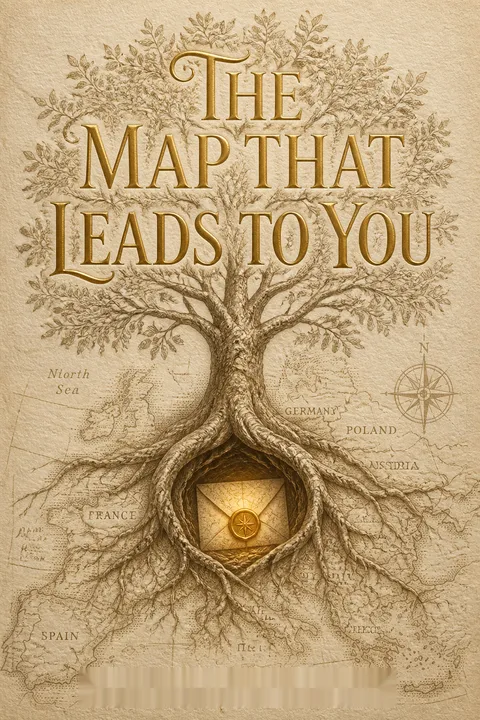
Driven by Raef's revelation, Heather returns to the Jardin du Luxembourg, to the ash tree she and Jack planted together. There, buried beneath the soil, she finds a letter from Jack—a message of love, regret, and farewell. The letter is both a goodbye and an invitation, urging Heather to seek him out if she can. The discovery is a moment of profound emotion, blending sorrow and hope. The tree, a living testament to their love, becomes the map that leads Heather to her next destination, and perhaps to Jack himself.
The Letter Beneath the Tree
Jack's letter is brief but powerful, explaining his illness and his decision to spare Heather the pain of watching him die. He confesses his enduring love and the joy she brought him, urging her to remember that love, once found, never truly leaves us. The letter is both a closure and a call to action, prompting Heather to follow the final clues in Jack's grandfather's journal. With Amy's encouragement, Heather resolves to find Jack, wherever he may be, and to claim the ending of their story for herself.
The Search in Batak
Heather travels to Batak, Bulgaria, the site of the Surva Festival and the beginning of Jack's grandfather's journey. The town is alive with music, masks, and the burning of Old Man Winter—a celebration of life in the face of death. Heather searches for Jack among the dancers, haunted by glimpses and doubts. The festival's chaos mirrors her own emotional turmoil, as she confronts the possibility that she may never find him, or that he has already moved on. The search is both literal and symbolic, a test of faith and perseverance.
Dancing in the Face of Winter
In the festival's final moments, Heather and Jack are reunited. He is frail, but their love is undiminished. They dance together, surrounded by revelers, cowbells, and the burning effigy of winter. Jack confesses his love and his fate, promising to live on in the tree they planted and in Heather's heart. Their dance is both a farewell and a celebration—a defiance of death, a triumph of love over loss. As the festival ends and spring begins, Heather understands that the map that leads to you is not a place, but a journey—a testament to the enduring power of love, memory, and hope.
Analysis
J.P. Monninger's The Map That Leads to You is a modern meditation on love, loss, and the transformative power of travel. At its core, the novel asks what it means to truly live and love in a world where nothing is guaranteed. Through the intertwined journeys of Heather, Jack, and their friends, the story explores the tension between planning and spontaneity, ambition and vulnerability, security and risk. The use of travel as both setting and metaphor allows the characters—and readers—to confront the impermanence of happiness and the inevitability of change. The novel's greatest lesson is that love, while often fleeting and fraught with pain, is also the force that gives life meaning. The act of searching—whether for a person, a place, or a sense of self—is itself an act of hope. In the end, the map that leads to you is not a fixed route, but a willingness to be changed by the journey, to embrace both joy and sorrow, and to find beauty in the dance between beginnings and endings.
Review Summary
The Map That Leads to You receives mixed reviews averaging 3.56 stars. Readers praise Monninger's vivid European settings and descriptions, comparing the romance to Nicholas Sparks' work. Many appreciate the friendship dynamics and travel elements. However, criticisms include pretentious dialogue, predictable plot patterns, weak chemistry between protagonists Heather and Jack, and the "manic pixie dream boy" characterization. The insta-love romance divides readers—some find it charming while others consider it unrealistic. The ending particularly polarizes opinions, with some finding it too abrupt or predictable. Several reviewers note the book works better for younger readers or romance genre fans.
People Also Read










Characters
Heather Mulgrew
Heather is the novel's protagonist, a recent Amherst graduate poised between the security of a high-powered banking job and the uncertainty of love. She is intelligent, organized, and driven, yet haunted by vulnerability and a longing for something deeper. Her relationships—with her friends, her parents, and especially Jack—reveal a complex psyche: she craves control but is drawn to risk; she fears loss but yearns for connection. Heather's journey is one of self-discovery, as she learns to balance ambition with openness, and to accept that love, like life, cannot be planned. Her development is marked by moments of courage, heartbreak, and ultimately, acceptance.
Jack Quiller-Couch (Jack Vermont)
Jack is Heather's romantic counterpart—a charismatic, witty, and deeply sensitive man on a quest to retrace his grandfather's postwar journey through Europe. Beneath his charm lies a profound vulnerability: Jack is secretly battling leukemia, a fact he hides to spare Heather pain. His fear of being a burden shapes his actions, leading to both intimacy and withdrawal. Jack's love for Heather is genuine, but his illness and existential outlook make him both a lover and a ghost. He embodies the tension between seizing the day and fearing the future, and his journey is as much about finding peace as it is about finding love.
Constance
Constance is Heather's closest friend, a thoughtful, bookish woman with a passion for saints and art. She is the group's moral and emotional center, offering wisdom and stability amid chaos. Her romance with Raef, an Australian sheepherder, is a study in quiet devotion and the courage to embrace the unknown. Constance's psychological depth lies in her ability to find meaning in tradition and ritual, while remaining open to change. Her journey from cautious observer to passionate participant mirrors the novel's themes of transformation and the power of love to reshape identity.
Amy
Amy is the group's catalyst—a bold, impulsive, and fiercely loyal friend whose adventures and misadventures drive much of the plot's energy. Her struggles with loss, self-worth, and the consequences of her actions add a layer of realism and vulnerability to the story. Amy's humor and resilience mask deeper insecurities, but her capacity for growth and forgiveness is profound. She is both a source of comic relief and a reminder that healing is possible, even after betrayal and disappointment. Her friendship with Heather and Constance is a testament to the enduring power of chosen family.
Raef
Raef is Jack's friend and Constance's eventual husband—a sheepherder from Australia with a zest for life and a deep sense of loyalty. He serves as both a foil and a confidant for Jack, offering practical wisdom and emotional support. Raef's relationship with Constance is marked by mutual respect and a willingness to embrace uncertainty. His role in revealing Jack's secret to Heather is pivotal, demonstrating his integrity and compassion. Raef embodies the novel's themes of adventure, commitment, and the courage to love fully.
Heather's Mother
Heather's mother is a complex figure—loving, critical, and deeply invested in her daughter's future. Her presence is felt through phone calls, advice, and the iconic graduation photograph. She represents the pull of home, tradition, and parental expectation, often clashing with Heather's desire for independence. Her own stories of rebellion and regret offer insight into the generational patterns that shape Heather's choices. Ultimately, she is a source of comfort and perspective, reminding Heather that love and loss are universal experiences.
Heather's Father
Heather's father is a steady, supportive presence, embodying the values of hard work, responsibility, and quiet affection. His relationship with Heather is marked by both tension and tenderness, as he struggles to balance pride in her achievements with concern for her well-being. His advice—sometimes blunt, sometimes wise—serves as a counterpoint to Heather's more impulsive tendencies. He is a reminder that love is often expressed through actions rather than words, and that forgiveness is an essential part of family life.
Mr. Roo
Mr. Roo is the Bulgarian innkeeper who offers Heather shelter during her search for Jack. His warmth, humor, and belief in destiny provide comfort and guidance at a critical moment. He represents the kindness of strangers and the idea that, even in unfamiliar places, we can find connection and meaning. His stories and hospitality underscore the novel's themes of hospitality, fate, and the universality of longing.
Jack's Grandfather
Though never present in the narrative, Jack's grandfather is a central figure—his journal serves as both a literal and metaphorical map for Jack and Heather's journey. His reflections on war, love, and survival offer wisdom and perspective, bridging generations and reminding the characters that their struggles are part of a larger human story. The grandfather's legacy is one of resilience, curiosity, and the belief that love endures beyond loss.
Xavier Box
Xavier is Raef's friend and Heather's wedding partner—a tall, sheep-talking Australian whose presence adds levity and possibility to the Paris wedding. He represents the idea that new love is always possible, even after heartbreak. His flirtation with Heather is both a temptation and a test, forcing her to confront what she truly wants and what she is willing to risk for love.
Plot Devices
The Grand Tour as Rite of Passage
The novel uses the classic "grand tour" of Europe as a framework for personal growth and self-discovery. Each city—Paris, Amsterdam, Berlin, Prague, Kraków, Batak—serves as both a physical setting and a stage for emotional development. The journey is not just about seeing the world, but about learning to navigate love, loss, and the unpredictability of life. The friends' travels mirror their internal journeys, with each new experience offering lessons in vulnerability, courage, and the acceptance of impermanence.
The Journal as Map and Mirror
Jack's grandfather's journal is a central plot device, guiding the characters' movements and providing philosophical commentary on their experiences. The journal's entries serve as both foreshadowing and reflection, linking Jack's quest for meaning with Heather's search for closure. The act of following the journal becomes a metaphor for honoring the past while forging a new path. The journal's final entry, and the letter Jack leaves for Heather, are pivotal moments that bridge the gap between memory and hope.
Letters, Messages, and Hidden Notes
Letters, texts, and hidden notes drive the plot and reveal character motivations. The letter Jack buries beneath the ash tree is a literal map that leads Heather to him, while the absence of communication becomes a source of pain and longing. The novel explores the ways we reach out to each other—through words, gestures, and silences—and the consequences of what is left unsaid. The interplay of messages and missed connections underscores the fragility and resilience of love.
Foreshadowing and Symbolism
The novel is rich in symbolism: the graduation photograph, the ash tree (Esche) planted in Paris, the burning of Old Man Winter in Batak. These images foreshadow key events and encapsulate the novel's themes of memory, renewal, and the cyclical nature of love and loss. The recurring motif of dancing—whether at parties, weddings, or festivals—serves as a metaphor for embracing life in the face of uncertainty and death.
Nonlinear Narrative and Emotional Arc
The story unfolds in a nonlinear fashion, with flashbacks, letters, and journal entries providing context and depth. The emotional arc is one of hope, heartbreak, and healing, as Heather moves from the certainty of youth to the ambiguity of adulthood. The narrative structure mirrors the unpredictability of life, with moments of joy and sorrow interwoven, and closure arriving not as a destination, but as an ongoing process.
Download PDF
Download EPUB
.epub digital book format is ideal for reading ebooks on phones, tablets, and e-readers.








































