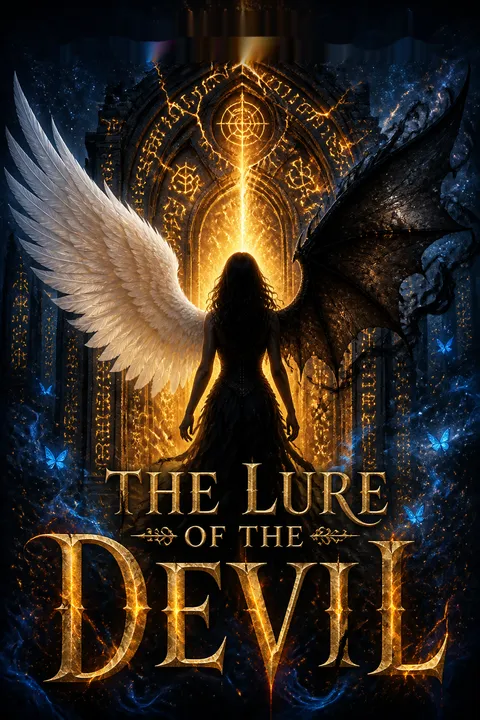

Summary Temporarily Unavailable
This summary is temporarily unavailable and is currently being updated. You can still explore the FAQs and other metadata below.
Plot Summary
Five Planes, One Muse
Sienna "Sia" Parker, a human artist, lives with her five supernatural lovers—demons and an angel—across five planes of existence: Earth, Daemin (Hell), Angelis (Heaven), Vesdar (Fae), and Tyrnigg (a dying world). Sia is the only being with ancestry from all five planes, making her unique and powerful. Her lovers—Nick (Satan), Sam, Bel, Ron, and Luke (Lucifer)—form her "legion." Together, they navigate the complexities of their relationships, the politics of the planes, and Sia's growing powers. Sia's ability to create and destroy veils between worlds is central, and her identity as a "Muse" is both a blessing and a burden, as she is drawn into cosmic conflicts.
Legion of Lovers
Sia's relationship with her legion is unconventional and deeply loving, but not without challenges. The men struggle with jealousy, insecurity, and the trauma of immortality. Sia, meanwhile, must overcome her own shame and fear of being "bad" for loving more than one person. Through honest conversations and emotional vulnerability, the group learns to trust, support, and cherish one another. Their intimacy—emotional and physical—becomes a source of strength, healing old wounds and forging a family that transcends traditional boundaries.
The Period Crisis
Sia's period arrives unexpectedly, triggering panic about birth control, pregnancy, and embarrassment. The men respond with care, normalizing her experience and helping her manage it. This mundane crisis highlights the contrast between Sia's humanity and her supernatural life. It also prompts practical solutions: Ron designs a magical birth control rune, and the group discusses the risks of pregnancy for an immortal's lover. The episode deepens their bond, showing that even cosmic beings must deal with everyday messes.
Runes, Wards, and Wounds
The legion works to make their home on Tyrnigg a true sanctuary, blending magic and science to create wards that protect them from outside threats. Sia receives her birth control rune, and Ron's own physical pain—his body twisted from eons of suffering—becomes a focus. Sia's healing powers are tested as she tries to help Ron, learning the limits and possibilities of her Muse abilities. The group's efforts to create a safe, inclusive space mirror their emotional journey toward trust and acceptance.
The Ayala Prophecy
The group uncovers ancient prophecies about the "Ayala"—a being born from all five planes, destined to be both destroyer and savior. Sia is the Ayala, and her existence terrifies angels and demons alike. The prophecy predicts she will upend the cosmic order, punishing those who abuse power. Sia grapples with the implications: is she a monster, a weapon, or a hope for the oppressed? Her lovers reassure her that she is defined by her choices, not her destiny, and vow to stand with her.
God Among Demons
Sia and her legion encounter the true creator of the planes—God, who appears as a dragon, a lamb, and a butterfly. God admits to mistakes, apologizes for the suffering of her creations, and reveals that Sia was always meant to be her counterpart: the destroyer to God's creator. The conversation is raw and honest, with the demons expressing anger at their pain and God expressing loneliness and regret. Sia's compassion and willingness to forgive set the tone for a new partnership between creator and destroyer.
The Devil's Family
Sia reconnects with her biological parents—Uriel, an angel, and Kacira, a former slave. The reunion is awkward but healing, as Sia learns about her origins and her parents' sacrifices. Uriel and Kacira want to move closer to Sia, hoping to build a real relationship. Sia's found family—her legion—supports her, and she realizes that love, not blood, defines family. The chapter explores themes of forgiveness, chosen family, and the search for home.
Sex, Shame, and Sanctuary
The group's sexual dynamics are explored in depth, with scenes of vulnerability, experimentation, and joy. Sia and her lovers confront internalized shame, societal taboos, and the fear of being "bad." Through open communication and mutual care, they create a space where everyone's needs are honored. Sex becomes a metaphor for power, trust, and healing, and Sia's journey from shame to pride mirrors her growth as the Ayala.
The Dragon's Revelation
God, as the dragon Tiamat, reveals the true history of the planes and the purpose of the Ayala. Sia was created to be the punisher, the one who destroys what God cannot. The legion learns that their suffering was not intentional, but the result of God's limitations. Sia's power is affirmed, and she is given the tools to reshape reality. The chapter ends with a sense of awe and responsibility, as Sia embraces her role as both destroyer and protector.
Slaves of Angelis
The group discovers that angels are harvesting slaves from the midworlds, using religion and mind control to abduct humans, fae, and satyrs. Sia and her legion plan a daring rescue, enlisting the help of unaffiliated angels and God. The operation is complex, involving magical wards, memory alteration, and the creation of a safe haven for the freed slaves. Sia's empathy drives her to ensure that no one is left behind, and the group debates the ethics of mind-fucking and forced amnesia.
The Church of Angels
On Earth, the angels use a nondenominational church as a front for their slave trade, manipulating faith to control and harvest vulnerable people. Sia and her legion infiltrate the church, uncovering the extent of the angels' influence. The group debates the power of belief, the dangers of blind faith, and the need for critical thinking. Sia's atheism becomes an asset, allowing her to see through the angels' deceptions and inspire others to question authority.
Tornadoes and Truth
With God's help, Sia orchestrates a dramatic confrontation at the church. A supernatural tornado destroys the angels' stronghold, and Sia publicly exposes their crimes. The event is captured on video, spreading across the world and shattering the angels' cover. Sia's power is undeniable, and the world is forced to reckon with the reality of the supernatural. The chapter explores the intersection of myth, media, and truth.
The Warehouse Rescue
The legion locates the warehouse where hundreds of slaves are held. Using a combination of magic, mind control, and brute force, they free the captives and erase the worst of their trauma. The operation is harrowing, with the group racing against time and the elements. Sia's compassion and ingenuity are tested, but the mission succeeds. The freed slaves become a symbol of hope and resistance.
The Devil's Punishment
Sia embraces her role as the Devil, the punisher of those who abuse power. She metes out justice to the angels, turning Gabriel into a statue and warning Heaven that their time is up. The group debates the meaning of punishment, the limits of mercy, and the dangers of unchecked power. Sia's actions are both terrifying and inspiring, and her lovers support her unconditionally.
The Aftermath and the Plan
With the immediate crisis over, the group turns to the future. God creates a new haven for the freed slaves, and Sia's parents plan to move closer. The legion discusses the need to find and close the permanent gates between planes, preventing future invasions. Sia's leadership is affirmed, and the group prepares for the next battle against Heaven. The chapter ends with a sense of hope and determination.
God's Apology
God apologizes to her creations, seeking forgiveness and offering friendship. Sia and her legion accept, forging a new alliance between creator and destroyer. The group reflects on the meaning of good and evil, the importance of free will, and the power of love. God's presence becomes a source of comfort and guidance, and Sia realizes that she is not alone in her struggles.
The Devil's Room
Sia moves into her own room, symbolizing her growth and independence. The group helps her decorate, and the room becomes a sanctuary for all. Sia's journey from shame to pride is complete, and she embraces her identity as the Devil, the Ayala, and the heart of her legion. The chapter is a celebration of self-love, chosen family, and the power of claiming one's place in the world.
The Next Battle
The angels threaten retaliation, and Sia vows to fight back. The group prepares to open the gates of Hell, awaken the fallen, and rally their allies. Sia's resolve is unshakable, and her legion stands with her. The book ends with a sense of anticipation, as the war between Heaven and Hell looms—and the Devil is ready.
Analysis
Auryn Hadley's The Lure of the Devil is a bold, subversive fantasy that uses the trappings of paranormal romance and reverse harem to interrogate power, shame, and the meaning of "good" and "evil." At its heart, the novel is about agency: Sia's journey from shame to pride, from pawn to punisher, mirrors the struggle of anyone who has been told they are "too much" or "not enough." The book's polyamorous relationships are not just titillating—they are radical acts of love and resistance, challenging the isolation and scarcity that so often define our world. The cosmic stakes—slavery, apocalypse, the war between Heaven and Hell—are always grounded in the personal: the pain of being misunderstood, the longing for family, the terror of vulnerability. Hadley's narrative structure, blending myth, magic, and modernity, invites readers to question the stories we inherit and the systems we serve. The lesson is clear: power is not evil, but the refusal to use it for justice is. In a world where the lines between creator and destroyer, lover and monster, are always shifting, The Lure of the Devil dares us to claim our place, love without shame, and fight for those who cannot fight for themselves.
Last updated:
Report IssueReview Summary
Characters
Sienna "Sia" Parker
Sia is a human artist with ancestry from all five planes, making her the prophesied Ayala—both destroyer and savior. She is compassionate, creative, and fiercely loyal, but struggles with shame, insecurity, and the fear of being "bad." Her journey is one of self-acceptance, as she learns to embrace her power, her desires, and her role as the Devil. Sia's relationships with her lovers are central to her growth, and her empathy drives her to fight for justice. She is both vulnerable and unstoppable, defined by her choices rather than her destiny.
Nick / Satanael / Satan
Nick is the former Lord of Hell, a demon marked by power, trauma, and a deep need for control. He is Sia's first lover and the emotional anchor of the legion. Nick struggles with jealousy, the pain of immortality, and the fear of losing those he loves. His relationship with Sia is passionate and complex, blending dominance and tenderness. Nick's journey is one of vulnerability, as he learns to trust, share, and accept love from both men and women. He is fiercely protective, strategic, and willing to do anything for his family.
Sam / Samyaza
Sam is the legion's heart, using humor, empathy, and sensuality to bridge gaps and heal wounds. He is open-minded, emotionally intelligent, and deeply caring, often acting as the group's therapist. Sam's sexuality is fluid, and he delights in pleasure, connection, and experimentation. He helps Sia overcome shame and teaches the group to communicate honestly. Sam's journey is about finding his place in the legion, moving from feeling unnecessary to realizing his unique value.
Bel / Beelzebub
Bel is physically imposing but emotionally tender, haunted by a traumatic past of violence and isolation. He is fiercely protective of Sia, seeing himself as her shield. Bel struggles with feelings of inadequacy and the fear of being useless, but finds healing in the group's acceptance. His relationship with Ron is sweet and nurturing, and his love for Sia is both passionate and gentle. Bel's journey is about learning to accept love and to forgive himself and his creator.
Ron / Ronwe
Ron is the demon of knowledge, marked by physical and emotional scars from eons of suffering. He is shy, brilliant, and deeply empathetic, becoming Sia's confidant and best friend. Ron's journey is one of self-worth, as he learns to accept love, embrace his sexuality, and find joy in connection. His relationship with Sia is tender and healing, and his bond with Bel is quietly transformative. Ron's intelligence and creativity are vital to the group's success.
Luke / Lucifer
Luke is the former leader of Heaven, now a demon struggling with guilt, pride, and the fear of intimacy. He is charismatic, cunning, and deeply conflicted, torn between his past and his desire for connection. Luke's relationship with Sia is slow-burning and fraught with tension, as he resists vulnerability but ultimately gives in to love. His bond with Nick is complex, blending rivalry and devotion. Luke's journey is about letting go of control, embracing his feelings, and finding redemption.
God / Tiamat
God is the architect of the planes, appearing as a dragon, lamb, and butterfly. She is powerful, wise, and deeply lonely, burdened by the suffering of her creations. God admits to mistakes and seeks forgiveness, forming a partnership with Sia as creator and destroyer. Her relationship with the legion is one of apology, guidance, and eventual friendship. God's journey is about learning humility, embracing change, and finding companionship.
Uriel
Uriel is Sia's biological father, an angel who manages slaves on Angelis but tries to protect and comfort them. He is pragmatic, caring, and burdened by guilt. Uriel's relationship with Sia is fraught but healing, as he seeks to make amends and build a real family. His partnership with Kacira is loving, and he ultimately chooses to move closer to Sia, embracing change and redemption.
Kacira
Kacira is Sia's biological mother, a former slave on Angelis who fought for her daughter's freedom. She is gentle, resilient, and eager to build a relationship with Sia. Kacira's journey is about healing, forgiveness, and the hope of a new life on Earth. She serves as a bridge between worlds, helping Sia reconcile her past and present.
Gabriel
Gabriel is the leader of the angels' operations on Earth, using religion and mind control to harvest slaves. He is arrogant, ruthless, and convinced of his own righteousness. Gabriel's downfall comes at Sia's hands, as she exposes his crimes and turns him into a statue. He represents the dangers of unchecked power, blind faith, and the corruption of good intentions.
Plot Devices
Multiverse Structure and Planar Politics
The narrative is built on the existence of five interconnected planes—Earth, Daemin, Angelis, Vesdar, and Tyrnigg—each with its own species, politics, and metaphysics. The interplay between these worlds drives the plot, as characters navigate shifting alliances, magical laws, and existential threats. The multiverse structure allows for exploration of identity, belonging, and the consequences of power.
Polyamory and Chosen Family
The central relationship is a polyamorous "legion" of Sia and her five lovers, challenging traditional norms and exploring themes of jealousy, shame, and acceptance. The group's emotional journey is as important as the cosmic battles, with love, trust, and communication serving as both plot and character development tools. The chosen family motif is reinforced by Sia's reunion with her parents and the creation of a safe haven for the oppressed.
Prophecy, Destiny, and Free Will
Ancient prophecies about the Ayala—destroyer and savior—create tension between fate and agency. Sia's struggle to define herself outside of destiny is a recurring theme, as she learns that power is shaped by choice, not prophecy. The narrative uses foreshadowing, mythic parallels, and self-fulfilling prophecies to explore the limits and possibilities of free will.
Magic, Runes, and Aether
Magic in the story is governed by runes, wards, and the manipulation of aether (life force). The mechanics of magic are explored through practical challenges—birth control, healing, protection—and serve as metaphors for agency, consent, and the body. The limitations of power are as important as its uses, and the consequences of magic are always personal.
Religion, Myth, and Social Critique
The angels' use of religion to control and harvest humans is a central plot device, critiquing the dangers of blind faith and the abuse of authority. Sia's atheism and critical thinking become assets, allowing her to see through deception and inspire others to question. The narrative uses public spectacle, media, and viral events to explore the power of myth in shaping reality.
Public Spectacle and Viral Truth
Key confrontations are staged as public events—tornadoes, church showdowns, viral videos—forcing the world to confront the supernatural. The use of spectacle as both revelation and distraction is a recurring device, highlighting the tension between truth and belief, and the role of media in shaping collective consciousness.
Healing, Forgiveness, and Growth
The story is structured around cycles of harm and healing—God's apology, Sia's forgiveness, the group's emotional growth. The narrative uses repetition, parallel scenes, and mirrored relationships to show that healing is possible, but only through honesty, vulnerability, and the willingness to change.
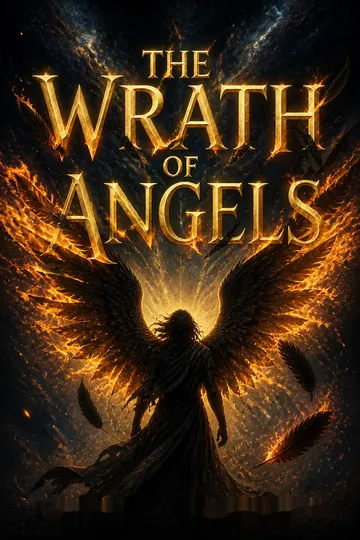
The Demons' Muse Series
About the Author
Other books by Auryn Hadley



Download PDF
Download EPUB
.epub digital book format is ideal for reading ebooks on phones, tablets, and e-readers.








































