
Plot Summary
Dreaming of Another Life
Harryboy Boas, a solitary gambler in Hackney, imagines a new life on a distant island, far from the suffocating realities of London's working-class tenements. With a threadbare wallet and battered pride, Harryboy survives through dreams, small bets, and the hope that luck will turn. The squalor and limitations of his life are made starker by visits to his well-off sister Debbie in Finchley, whose comfortable family life stands in sharp contrast to his own rootless existence. Yet, even amid these everyday frustrations, Harryboy craves connection and meaning, though he insists, for now, that he bothers no one and needs nothing—just one big win to buy his freedom.
Family Dinners and Frictions
A visit to sister Debbie and her husband Gus opens Harryboy's wounds. Gus, a successful bookmaker, can't fathom Harryboy's inability to quit gambling and settle down. Their meal brings the muffled sorrows and mutual pity of sibling love, overshadowed by memories of their parents' losses. Gus confronts Harryboy with his failures—a lack of conventional ambition, marriage, or home. Yet Harryboy's pride cannot bear to accept help outright, preferring to maintain the façade of competence with his outward elegance. The family's attempts to understand each other become tangled in class resentments, nostalgia, and the perpetual ache for things that never were.
Winning and Losing Streaks
Gus gives Harryboy a sure-fire tip and even stakes him. Easy money rolls in at the track, but the euphoria is devoured by compulsion; Harryboy's winnings inevitably vanish in a blaze of reckless bets. The elegant self-image he maintains is funded on illusion. He is tormented by a contradiction: the gambler who lives for the annihilation of certainty, seeking the electric thrill of both victory and disaster. Winning only sets up losing, and disappointment is received less with regret than with peace—the peace of an addict emptied of expectations, accepting loss as his lot, a cycle doomed to repeat.
New Neighbours, New Troubles
The Deaner family moves into Harryboy's boarding-house, shaking the uneasy calm. Noisy, anxious, and striving, Evelyn and Victor (Vic), with their young son Gregory, embody aspirations for suburban respectability within the shared squalor of Hackney. The noisy child's presence threatens Harryboy's fragile contentment. Amid these changes, Harryboy meditates on the changing character of the neighbourhood—a tapestry of immigrants, working-class Jews, and Cockneys—each group clinging to their patch of dignity as Hackney morphs into a locus of cultural and economic transition. The community's rootedness stands in contrast to Harryboy's drift.
Child in the Cupboard
Gregory, the Deaners' spirited young son, intrudes into Harryboy's life, drawn to the mystery of the attic cupboard. Their tentative exchanges, marked by Gregory's silences and sudden demands, reveal the child's need for attention in an environment where adults are distracted and exhausted. Harryboy's gruff detachment is undermined by the boy's persistence and vulnerability. As mother and son negotiate the boundaries of the boarding-house, both are revealed as outsiders, seeking some measure of control and comfort in the face of everyday chaos.
Women, Work, and Wishes
Irritated by the monotony, Harryboy visits Marcia, a high-class prostitute who navigates the world with defiant independence. Marcia's pursuit of wealth through property and vice inspires Harryboy to fantasize about joining the ranks of grubby landlords and quitting the gambling life. Yet, ironies abound—Marcia's drive for self-sufficiency mirrors Harryboy's, but both are trapped in cycles of longing and self-delusion. Work, whether in the factory or the flesh trade, is approached not for fulfillment but as a lever to another, imagined future.
Small Worlds Collide
Harryboy's interactions with the Deaners gradually intensify. His benevolence toward Gregory becomes a surrogate fatherhood, as Evelyn, desperate for respite, leaves the boy in Harryboy's charge. Harryboy delights in Gregory's innocent games but also chafes under the relentless demands, sensing the unspoken boundaries he dare not cross. The parental tensions of the Deaner household—Evelyn's exhaustion, Vic's timidity—bubble up in small acts of rebellion and resentment, while old miss Gosling, the elderly spinster, embodies a fading world of order disrupted by the arrival of children and immigrants.
Gambling with Memories
Trips through the old East End trigger memories of childhood, family, and ruin. The bombsite where Harryboy's mother died, the vanished synagogue, and hollowed-out neighbourhoods are haunted by loss, displacement, and the lingering shadow of the Holocaust. Attempts to buy property dissolve into the same impulsive, high-stakes gambles as the racetrack—winnings come and go, but nothing, not dignity nor family nor love, is retained. The city's transformations mirror Harryboy's own sense of estrangement, offering only fleeting nostalgia and sharp reminders of all that's been lost.
Surrogate Fatherhood
Entrusted more frequently with Gregory, Harryboy invents daily routines: cards, walks, play-acting. These moments bring warmth and a sense of meaning but are also fraught with fatigue and impatience. As Gregory idolizes both Harryboy and his father, a rivalry simmers—each adult, in their way, failing to deliver the stability the child craves. The child's world—imaginative cityscapes of toys, moments of rebellion, and bouts of hurt—is shaped by the wider tensions and disconnects of adult life, underscoring the limits of surrogate affection.
The Weight of the Past
Anniversaries and graves transfix Harryboy and Debbie in the rituals of memory. Economic insecurity, lost loves, and the Holocaust's silent trauma populate every conversation. Debbie's longing for her brother's respectability and happiness, her willingness to make personal sacrifices, cannot redeem Harryboy's sense of defeat. Objects—old rings, farthings, tzimmas—function as emblems of a lost world, the familial bond serving only to highlight the chasms between memory and the present, yearning and reality.
Promises and Disappointments
The gambler's routines—barber shops, lunch counters, betting halls—create a rhythm of hope always undermined by loss, self-mythology, and self-sabotage. Meanwhile, the Deaner household is held together by promises—future houses, jobs, successes, and brief respites from conflict—each vulnerable to the daily erosions of poverty and fatigue. Vic and Harryboy's friendship, based on tall tales and uneasy confidences, circles around the impossibility of real transformation, with every gesture of generosity or bravado undermined by self-interest or bad luck.
Races, Rackets, and Ruin
Hoping to impress Vic, Harryboy takes him out—first to meals, then to Marcia's flat, then, finally, to the dog races. Vic's beginner's luck at the track sets off a chain of events—a dangerous taste for risk, deceit at work, and eventual embezzlement—that entangle Harryboy further. All the while, the city's cast of hustlers, bookies, and would-be moguls parade through Harryboy's life, each illustrating the thin line between luck, criminality, and self-destruction. The shadow of a lost love in wartime Paris—Nicole—and the child he abandoned deepens Harryboy's private guilt.
The Child in Peril
The pressures in everyone's lives reach a breaking point as old resentments, jealousies, and delusions burst open in a heated confrontation. In the aftermath, Gregory, wounded by the spectacle of adult betrayal and self-hate, seeks solace and control the only way a child can: through reckless imitation of the adults' obsessions. Left unsupervised, he lights a firework indoors, suffering serious burns and blindness in one eye. The tragedy forces each character to confront their failings, as the community suffers the consequences of neglect, exhaustion, and too much looking the other way.
Everyday Prejudices
The arrival of black tenants, the de Souzas, inflames Evelyn's bitterness and Vic's helplessness. Old divides—between races, classes, newcomers, and natives—surface within the microcosm of the boarding house, pitting neighbour against neighbour and ancient tenants against "invaders." While the de Souzas try to bring vibrancy and kindness, their happiness only magnifies the Deaners' frustrations. Harryboy, more at home among outsiders, finds kinship across lines of difference; but even he cannot escape the corrosive effects of envy, exclusion, and inherited fear.
Bonds and Betrayals
Haunted by poverty and humiliation, Vic succumbs to temptation, embezzling from his workplace in a bid to buy a way out for his family. Meanwhile, Harryboy loses what little financial security he had through a combination of bad bets and misplaced generosity. Old debts and new dangers accumulate: Marcia's hired muscle presses Harryboy, and Vic, refusing to confide in his wife, sinks deeper into paranoia and shame. Attempts at self-sacrifice and help only intensify the web of resentment, envy, and unspoken grievances among all three adults.
Burning Out
Financial, moral, and emotional bankruptcy descend. Harryboy, hounded by thugs, faces violence with the same strange luck that always dogs him—barely escaping, but at a steep cost. Gregory's accident leaves Evelyn and Vic shattered, their marriage hanging by a thread. Harryboy's attempted redemption, a farcical offer to donate an eye for Gregory's sight, is made unnecessary by chance—deliverance comes from elsewhere. Yet the wounds, psychic and physical, endure. In the cold light of day, nothing has truly shifted: the cycles of hope and defeat persist.
Rock Bottom and Reckoning
Vic and Evelyn's marriage unravels against the backdrop of fresh betrayals, misunderstandings, and Harryboy's self-imposed exile. Each character, in their own way, is forced to acknowledge the limits of their love, resilience, and self-knowledge. Hatred, envy, pride, and longing stalk every conversation, with wounded children—literal and metaphorical—paying the highest price. Even gestures meant as salvation become tainted by self-doubt, humiliation, and the immutable logic of disappointment.
Last-Ditch Gestures
Harryboy, at last, offers his own eye for Gregory's operation, desperately seeking to redeem his past and make sense of his losses. In the end, even this magnanimous gesture is rendered moot by fate—a donor cornea from elsewhere spares Gregory, while Harryboy's sacrifice comes to nothing. The story's cumulative weight falls on the absurdity of heroic acts, the randomness of fortune, and the impossibility of truly starting anew. Rejected once again, Harryboy is returned to his rootless solitude.
Denouement in Darkness
As the hospital announces Gregory's partial recovery, Harryboy's act of self-sacrifice is revealed as unnecessary. The currents of resentment and impotence flow on. The community, battered and transformed by its own secrets and stumbles, recedes into the background, as Harryboy prepares for yet another futile cycle of gambling, solitude, and dream-chasing. There are no clean breaks, no final victories—only the unending drift of the lowlife, circling back to his own beginning.
The One-Eyed Gambler
Having escaped with his dignity barely intact, Harryboy muses on the old superstition that one-eyed men are lucky. With dark humour, he imagines fashioning his loss into a new persona, hoping that—despite or because of misfortune—fortune might finally smile on him. But this self-narration is exposed as another consoling fiction. The world moves on, indifferent.
Back to the Beginning
The story closes as it began: Harryboy remains essentially unchanged. Dreams of escape persist, unmet. The past—family, lovers, losses—retains its haunting power, and the future is marked only by the faint hope that things could, someday, turn out otherwise. But Hackney, with its teeming life and persistent misery, remains the only world Harryboy truly knows. The final, weary note is one of resignation, laced with the blackest humour—a gambler who knows, more deeply than ever, that the deck is stacked.
Analysis
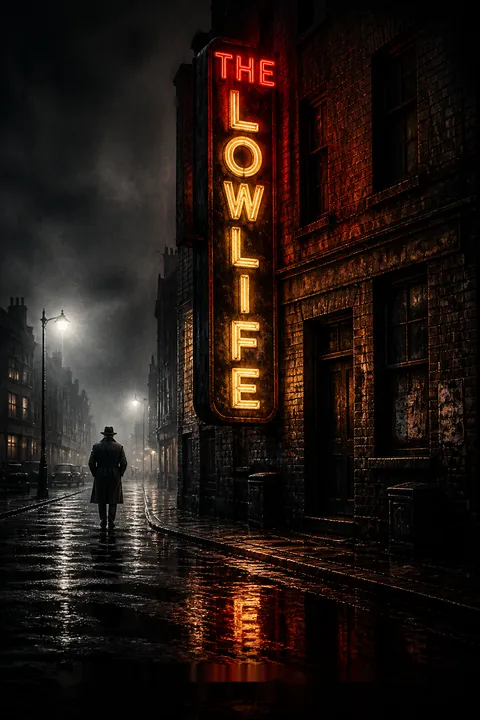
The Lowlife is a masterful, ironic meditation on postwar urban survival, masculinity, and the impossibility of clean escape from history
At its heart is the recognition that cycles of gambling, failed ambition, family duty, and longing for love constitute not just Harryboy's life but the experience of an entire generation suspended between worlds. Baron crafts empathy for even the most marginal or irascible characters—showing, in the details of burnt-out houses, missed opportunities, and chance acts of violence, the impact of trauma survived but never resolved. The city is rendered as both vibrant and brutal, a place where old identities erode and new prejudices emerge. The novel deftly critiques mid-century British class and ethnic divides (especially through the lens of Hackney's transformation and Evelyn's xenophobia), while exposing the vulnerability and longing at the heart of even the toughest personalities. Its lessons are harsh—hope is fragile, connections are easily broken, and luck is fickle—but the novel's wit, empathy, and refusal to paste over pain with sentimentality give it enduring power. In a modern reading, The Lowlife challenges us to acknowledge how small betrayals and emotional evasions, rather than grand schemes, are the real engines of tragedy and survival. At its core, the novel asks: can we ever really change, or do we just keep coming back to the beginning, watching the world go on without us, placing our last bets as the lights go out?
Review Summary
The Lowlife is widely praised for its vivid portrayal of post-war East London through the compelling voice of Harryboy Boas, a Jewish gambling addict living in a Hackney boarding house. Reviewers consistently highlight Baron's skillful character development, particularly Harry's contradictory nature as a flawed yet likeable loner drawn reluctantly into his neighbours' lives. The novel's exploration of gambling addiction, Holocaust guilt, and social change resonates strongly with readers. Most rate it four to five stars, citing its philosophical depth, authentic period detail, and memorable prose.
Characters
Harryboy Boas
Harryboy embodies the paradoxes of rootlessness and yearning. Once a bright, scholarly child, now a middle-aged, compulsively gambling, self-styled bachelor, he is both acutely aware and helplessly caught in cycles of self-destruction. His longing for connection is continually undermined by a refusal to surrender autonomy and by deep-seated fears stemming from past trauma—especially the Holocaust's shadow and an abandoned love in Paris. Harryboy's relationships are transactional and filtered through wit, pride, and nostalgia. He offers tenderness to Gregory, but always at arm's length, and is lacerated by his inability to break free or truly save anyone—including himself. His psyche is split between a yearning for flight and the gravitational pull of home, memory, and loss.
Debbie
Debbie, Harryboy's older sister, is gentle, loving, and earnest, representing both the ache and burden of family ties. Though she enjoys suburban comfort and warmth, she cannot relinquish her deep anxiety over her brother's failures and isolation. Debbie's compassion borders on self-sacrifice—her willingness to pawn a treasured ring to rescue Harryboy typifies her self-effacing devotion, but also her futility in solving his deeper malaise. She embodies the innocence and unfulfilled longing of Harryboy's childhood: her presence is both balm and moral mirror, intensifying his guilt and loneliness.
Gus
Gus, Debbie's husband, is a bookmaker whose brusque exterior belies genuine care for family. Wry, judgmental, and capable of humour, he stands as both a foil and reluctant benefactor to Harryboy—offering practical help, but also serving as a constant reminder of Harryboy's failures. Gus's loyalty to Debbie and his old-fashioned sense of duty frame him as a stable, if exasperated, patriarch, yet he is ultimately limited in his understanding, unable to penetrate the emotional complexities of Harryboy or effect more than temporary relief.
Victor (Vic) Deaner
Vic is Evelyn's husband and Gregory's father, caught between aspirations for respectability and his debilitating insecurities. Earnest, bookish, and eager for approval, he is haunted by a sense of inadequacy—at work, as a husband, and in parenthood. His friendship with Harryboy is marked both by admiration and envy, and under strain he succumbs to embezzlement and gambling, behaviors that betray his own core values. Vic's psychological unraveling reveals a man unable to assert himself or communicate with his wife, caught in the crosshairs of expectation and self-loathing.
Evelyn Deaner
Evelyn is Vic's wife, Gregory's mother, and a force of nervous energy and simmering resentment. Obsessively house-proud, class-conscious, and isolated, she is consumed by the struggle to hold her family together amid poverty and disappointment. Her frustration with her husband's lack of ambition, her hostility toward outsiders (especially immigrants), and her inability to connect emotionally with Gregory are symptoms of deeper wounds—fatigue, loss of identity, and unmet needs. Psychologically, she vacillates between desperate vulnerability (as shown in her drunken flirtation with Harryboy) and cold cruelty, with emotional breakdowns that foreshadow familial collapse.
Gregory Deaner
Gregory is the young son at the story's center, his need for attention and belonging both a burden and blessing to those around him. Creative, stubborn, and alternately exuberant and wounded, Gregory seeks surrogate fatherhood in Harryboy and idolizes Vic, yet suffers from parental neglect and misunderstanding. His world is at once magical (the cities he builds from toys, his loyalty to rituals and imagination) and perilous—culminating in his injury. Gregory's trajectory, from vulnerable innocence to crisis and partial recovery, serves as the emotional core of the novel, a microcosm of the sorrows and fleeting joys of postwar childhood.
Marcia
Marcia is a successful prostitute and property speculator, a figure of independence and transactional relationships. She combines sexual power, business acumen, and emotional self-protection, only showing vulnerability in rare moments of exhaustion or after heavy drinking. Her relationships are utterly devoid of sentimentality, and yet, with Harryboy, she flirts with the possibility of more—though ultimately retreats into coldness and professionalism. Marcia's psychology is crafted around her need for control and insulation from pain, her drive for financial security, and an ambiguous desperation for connection that she will never admit.
Siskin
Siskin, the house's owner, is a timorous, broken-down figure living in the basement, obsessed by fears of poverty and violence. His obsessive cleaning and penny-pinching contrast with the lively chaos above, while the failures of his own children echo the broader generational decline among London's Jews. Siskin's persistent sense of threat, suspicion towards tenants, and reliance on rent for survival mirror Harryboy's own anxieties, but in a quieter, more abject register.
de Souza Family
Joe and Milly de Souza are West Indian immigrants whose brief presence in the boarding-house brings both joy and new tensions. Convivial, industrious, and eager to fit in, they offer hospitality and warmth, only to become targets of Evelyn's xenophobia. Their resilience and ability to find happiness foreground the possibilities of multicultural harmony, but their displacement also highlights the persistent boundaries of race and suspicion.
Nicole
Nicole, Harryboy's French-Jewish lover from his youth, is remembered mostly through regret and "what-ifs." Her possible fate—murdered in the Holocaust with a lost child she had by Harryboy—embodies the inescapable weight of history and guilt. Nicole's absence is a psychic wound in Harryboy, a vessel for his deepest shame and longing, informing his inability to commit or connect in the present.
Plot Devices
Fragmentary, episodic narrative structure
The novel employs a loosely connected, episodic structure mirroring the interior restlessness and cycles of Harryboy's life. Chapters pivot around daily rituals, seemingly disconnected events, and mundane routines; yet through repetition and variation, they build a cumulative portrait of alienation, longing, and collapse. The effect is one of stasis amid chaos—the impression that escape and transformation are always just out of reach. This structural technique foreshadows not only the thematic return to beginnings but the inevitability of repeated mistakes.
Shifting points of sympathy and unreliable narration
Harryboy's self-narration is by turns self-deprecating, boastful, confessional, and unreliable. His storytelling frequently undercuts itself—he mythologizes his own squalid life, mocks his failures, and only occasionally reveals real emotion or clarity. This device keeps the reader uncertain where truth lies, echoing gambling's unpredictability, and complicates our response to every character. The technique also allows deeper empathy with even "unlikeable" characters like Evelyn or Gus, as the story refuses simple judgments.
Recurrence, foreshadowing, and motif
Children's shoes, jewelry, games, the gamble itself—these everyday objects and repetitive incidents serve both as motifs and as instruments of foreshadowing. For example, the games with Gregory prefigure the darker risks he will face; memories of lost mothers and wartime love signal looming catastrophe. The motif of "home"—whether a metaphorical island or a literal flat—returns again and again, each time more illusory.
Irony and anti-heroic gesture
The novel toys with moments of apparent transformation—Harryboy's heroic offer to give his eye, acts of generosity, family "rescues"—only to puncture them with irony or fate. Chance, not planning, determines outcomes; real change is elusive. This subversive use of the anti-heroic structure demonstrates the limits of will, the randomness of luck, and the brevity of hope in modern life.
Download PDF
Download EPUB
.epub digital book format is ideal for reading ebooks on phones, tablets, and e-readers.








































