
Plot Summary
Empire Day and Enchantment
In 1919, young Dr. Faraday visits Hundreds Hall, the grand estate of the Ayres family, during an Empire Day fête. The house, with its stately beauty and subtle decay, leaves a deep impression on him. He sneaks inside, marvels at the opulence, and impulsively pries a plaster acorn from the wall—a small act of trespass that foreshadows his lifelong fascination with the house and its inhabitants. This moment of awe and guilt sets the tone for Faraday's complex relationship with Hundreds Hall, blending admiration, envy, and a longing for belonging that will shape his future.
Return to a Ruined Hall
Decades later, after World War II, Faraday is called to Hundreds Hall to treat a servant girl, Betty. The once-grand estate is now crumbling, its gardens overgrown, its rooms shabby and cold. The Ayres family—widowed Mrs. Ayres, her daughter Caroline, and her war-injured son Roderick—struggle to maintain dignity amid decline. Faraday is both appalled and drawn in, feeling the weight of history and class, and sensing the house's strange, oppressive atmosphere. His visit rekindles old emotions and marks the beginning of his entanglement with the family's troubles.
The Ayres Family's Decline
The Ayreses, once local gentry, are now isolated and impoverished, unable to adapt to postwar realities. Roderick, scarred and limping from a wartime accident, is burdened by the estate's failing finances. Caroline, practical and plain, shoulders much of the work, while Mrs. Ayres clings to memories of better days. Faraday, himself an outsider, is both sympathetic and critical, sensing the family's vulnerability. The house, neglected and decaying, seems to mirror their psychological state, and Faraday's growing involvement blurs the lines between professional duty and personal longing.
Doctor Faraday's Involvement
Faraday proposes to treat Roderick's injured leg with electrical therapy, offering his services for free in exchange for a research case. This arrangement brings him regularly to Hundreds Hall, deepening his connection to the family. He becomes a confidant, especially to Caroline, and is increasingly drawn into their daily struggles. The house's oppressive atmosphere, the family's pride and desperation, and Faraday's own ambitions and insecurities intertwine, setting the stage for a series of unsettling events that will test the boundaries of reason and belief.
The Party and the Bite
The Ayreses host a small party to welcome new neighbors, the Baker-Hydes. The event, meant to revive old glories, is marred by tension and class awkwardness. During the evening, the family dog Gyp inexplicably attacks and maims the Baker-Hydes' young daughter, Gillian. The incident shocks everyone, ignites gossip, and brings outside scrutiny. Gyp's attack is inexplicable—no one saw what provoked it—and the event marks the beginning of a series of strange, destructive occurrences at Hundreds Hall, as if the house itself is turning against its inhabitants.
Gyp's Fate and Aftermath
Under pressure from the Baker-Hydes and the community, the Ayreses are forced to have Gyp destroyed. Caroline is devastated, feeling the loss of her loyal companion as another blow to the family's dwindling happiness. Faraday, who performs the euthanasia, is troubled by Betty's insistence that "something bad" in the house is to blame. The family's grief and isolation intensify, and the house's atmosphere grows heavier. The incident leaves emotional scars and sows seeds of suspicion, fear, and guilt that will haunt the family and Faraday alike.
Roderick's Unraveling
Roderick begins to suffer from insomnia, paranoia, and a series of mysterious accidents—burns, bruises, and unexplained fires in his room. He confides in Faraday, describing terrifying hallucinations: objects moving on their own, a malevolent presence trying to harm him, and a sense of infection spreading from him to the house. Faraday, torn between medical rationalism and the uncanny, suspects mental illness but is unsettled by the physical evidence. The family is divided—Caroline is frightened, Mrs. Ayres is in denial, and Betty whispers of ghosts. The house seems to feed on their fear.
The House Grows Restless
After Roderick is committed to a mental institution, the disturbances continue. Strange noises, tapping, and scribbles appear on the walls; bells ring without cause; a speaking-tube whistles as if someone is calling from the empty nursery. Mrs. Ayres becomes convinced that the spirit of her dead daughter, Susan, is trying to reach her. Caroline, exhausted and skeptical, wavers between rational explanations and a growing sense of supernatural threat. Faraday tries to maintain order, but the house's influence seems to intensify, preying on the family's weaknesses and grief.
Poltergeist or Madness?
Faraday and Caroline debate the nature of the disturbances—are they the product of stress, mental illness, or a genuine haunting? Caroline reads about poltergeists and wonders if Roderick, or even she herself, is unconsciously responsible. Faraday clings to medical explanations but is increasingly unsettled. Mrs. Ayres, tormented by visions and voices, becomes convinced that Susan's spirit is punishing her. The house's atmosphere grows more oppressive, and the boundaries between psychological and supernatural explanations blur, leaving everyone—especially Faraday—adrift in uncertainty.
The Final Ordeal of Mrs Ayres
Mrs. Ayres, isolated and haunted by memories of her lost child, succumbs to delusions. She hears Susan's voice, feels her presence, and believes she is being physically tormented—scratched, pinched, and bruised by invisible hands. In a final, terrifying episode, she is found locked in the nursery, hysterical and wounded. Faraday and Caroline try to help, but Mrs. Ayres's mind is broken. She ultimately hangs herself, leaving Caroline and Faraday to grapple with guilt, grief, and the sense that the house has claimed another victim.
Caroline and Faraday's Courtship
In the aftermath of Mrs. Ayres's death, Faraday and Caroline grow closer, finding solace in each other. Faraday proposes marriage, and Caroline, exhausted and adrift, accepts—though her feelings are ambivalent. Plans for the wedding proceed, but Caroline is listless, unable to engage with the future. The house, now nearly empty, feels both like a prison and a burden. Faraday dreams of restoring Hundreds Hall and building a new life, but Caroline is haunted by the past and the house's lingering presence.
The Wedding That Wasn't
As the wedding approaches, Caroline's doubts intensify. She confesses to Faraday that she cannot marry him, that she needs to escape Hundreds Hall and England itself. Faraday is devastated, unable to accept her decision, and their final encounters are fraught with pain, anger, and misunderstanding. Caroline prepares to leave, selling the house's contents and planning her departure. Faraday, left behind, is consumed by loss, humiliation, and a sense of unfinished business with the house and Caroline.
The Last Ayres
On the eve of her departure, Caroline is found dead at the foot of the Hundreds Hall staircase, apparently having fallen from the upper landing. The circumstances are mysterious—Betty hears her call out "You!" before the fall, and there are no signs of struggle or accident. The inquest raises the possibility of suicide, madness, or supernatural intervention, but no definitive answer is found. With Caroline's death, the Ayres family line ends, and Hundreds Hall is left empty, its legacy of sorrow complete.
The Inquest and Aftermath
The inquest into Caroline's death is inconclusive, haunted by Betty's testimony about the "ghost" and Faraday's own conflicted account. The community speculates about madness, suicide, and the curse of Hundreds Hall. The estate is left unsold, its reputation tainted. Faraday, wracked by guilt and longing, is left to reflect on his role in the family's destruction and the house's enduring power. The story of Hundreds Hall becomes a local legend, its mysteries unsolved.
The Haunting of Hundreds
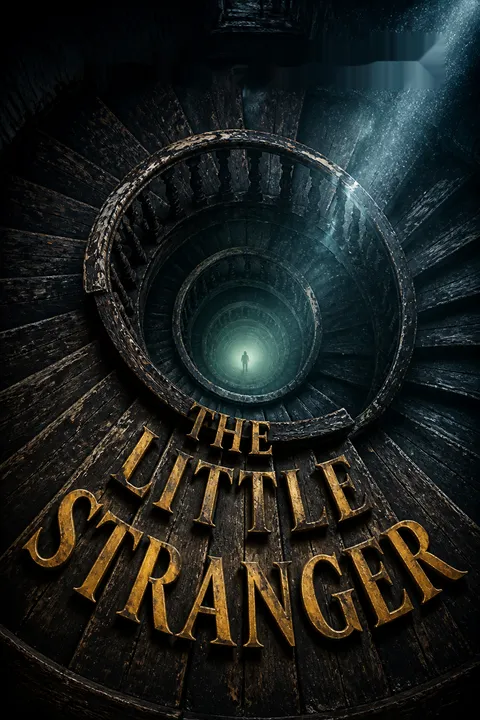
Years later, Faraday remains obsessed with Hundreds Hall, visiting its empty rooms and tending to its decay. The house, stripped of life and possessions, seems to resist new ownership, its beauty and sadness undiminished. Faraday, now alone, is haunted by memories, regrets, and the sense that something—some "little stranger"—still lingers in the house. He catches glimpses of movement, hears echoes of the past, and wonders if the true haunting is within himself. The story ends with Faraday gazing into a cracked window, seeing only his own distorted reflection, longing for answers that will never come.
Analysis
Sarah Waters' The Little Stranger is a masterful exploration of the intersection between class, trauma, and the supernatural, set against the backdrop of a crumbling English estate in postwar Britain. The novel interrogates the decline of the gentry and the rise of a new social order, using the haunted house as both a literal and metaphorical space where personal and historical anxieties converge. Through the unreliable narration of Dr. Faraday, Waters blurs the boundaries between psychological breakdown and genuine haunting, inviting readers to question the nature of reality, agency, and evil. The house itself becomes a character—an embodiment of loss, repression, and the destructive power of longing. The story's unresolved mysteries and ambiguous ending reflect the uncertainties of a world in transition, where old certainties have vanished and new ones have yet to take hold. Ultimately, The Little Stranger is a meditation on the dangers of nostalgia, the corrosive effects of envy and guilt, and the ways in which the past—personal and collective—can haunt and consume the present. Its lessons are as much about the ghosts we carry within us as those we fear in the dark.
Review Summary
People Also Read




Characters
Dr. Faraday
Faraday is a local doctor of modest background, forever conscious of his social position and longing for acceptance among the gentry. His fascination with Hundreds Hall is rooted in childhood awe, envy, and a desire to possess what he cannot have. As he becomes entangled with the Ayres family, his role shifts from healer to confidant, suitor, and ultimately, a catalyst for tragedy. Psychologically, Faraday is both rational and repressed, clinging to science but drawn to the uncanny. His need for control and belonging blinds him to the destructive forces—both human and supernatural—at work in the house and within himself. By the end, he is left haunted, unable to let go of the past or the house's hold on him.
Caroline Ayres
Caroline is the daughter of the Ayres family, burdened by duty, loss, and the weight of the estate. She is intelligent, capable, and self-sacrificing, but also deeply lonely and emotionally scarred. Her relationship with Faraday is complex—she is grateful for his support but ambivalent about love and marriage, longing for escape from Hundreds Hall and its legacy. Caroline's psychological struggle is between loyalty to her family and the desperate need for freedom. As the house's influence grows, she becomes increasingly isolated, her rationality eroded by grief and fear. Her tragic end is both a surrender and a final, ambiguous act of agency.
Mrs. Ayres
Mrs. Ayres is the proud, gracious, and genteel head of the family, clinging to the rituals and memories of a vanished world. She is defined by grief for her first daughter, Susan, whose death has left a wound that never heals. As the house's atmosphere grows oppressive, Mrs. Ayres becomes increasingly fragile, succumbing to delusions that Susan's spirit is present and vengeful. Her psychological unraveling is a portrait of maternal guilt, longing, and the destructive power of memory. Her suicide is both a personal tragedy and a symbol of the family's—and the house's—irreversible decline.
Roderick Ayres
Roderick, the only son, is physically and mentally scarred by war and the burden of the estate. He is earnest, well-meaning, but overwhelmed by responsibility and guilt. As strange events escalate, Roderick becomes convinced that a malevolent force is targeting him, leading to paranoia, hallucinations, and self-harm. His psychological collapse is both a product of trauma and a reflection of the house's corrosive influence. Ultimately, he is institutionalized, his fate a warning of the dangers of repression, isolation, and the weight of inherited expectations.
Betty
Betty is a fourteen-year-old maid, homesick and frightened by the house's atmosphere. She is sensitive to the uncanny, quick to attribute strange events to a "bad thing" or ghost. Her testimony at the inquest shapes the community's perception of Hundreds Hall as haunted. Psychologically, Betty represents the vulnerability of the powerless and the persistence of folk belief. She is both a victim and a survivor, ultimately escaping the house's grip, but forever marked by her experiences.
Gyp
Gyp is the family's elderly Labrador, beloved by Caroline. His inexplicable attack on Gillian Baker-Hyde is the catalyst for the family's public disgrace and the beginning of the house's overtly destructive influence. Gyp's fate is a symbol of innocence corrupted and the breakdown of trust within the household.
The House (Hundreds Hall)
Hundreds Hall is more than a setting—it is a character in its own right, embodying the family's history, pride, and decline. Its decaying walls, oppressive atmosphere, and uncanny phenomena reflect and amplify the psychological distress of its inhabitants. The house is both haunted and haunting, a repository of grief, guilt, and repressed desires. Whether the source of supernatural evil or a projection of human suffering, Hundreds Hall is the story's true center, shaping the fate of all who enter it.
The Baker-Hyde Family
The Baker-Hydes are new money, modern, and self-assured, representing the postwar social order. Their arrival at the party and the subsequent attack on their daughter expose the Ayreses' vulnerability and accelerate their downfall. They are both victims and judges, their presence a reminder of the world's indifference to old hierarchies.
David Graham
Graham is Faraday's medical partner, supportive and pragmatic. He offers a counterpoint to Faraday's obsession, urging him to maintain perspective and professional boundaries. Graham's stable family life and clear-sightedness highlight Faraday's isolation and growing irrationality.
Seeley
Seeley is a local physician, more cynical and socially adept than Faraday. He offers alternative explanations for the events at Hundreds Hall, from mass hysteria to repressed sexuality. Seeley's presence challenges Faraday's self-image and forces him to confront uncomfortable truths about class, desire, and the limits of rationality.
Plot Devices
Unreliable Narration and Ambiguity
The novel is narrated by Dr. Faraday, whose perspective is both intimate and limited. His rationalism, class envy, and emotional repression color every event, casting doubt on the reality of the supernatural. The ambiguity between psychological disturbance and genuine haunting is sustained throughout, leaving readers to question what is real, what is imagined, and what is willed into being by the characters' desires and fears. This device heightens suspense and invites multiple interpretations.
The Haunted House as Psychological Mirror
Hundreds Hall is both a literal and symbolic space, its decay paralleling the family's decline and the erosion of social order. The house's uncanny phenomena—noises, marks, fires, and violence—mirror the characters' repressed traumas, guilt, and longing. The boundary between external haunting and internal madness is deliberately blurred, making the house a site of projection and contagion.
Class Tension and Social Change
The story is set in postwar England, a time of upheaval and the dismantling of the gentry's power. The Ayreses' struggle to maintain their status, the arrival of the Baker-Hydes, and Faraday's own class anxieties drive much of the conflict. The house's decline is both a personal and societal tragedy, and the supernatural elements can be read as metaphors for the collapse of old certainties.
Foreshadowing and Recurrence
Early events—Faraday's theft of the acorn, Gyp's attack, Roderick's injuries—foreshadow later tragedies. Recurring motifs (scratches, blood, locked doors, voices, and falls) create a sense of inevitability and doom. The repetition of certain phrases ("You!") and the cyclical structure of the narrative reinforce the idea of history repeating itself, and of the house as a trap.
Rationalism versus the Uncanny
Faraday's medical rationalism is constantly challenged by inexplicable events. The novel plays with genre conventions, offering both ghost story and psychological case study, but refuses to resolve the tension. The reader, like Faraday, is left in a state of uncertainty, forced to confront the limits of knowledge and the power of the unknown.


Download PDF
Download EPUB
.epub digital book format is ideal for reading ebooks on phones, tablets, and e-readers.








































