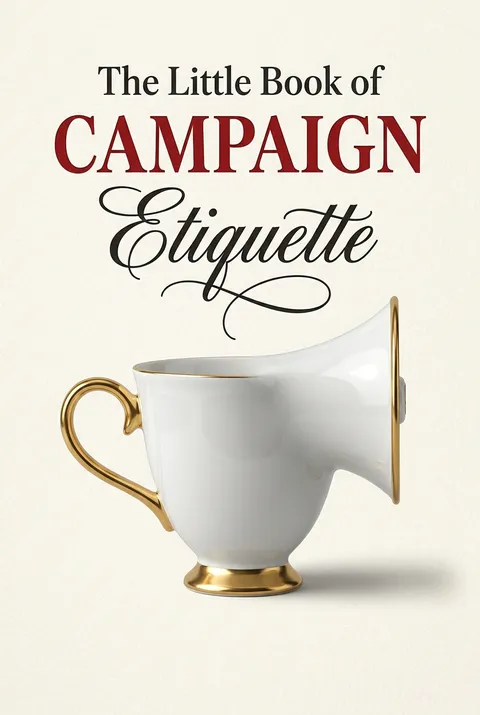

Key Takeaways
1. Political Campaign Etiquette: A Necessity for Democracy
"The missing ingredient in efforts to improve campaign discourse is a set of agreed-upon norms and standards for behavior."
Civility in politics is not just about being polite; it's about maintaining the integrity of democratic processes. The author argues that a lack of etiquette in political campaigns can lead to:
- Degradation of public discourse
- Erosion of trust in political institutions
- Difficulty in addressing substantive issues
To address these concerns, the author proposes:
- Establishing clear rules of engagement for candidates
- Encouraging media outlets to focus on policy rather than personality
- Promoting transparency in campaign practices
By adhering to these principles, political campaigns can foster a more constructive and informative democratic process.
2. Media Bias and Its Impact on Political Reporting
"Liberals consider the media conservative. Conservatives consider the media liberal."
Perception of bias in media coverage of politics is often subjective and influenced by one's own political leanings. However, the author notes that:
- Objective studies show a slight liberal bias in mainstream media
- This bias can influence public perception and voting behavior
- Media organizations should strive for balance and transparency
To combat perceived bias, the author suggests:
- Diversifying newsroom staff to represent various political viewpoints
- Implementing fact-checking protocols
- Clearly separating news reporting from opinion pieces
By addressing bias, media outlets can improve their credibility and better serve their role in informing the public.
3. The Evolution of Presidential Debates and Their Importance
"TV debates are now the central events of our presidential campaigns."
Debate formats have significantly evolved since the first televised presidential debate in 1960. The author highlights:
- The shift from press conference-style to more interactive formats
- The inclusion of town hall meetings and single-moderator debates
- The impact of debates on voter perceptions and election outcomes
To further improve presidential debates, the author recommends:
- Experimenting with new formats to engage viewers
- Focusing on substantive policy discussions
- Ensuring fair representation of candidates beyond the two major parties
These changes could enhance the educational value of debates for voters and provide a more comprehensive view of candidates' positions.
4. The Influence of Money in Politics and the Need for Transparency
"Follow the money!"
Campaign finance plays a crucial role in shaping political outcomes. The author emphasizes:
- The growing cost of running political campaigns
- The potential for corruption and undue influence from wealthy donors
- The importance of financial transparency in maintaining public trust
To address these issues, the author advocates for:
- Stricter disclosure requirements for campaign contributions
- Exploration of public financing options for campaigns
- Regular audits of campaign finances by independent bodies
By increasing transparency and reducing the influence of money in politics, the democratic process can become more equitable and representative.
5. The Rise of Cyberpolitics and Its Implications for Campaigns
"The Internet as information pass-along."
Digital campaigning has transformed the political landscape. The author notes:
- The increasing importance of social media and online platforms in reaching voters
- The potential for rapid dissemination of both information and misinformation
- The challenge of verifying online sources and combating "fake news"
To navigate this new terrain, the author suggests:
- Developing digital literacy programs for voters
- Implementing stricter regulations on online political advertising
- Encouraging candidates to use online platforms for substantive policy discussions
By adapting to the digital age, political campaigns can harness the power of technology while mitigating its potential drawbacks.
6. The Changing Landscape of Political Advertising
"Advertising is now the voters' most important source of information on candidates."
Ad strategies have evolved significantly with the rise of digital media. The author highlights:
- The shift from traditional TV ads to targeted online advertising
- The increasing prevalence of negative campaigning
- The challenge of fact-checking claims made in political ads
To improve the quality of political advertising, the author recommends:
- Implementing stricter truth-in-advertising standards for political campaigns
- Encouraging media outlets to provide more robust ad-watch coverage
- Educating voters on how to critically evaluate political advertisements
By promoting more responsible advertising practices, campaigns can better inform voters and elevate the level of political discourse.
7. The Role of Polls and Predictions in Shaping Public Opinion
"Who's ahead?"
Horse-race coverage of elections has become increasingly prevalent. The author critiques:
- The media's focus on polling numbers rather than substantive issues
- The potential for polls to influence voter behavior
- The limitations and potential inaccuracies of polling methodologies
To improve poll reporting, the author suggests:
- Providing more context and explanation of polling methodologies
- Focusing more on issue-based polling rather than just horse-race numbers
- Educating the public on how to interpret poll results critically
By adopting these practices, media outlets can use polls as a tool for informing the public rather than merely predicting outcomes.
8. Ethical Considerations in Reporting on Politicians' Personal Lives
"Private information should be pertinent in campaign coverage if the candidate lies, it is a contemporaneous situation, the relationship directly affects the politician's public life or governing decisions, or there is 'blatant hypocrisy'."
Privacy boundaries for public figures are often blurred in political reporting. The author discusses:
- The evolution of media coverage of politicians' personal lives
- The public's right to know versus individuals' right to privacy
- The potential impact of personal scandals on political careers
To navigate these ethical dilemmas, the author proposes:
- Establishing clear guidelines for when personal information is relevant to public interest
- Focusing on how personal conduct may affect a politician's ability to govern
- Avoiding sensationalism and gossip in favor of substantive reporting
By adhering to ethical standards, journalists can maintain their watchdog role while respecting reasonable boundaries of privacy.
9. The Impact of Consultants and Spin Doctors on Political Discourse
"Stories about consultants should be in direct proportion to the light they shed on those who seek public office."
Political messaging has become increasingly professionalized. The author examines:
- The growing influence of political consultants and strategists
- The rise of "spin" in shaping public perception of events and policies
- The potential for consultants to overshadow the candidates themselves
To address these concerns, the author recommends:
- Increased scrutiny of consultants' roles and influence in campaigns
- Greater transparency in campaign strategy and decision-making processes
- Focusing media coverage on candidates' positions rather than strategic maneuvering
By recentering political discourse on substantive issues, campaigns can provide voters with a clearer picture of candidates and their platforms.
10. The Importance of Voter Participation in a Healthy Democracy
"Vote! You'll feel better about being an American."
Civic engagement is crucial for maintaining a vibrant democracy. The author discusses:
- The declining voter turnout in U.S. elections
- The various factors contributing to voter apathy
- The potential consequences of low civic participation
To encourage greater voter participation, the author suggests:
- Simplifying voter registration and voting processes
- Improving civic education in schools and communities
- Addressing systemic barriers to voting, such as gerrymandering and voter suppression
By fostering a culture of civic engagement, society can strengthen its democratic institutions and ensure more representative governance.
Review Summary
The Little Book of Campaign Etiquette receives a low rating of 1 out of 5 based on one review. The reader finds it lacking in actual etiquette advice, instead offering random topics for the author's opinions. The book is criticized for being outdated, with examples from 1996 that are no longer relevant. The reviewer notes references to Bush Sr.'s campaign bus, answering machines, and the early internet. Overall, the book is described as a quick read but disappointing in content and relevance.
Download PDF
Download EPUB
.epub digital book format is ideal for reading ebooks on phones, tablets, and e-readers.








































